Museums, tickets and opening hours
Which museums exist, what DGAM does, and why fees and hours stay variable. How long each one takes, how tickets work at excavated sites, and photo permits.
Visiting a museum in Syria has two difficulties and both are about information: which halls are open today, and what the ticket costs. Neither is published in one central place; both are learned at the door. What follows at least turns that uncertainty into a known one.
Which museums there are
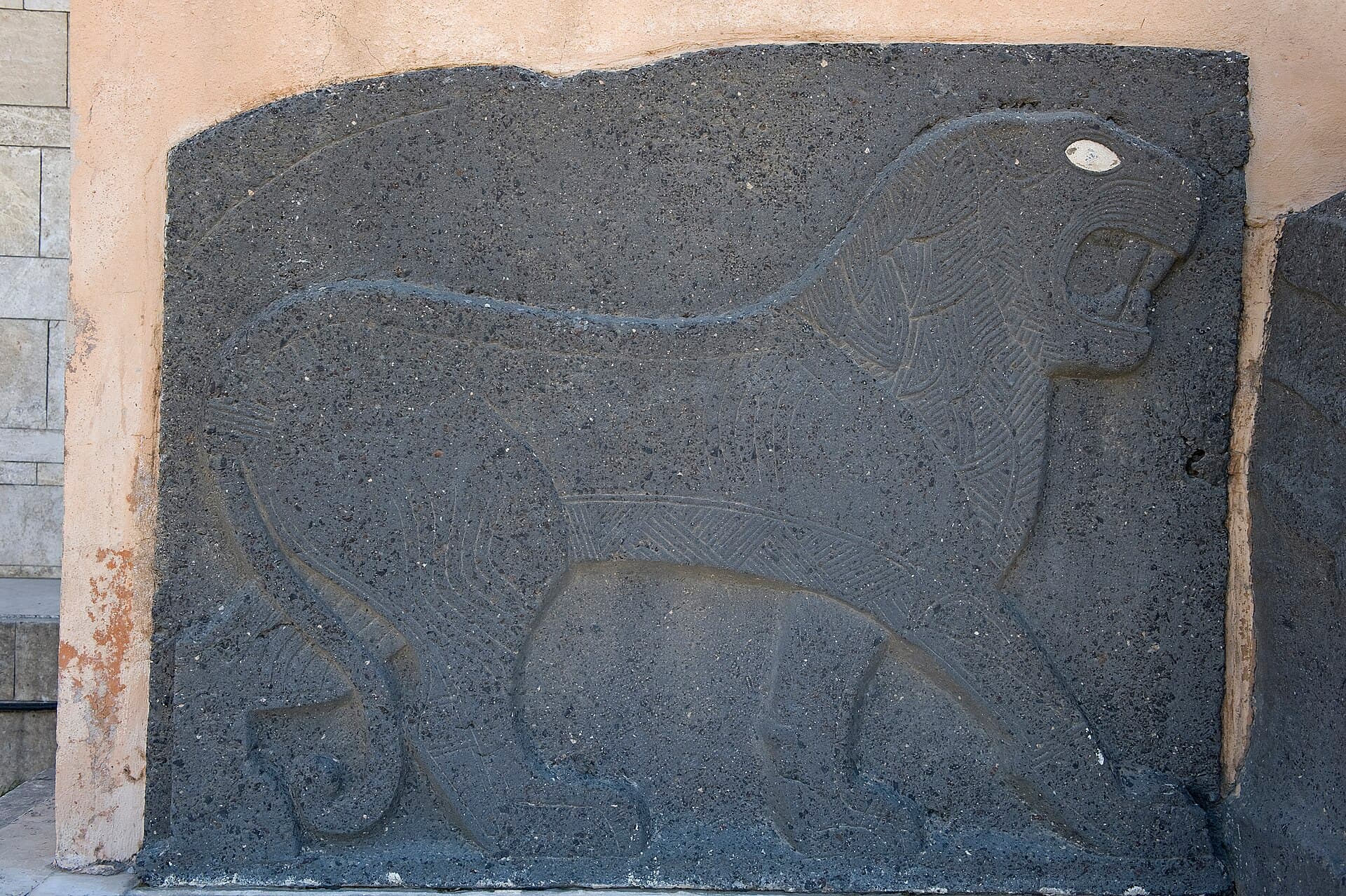
Three records on this site are museums proper. In Damascus the National Museum of Syria opened in 1919, closed in 2012, reopened four of its wings in 2018. It reopened on 8 January 2025 after a brief closure in December 2024, and was presented in its restored form in December 2025. Inside it are the Ugarit alphabet, the Dura Europos synagogue and the Palmyrene funerary reliefs. The National Museum of Aleppo opened in 1931 and gathers what comes out of the north: the Mari tablets, the Ugarit and Ebla halls, the basalt figures from Tell Halaf at the entrance. The National Museum of Latakia has been a museum since 1986, in a 16th century Ottoman khan facing the port.
Three buildings that are not museums but are visited like one
In Damascus the Nur al-Din Bimaristan is a medieval hospital founded in 1154; the Museum of Arab Science and Medicine works inside it today. The passenger hall of the Hejaz Station, with its carved wooden ceiling, opened in 1913 and the line has not run since 1917; the building is always visible from outside, while going into the hall needs confirming. In Aleppo the Bimaristan Arghuni is a Mamluk hospital founded in 1354. All three are small, and in all three the courtyard is the thing to see.
What DGAM does
Museums and archaeological sites come under the Directorate-General of Antiquities and Museums, known as DGAM. Excavation permits, restoration, registration and the running of the sites all sit there. Its site, dgam.gov.sy, works and publishes in Arabic, English and French: pages for museums, archaeological sites and historical buildings, plus a news feed. There is no list of daily hours or ticket prices on it; what the directorate announces is mostly openings, closures and restoration work. When the status of a museum changes, that is where it appears first.
Why this site does not print fees and hours
Every museum record here carries the same sentence in the entry fee and opening hours fields: variable, confirm at the door. That is not laziness. Fees are set separately for foreigners and residents, they move with the exchange rate because they are paid in pounds, and halls close without notice for maintenance, security or staffing. Printing a wrong figure is worse than printing none, because the reader arrives at the door holding it.
What to do instead: have the hotel telephone before you go, confirm the total before you hand over money, and carry small notes. Cards are not accepted.
How long to allow
The records on this site give these times. 120 minutes for the National Museum of Aleppo, 90 for the National Museum of Syria, 60 for Latakia, 45 for each of the two bimaristans, 30 for the hall of the Hejaz Station. That is unhurried, but it does not include reading every case. Go to all three in the morning: the gardens are cool then, the halls are empty, and the risk of a closure rises later in the day.
How tickets work at archaeological sites
Ticketing at an excavated site works differently from a museum. Where the site is fenced and has a gate — Bosra, Apamea, Ugarit, Palmyra — a ticket is issued at the entrance. Where it is open, as at most of the Dead Cities villages, there is neither gate nor booth; instead there may be a guardian on the ground who asks a small amount. Castles are separate again: entry is charged at the larger ones such as Krak des Chevaliers and Saladin Castle. A separate rate for foreigners is normal and is not a matter for bargaining.
Photography permits
Paid photography permits at museums and sites vary from place to place; ask at the entrance. Tripods and large kit need a separate permit in many places, and the person at the door decides what counts as professional. Flash is usually banned in the halls. The rule about anything military or official applies in a museum garden too. The whole subject has its own page on this site.
Closing days
The weekly closing day differs between institutions and has shifted several times in recent years, which is why this site does not name one. Museums are closed on public holidays and on the first day of the religious feasts. The weekend is Friday and Saturday. The feast calendar and the closures are set out on the holidays page of this site.
Four things to ask at the door
Which halls are open today; what the total is; whether the photography permit is charged separately; how long until closing. Each answer is one sentence. Do not try to go in half an hour before closing: the halls shut in sequence and the time you actually get inside is shorter than the sign says.
Tips
- Have the hotel telephone ahead; halls can close without notice
- Confirm the total before paying and carry small notes — cards are refused
- Go in the morning; gardens are cool, halls empty, closures less likely
- Ask at the door whether the photography permit is charged separately
- Do not arrive half an hour before closing; halls shut in sequence
Transparency
- How this was chosen
- This page carries the fastest-ageing information on the site: visa rules, exchange rates, border crossings and SIM prices change several times a year. The verification date above says when the facts were last put through their sources; for anything later, check your own foreign ministry travel advice and a Syrian consulate. No figure that is not known for certain is written here.
- Facts checked
- August 2026
- Last updated
- September 15, 2026