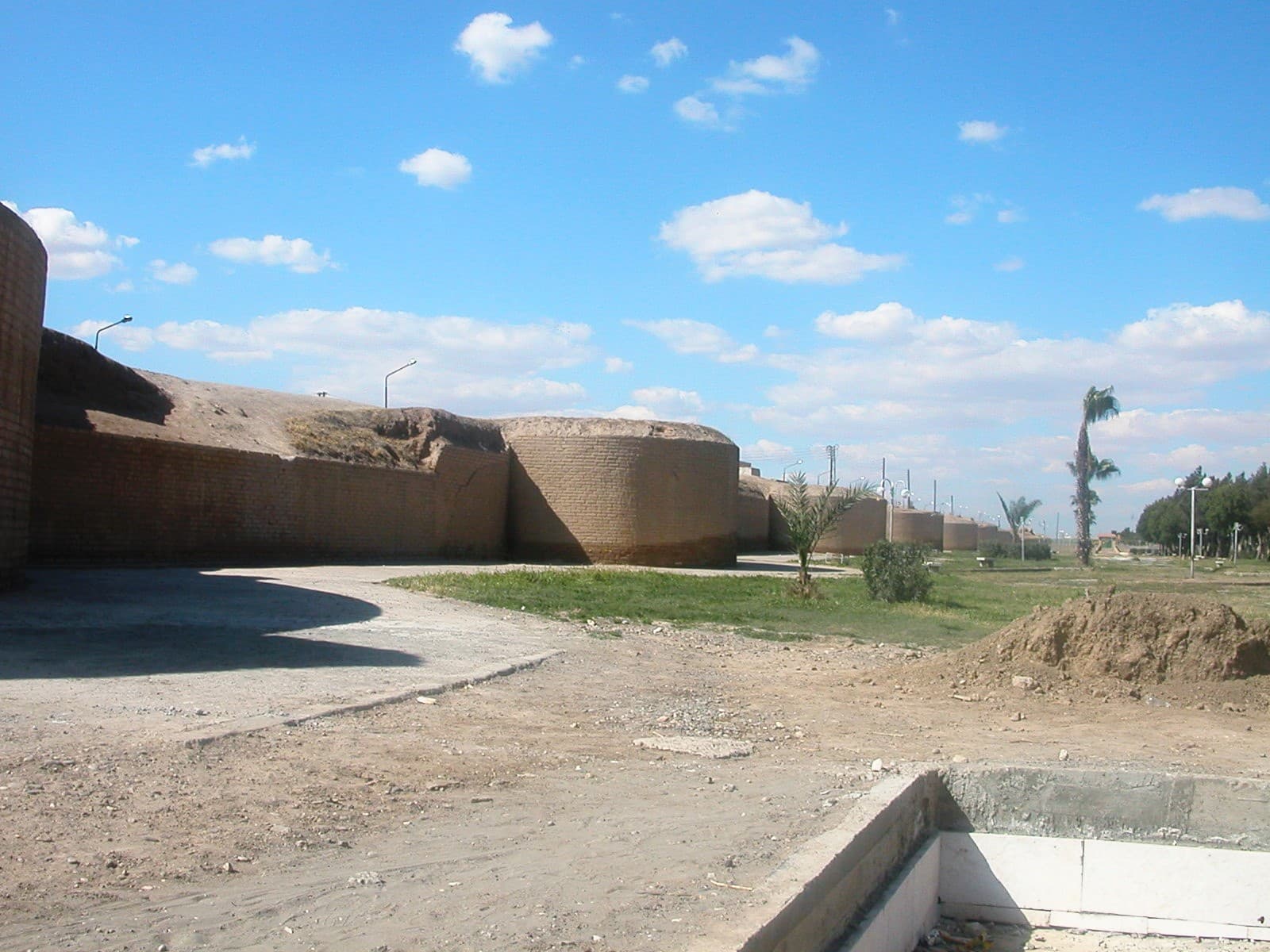
Meet a country through its streets, not its headlines. Cities, places, walkable routes, and stories worth telling.
As-Suwayda
The basalt town at the heart of Jabal al-Druze: Nabataean Suada, Roman Dionysias, Druze capital. What stands there, what is nearby, and where the region stands now.
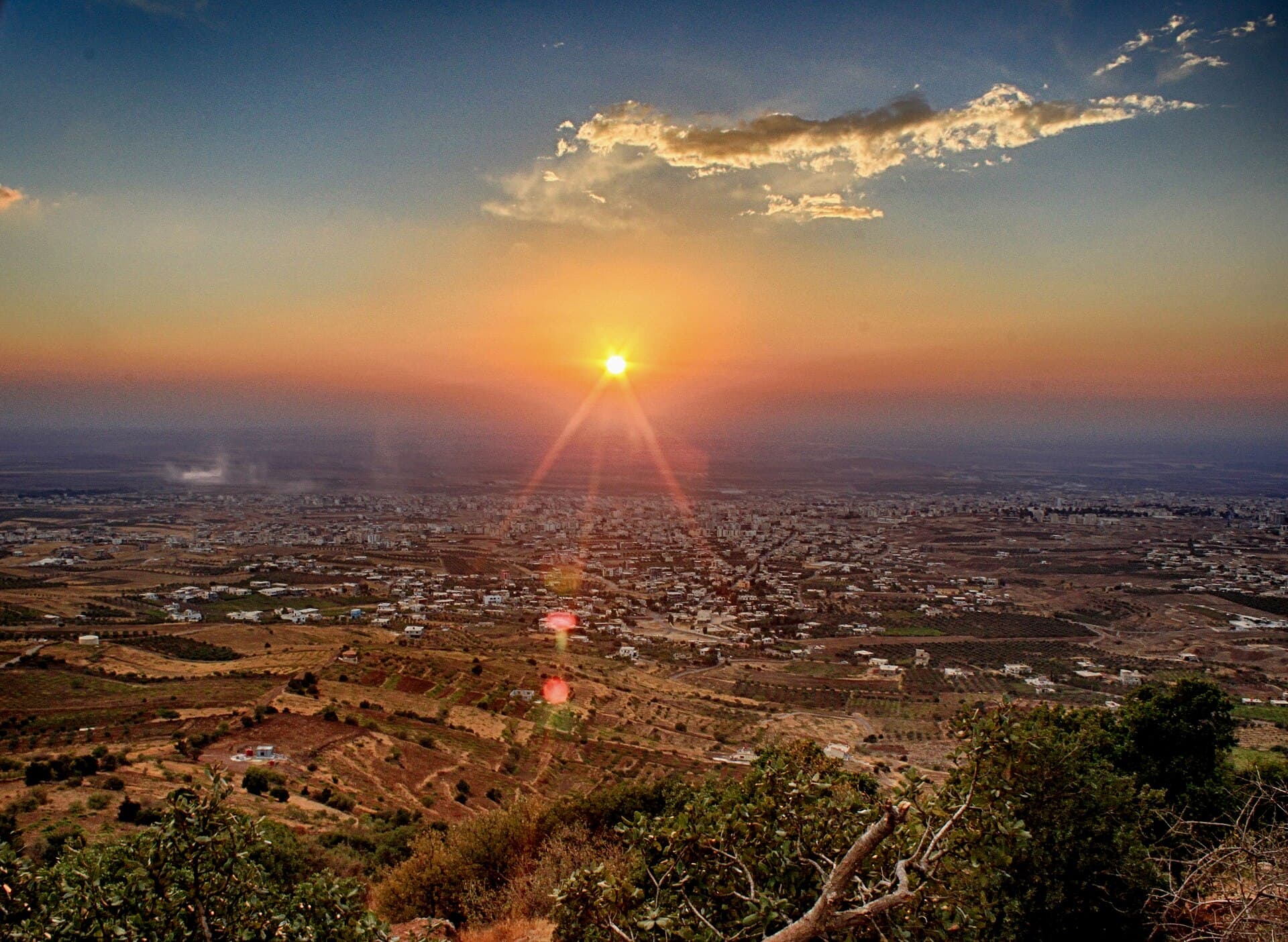
Hasakah
The plain city where the Jaghjagh meets the Khabur and the way in to the tells of the Jazira. What is in town, how to reach the sites, whether you can go.
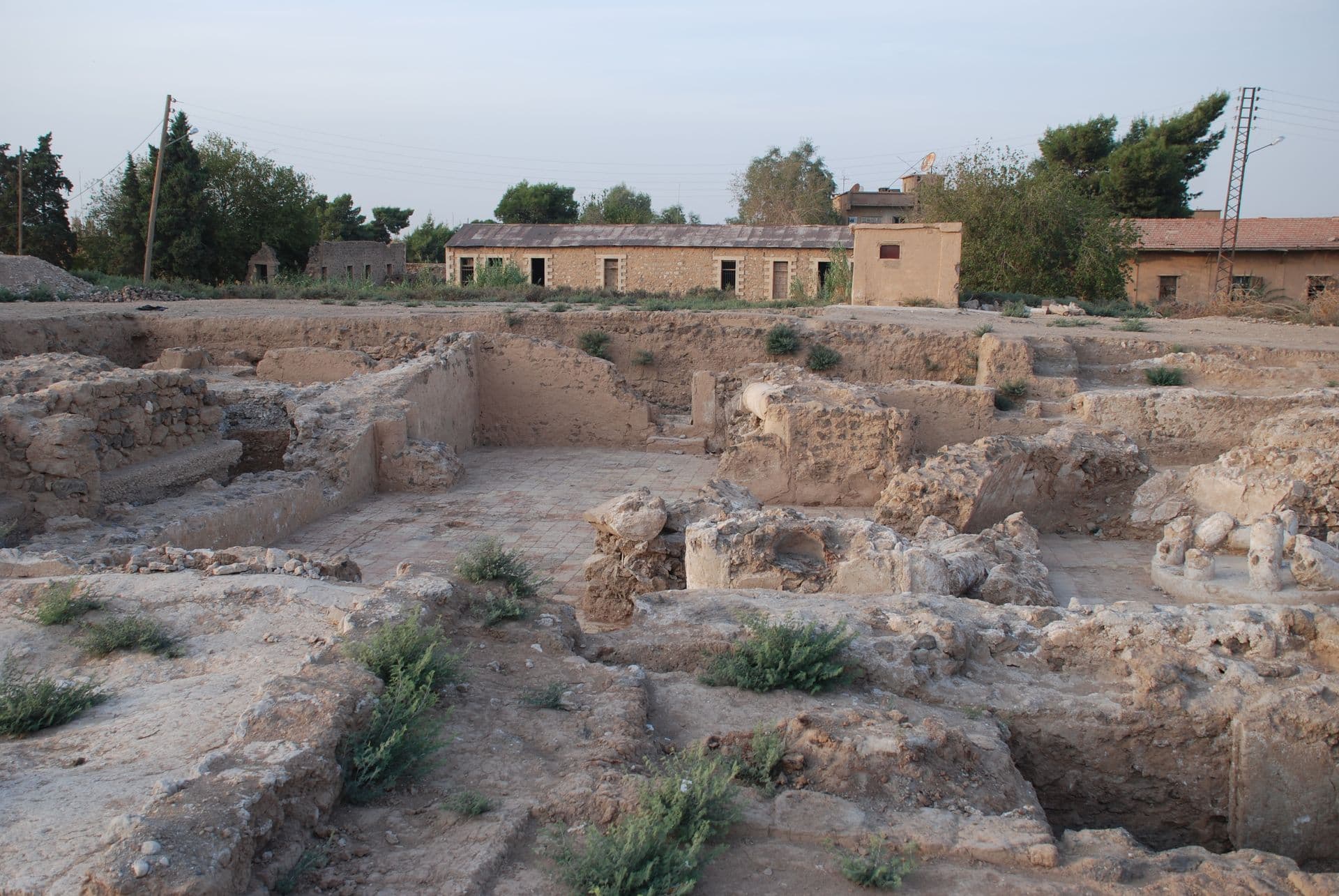
Qamishli
A hundred-year-old city built by refugees on the Turkish border in 1926, and the way in to Urkesh and Shubat-Enlil. What is here now and how to travel it.
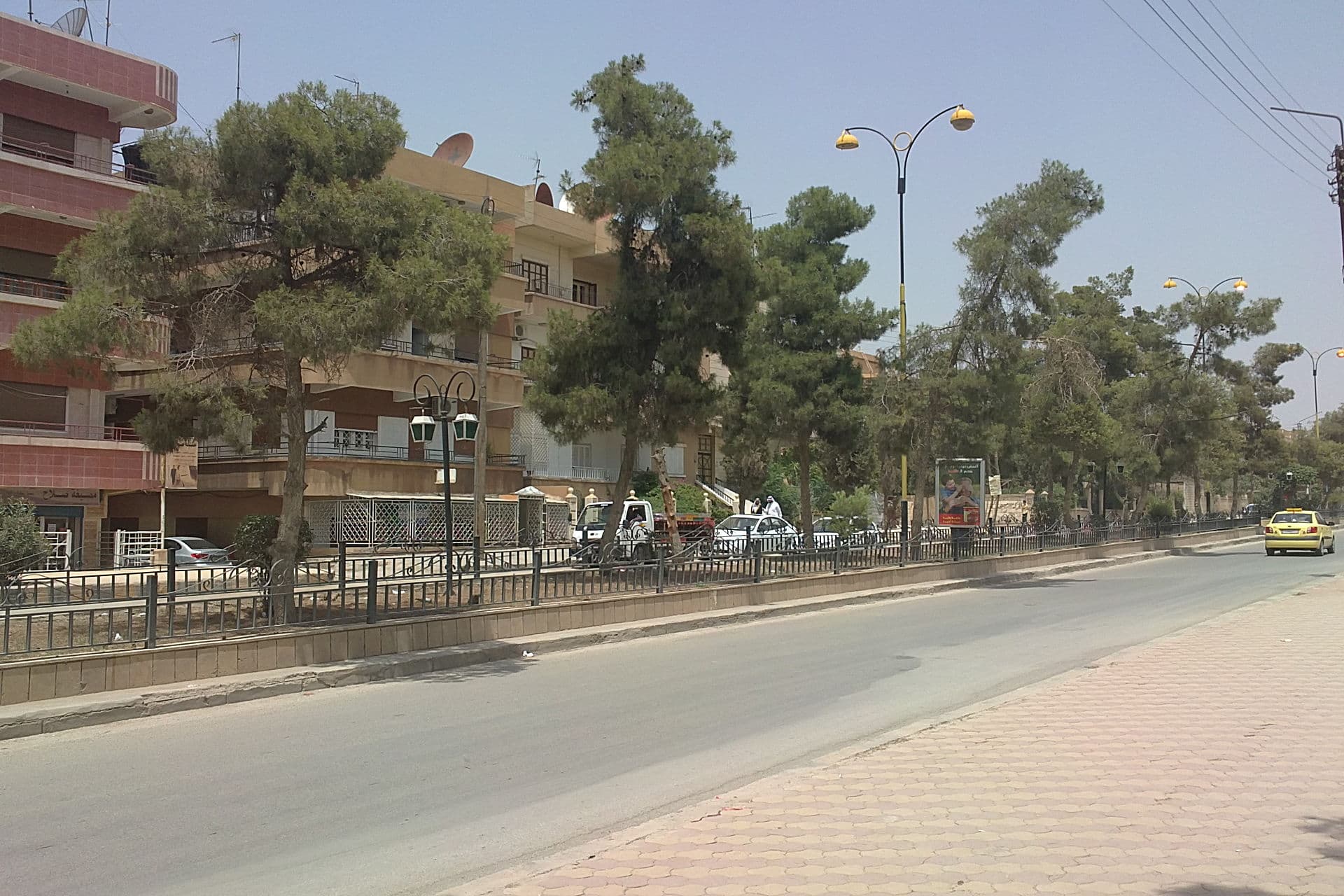
Nebek
The centre of the Qalamoun, halfway between Damascus and Homs at 1255 metres. What to see in Nebek, how to reach Deir Mar Musa, and which villages to pair.
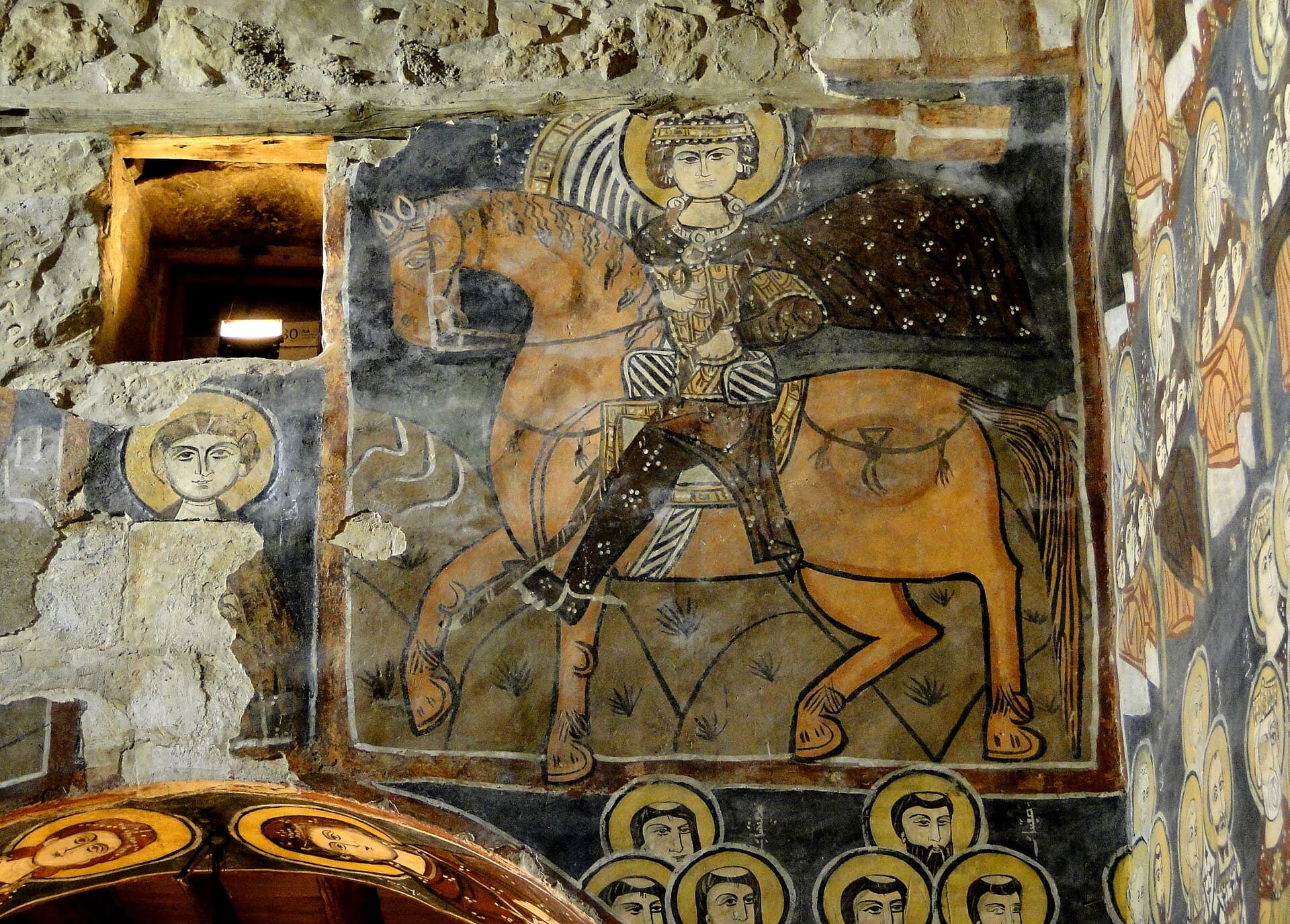
Damascus
One of the oldest continuously inhabited cities on earth, built in the oasis the Barada river opens at the foot of Mount Qasioun. Every layer belongs…
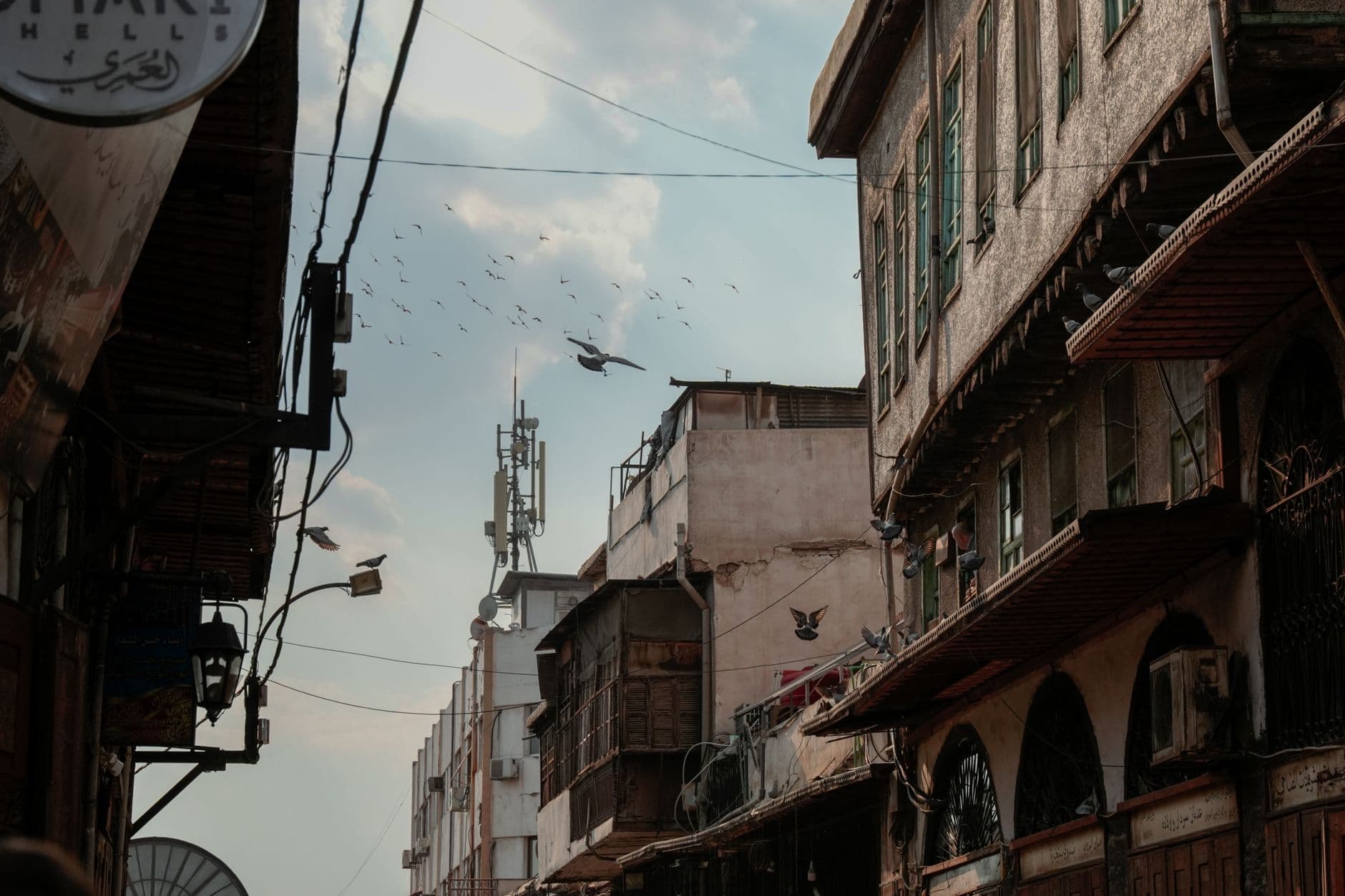
Zabadani
An upland plain between two mountain ranges, an hour north-west of Damascus. What to see around Zabadani, when to go, and which towns fit into one day.
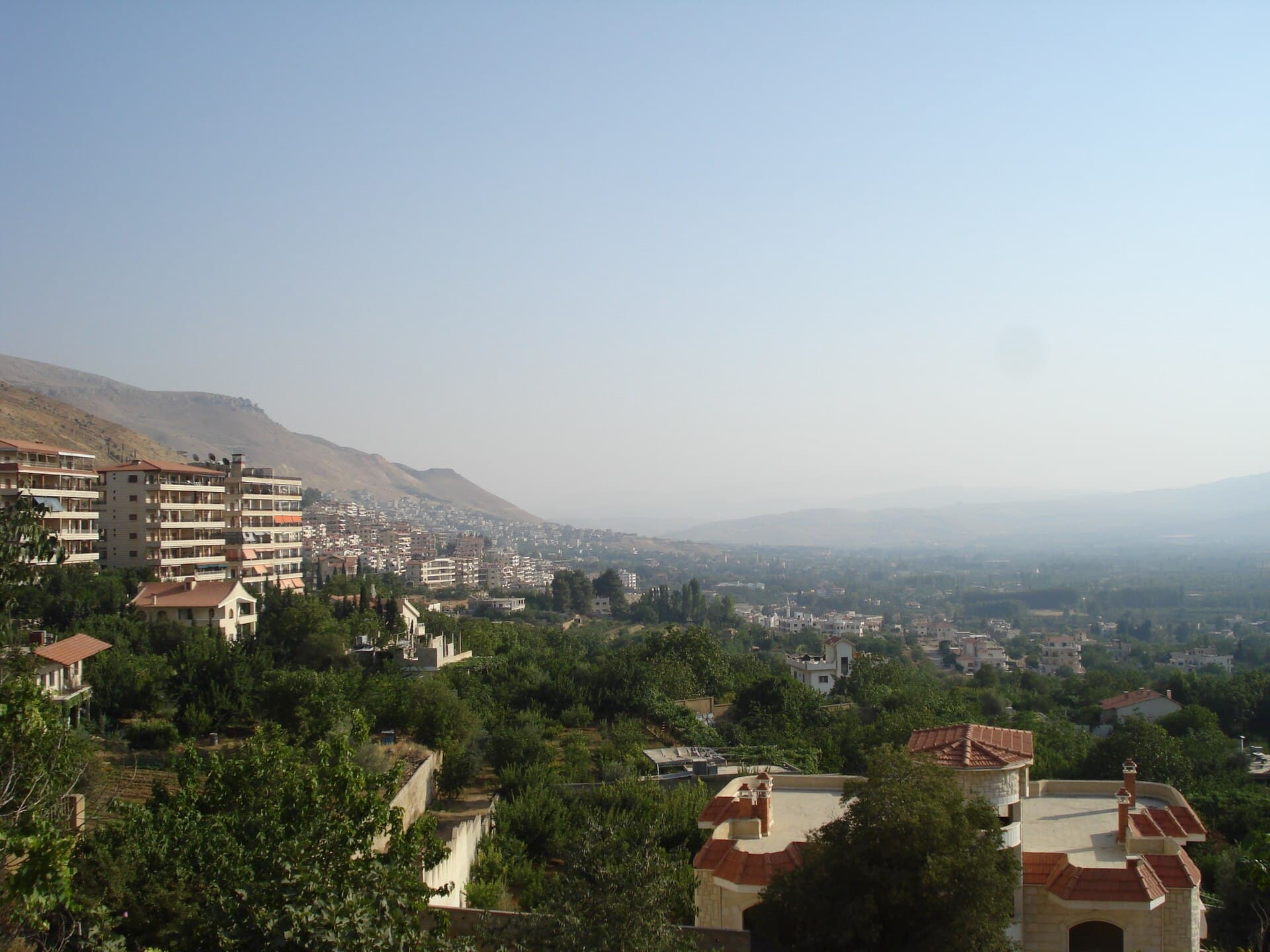
Aleppo
A city built on trade. The citadel does not sit on a hill — it is the hill, with millennia stacked beneath it. The souqs are reopening, and so are the soap works.
 On foot · 3 hours
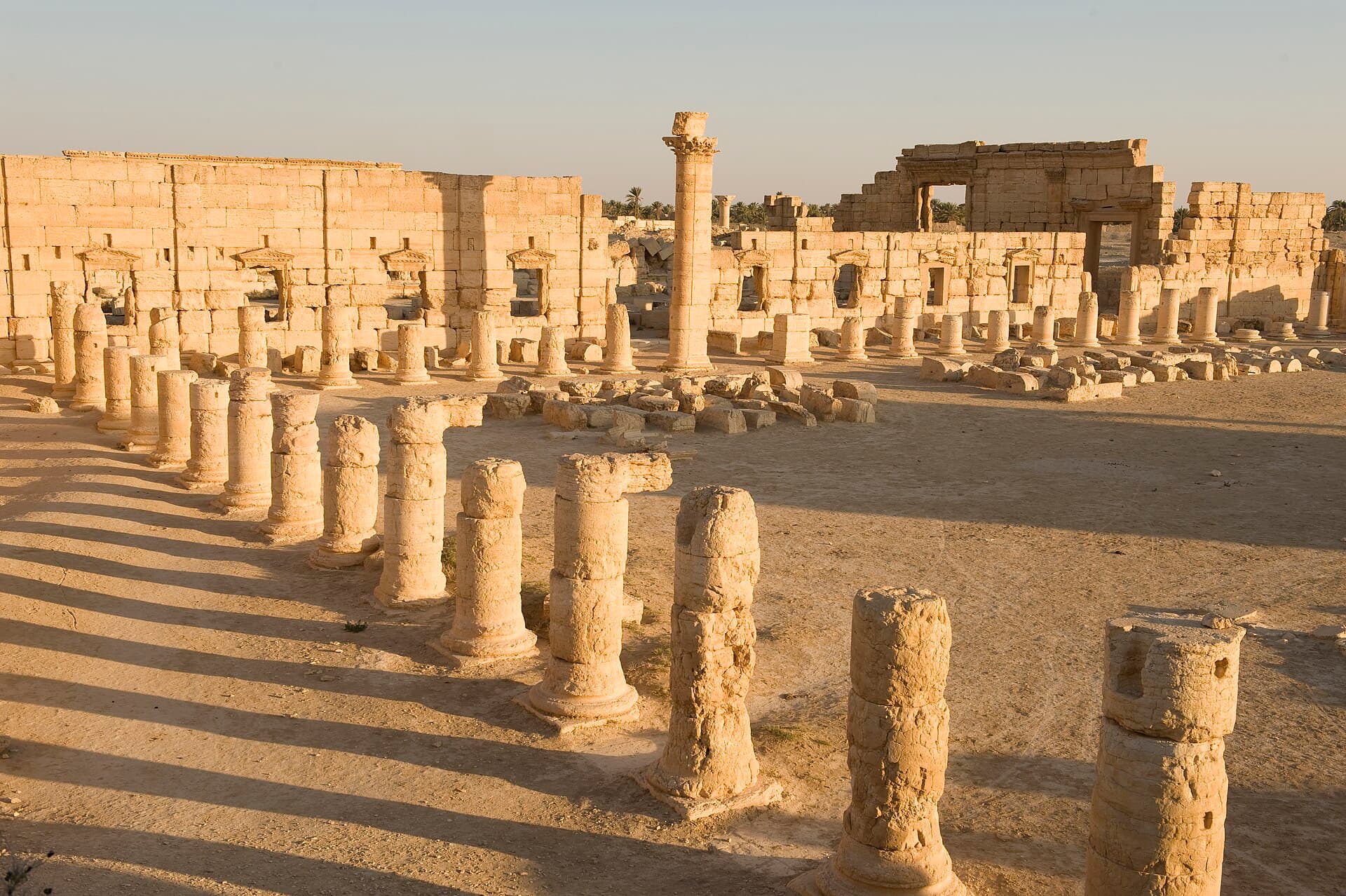
A second walk in Palmyra: from the Baths of Diocletian to the Funerary Temple
A second half-day walk in Palmyra: the granite-columned baths, the Temple of Nabu, the agora with 11 gates and the only tomb inside the walls. Four stops, timed.
3 hours · 4 stops · Easy
 By car · 1 day
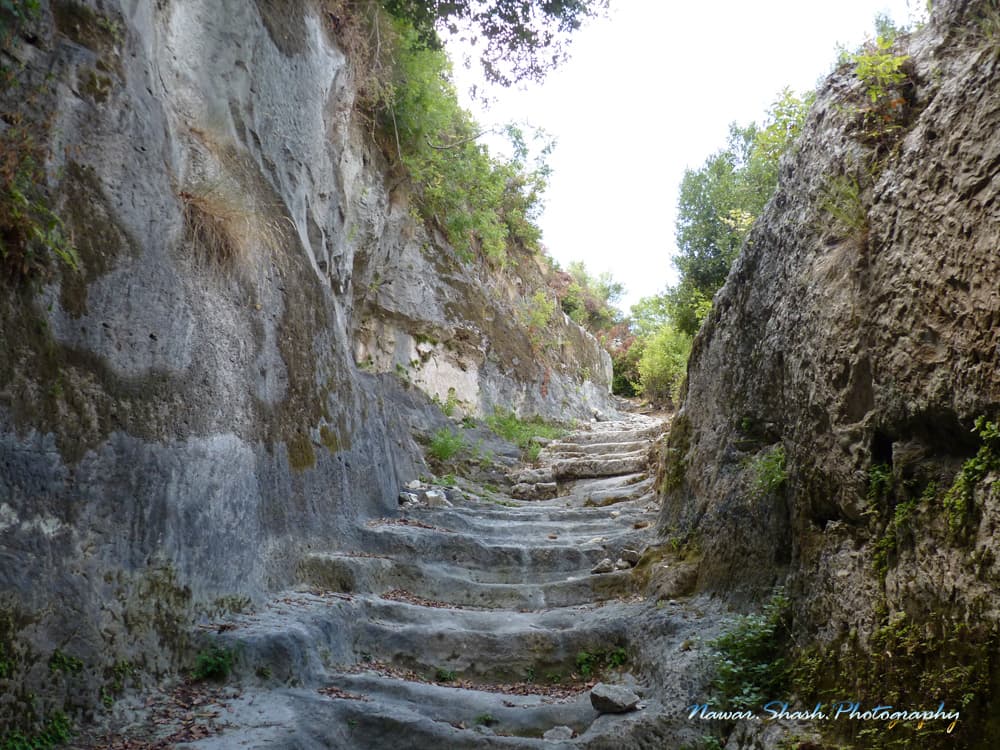
From al-Shaykh Badr to Hawat al-Jubab: the town of the 1918 revolt, two hill castles and a sinkhole
A day by car in the hills of Tartus: al-Shaykh Badr, where Saleh al-Ali declared revolt in 1918, the castles of al-Kahf and Qadmus, and a sinkhole 35 metres deep.
9 hours · 4 stops · Moderate
 On foot · two and a half hours
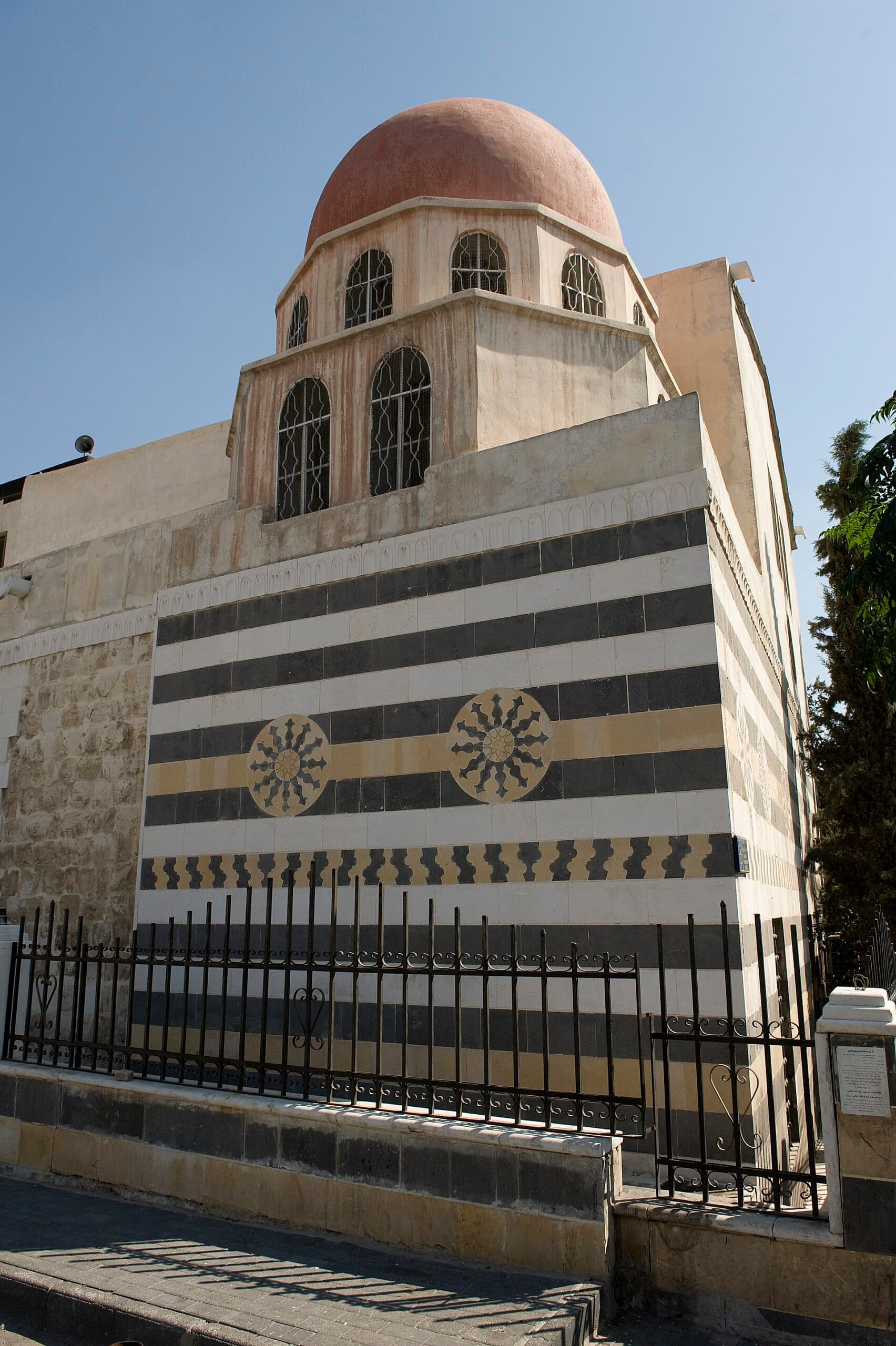
Mamluk mosques of Qanawat: from al-Tawrizi to al-Tawusiyya
An 1800-metre walk west of the Damascus walls past four Mamluk mosques: Tankiz of 1317, al-Tawusiyya of 1382, al-Tawrizi of 1420 and al-Shadhbakiyya of 1453.
2.5 hours · 4 stops · Easy
Practical information
See all →Visas, border crossings, cash, SIM cards, getting between cities — where the plan is built.
 Practical · accommodation
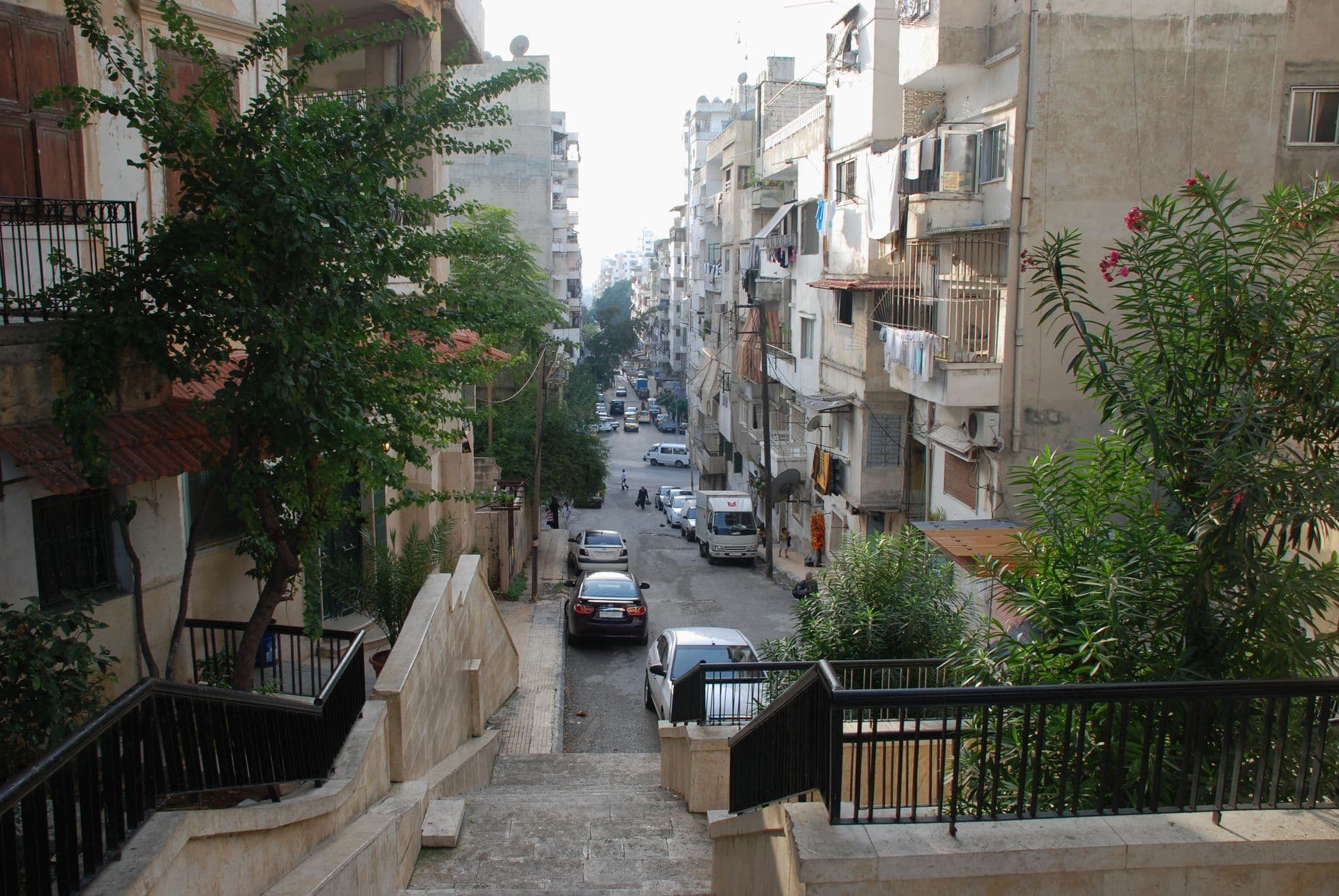
Where to stay in Latakia: the city centre or the Blue Beach strip
Latakia’s hotels are central, a walk from the bus garage and the museum; the Blue Beach strip to the north is chalet country and needs a car. Two options, no names.
Practical · accommodation
- Practical · phone and internet
Which apps work in Syria: VPNs, Google Play and geo-blocks
Google Play has worked without a VPN since January 2026 and Gemini since September, but blocks still vary by service and connection. What to install before you go.
Practical · phone and internet
- Practical · getting there
How to get to Latakia: flights, buses and the Kessab crossing
Latakia’s airport is still closed to civilian flights. Come by bus from Damascus or Homs, or via the Kessab crossing from Turkey, and check the M4 closure first.
Practical · getting there
Common questions
See all →The three questions every traveller asks first. Full answers live in the practical guides.
Do I need a visa for Syria?
For most nationalities the visa is issued on arrival and paid in cash. The fee follows your nationality, an Israeli stamp blocks entry, and the rules move several times a year.
Read the full guide →How do I get to Syria?
By air into Damascus and Aleppo, by land from Lebanon and Jordan. Which crossings are open to whom, which airlines fly, and how the Turkish border works — all in the guide.
Read the full guide →Do bank cards work in Syria?
Two zeros came off the pound in January 2026. Cards and ATMs do not work for visitors: the cash you carry in is all the money you have in the country.
Read the full guide →Featured places
See all →Mosques, caravanserais, souks, museums — and why they are worth the walk.
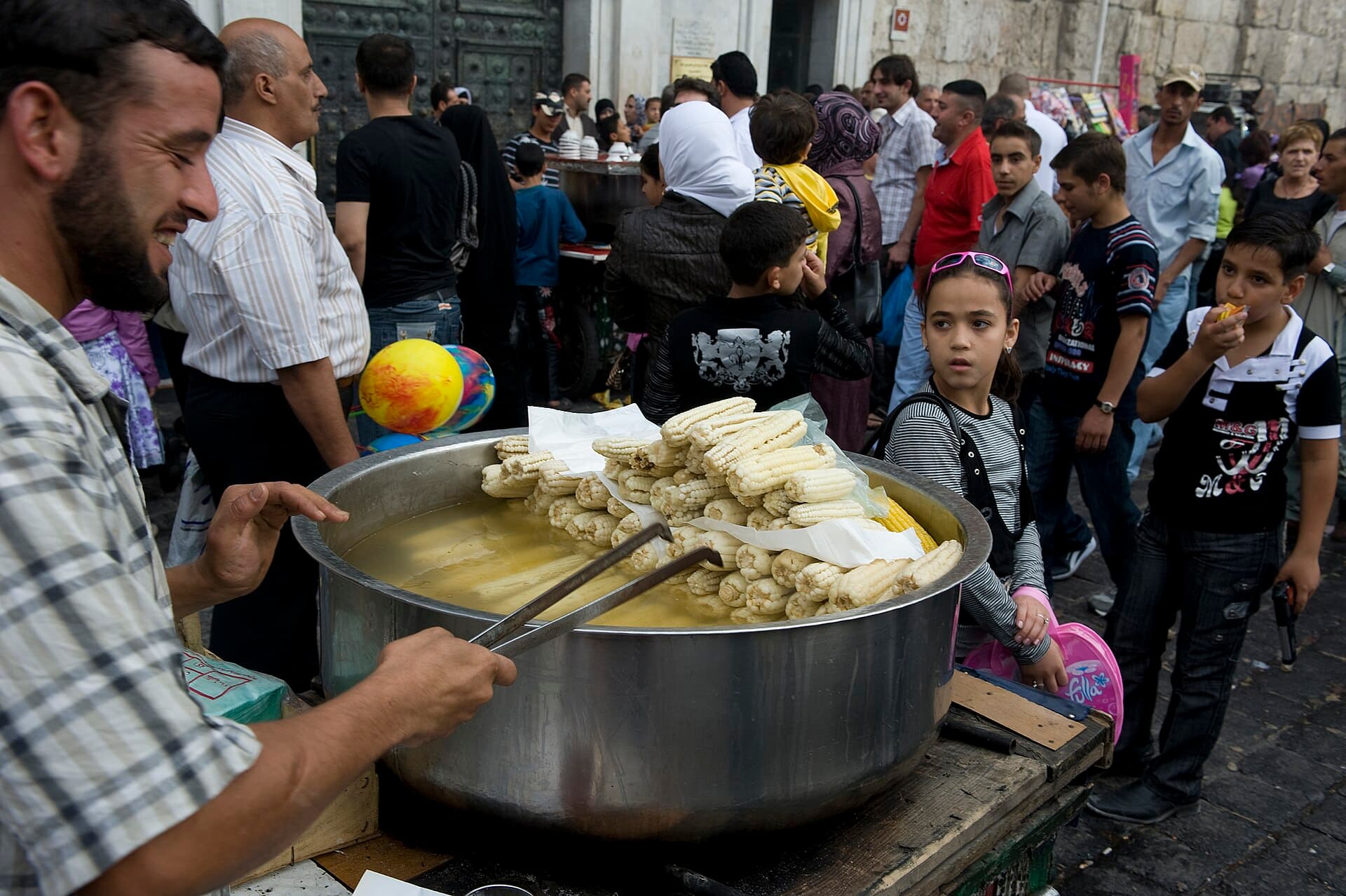 Damascus · summer evening
Syrian Street Corn (Boiled and Roasted Corn on the Cob)
On summer evenings in Damascus, corn comes boiled from a pot on a handcart; it was once roasted over charcoal. A trade on record for 120 years, sold in cups in Homs.
Damascus
- Qamishli · Kocher cheese from the Derik countryside
Sirik (Kocher garlic cheese)
Fresh spring cheese mixed with chopped green garlic, packed in a hide, buried underground and dug up as winter starts. The cheese of the Kocher villages near Derik.
Qamishli
- Salamiyah · Eid pastry
Salamiyah Eid Ka’ak (aqras al-eid)
Salamiyah’s Eid ka’ak: a disc scented with anise, fennel, mahlab and nigella, patterned by hand, baked in the last week of Ramadan at the neighbourhood oven.
Hama
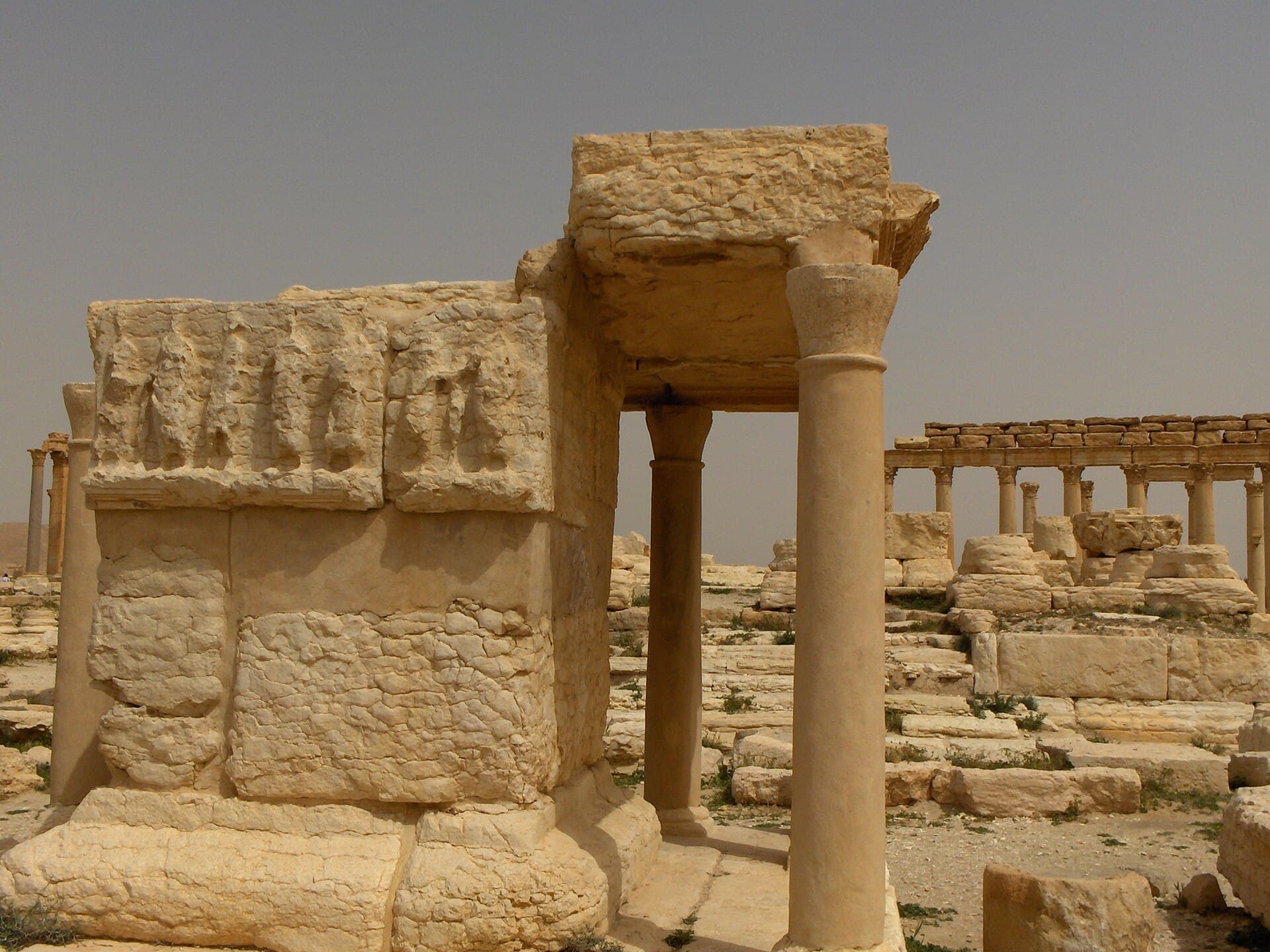 Palmyra · 2nd century AD
The Temple of Nabu at Palmyra
A 2nd-century temple at Palmyra built for Nabu, the Babylonian god of writing and wisdom. Where it stands by the colonnaded street, what is known and its state.
Palmyra
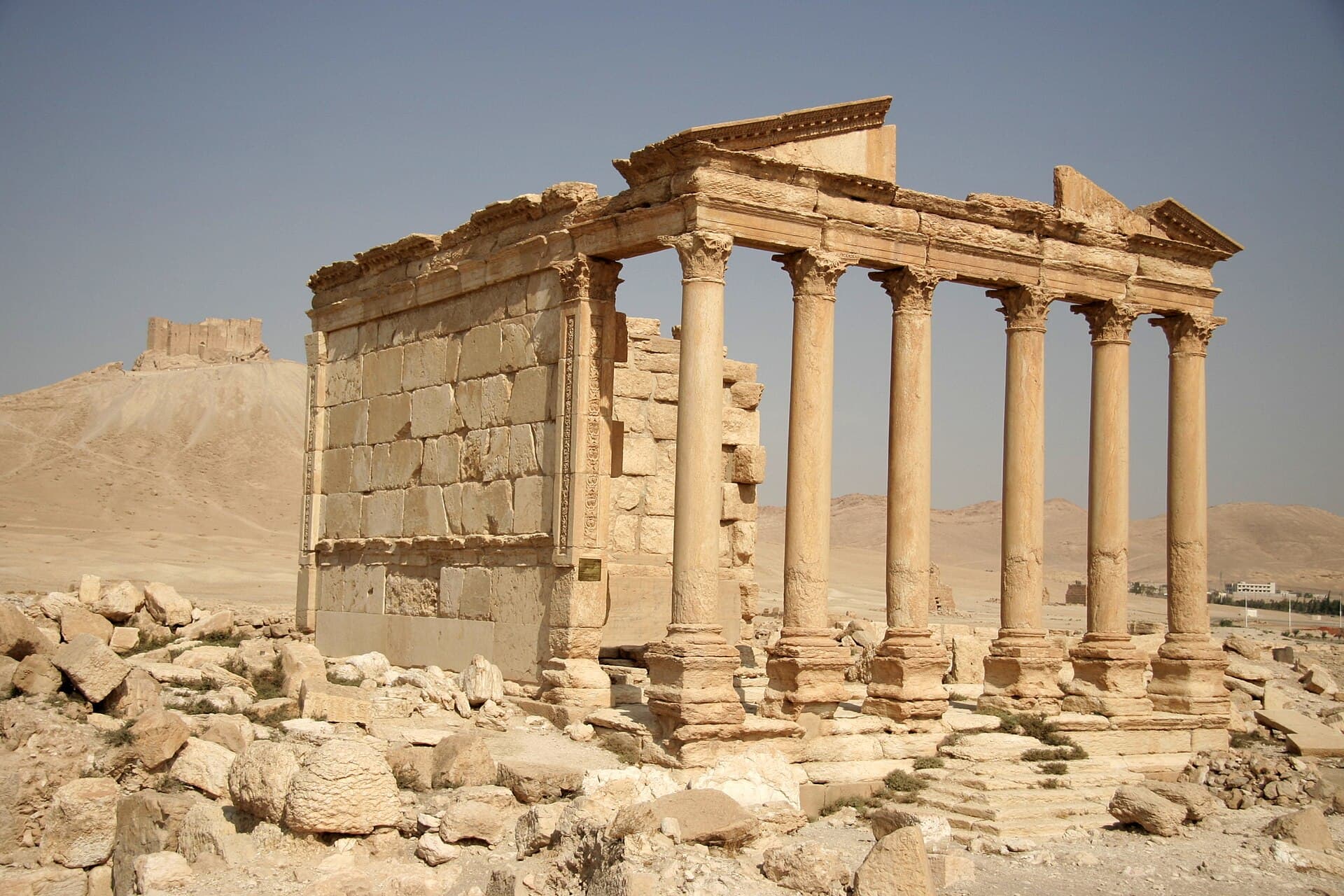 Palmyra · late 2nd–3rd century
The Funerary Temple at Palmyra (Tomb 86)
A family tomb dressed as a temple, with a six-column portico at the west end of Palmyra’s colonnaded street. The only tomb inside the walls: what to see and where.
Palmyra
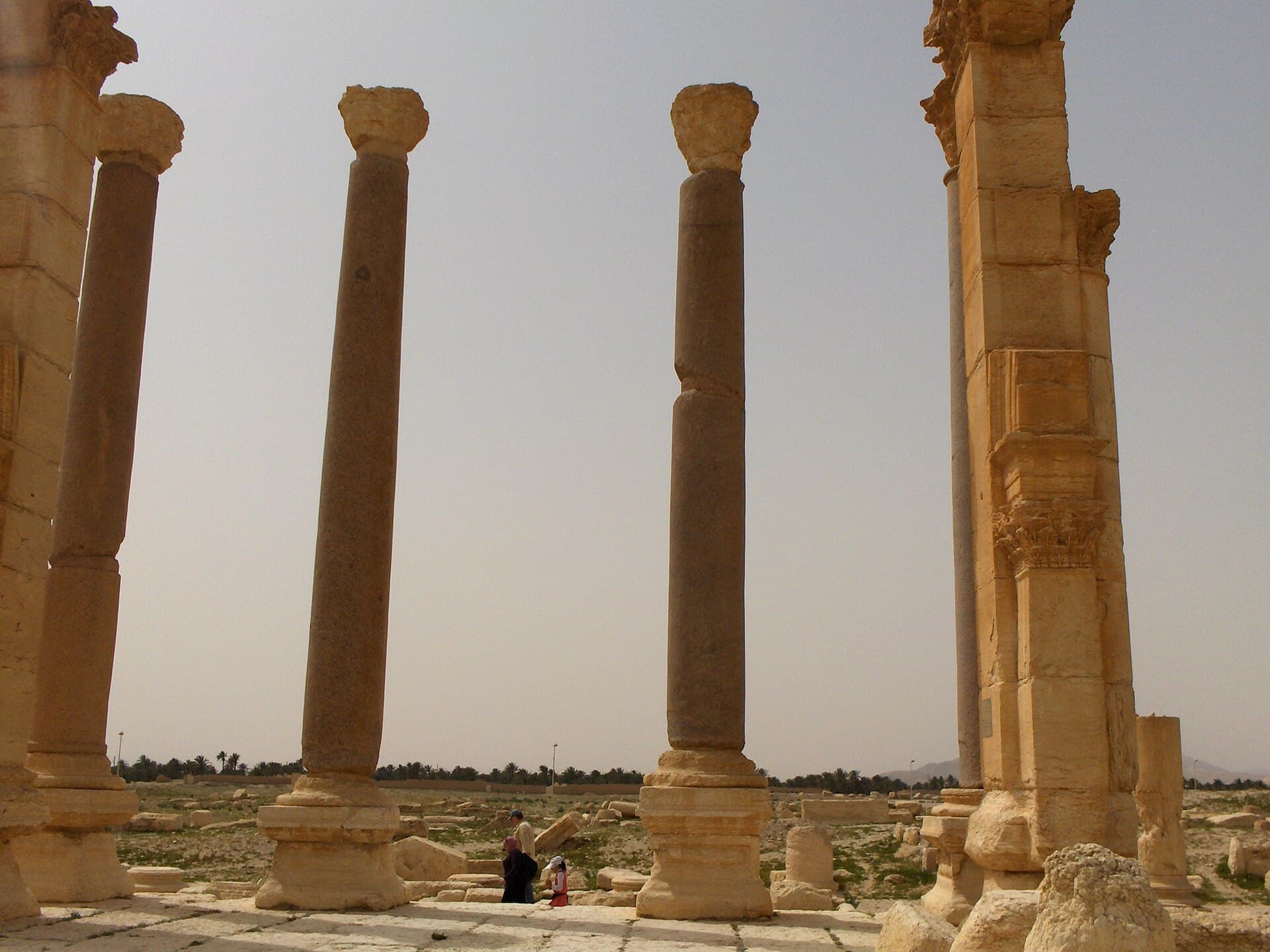 Palmyra · Roman period
The Baths of Diocletian at Palmyra
Four giant granite columns mark the entrance to a Roman bath on Palmyra’s colonnaded street. Each is over 12 metres tall; what else survives and where to find it.
Palmyra
- Palmyra · 2nd century AD
The Agora of Palmyra and the Tariff Court
Where Palmyra’s caravans paid tax: a 71 by 84 metre courtyard with 11 gates, and the court where the tariff of AD 137 was found. What remains and how long to allow.
Palmyra
- Damascus · 15th century
Al-Shadhbakiyya Mosque, Damascus
A Mamluk mosque of 1453 in Qanawat, Damascus: black-and-white banded stone, a muqarnas portal, a courtyard pool and the founder’s grave, a block south of Tankiz.
Damascus
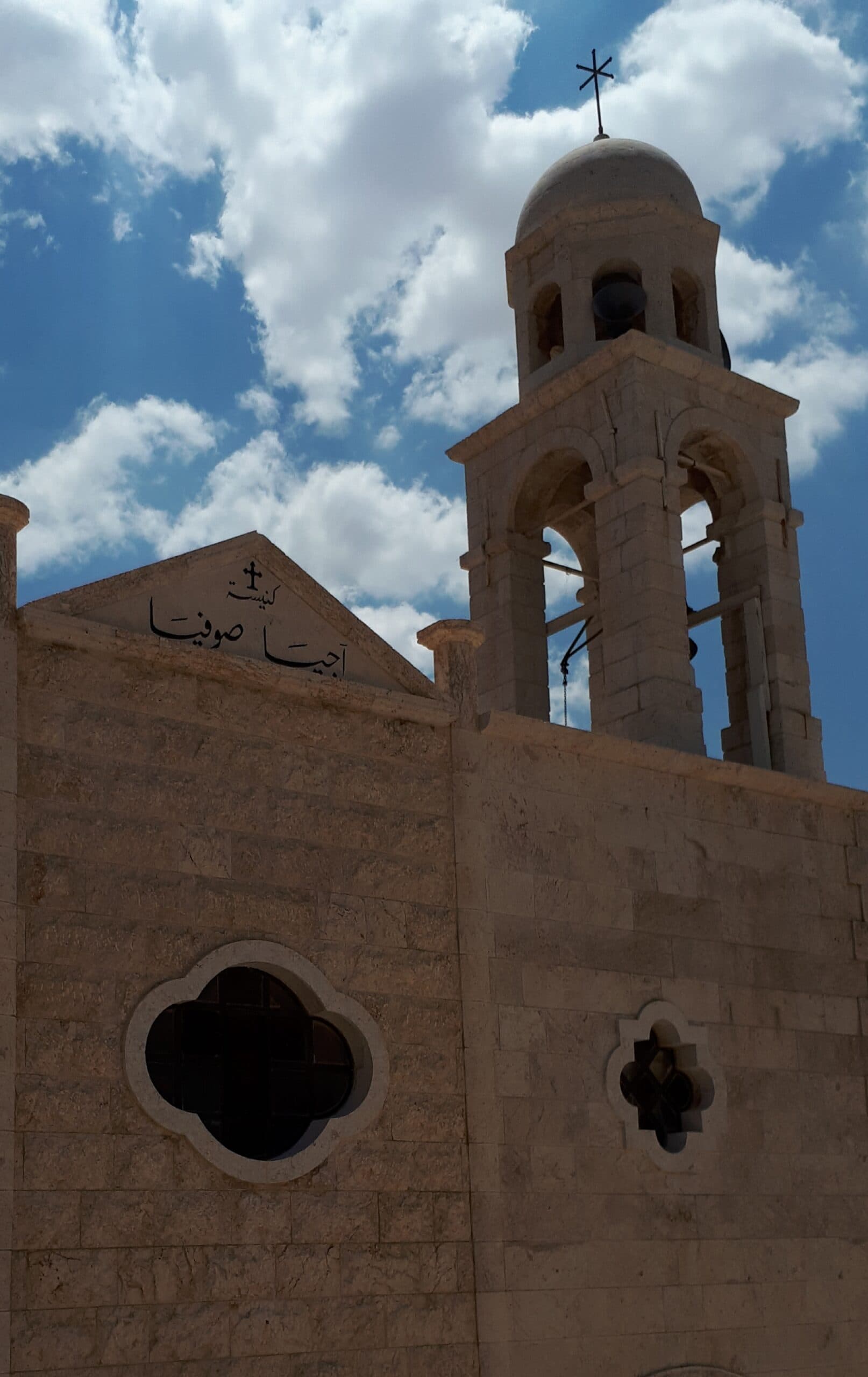 Saidnaya · icon museum
Hagia Sophia Church and Icon Museum, Saidnaya
A church below Our Lady of Saidnaya with a small museum of 65 historic icons and about 25 manuscripts, a short walk from the monastery. Opening hours unconfirmed.
Damascus