Syrian hammams: how a bathhouse works
The rooms, the order, the etiquette and what to bring. Men’s and women’s hours are separate and they shift — as does which bathhouse is open on the day.
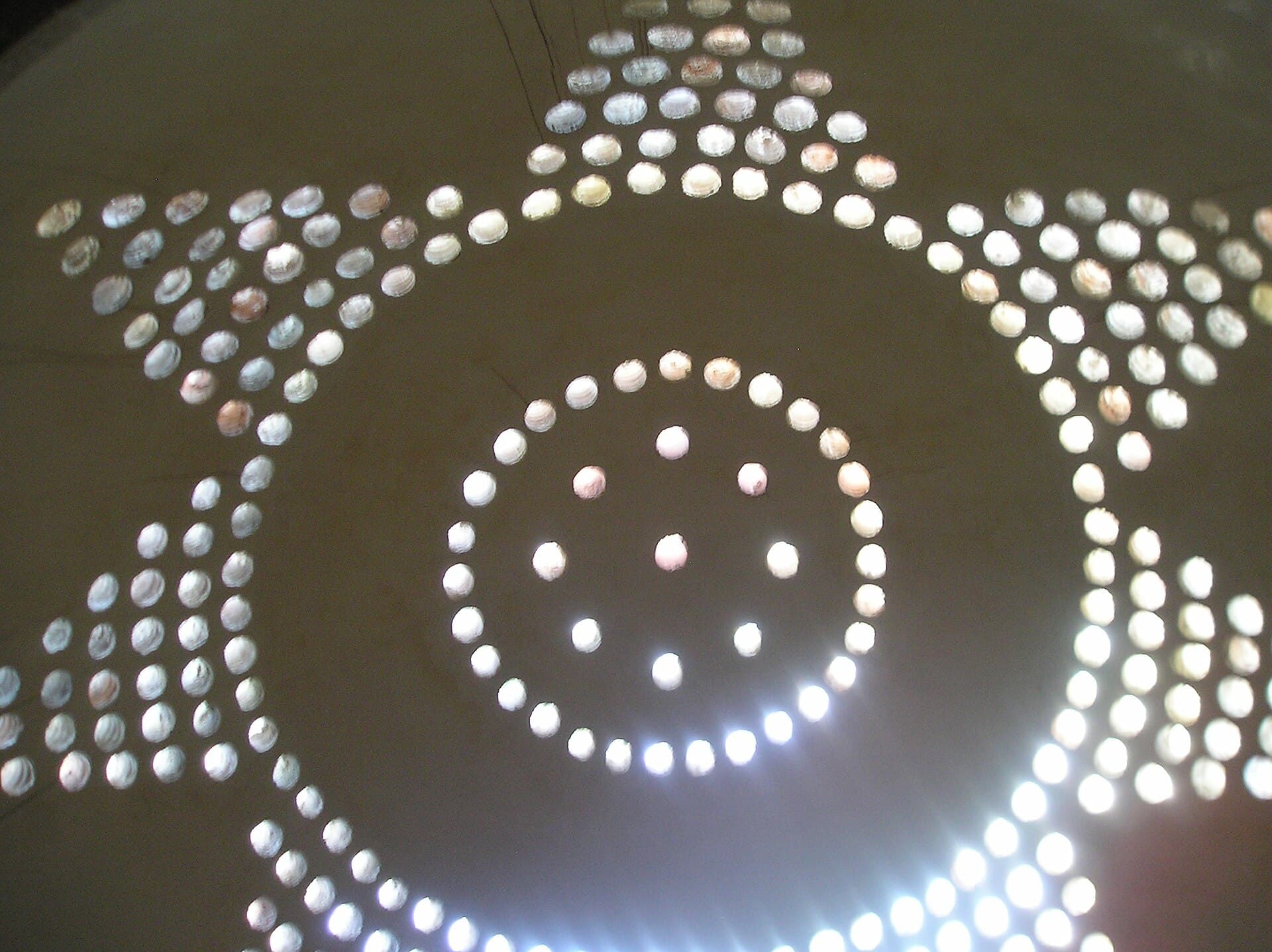
A Syrian hammam is a neighbourhood institution rather than a spa, and it is built like one: an ordinary door on the street, the real thing below and inside. This page covers how a bathhouse works, the order things happen in and what you need to bring — not which one to go to, because that answer changes with the season and the week.
Why the bathhouse is such an old institution
The earliest known Islamic bathhouses were built in Syria and Jordan under the Umayyads (661-750), as parts of palaces and desert lodges. The hammam did not arrive in the region later; it was already there while the cities were being laid out. In medieval Damascus and Aleppo it was the third common ground between the mosque and the souq — where the quarter’s water, warmth and gossip collected.
The rooms
The classic plan runs through three stages, and in Arabic the names simply mean outer, middle and inner.
- Mashlah — the disrobing hall. Usually the grandest room: high ceiling, a pool or fountain in the middle, benches around it. You sit here on the way in and on the way out.
- Barrani — the outer, cool room. Where the body is prepared for the heat.
- Wastani — the middle, warm room. Where sweating starts, and where most of the time goes.
- Juwwani — the inner, hot room. Domed and steamy, with a heated slab in the centre and basins around the walls.
The domes carry glass eyes: small round openings closed with coloured or frosted glass. Light falling through them shows as separate shafts inside the steam, and that is the whole design idea of the building. You can see the same arrangement in the domes of the Nur ad-Din bathhouse in Damascus and of Yalbugha on the citadel square in Aleppo.
The order of things
You pay at the door and are handed a wrap and slippers. You undress in the mashlah; ask about a locker or a safe for valuables. Then you move towards the heat: fifteen or twenty minutes sitting and sweating in the warm room, then the scrub.
The scrub is the centre of the whole business. An attendant takes off the dead skin with a coarse mitt — harder than a first-timer expects. Then a heavy soaping, then rinsing with water poured from a bowl. A massage is optional and involves joint cracking; say no at the start if you would rather not.
The soap is usually Aleppo laurel soap. When it is done you go back to the mashlah, dry off, sit and drink tea. That last part is not decoration but part of the process: walking straight from the heat into the street makes you dizzy. Allow an hour and a half.
What to bring
- Swimwear or underwear to keep on. The wrap stays on; there is no nudity in a hammam.
- Clean underwear and socks to change into.
- Slippers — usually provided, but your own are safer.
- Your own mitt and soap if you prefer. Both are sold on site.
- Cash. Cards are not taken, and the tip to the attendant is cash and separate.
Towel and wrap are usually included in the price, but not everywhere. One question at the door settles it.
Etiquette
The wrap stays on even when soaked; drying happens in the mashlah. You do not get into a basin — water is taken out with a bowl and the basin is shared. Not splashing soapy water on your neighbour is the first rule. Voices stay down, though silence is not expected either: a hammam is a noisy place, people just do not shout.
Photography: not in the inner rooms. Ask first even for the mashlah. Steam is bad for a camera anyway, but the real reason is that people are undressed in a shared room.
Men’s and women’s hours
Most historic bathhouses in Syria are a single building working on split hours. The common arrangement is women during the day and men in the evening and at night. It is not a rule, though. It varies between bathhouses and with the season, and some set aside particular days of the week for women.
So there is only one piece of advice: ask for that specific day before you go. Turning up in the wrong half and being sent away at the door is the most common thing that happens. For women the hammam is also a gathering: the bridal bath is still kept up, and on those days the place may be closed to one family.
Is anything still open
Yes, but the number has been falling for a long time and the war sped it up. The decline began in the middle of the 20th century as home bathrooms spread: 13 working bathhouses were counted in Damascus in 2004, and before the war, in 2010, around 18 were still running in the old city of Aleppo.
Nobody can give today’s figure with confidence, and this page will not invent one. What is known: the Nur ad-Din bathhouse in the Bzuriyya souq in Damascus is still working as a bathhouse where people actually wash, and a few others in the old city are open. Yalbugha on the citadel square in Aleppo was damaged in the war; whether it is in service varies, though looking at it from outside is always possible.
The practical route: ask where you are staying, or in a shop in the old city, which bathhouse is open today and what the hours are for men and for women. That information does not live in a written source; it is current on the street.
Tips
- Men's and women's hours are separate and shift — ask for that specific day
- The wrap stays on; wear swimwear or underwear underneath
- Bring clean underwear and socks to change into
- Carry cash; cards are not taken and the scrubber is tipped separately
- Allow an hour and a half — do not walk from the heat straight into the street
Transparency
- How this was chosen
- This page carries the fastest-ageing information on the site: visa rules, exchange rates, border crossings and SIM prices change several times a year. The verification date above says when the facts were last put through their sources; for anything later, check your own foreign ministry travel advice and a Syrian consulate. No figure that is not known for certain is written here.
- Facts checked
- August 2026
- Last updated
- September 15, 2026