Beach rules on Syria’s coast: swimwear, sea bans and lifeguards
Covered swimwear on public beaches, Western swimwear in hotels, no swimming on high-wave days: Syria’s Decision 294, the tourism police and where lifeguards work.
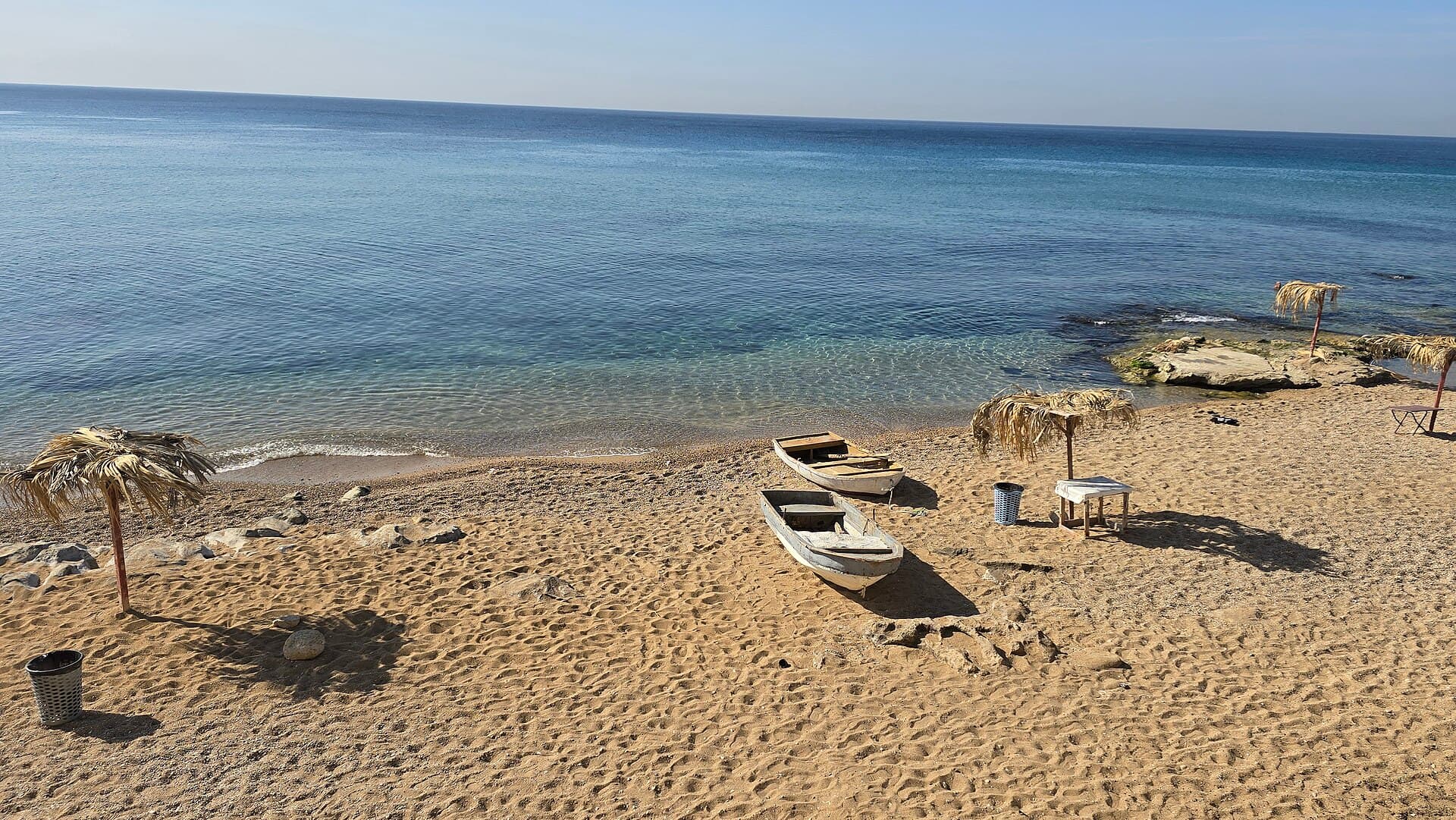
The rules for a beach day on Syria’s coast have been written down since 2025. The tourism ministry’s Decision 294 covers lifeguards, marked swimming areas and dress, and the tourism police enforce it at resorts and facilities. The sea has its own system: when waves rise, provincial emergency directorates ban swimming day by day. Below is what the decision says, who enforces it, when the sea closes and where lifeguards are on duty.
Where the rules come from: Decision 294
In June 2025 Tourism Minister Mazen al-Salhani issued a safety decision for beaches and swimming pools. It requires lifeguards and supervisors on beaches, clear signs showing where swimming is allowed, compliance with lifeguard instructions and with the beach flags that show the state of the sea, and clothing that respects “public taste”. According to deputy minister Ghiath al-Farah, such instructions had been renewed every season; the difference was that this time they came as a formal ministry decision.
When first announced, the decision was described as applying until the end of the 2025 season, after which it would be reviewed. The renewed text for the 2026 season could not be found when this page was written. The standards below follow the 2025 text, so it is still worth asking about that year’s rules at the beach entrance.
What to wear on a public beach
According to international press reports quoting the ministry statement, women on public beaches and at public pools are asked to wear a burkini or swimwear that covers more of the body. Away from the swimming area, loose clothing covering the shoulders and knees is recommended, and see-through or very tight clothes are to be avoided. Men may not go bare-chested outside swimming areas, in hotel lobbies or in restaurants.
The ministry describes the same decision differently. The deputy minister told SANA it bans no type of swimwear and, on the contrary, allows the burkini, which had been barred on almost all beaches under the former government. Where the two accounts meet is this: on a public beach, covered swimwear causes no trouble and revealing swimwear may. The general standard for streets and towns is on the what to wear page.
Hotel beaches and private clubs
The decision makes an exception for hotels rated four stars and above, and for private beaches and clubs, where Western-style swimwear is allowed. This page names none of them: the site recommends no place that serves alcohol, and at most large resorts that cannot be checked. The exception ends where the property ends. Step off it onto a public beach and the public-beach standard applies.
Who enforces the rules
The tourism police. According to the deputy minister, inspections of facilities under Decision 294 are carried out only by the tourism police. Its first class graduated in Tartus on 17 May 2026, at a ceremony attended by the ministers of the interior, social affairs and tourism. The interior ministry describes the unit’s job as protecting tourist and archaeological sites and keeping visitors safe.
When is the sea closed?
When the waves rise, province by province and day by day. One example: on Thursday 23 July 2026 the Tartus Directorate of Emergencies and Disaster Management told people not to enter the sea “under any circumstances” that day and the next. Latakia asked people over the same period not to swim, not to go out in small boats or inflatables, and to keep away from the beach and the breakwaters. Civil Defence also asked for fishing trips to be postponed.
During the warning, coast guard teams from the General Directorate of Ports stepped up patrols. According to the officer in charge at the Blue Beach post, no drownings were recorded in that time, and by a statement dated 26 July the sea was fit for swimming again. Warnings go out through the official channels of governorates and provincial directorates and through SANA. On the beach itself the decision spells out the rule: the lifeguard’s instruction and the beach flag have the final word.
Where are lifeguards on duty?
Not on every beach. On 30 June 2026 the Tartus branch of the Syrian Arab Red Crescent graduated the year’s first class of its sea and water rescue course at Karnak beach. The branch called it the first step towards teams that can respond to drownings all year round, and said the project would soon get rescue boats. Watchtowers are going up on public beaches, and the next course is reserved for women. The southern strip where Karnak lies is described on the where to stay in Tartus page. On a beach without a tower there may be no flag and no supervisor either, and the decision is entirely yours.
Free public beaches and leased sections
The coast has two kinds of beach: public beaches open to everyone free of charge, and sections leased to operators. In August 2025 the transport minister, describing a 44-kilometre coastal road project between Latakia, Jableh and Baniyas, said it would balance offering the beach to the public for free with opening some spots to investment. On Latakia’s southern corniche the municipality allows only open, temporary rest areas for the 2026 season. A leased section may charge at the entrance; this page gives no figures. For a full week’s plan, see a week on the coast.
Tips
- On public beaches, covered swimwear or a burkini causes no trouble; revealing swimwear may
- Put something on when you leave the water: shoulders and knees covered outside the swimming area
- High-wave bans are announced day by day; check the governorate notice before heading out
- A beach without a watchtower may have no flag and no supervisor
Transparency
- How this was chosen
- This page carries the fastest-ageing information on the site: visa rules, exchange rates, border crossings and SIM prices change several times a year. The verification date above says when the facts were last put through their sources; for anything later, check your own foreign ministry travel advice and a Syrian consulate. No figure that is not known for certain is written here.
- Facts checked
- September 2026
- Last updated
- September 15, 2026