Qamishli
A hundred-year-old city built by refugees on the Turkish border in 1926, and the way in to Urkesh and Shubat-Enlil. What is here now and how to travel it.
- Founded
- A town of Assyrian refugees, 1926
- Best season
- April–May, September–October
Qamishli is a hundred years old. Where there was almost nothing, Assyrians fleeing the Assyrian genocide from north-western Iran and southern Turkey built a town and called it Bet-Zalin, Syriac for house of reeds. In 1926 the French Mandate opened a station here on the Taurus railway and the place was renamed Qamishli — the same words in Turkish, the place of reeds. Nusaybin, on the other side of the border, begins where these streets end.
Where to start
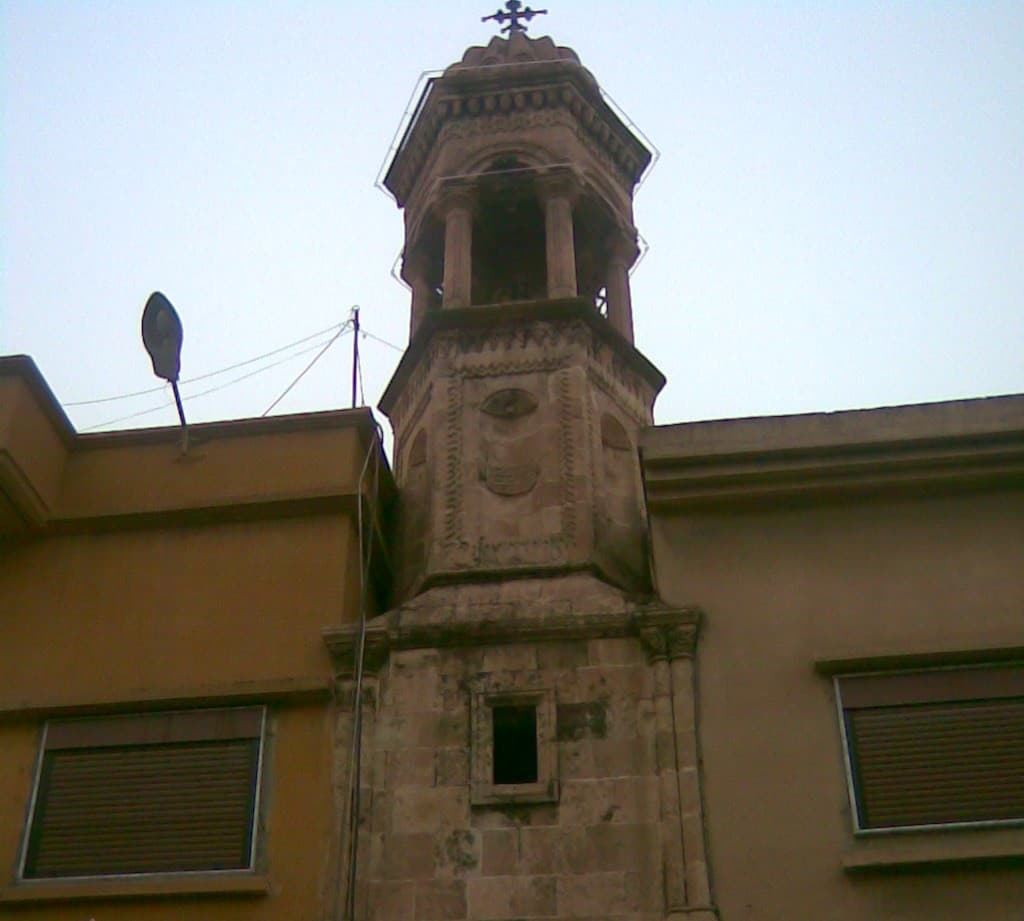
On the line of churches. There are eleven in the city — Syriac Orthodox, Syriac Catholic, Assyrian, Chaldean, Armenian Orthodox, Armenian Catholic and Protestant — and most of them stand within a few central streets. Those streets are the only document of how Qamishli was made. Most of the churches, the schools and the hospital were paid for between the 1920s and the 1940s by Asfar and Najjar, a company that grew rich on the wheat trade. One of its founders, Masoud Asfar, had survived the Diyarbakır massacres of 1895 as a small child.
In the city
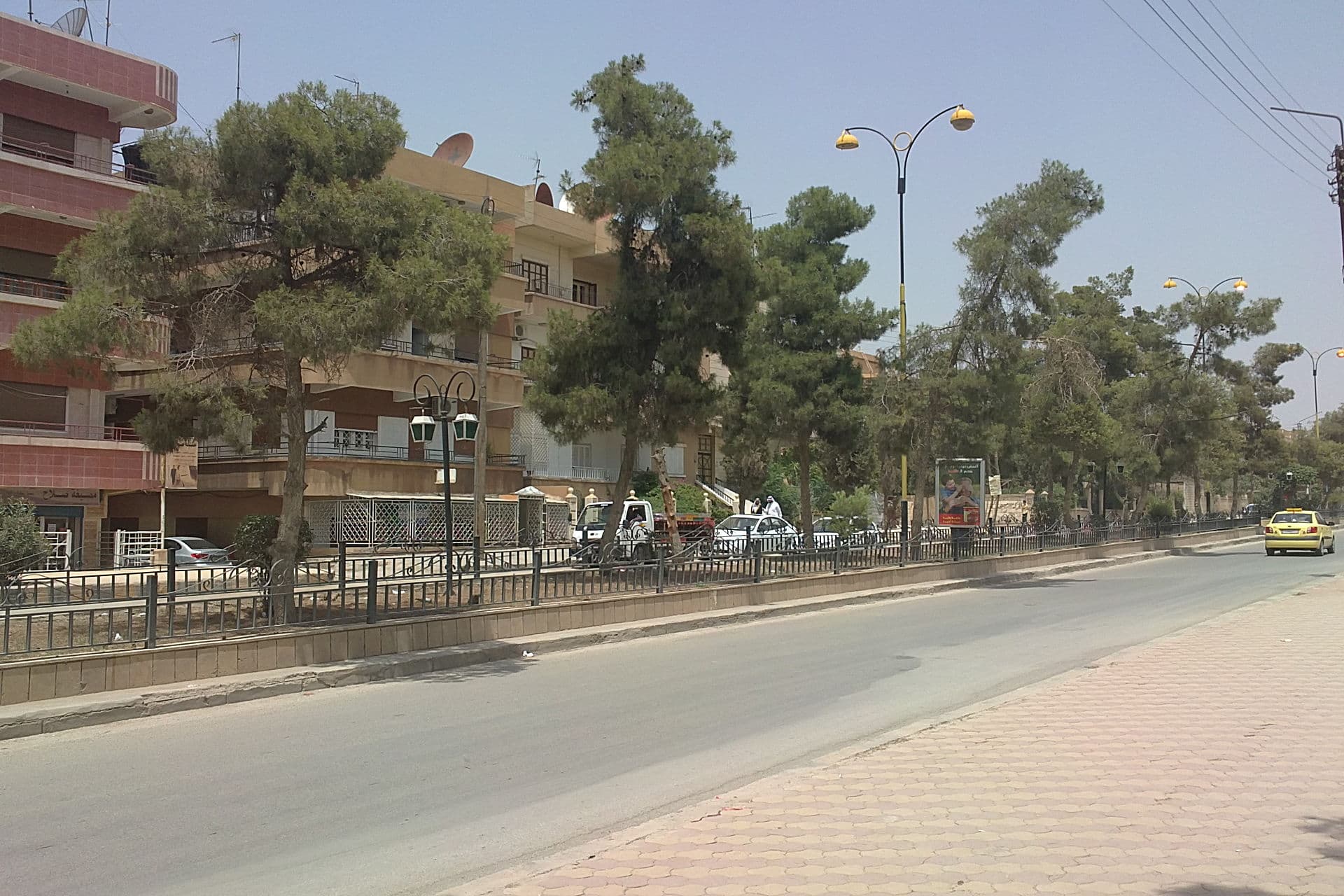
Qamishli is not a city of monuments but a border city: wide avenues lined with pines, shops, taxis, a market. Kurdish, Arabic, Syriac and Armenian are all heard on the same street. The calendar shows it most plainly: a Christmas parade closes the streets in December, Newroz is kept in March, and the Assyrian new year of Kha b-Nisan is walked on the first of April. Qamishli also had a Jewish community of 3000 people in the 1930s, most of them from Nusaybin; not one of them remains. The Christian population was around forty thousand before the war, and by 2014 about half had left. The city saw no large-scale battle during the war and its fabric is intact.
Around it
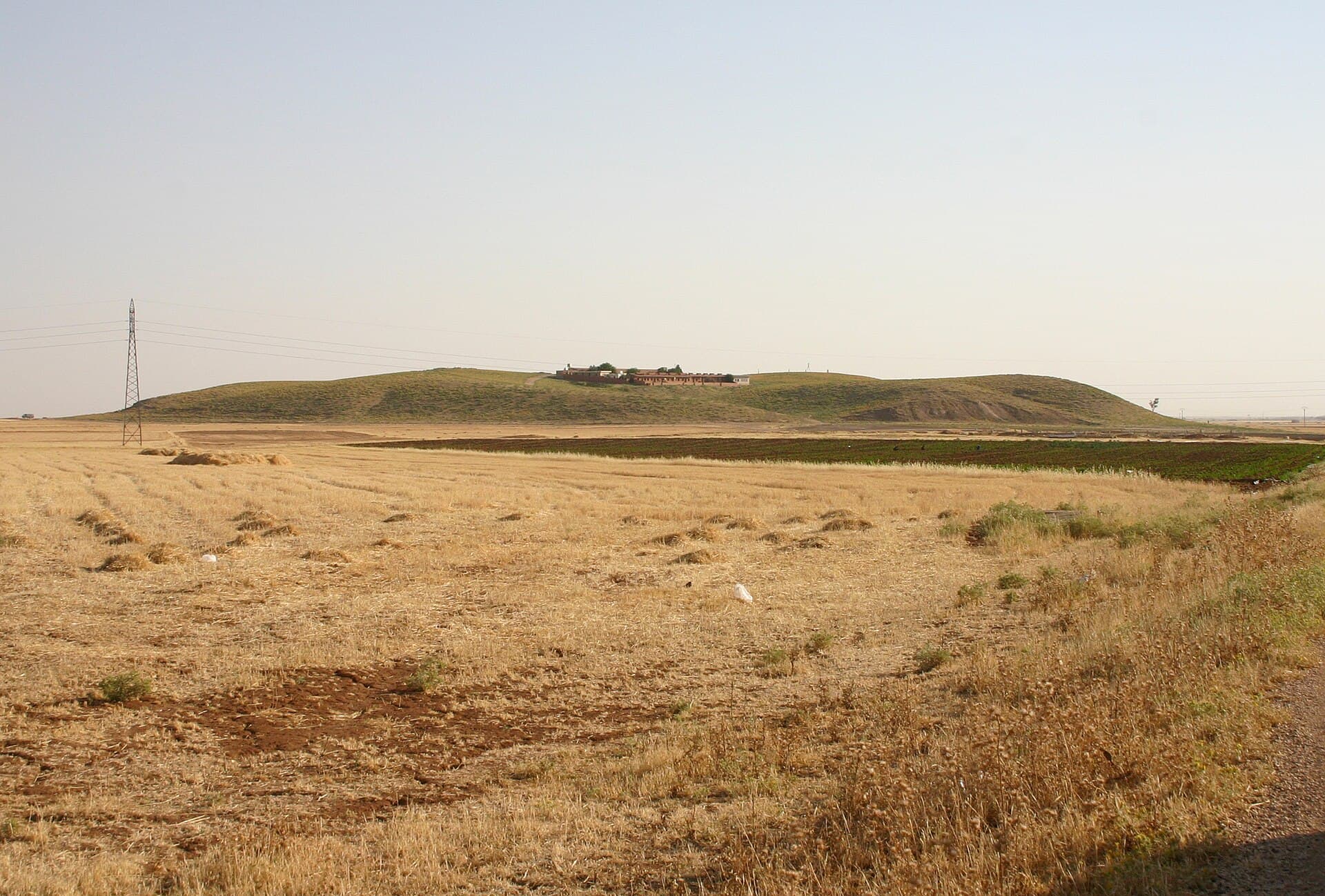
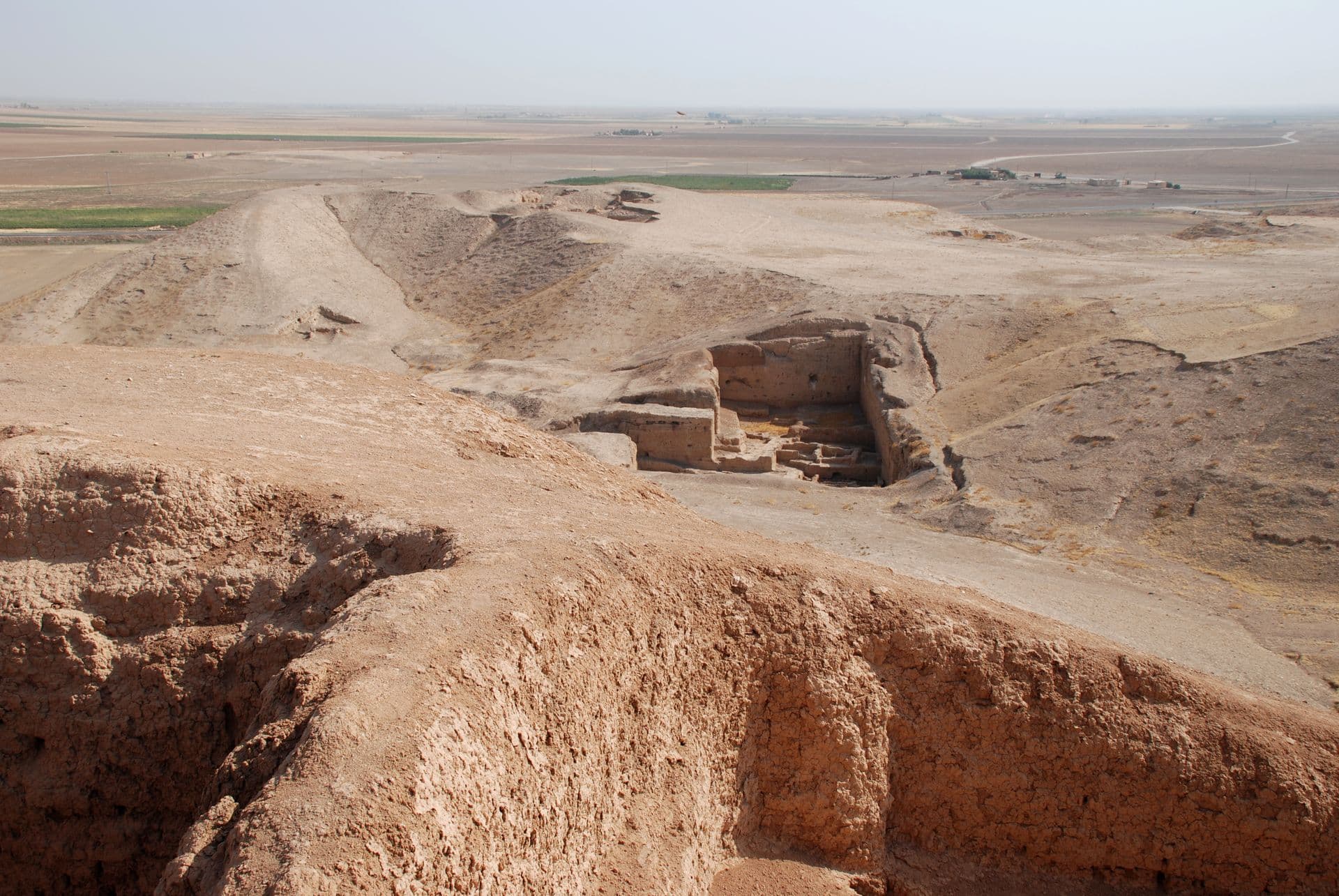
Qamishli sits between two great tells. Tell Mozan — ancient Urkesh, the holy city of the Hurrians — is 24 kilometres west, beside Amuda. Tell Leilan — Shubat-Enlil, the capital of Shamshi-Adad — is 34 kilometres south-east. Both are mud brick: no standing colonnades, but on both of them the plan of a city can be read on the ground. If you can go further, the single arch of the Ain Diwar Bridge stands 112 kilometres east above the Tigris plain.
Safety and access
Through the war years this region was run by an autonomous administration separate from Damascus, and Qamishli was for a time its centre. In January 2026 fighting broke out with the transitional government; at the end of that month an agreement set out a gradual military and administrative merger, and government forces entered the city at the start of February. On 20 August 2026, during the city’s centenary celebrations, the integration of the north-east’s institutions into the state was declared complete; five days later the armed force was declared dissolved. None of that means the region is considered safe. Remnants of ISIL still mount attacks in the countryside, unexploded ordnance is a reported hazard where the front line ran, and official travel advice stays at its highest level for the whole of Syria. The city is pressed against the border, so keep away from the border line itself. Take no photographs at checkpoints or military sites. Ask locally about the road on the day before you drive out to the tells, and do not travel between cities after dark.
When to go
Summers here are dry and hot, winters cold and wet; a little over fifty days of rain fall in a year and January is the coldest month. April to May and September to October are the easiest windows. For the tells, spring is clearly the better half: the plain is green and the mornings are cool.
Getting there
About 790 kilometres from Damascus by road. Hasakah is 84 kilometres south. The city has an airport and flights run between here and Damascus, but the schedule changes often, so confirm before you buy. No public transport goes to the tells; you need a car and a driver who knows the area.
Highlights
- Eleven churches of seven congregations gathered into a few central streets
- The Christmas parade in December, Newroz in March, Kha b-Nisan in April
- The palace of Tupkish at Urkesh under its conservation covers, 24 kilometres west
- The straight street from gate to temple terrace at Shubat-Enlil, 34 kilometres south-east
- The lone pointed arch standing over the Tigris plain at Ain Diwar, 112 kilometres east
Where to stay
Qamishli is the second city of the region and rooms exist, but the choice changes from month to month. Arrange a place in advance, carry cash, and phone to confirm before you arrive. There is nowhere to stay beside the tells; all of them are day trips from town. Do not drive the rural roads at night, and plan to be back before dark.