A week on the coast: Latakia and Tartus
Seven days split between two bases, Latakia in the north and Tartus in the south. A day-by-day plan, the distances, the seasons, and what people wear on the beach.
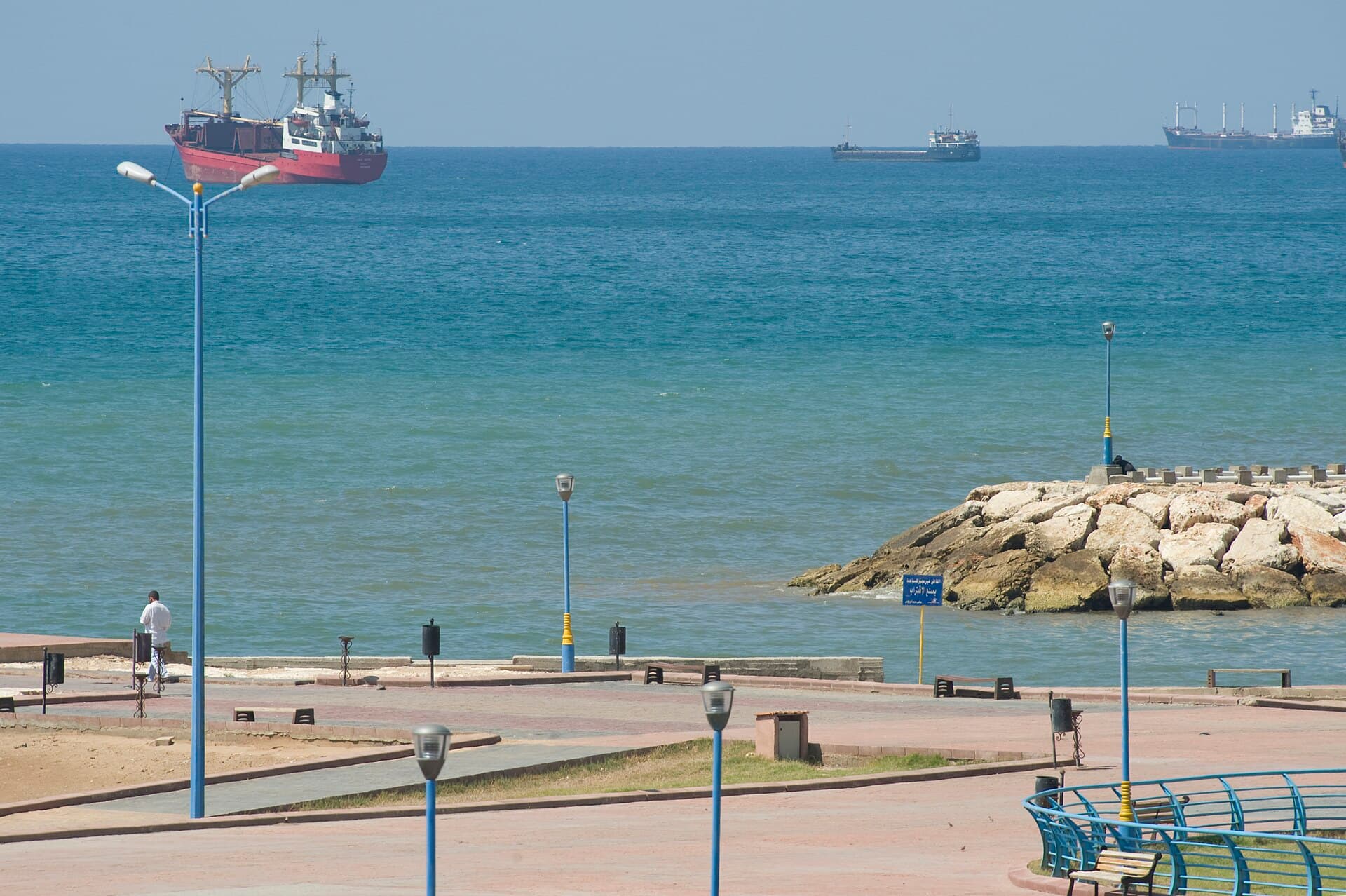
The Syrian coast feels like a different country from the interior: humid, green, turned towards the sea. Give it a week and two bases are enough — Latakia in the north, Tartus in the south — and the 90 kilometres between them are covered in a single day, with stops along the way. The plan below is built on the coastal routes on this site.
What this week assumes
Sleeping is concentrated in two places: four nights in Latakia, three in Tartus. Staying central in both helps, because that is where a car is easy to find in the morning. The walking inside the cities is on foot; every stop outside them wants a car with a driver. The coast road is paved and flat, but the branches that turn inland are winding and slow, so do not be fooled by how short the distances look.
Day one: Latakia and Ugarit
Half a day covers the city — the corniche, the Roman columns in the centre, and the museum housed in a sixteenth-century Ottoman khan opposite the port. Its halls were shut for a long stretch, so check before you go. In the afternoon head north to Ugarit, 11 kilometres out, the mound where one of the earliest alphabets was found. A morning would have been better, but there is no shade on the mound at any hour; take a hat and water whenever you go.
Day two: Kessab and Saladin Castle
A full day around Latakia: 160 kilometres and nine hours. Kessab sits at 800 metres among pine forest, and while the coast bakes in summer it stays cool up there. Saladin Castle stands on a ridge between two valleys; the needle of rock left standing in the hand-cut ditch to carry the bridge is still there, and it is the part of the castle that looks least explicable. There is no shade in the castle in summer, so spring and autumn are this stop’s season.
Day three: the northern end of the coast
Ras al-Bassit is 53 kilometres north of Latakia and its sand is dark — wet, it turns black outright. The distance looks short, but the last stretch is a winding forest road over the mountain and takes about two hours by car. There are managed beach sections along the shore, and the open public strip between them is free. The border runs close to the north, so ask about the road before continuing that way.
Day four: south along the coast
This day is also the moving day. Jableh is 25 kilometres south of Latakia: the market is built around a Roman theatre, with vaulted passages and a fishing harbour in the same weave. Further on, south of Baniyas, Marqab Castle stands on a basalt headland over the sea; go in the afternoon, when the light off the water turns west. Be in Tartus by evening. With the stops the day comes to 130 kilometres.
Day five: Tartus and Arwad
The old city of Tartus sits inside a Crusader fortress and is still lived in: the houses were built into the wall, between the towers. The walk from the cathedral into the lanes inside the fortress is 1500 metres. Time it for late afternoon and the stone takes the light head on. In the afternoon take a boat from the jetty: Arwad is 3 kilometres offshore, the only inhabited island in Syria, and the crossing is twenty minutes. Its lanes are too narrow for a car and wooden boats are still built there by hand. Ask about the last boat as you board; the island is a day trip.
Day six: inland, to the castles
Three stops and 101 kilometres in one day from Tartus: the Red Castle on the plain, the white tower of Safita, and Husn Suleiman at 950 metres. The last is not a castle but a Roman temple precinct built from enormous blocks, and the altitude keeps it cool even in summer. The road climbs, so make an early start.
Day seven: leave it empty, or carry on south
Leaving the seventh day empty is not waste in this plan: six days have gone in cars and on foot. If you want to use it there are two directions. South is Amrit, a Phoenician town spread through olive groves, where the shrine standing in the middle of a rock-cut pool has no equal in the region. East is Krak des Chevaliers: you climb from Tartus towards Homs, and the coastal week joins the interior there.
Season: a crowded summer, a wet winter
The swimming season runs from May to October. July and August are humid and crowded, prices rise and rooms get harder to find; June and September give you the same sea with fewer people. Kessab and the mountain villages work the other way round, being cool while the coast bakes. Winter on the shore is wet, but the cathedral, the castles and the museum do not mind rain — winter is the quiet season for seeing ancient towns and fortresses on this coast. Ras al-Bassit and the beach days are what drop out in those months.
What people wear on the beach
This is worth saying plainly, because most visitors arrive with the wrong expectation. The Syrian coast does not work like the northern shore of the Mediterranean. On public beaches most women swim in loose clothing or a full swimsuit, bikinis are not common, and going topless does not happen at all. For men, shorts to the knee are normal. Some hotels and managed beach sections are more relaxed; ask what the rule is on that stretch when you arrive rather than assuming it.
The measure to apply is the same as in the rest of the country: take what you see around you and go one notch more careful. Put something on when you come out of the water, and do not walk from the beach into the market in a swimsuit. None of this is forbidden. It only settles how you read to other people, and it makes the trip itself easier.
Tips
- Split the week in two: four nights in Latakia, three in Tartus
- On mountain branches judge by hours, not distance; the roads are slow
- Ask about the last boat back from Arwad as you board
- July and August are humid and crowded; June and September are steadier
- Loose clothing is normal on the beach; cover up when you leave the water
Transparency
- How this was chosen
- This page carries the fastest-ageing information on the site: visa rules, exchange rates, border crossings and SIM prices change several times a year. The verification date above says when the facts were last put through their sources; for anything later, check your own foreign ministry travel advice and a Syrian consulate. No figure that is not known for certain is written here.
- Facts checked
- September 2026
- Last updated
- September 15, 2026