Down the Syrian coast: Latakia to Tartus in 2 days
Ugarit, Jableh, Margat, Amrit and Arwad on one coastal line. 130 kilometres over two days, with distances, timings and the boat crossing out to the island.
- Duration
- 16 hours
- Distance
- 130 km
- Difficulty
- Easy
- Best season
- April-June, September-October
- stops
- 5
- City
- Latakia
The Syrian coast offers five separate layers over the 130 kilometres from north to south: a Bronze Age mound, a Roman theatre, a Crusader castle above the sea, a Phoenician city and the country’s only inhabited island. All of them sit on the same road, and the road never leaves the shore. It can be squeezed into a day, but then you have to give up Arwad, which needs half a day on its own. Two days and a night in Tartus is the honest version.
The road
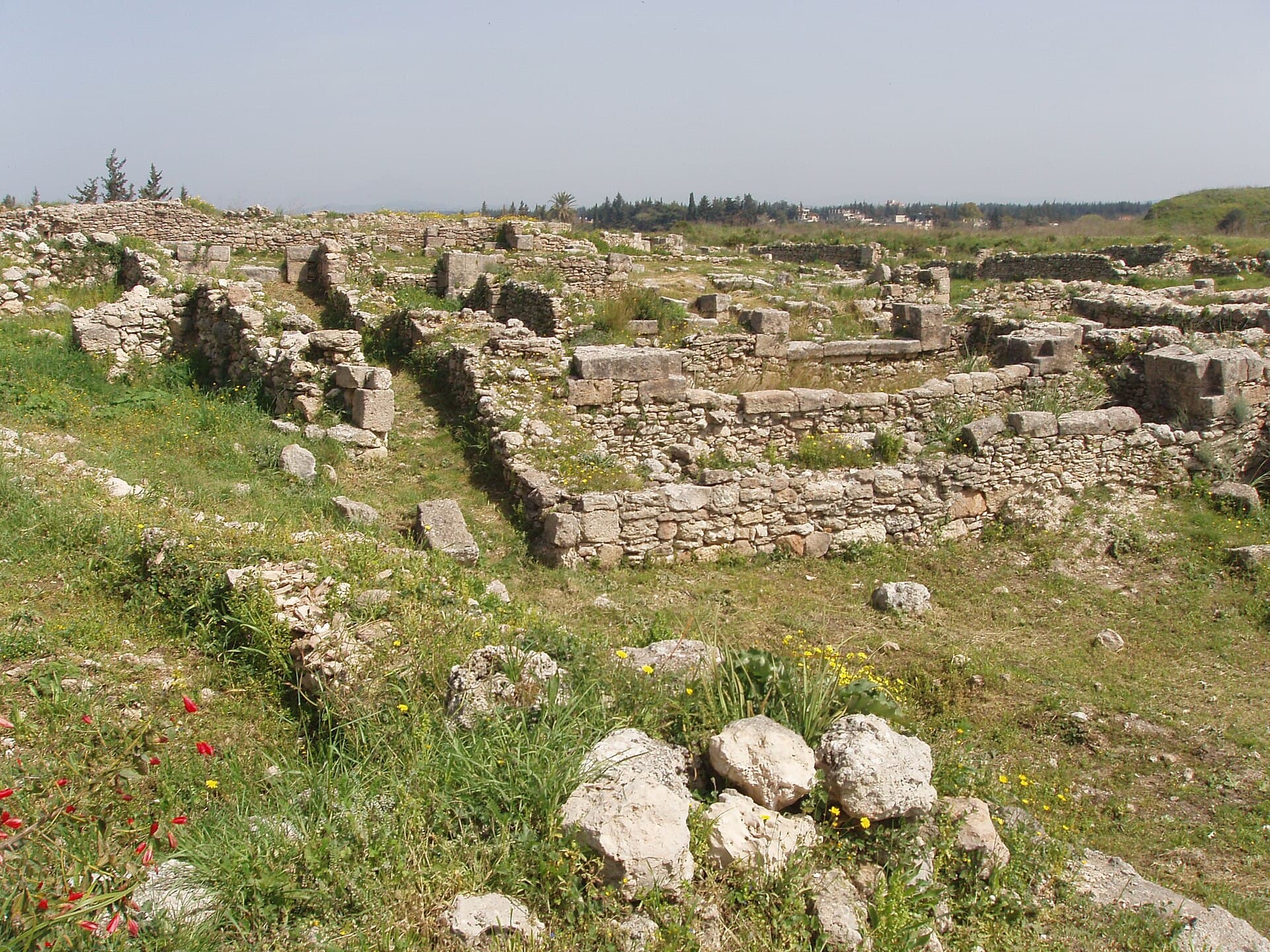
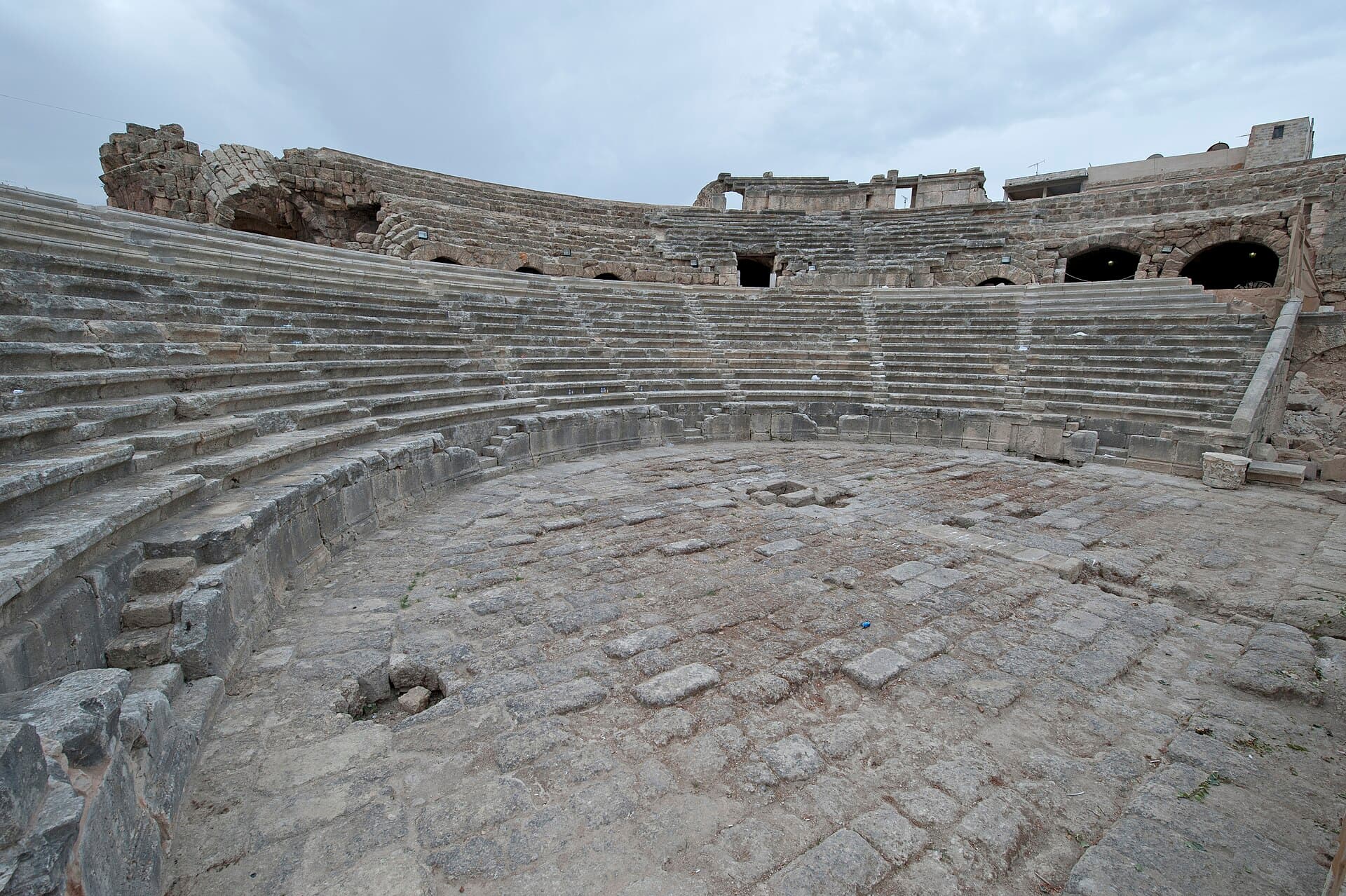
Head north out of Latakia and turn off for Ugarit, 10 kilometres. It is a short detour, but the oldest layer of the trip is there. Then back and south: Jableh is 36 kilometres on, and the theatre stands in the middle of town, a few streets in from the coast road.
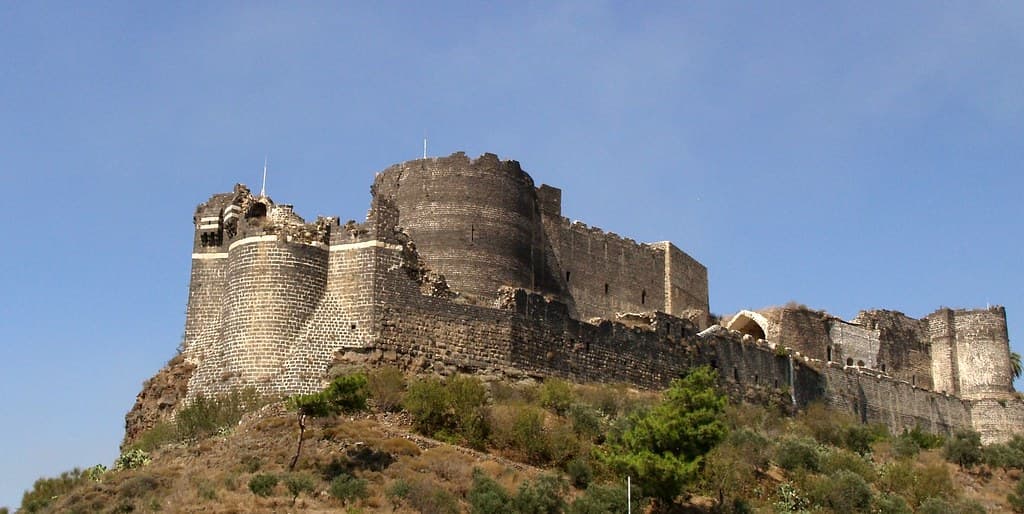
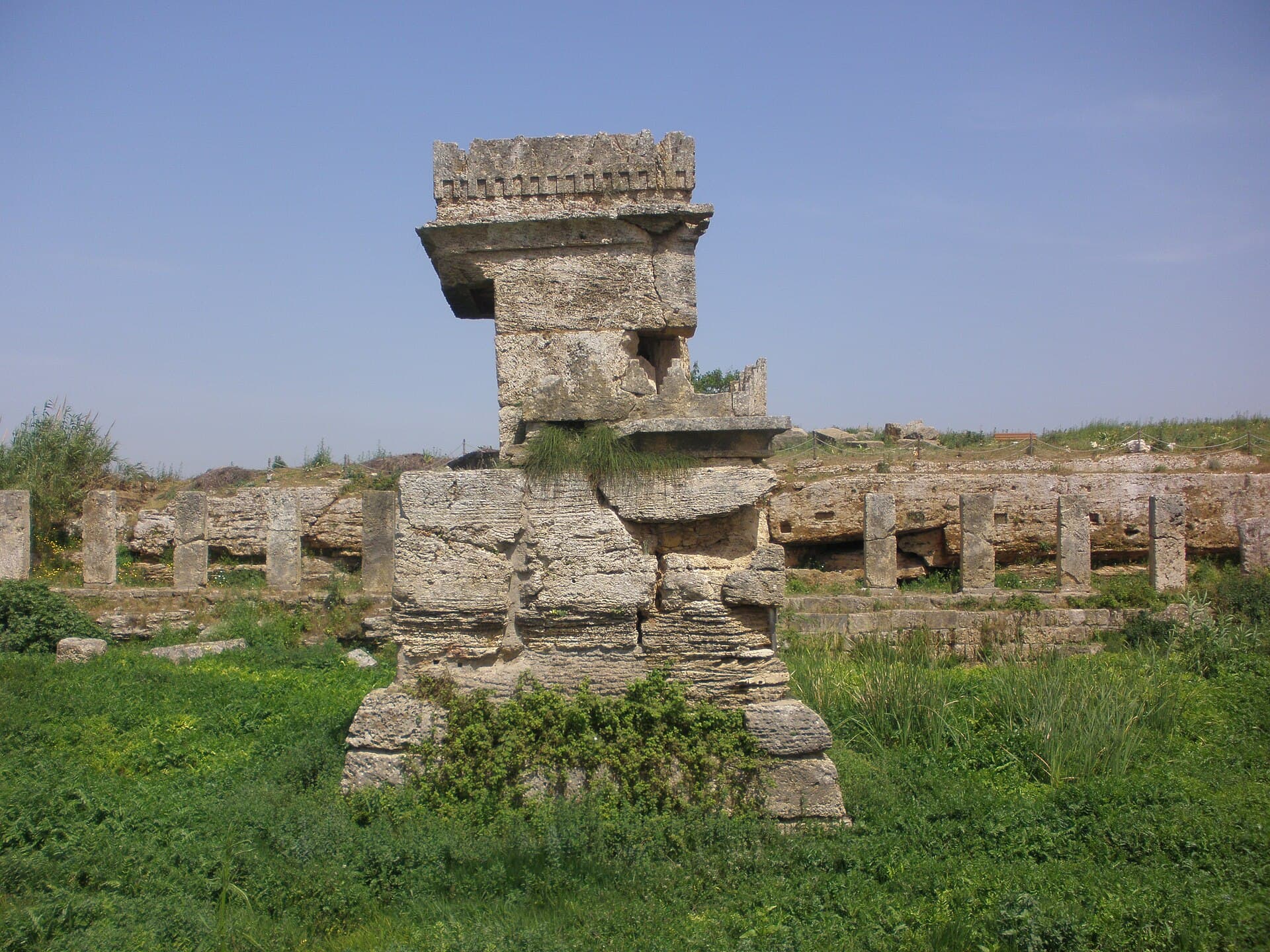
From Jableh to Margat Castle is 31 kilometres. Past Baniyas the castle appears on its basalt spur above the sea, with a short climb at the end. From there you carry on south and spend the night in Tartus. On day two, counting from Margat, Amrit is 43 kilometres; the site lies south of Tartus, spread through olive groves. It is 10 kilometres back from Amrit to Tartus harbour. Arwad lies three kilometres offshore and is reached by boat.
Timing
Leave Latakia at 08:00 on day one. There is no shade at Ugarit, so push it into the first hour of the day; 90 minutes is enough. Reach Jableh around midday — the theatre takes 45 minutes and the seating is in shade in the morning. Margat is right in the afternoon: black basalt heats up in the midday sun, and when the sea light turns west the horizon opens from the west walls.
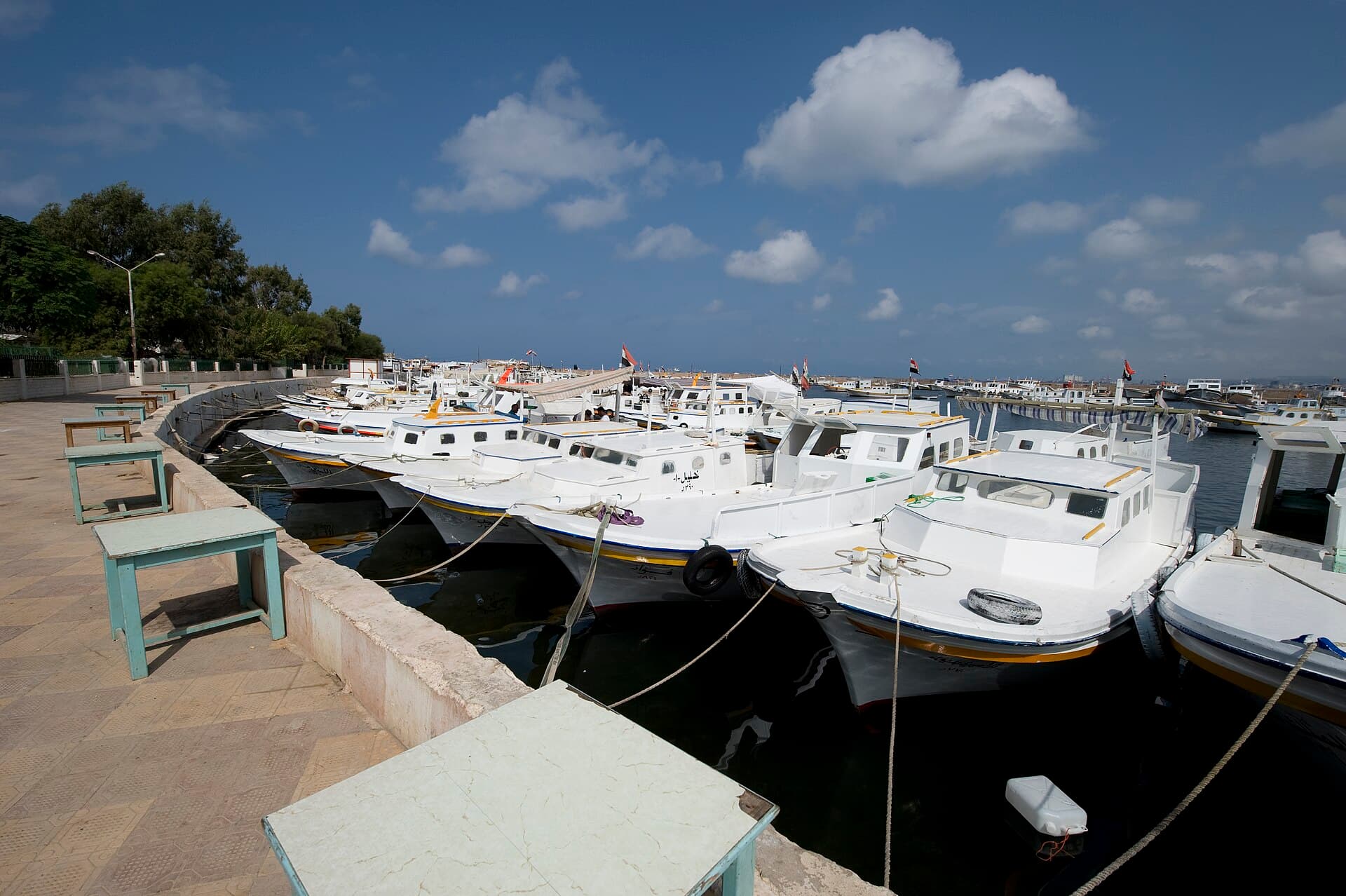
On day two go to Amrit in the morning, while the open ground is still cool. In the afternoon come back to the harbour and cross to Arwad. Three hours goes on the island: the lanes are too narrow for cars, and wooden boats are still built there by hand. Ask for the time of the last boat back before you board.
Take care
The route is driven, but the last leg is a boat. On Arwad the fare and the castle entry are paid separately — ask about both before boarding. Ugarit and Amrit are remote open sites, a keeper is not always there, and no fixed entry tariff could be verified. Repair work continues at the theatre in Jableh and sections may be closed. The coast road is busy in summer and the way out of Tartus slows at midday. Bring water and a hat: four of the five stops have no shade.
The route on a map
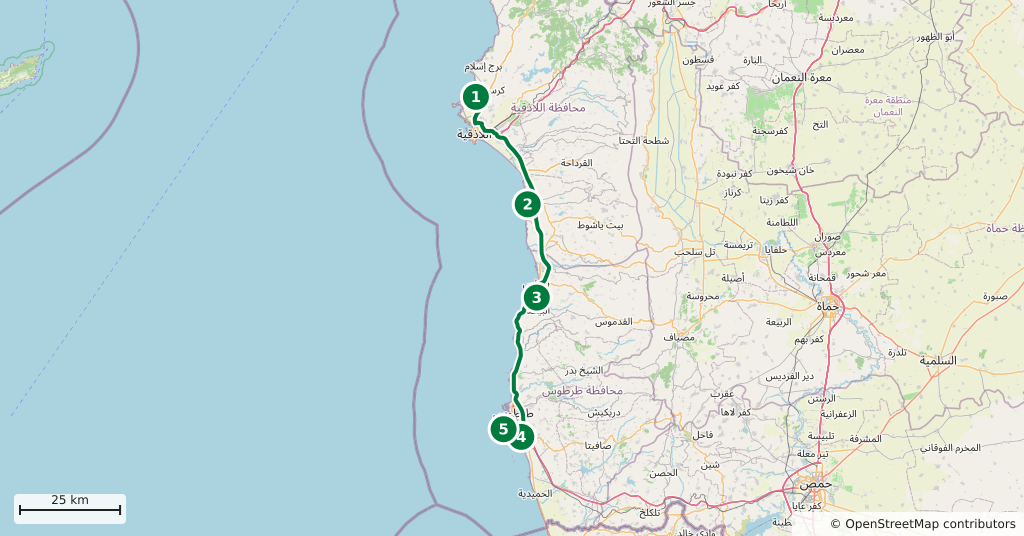
Stops along the route
- 01
- 02
- 03
- 04
- 05
Gallery
Transparency
- How this was chosen
- The stops and their order were set by hand. The line on the map is real road geometry, not a straight hop between pins; distance and duration belong to that itinerary.
- Facts checked
- August 2026
- Last updated
- September 15, 2026