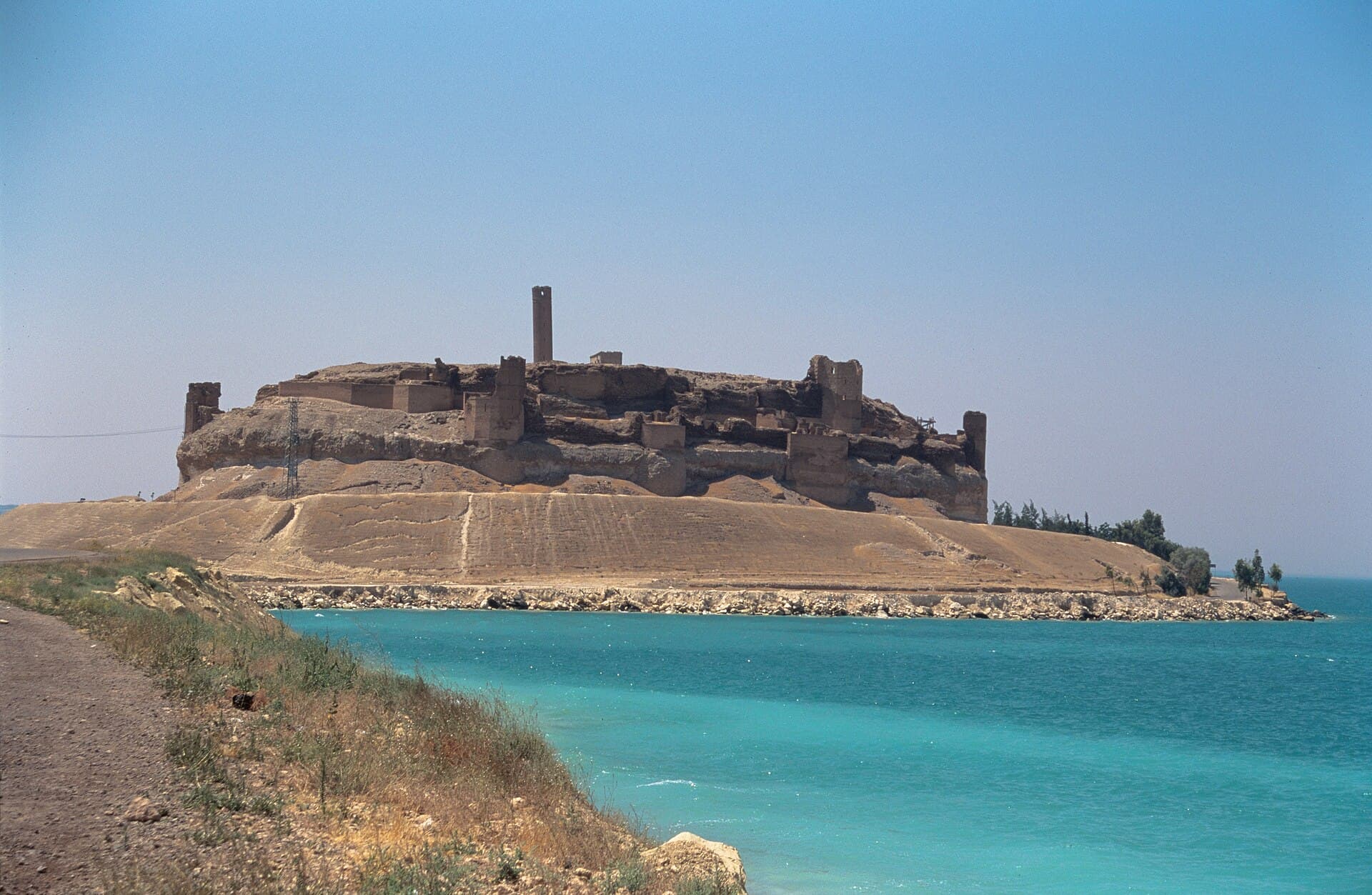
Raqqa
A city on the north bank of the Euphrates that was the Abbasid capital for twelve years. What still stands in Raqqa, whether you can go, and what to ask.
- Founded
- 3rd century BC (Nikephorion)
- Best season
- March–May, October–November
Raqqa sits on the north bank of the Euphrates, 200 kilometres east of Aleppo. The city’s name comes up once in Abbasid history: in 772 the caliph al-Mansur had a garrison city called al-Rafiqa built here, and in 796 Harun al-Rashid moved his court to it and lived here for twelve years. That is not what readers are asking about Raqqa now. They are asking what state the city is in after the war, and this page answers that first.
What still stands
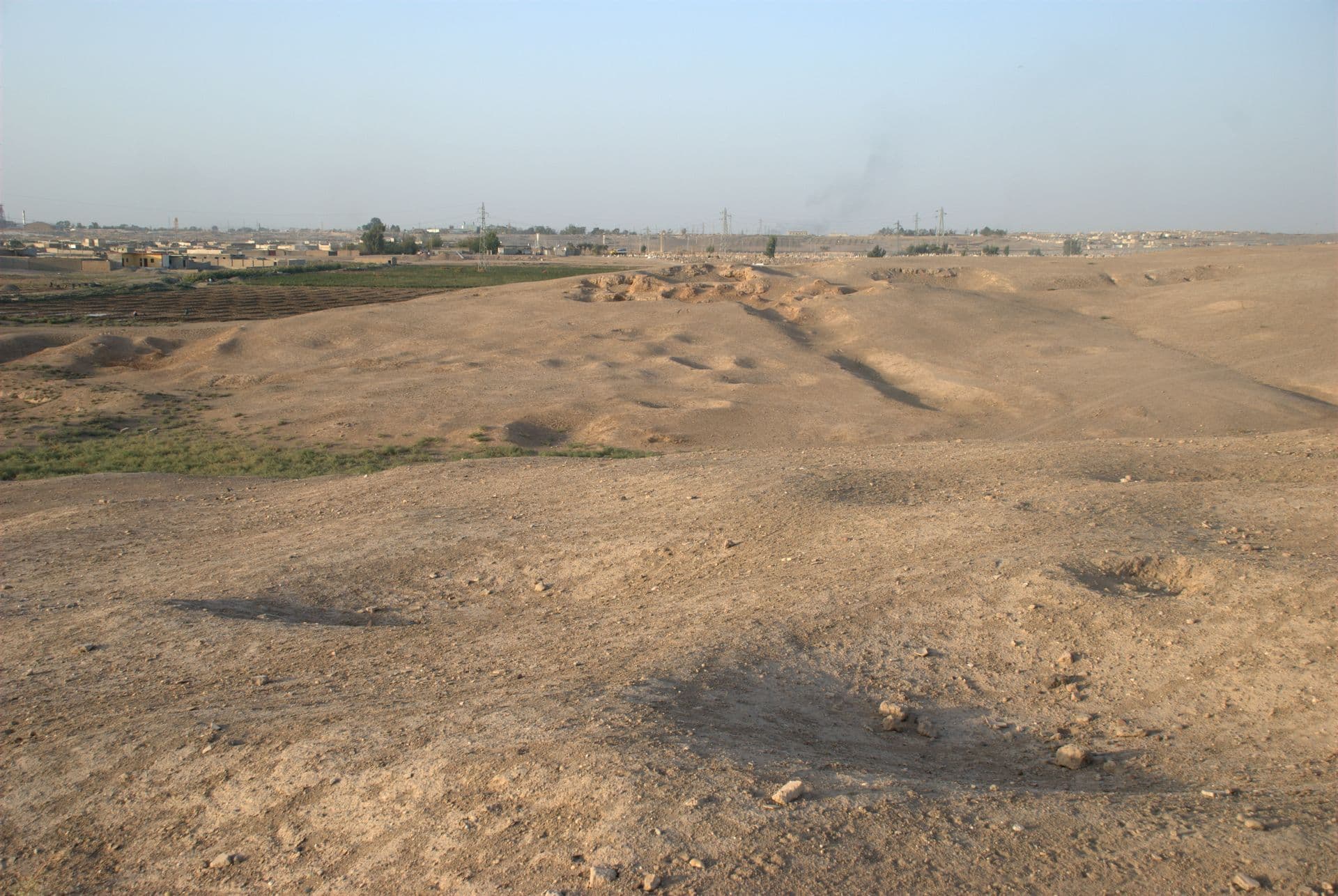
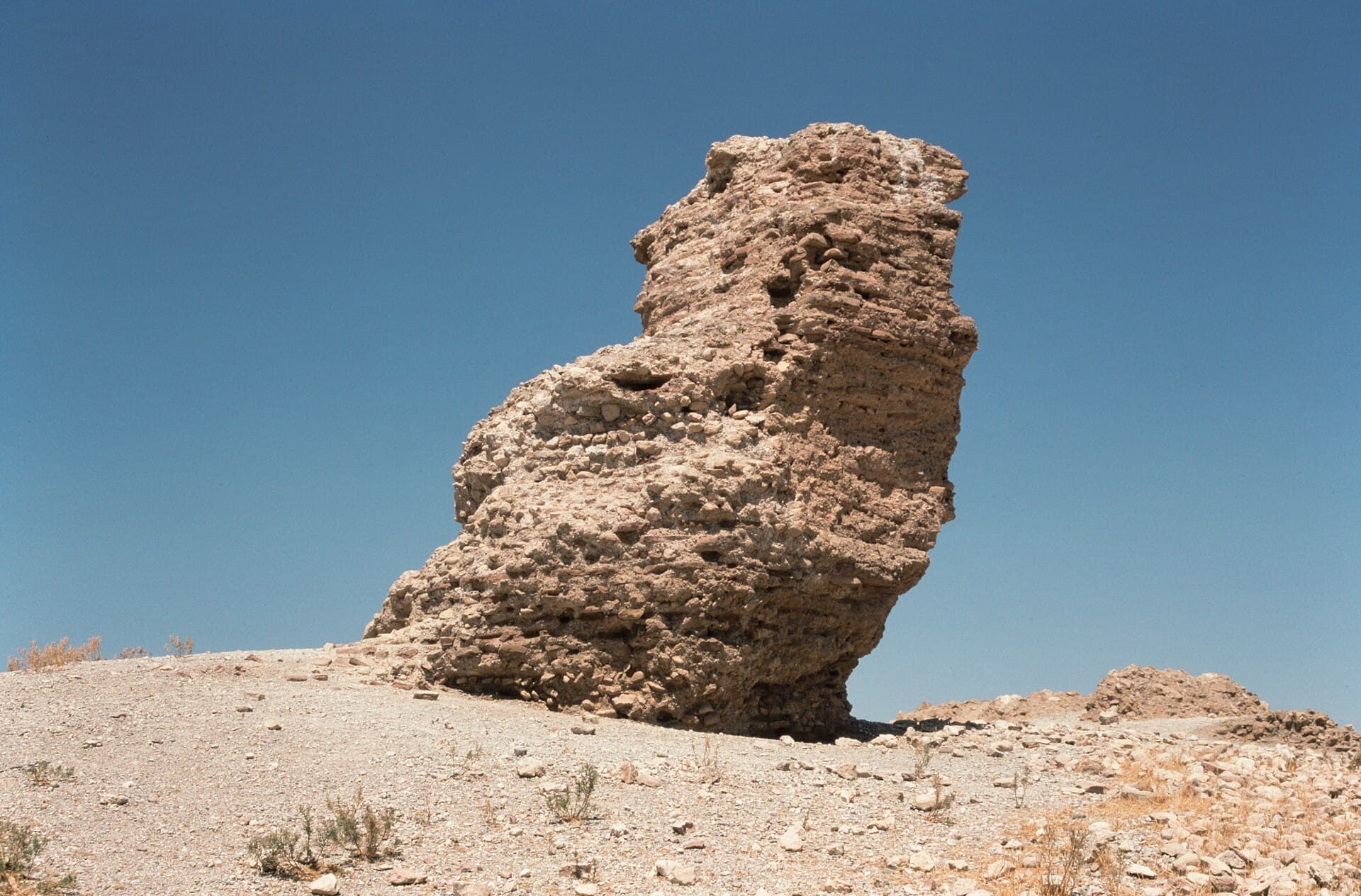
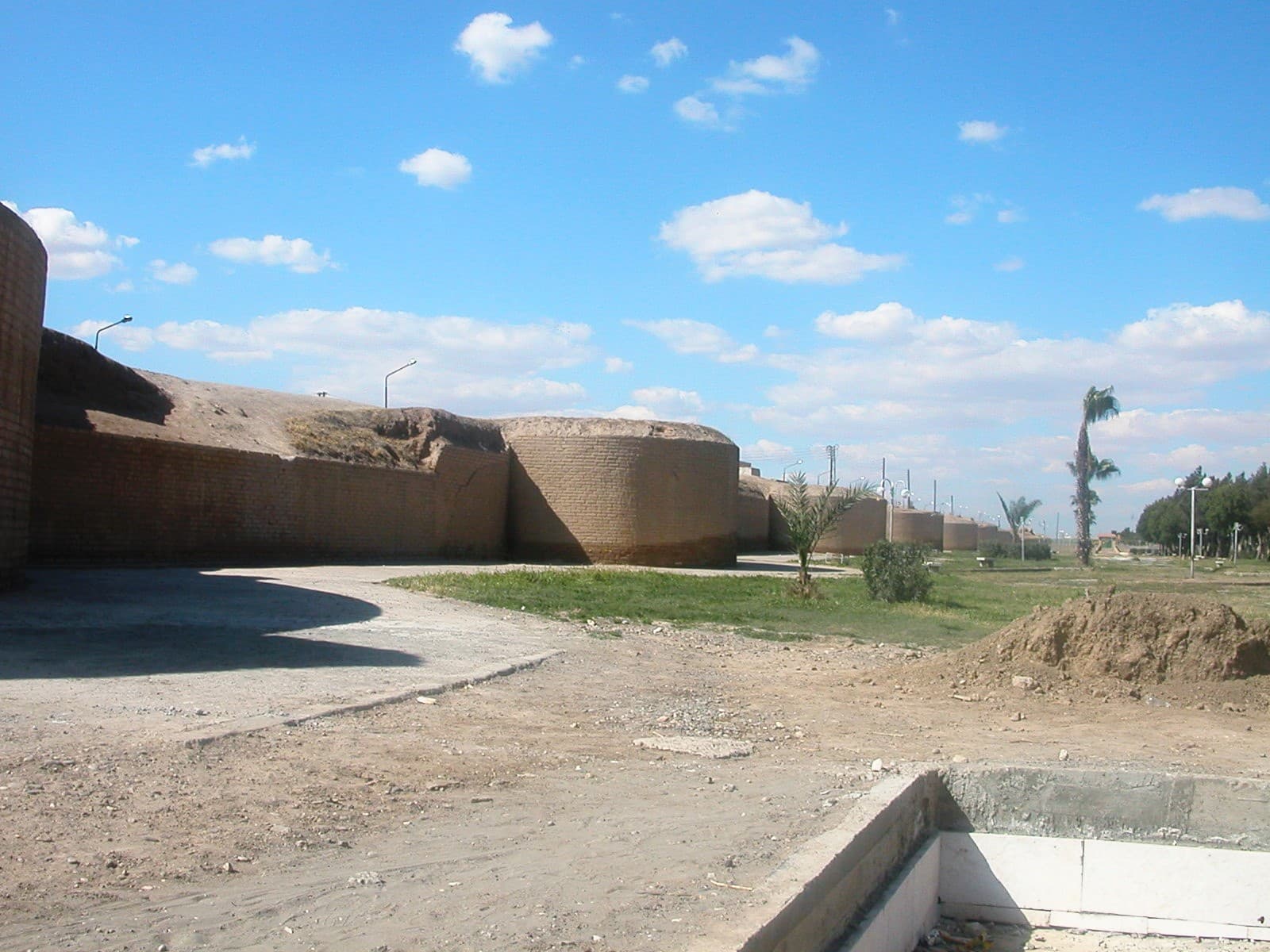
What stands is the wall. Of al-Rafiqa’s 4580 metres, 2660 metres are still there: a mud-brick body faced in kiln-fired brick, with semicircular towers along the top. The outer wall and the moat were bulldozed in the 1970s to clear ground for new housing. The north gate was excavated and partly rebuilt in the 1990s, and it is the oldest surviving city gate from the Abbasid period. At the south-eastern end of the wall stands the Baghdad Gate. Two more ruins survive inside: the brick minaret of the Great Mosque and the vaulted halls of Qasr al-Banat. The rest is new. Harun al-Rashid’s palace city and the Abbasid industrial quarter were built over with housing in the 20th century, so that layer is now underground.
Safety and access
This needs saying plainly. Raqqa was the centre of ISIL between 2014 and 2017. During the 2017 siege, coalition bombardment destroyed most of the residential fabric, and the Syrian government stated at the time that 90 per cent of the city had been levelled. By 2019, 300,000 people had returned, and the markets and the hospital had reopened. Administration passed to the transitional government in January 2026. None of that means the city is ready for visitors: rubble is still in place, electricity and water are unreliable in some districts, and unexploded ordnance and improvised devices are a reported hazard. Official travel advice sits at its highest level for the whole of Syria, and the north-east is named separately within it. The decision is yours, your insurer’s and your consulate’s. If you are going, ask locally about your route that week; news read from a distance will not tell you.
When to go
This is desert climate. Summer days pass without shade. March to May and October to November are the only sensible windows. For light, go in the first hours of the morning: the brick turns red then, and flattens out under midday sun.
Getting there
200 kilometres from Aleppo by road, and the drive takes over four hours. Deir ez-Zor is 190 kilometres to the south-east, roughly the same again. Inside the city everything worth seeing is within walking distance of everything else; a walk taking in all four does not reach three kilometres. Do not drive between cities after dark.
Highlights
- The surviving stretch of the al-Rafiqa wall and its semicircular towers
- The north gate, rebuilt in the 1990s: the oldest city gate left from the Abbasid period
- The brick minaret, all that is left of the Great Mosque
- The vaulted halls of Qasr al-Banat opening onto its courtyard
- The brick front of the Baghdad Gate with its broken arch
Where to stay
Accommodation for visitors in Raqqa is not what it was before the war, and the choice changes from month to month. Arrange your room in advance, carry cash, and phone ahead to confirm the place is open. Because you should not drive between cities after dark, leaving Aleppo in the morning and returning the same evening is a tight plan: either start very early or stay the night.