Donating and volunteering: what a visitor can usefully do
Spending locally, checking an organisation, the traps in volunteer tourism and the ethics of photographing children — where good intentions help and where they harm.
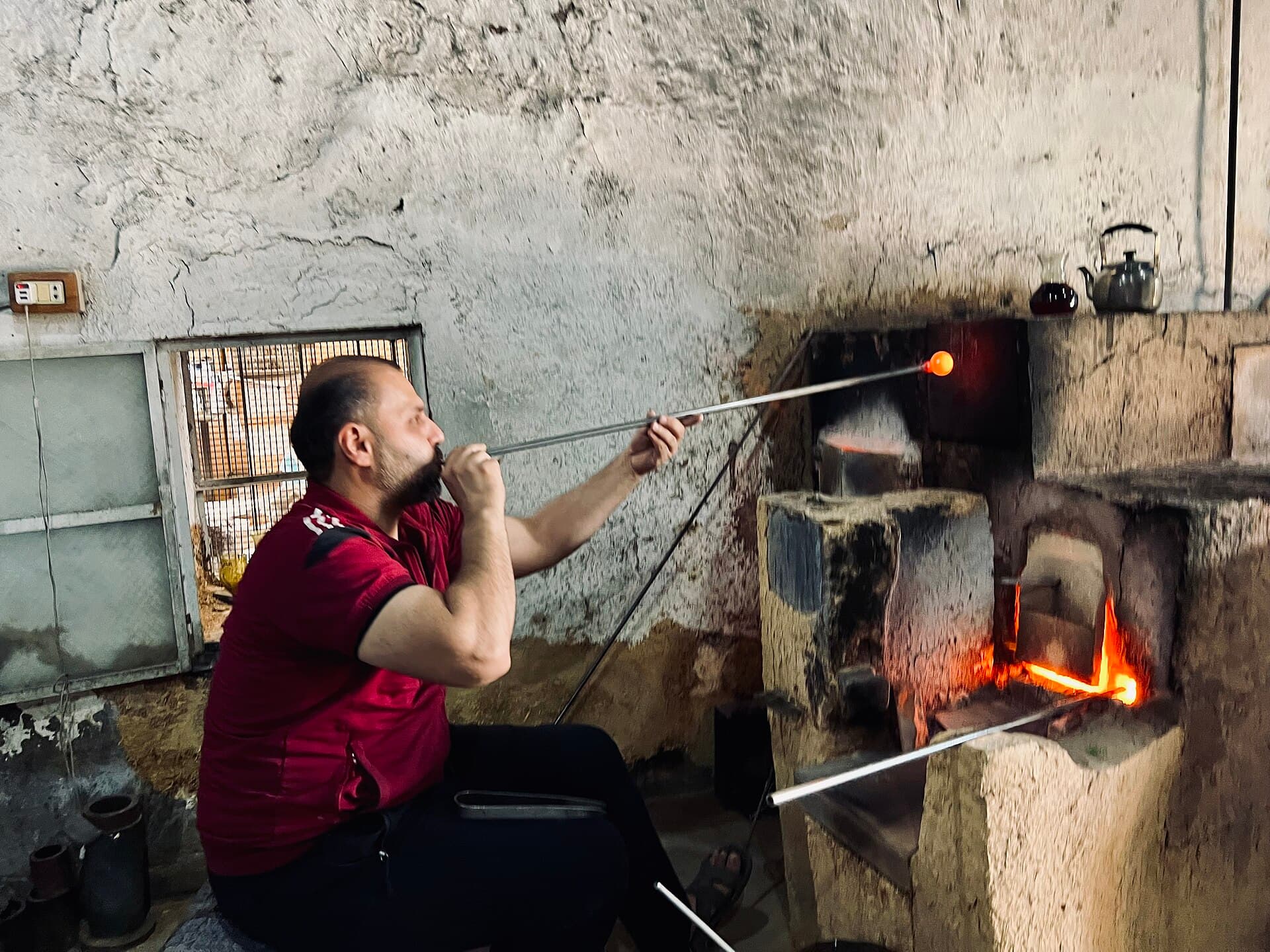
Most visitors to Syria reach the same question at some point: can I be of any use. The answer is yes, though usually not where people expect. The strongest instrument a visitor holds is spending rather than giving, and the biggest risk is not bad intent but a well-meant wrong move. What follows is meant to separate the two.
The most direct route is where the money lands
A day rate for a guide, lunch in a neighbourhood restaurant and a block of soap bought at the workshop are income with nobody in between. The responsible travel page sets the measure and the crafts page says who makes what. The only thing to add here concerns price: bargaining is the rule of the market and entirely normal, but grinding a price to the last coin is not a saving, it is a day taken off the maker.
Hiring a local guide is the most efficient line in the same account. A day rate goes to one household, you see more in return, and you stay out of places you should not enter. It is far less emotional than a donation and far more certain.
The trap in volunteer tourism
Short-term unskilled volunteering produces the same problem everywhere in the world: hosting a volunteer costs an organisation time, money and staff, and that comes out of the actual work. What someone does in a fortnight is usually a job that could be paid for, so the labour is not created but taken from a local wage. Fee-charging agency programmes muddle it further, because how much of what you pay reaches the ground stays unclear.
The exception is narrow and clear: a real profession, a long stay, and an organisation that places you inside a plan, all at once. Surgeons, clearance technicians, building conservators and water engineers are genuinely sought. A week of volunteer painting is not.
Orphanage visits: a hard line
There is no hesitation in this one. Worldwide, about 80 percent of children in institutions have at least one living parent; institutions separate children from families, and a flow of visitors feeds that system. A procession of foreigners arriving and leaving teaches the opposite of attachment to a child who is learning how to attach. Do not visit, do not volunteer, do not give to an institution that admits visitors. What deserves support is not the institution but the programme that keeps a child with a family.
Photographing children
The rule is short and does not bend. Ask the guardian rather than the child, and accept no as an answer when you ask. Never publish a picture alongside what identifies the child: the school, the street, a full name. Never photograph inside an institution, a classroom or an aid distribution. Handing a child cash or sweets belongs under the same heading. What looks like a one-off kindness builds the habit of asking a stranger for something, and you are not the one who pays for it.
Giving to an organisation: what to check
Recognising a name is not a way of verifying an organisation. Check in this order. Is it formally registered in Syria, and with which ministry? Does it run its own teams on the ground, or only raise funds? Are the accounts and an annual report published? How much of a donation reaches programmes, and does it buy relief goods locally? That last one matters, because flour and blankets bought locally do two jobs with the same money.
For a sense of scale: the Syrian Arab Red Crescent is the national relief organisation working countrywide, and on mines and explosive remnants the HALO Trust and the United Nations Mine Action Service are known, checkable addresses. This is not a recommended list but an example of what verification looks like; check your own gift yourself.
Donating used goods is usually a poor idea. Cash is spent against the need as it stands and creates no customs, freight or sorting bill. A suitcase of second-hand clothes is the most expensive form good intentions take.
Handing out aid yourself
Distributing aid on your own in a street or a district is far more complicated than it looks. Who receives how much, who is left out and what happens in the queue all become your responsibility in a moment. The organisations that do this hold lists, records and a relationship with the neighbourhood. If you want to help, put money into that list and let someone else do the handing out.
After you leave
Part of the contribution happens once you are out of the country, and that part usually gets skipped. Describing what you saw accurately comes first: much of what circulates about Syria is a few years out of date, and wrong information affects both the next visitor and the people working here. Passing a guide’s name to a friend who asks does more good than a single day rate.
The second part is trade. Soap, laurel oil, brocade and spices are exported, and if a shop at home sells them, buying there feeds the same workshop. Keeping a relationship with a workshop or a family business alive — placing an order, sending someone their way — outlasts a one-off donation. The measure of a contribution is not its size but whether it repeats.
Tips
- The surest contribution is where you spend: guide, neighbourhood kitchen, workshop
- No orphanage visits or volunteering; most children in institutions have families
- Ask a child's guardian, and never publish a picture with identifying detail
- Before giving, ask: registered, working on the ground, accounts published?
- Send cash rather than used goods; relief bought locally does two jobs at once
Transparency
- How this was chosen
- This page carries the fastest-ageing information on the site: visa rules, exchange rates, border crossings and SIM prices change several times a year. The verification date above says when the facts were last put through their sources; for anything later, check your own foreign ministry travel advice and a Syrian consulate. No figure that is not known for certain is written here.
- Facts checked
- September 2026
- Last updated
- September 15, 2026