Sfire (as-Safira) and the Sefire Steles
As-Safira, southeast of Aleppo, was the old market for Jabbul salt. The 8th-century BC Aramaic treaty steles were found here; today they are in Damascus and Beirut.
- Opening hours
- The mound is in the town centre, daylight hours; the inscriptions are in the Damascus and Beirut museums
- Entry
- Variable — confirm on site
- Duration
- 45 minutes
- Best time
- Spring or autumn, in daylight
- Period
- Iron Age — medieval — present day
- Address
- As-Safira town centre, 25-27 km southeast of Aleppo, Aleppo governorate
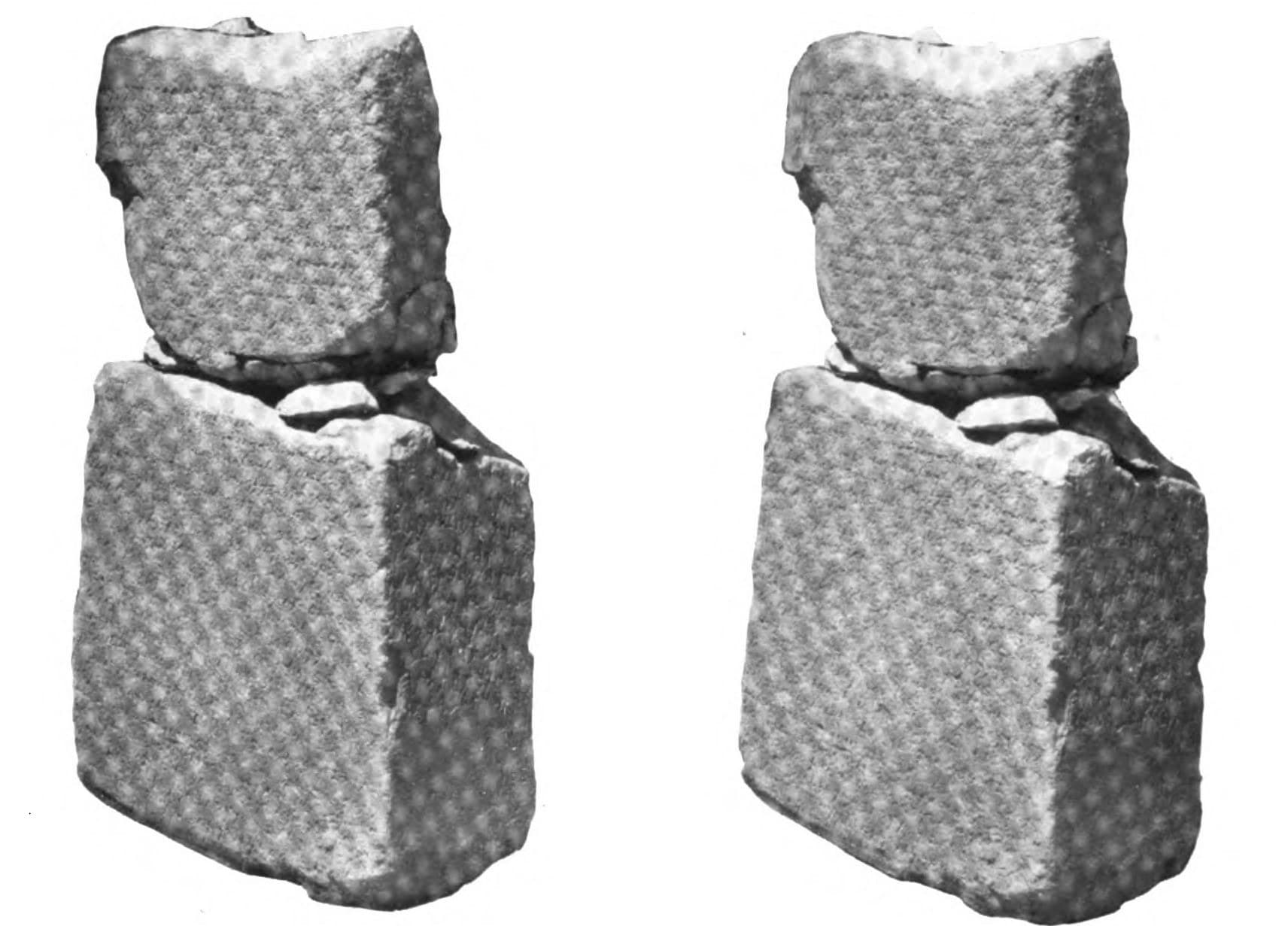
As-Safira, also written Sfire, is a large town and district centre 25-27 km southeast of Aleppo, between Jabal al-Hass and the Jabbul salt lake. In the middle of the town, beside the central market, stands a high mound with its layers visible to the naked eye. The name travelled the world, though, on basalt steles from the 8th century BC: the Aramaic treaty texts that bound Mati’el, king of Arpad, known as the Sefire steles. None of them is still here; two are in Damascus and one in Beirut.
Where the name comes from
The medieval geographer Yaqut al-Hamawi writes it as “Asfira”; the article “as-” was added later. Before Islam the town was called Sipri. Some historians link this to the Akkadian word “siparru”, meaning bronze, and suggest copper was worked in the area; this remains a hypothesis. The town has long been the place where salt gathered at the Jabbul salt flats was distributed.
How long it takes
45 minutes. That is enough to look at the mound beside the market and walk through the town centre. No source describes excavation areas or visitor arrangements on the mound.
What the inscriptions say
The texts record a treaty between two kings: “the treaty of Bar-Ga’yah, king of KTK, with Mati’el, son of Atarsamak, king of Arpad”. Arpad is today’s Tell Rifaat, north of Aleppo. Mati’el accepts, through ritual, what will happen to him if he breaks the treaty:
- “As this wax is burned by fire, so may Mati’el be burned by fire.”
- “As this bow and these arrows are broken, so may Inurta and Hadad break the bow of Mati’el and his nobles.”
- “As the man of wax is blinded, so may Mati’el be blinded.”
- “As this calf is cut in two, so may Mati’el and his nobles be cut in two.”
The text is considered the best source outside the Bible for the West Semitic tradition of covenant blessings and curses. It resembles the loyalty oaths Assyrian kings imposed on the small kings of the Levant; some scholars also see parallels with Hittite treaties of the 2nd millennium BC.
Who was Bar-Ga’yah
That is disputed. One view makes him an Assyrian king, Ashur-nirari V. Another sees him as a powerful Assyrian co-ruler based at Til Barsip.
Where the steles are today
Sefire I was found in 1930: a basalt slab broken horizontally in two. Sefire II also turned up in 1930. Both are inscribed on three faces and both belong to the National Museum of Damascus. Sefire III was found in 1956: nine fragments from the back of a wide slab, now in the National Museum of Beirut. A possible fourth piece from Sefire, the “Starcky Tablet” (KAI 227), is in the Louvre in Paris. The three main inscriptions are catalogued as KAI 222-224. Whether they are on display in Damascus today has not been verified.
Who published them
The first edition was by Sébastien Ronzevalle (1930-31); René Dussaud followed in 1931. André Dupont-Sommer and Jean Starcky returned to the inscriptions in 1956-58. Joseph Fitzmyer studied the text again in 1961 and 1967.
Before you go
The town lies on the main road to Aleppo. There is no recent source on access to the mound or on possible security restrictions in town. Photographing official and military buildings can cause trouble; ask before you take out a camera. The countryside south-east of Aleppo saw fighting several times between 2012 and 2024. Unmarked fields and slopes may still hold unexploded ordnance, so stay on the paths villagers use.
What most people miss
Tell Aran. The mound a few kilometres north is Arne, the first capital of Mati’el’s dynasty. One side of the treaty’s story begins there.
Tips
- The inscriptions are not here: Sefire I and II belong to the National Museum of Damascus; ask whether they are on display before you go
- The mound is beside the central market; look closely at the layers in its exposed side
- Ask before photographing official or military buildings
- Tell Aran is a few kilometres north; both fit into the same half day
- The area saw fighting in 2012-2024; keep out of unmarked fields
Transparency
- How this was chosen
- Written by hand; opening hours, entry fee and coordinates are kept as data. A field that is not known for certain is marked as variable rather than guessed.
- Facts checked
- September 2026
- Last updated
- September 15, 2026