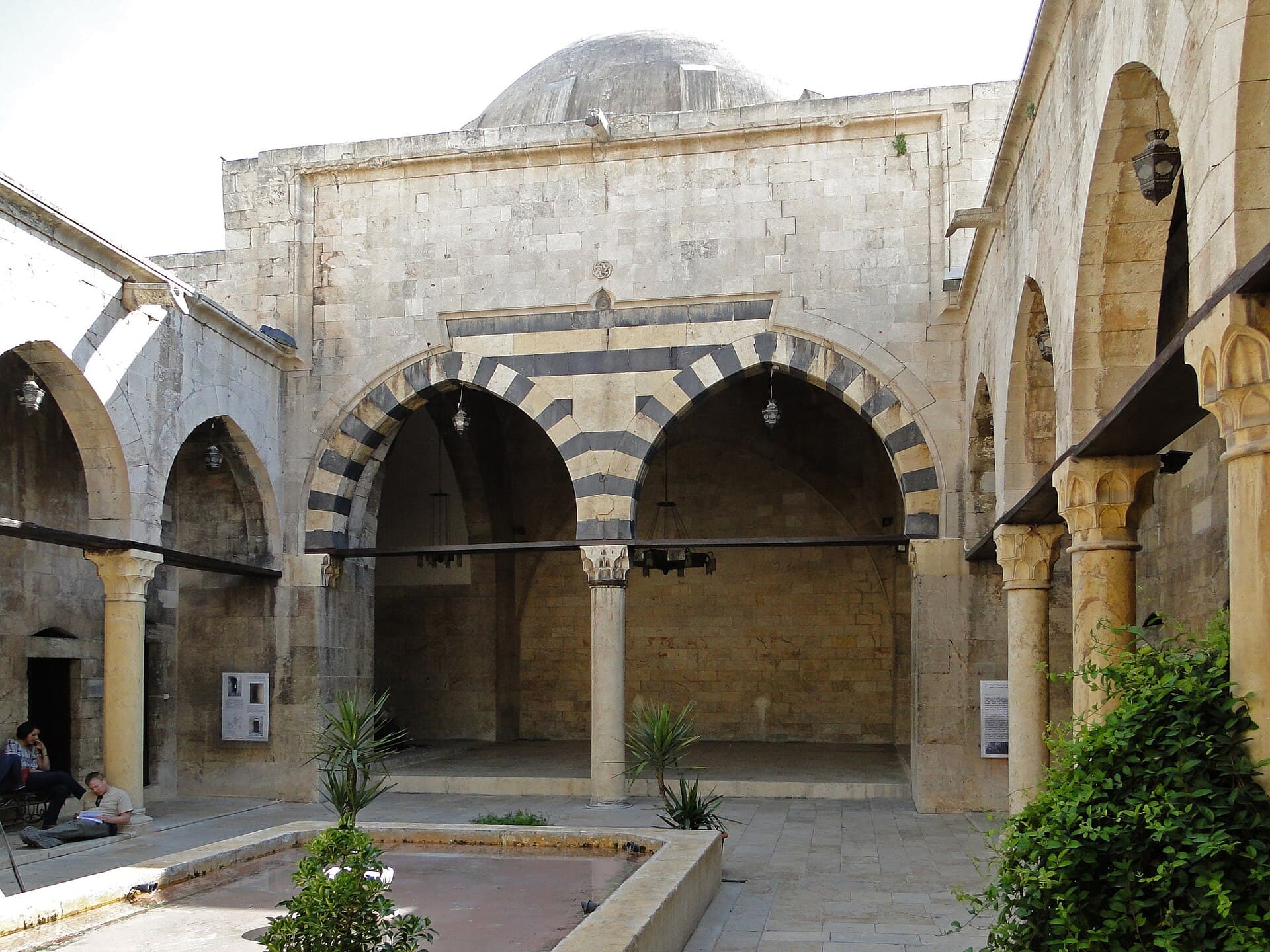
Aleppo
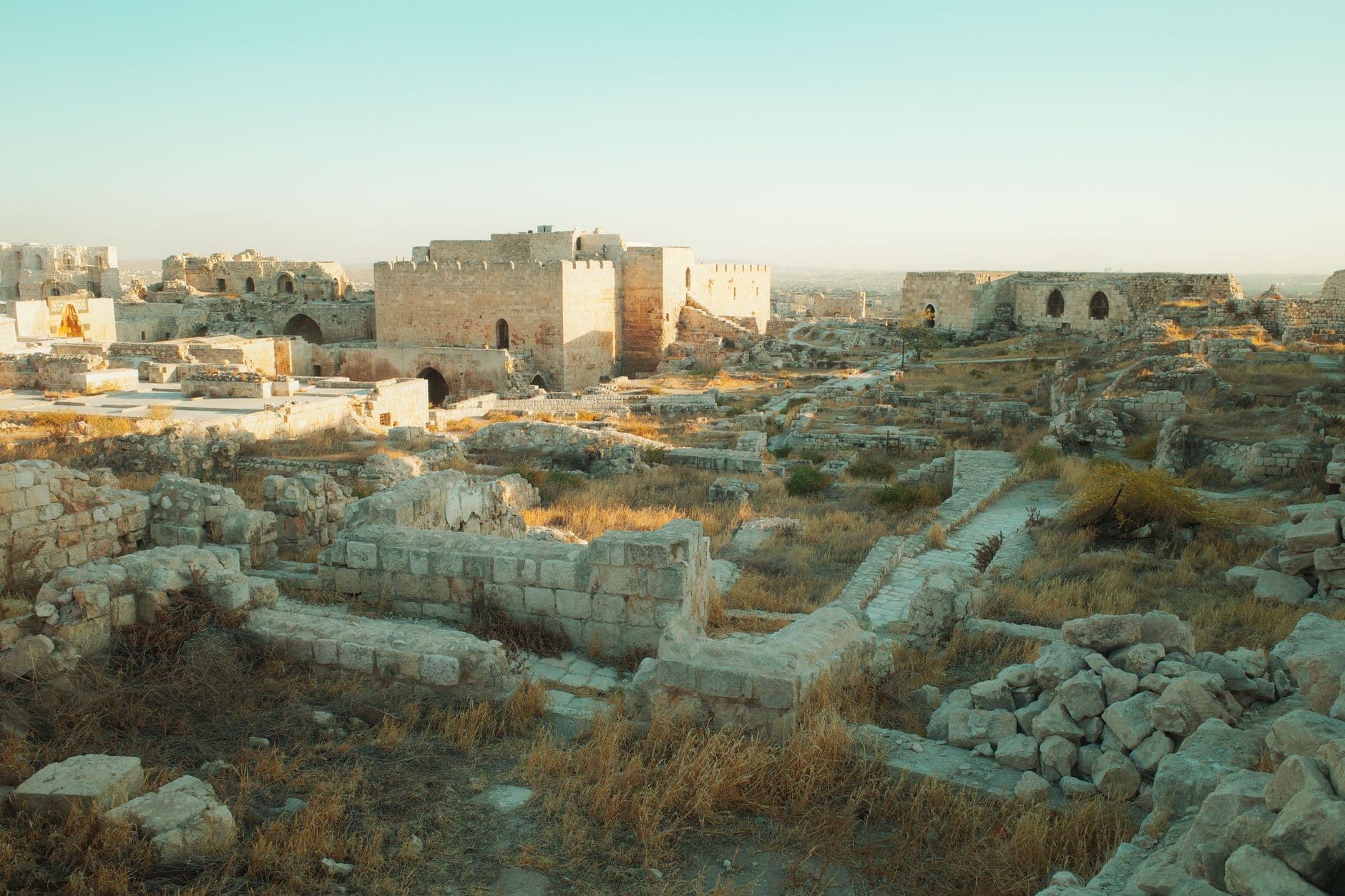
A city built on trade. The citadel does not sit on a hill — it is the hill, with millennia stacked beneath it. The souqs are reopening, and so are the soap works.
- Founded
- 3rd millennium BC
- Population
- 1,800,000
- Best season
- Spring and autumn
The city of trade. Its citadel is not on a hill — it is the hill, with thousands of years layered beneath it. The souqs are reopening, the soap workshops are working again.
Where to start
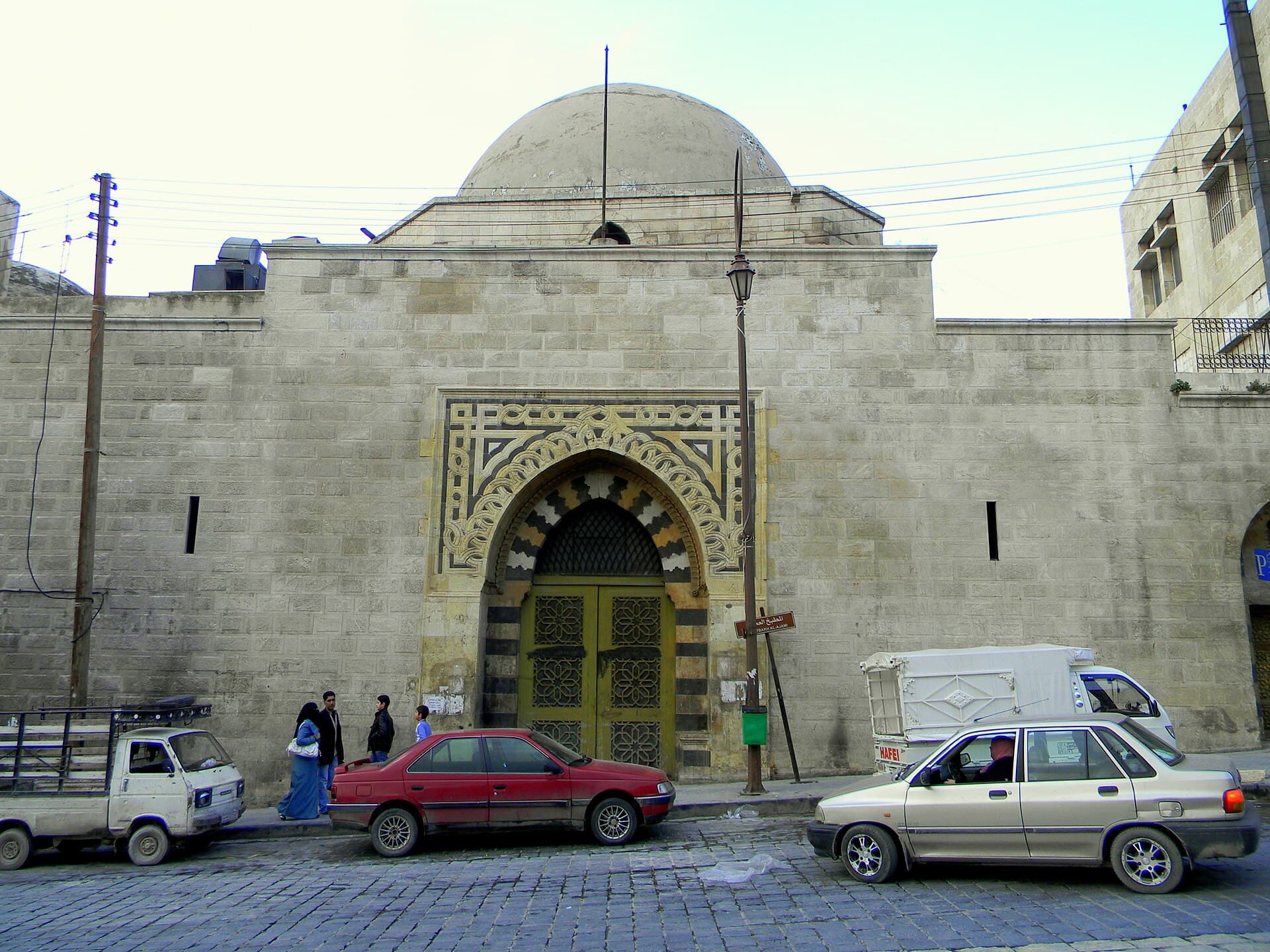
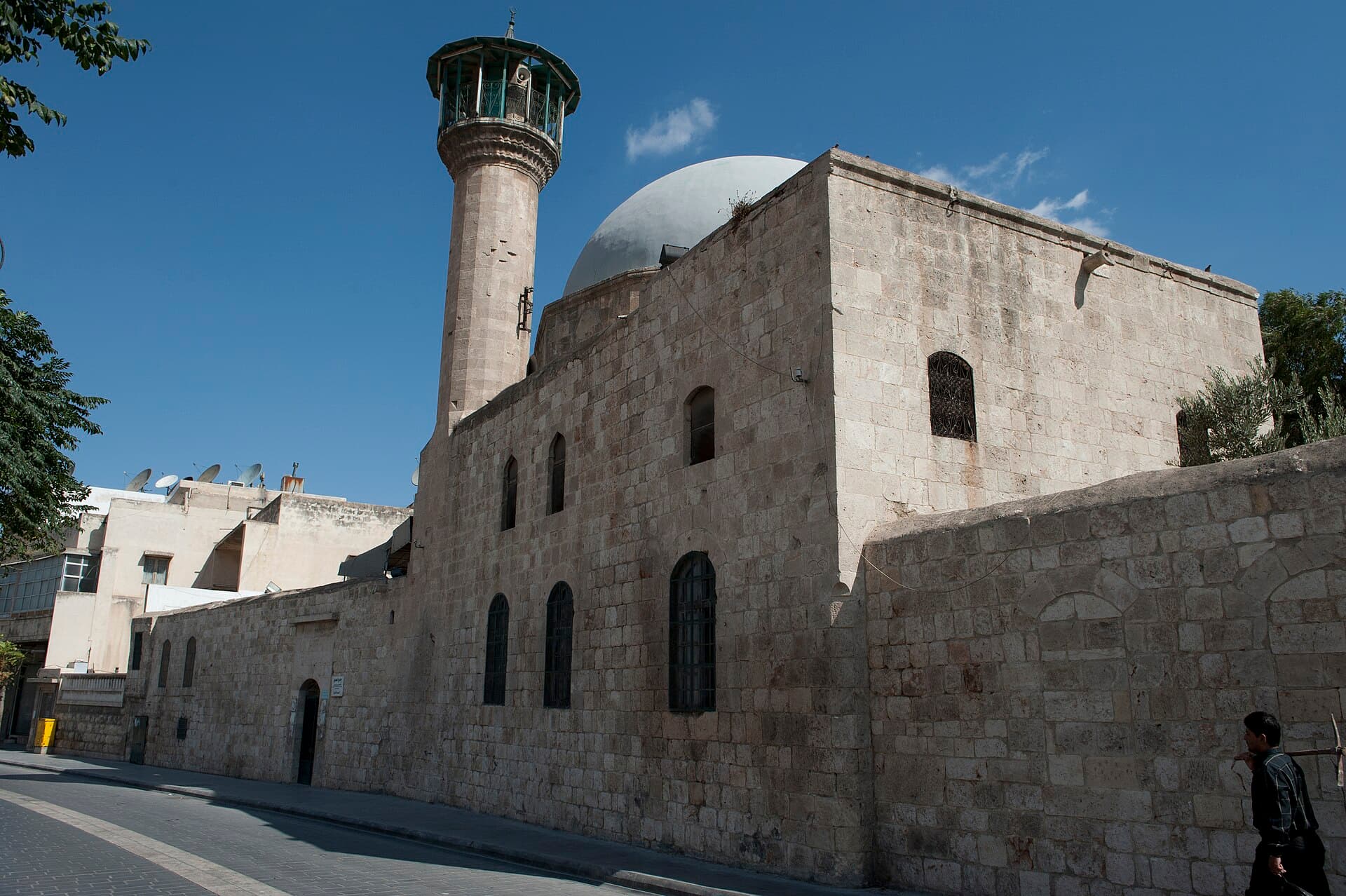
The city reads along a single line: enter by Bab Antakiya in the west, let the covered souq deliver you to the Great Mosque, and from there the road climbs to the citadel. That line is half a day on foot and shows Aleppo’s trio — trade, worship, defence — in order.
How long it takes
One full day covers the main line; the churches and courtyard houses of Jdeideh and the soap khans ask for a second. Aleppo soap is still boiled from olive oil and laurel — if you want to see a workshop, you find one by asking, and most open their doors to visitors.
Take care
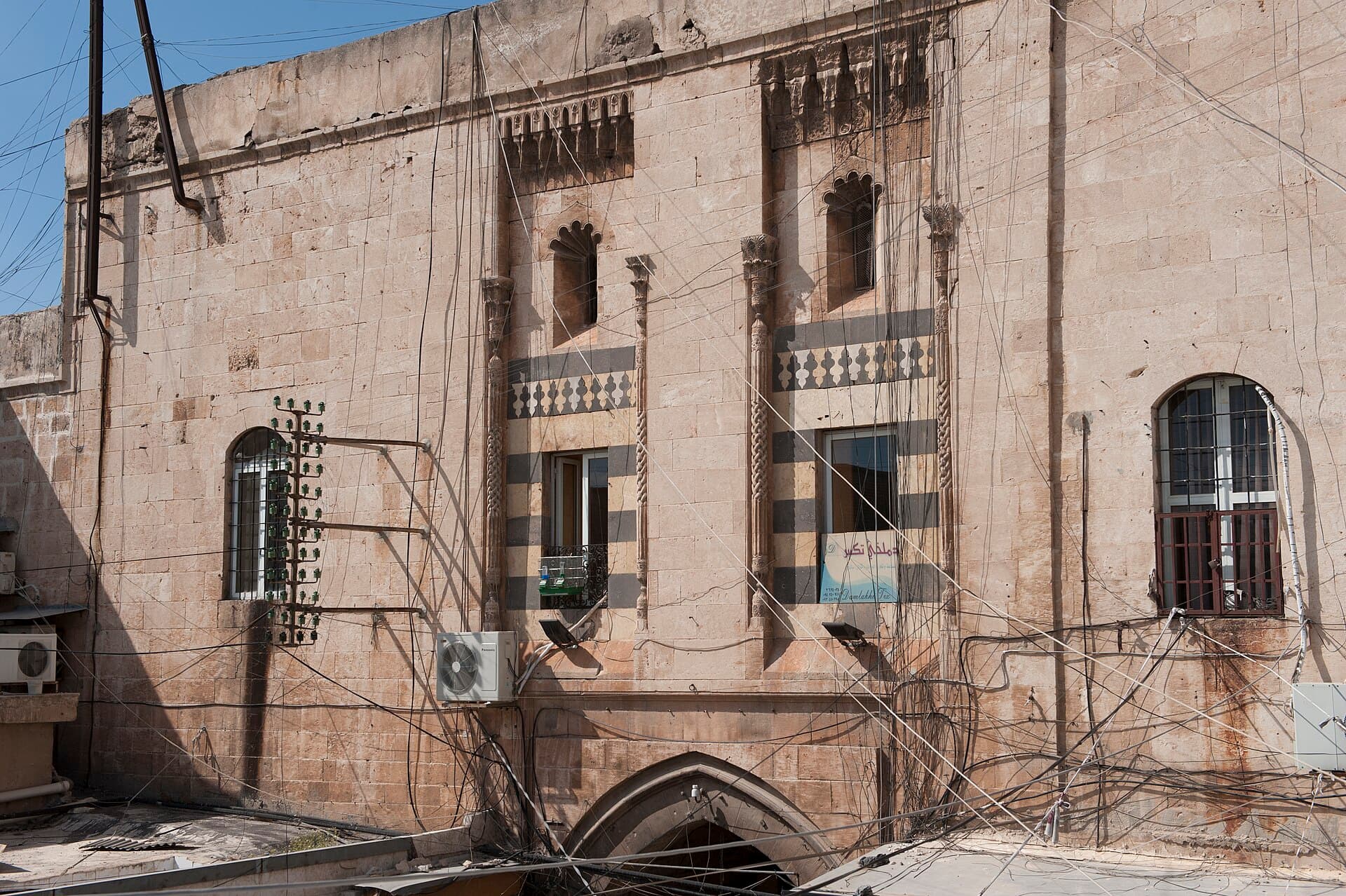
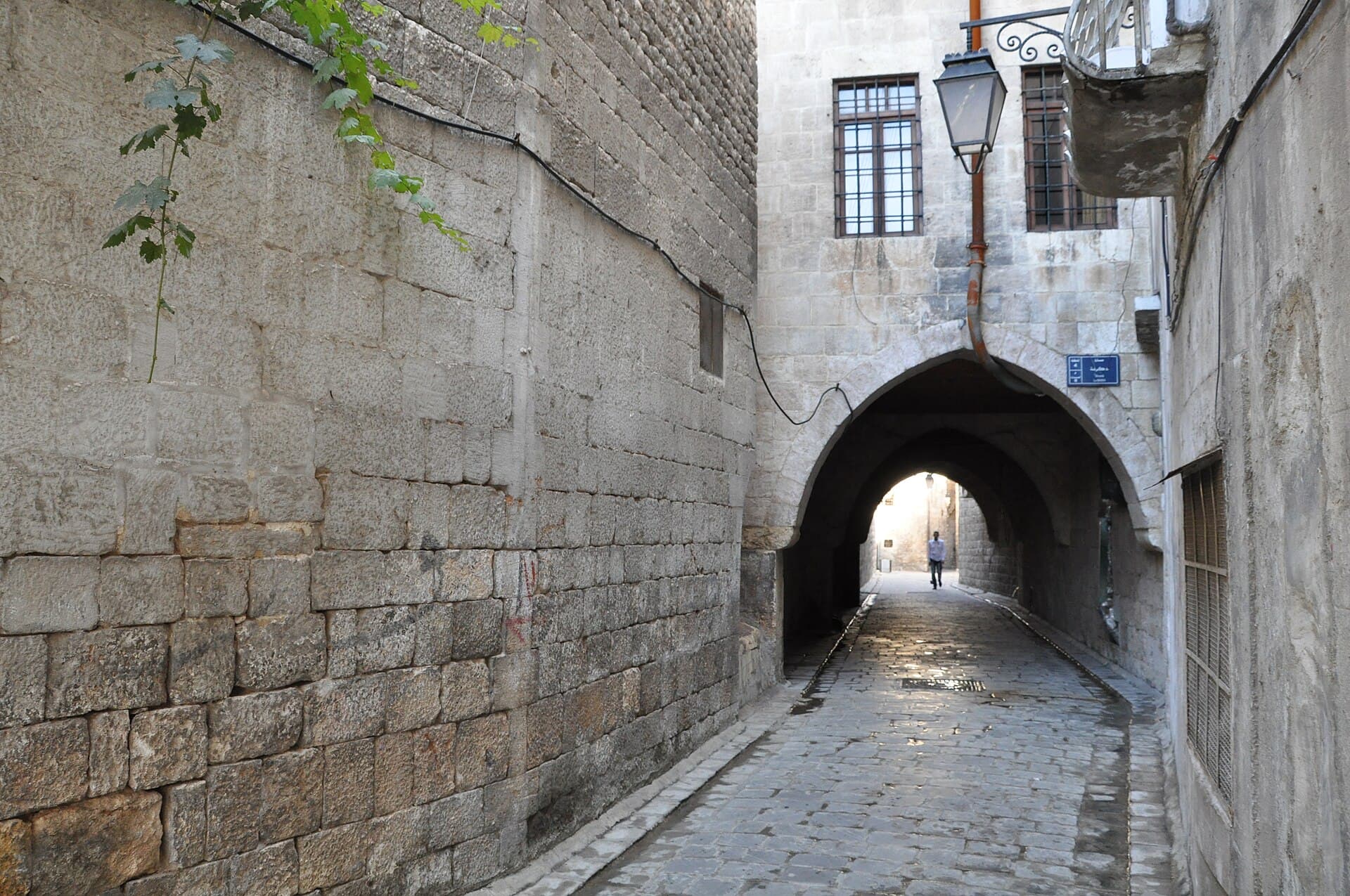
The city came out of the war badly and repair proceeds district by district; which arm of the souq is open keeps changing. The main line walks safely; side lanes can have construction crossings.
Highlights
- The Aleppo Citadel
- The Al-Madina Souq
- The laurel soap workshops
Where to stay
To walk the old city, stay in Jdeideh: this quarter north of it has hotels converted from courtyard houses, with the souq and the citadel within walking distance. Aziziyah and Sulaymaniyah are the newer city — conventional rooms, more restaurants and shops. Location matters more in Aleppo than in other cities: war damage and repair change street by street, and a quarter that is open can sit next to one that is still a building site. Look the address up on a map before you book, and ask the hotel about the state of the streets around it.