Deir ez-Zor
The Euphrates capital of eastern Syria and the way in to Mari and Dura-Europos. What is in the city, what happened to the sites, and whether you can go.
- Founded
- Grew from an Ottoman garrison, 19th century
- Best season
- March–May, October–November
Deir ez-Zor is the largest city in eastern Syria and the last big stop on the Syrian Euphrates, 450 kilometres north-east of Damascus. Its name comes from a monastery: “deir” came through from Syriac, and “zor” means the scrub along a riverbank. As a city it is young. The Ottomans made it the Zor Sanjak in 1868, reporting straight to Istanbul, and in those years its governors built the government house, the barracks, the hospital, the schools and the town’s first public park. But its real function has never changed: it is the centre for the excavation sites strung along the river.
Where to start
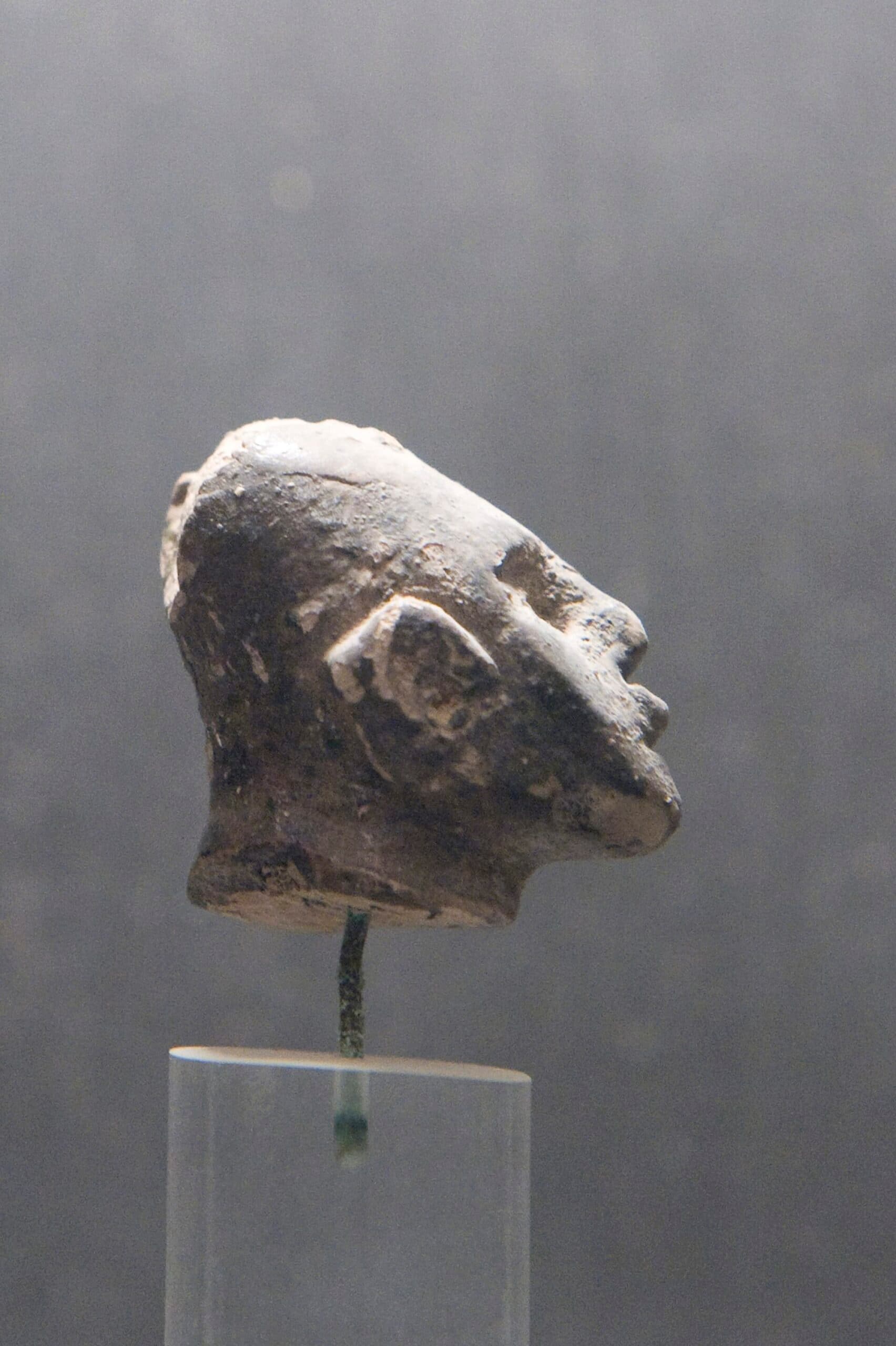
At the museum. The Deir ez-Zor Museum holds the finds from every mound on this stretch of river, including most of the cuneiform tablets from Mari and material from Dura-Europos. Seeing it before you go out to the sites is what tells you what those mud-brick sections in the desert actually are. After the museum, go down to the river.
In the city
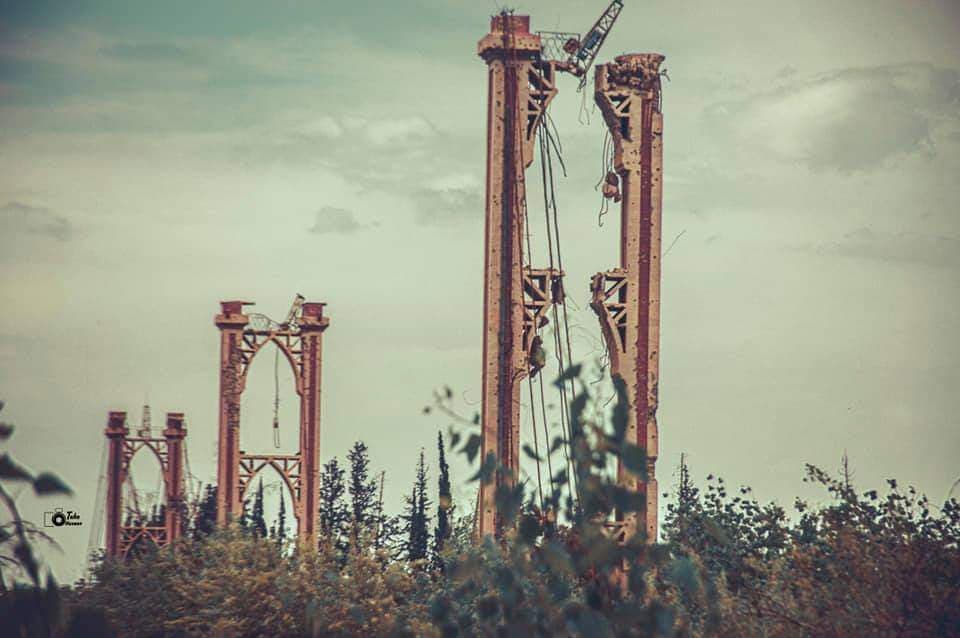
Deir ez-Zor’s emblem was a bridge. The suspension bridge, built under the French Mandate and opened in 1931, tied the two banks together, and there were few households in town whose wedding party had not walked across it. In 2013 shelling hit its third pier and the bridge came down. Four towers stand on the spot today with severed cables hanging between them. The city’s second story is that of the Armenian genocide: this was the end point of the deportation marches of 1915, and local families here fed and sheltered the columns. The memorial church built in 1991 was a place of pilgrimage every 24 April; it was destroyed in 2014.
Around it
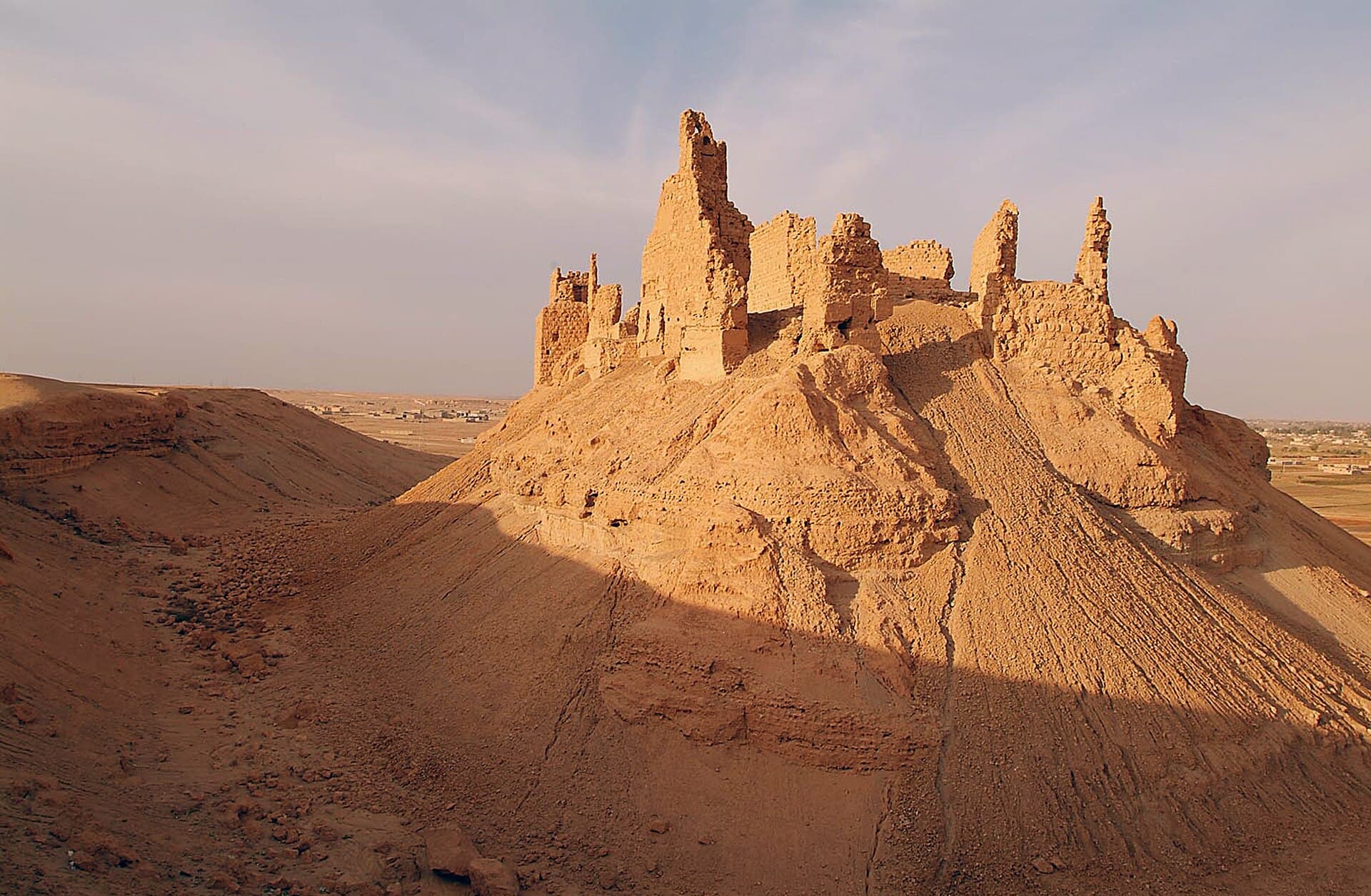
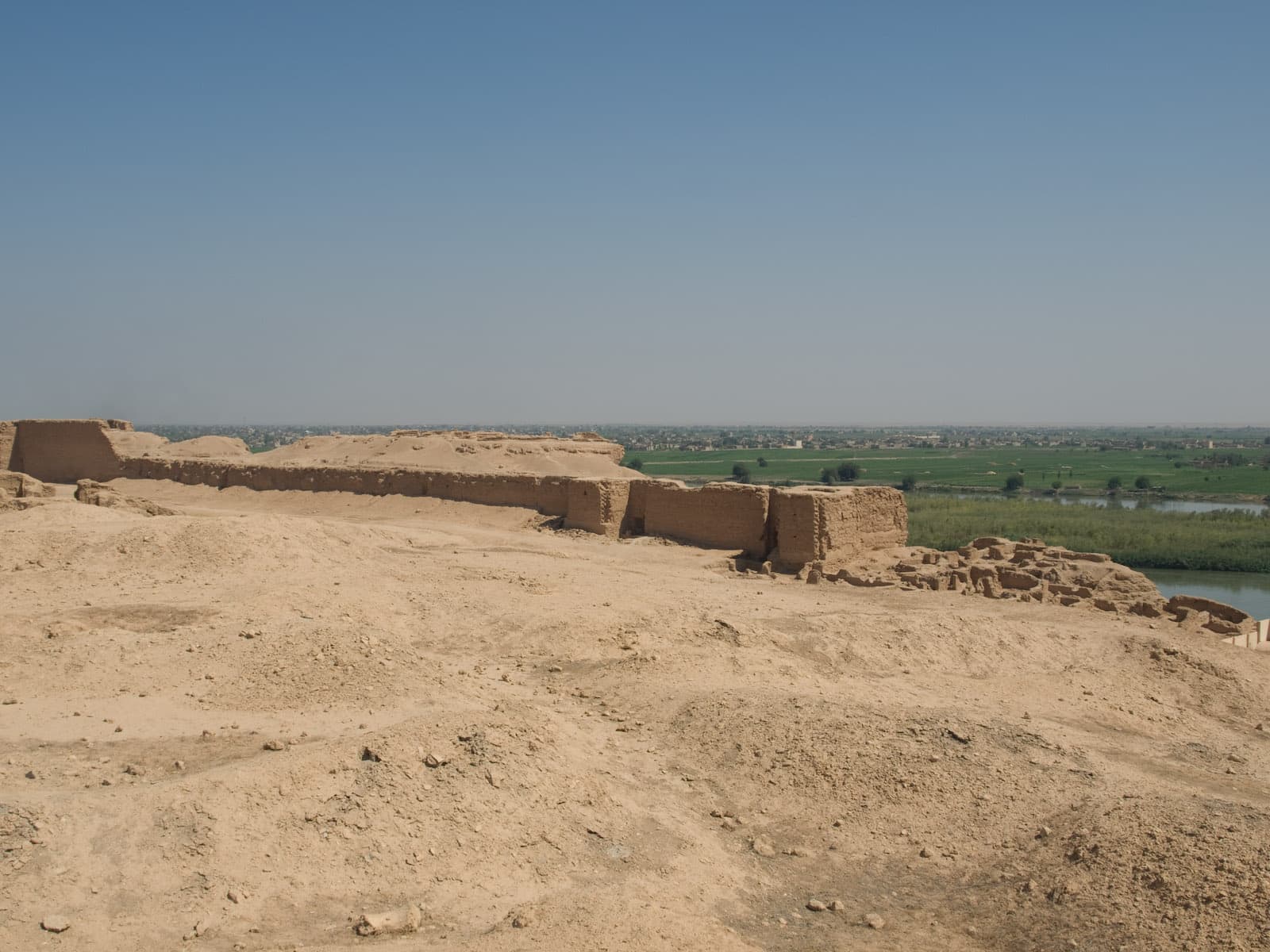
This is the real reason to come. Dura-Europos is 95 kilometres to the south-east and Mari 125; Halabiye is 57 kilometres to the north-west. All three are ruins on a large scale, all three sit on the Euphrates, and all three are in very different condition. The walls and the praetorium at Halabiye are largely intact; Dura-Europos and Mari were dug over by looters after 2011 and their ground is pitted with holes. Their own pages set that out one by one.
Safety and access
Deir ez-Zor was under siege between 2014 and 2017: part of the city was supplied for two and a half years by helicopter and by aid dropped from the air. The siege lifted in September 2017. Control changed hands in December 2024. It passed to the transitional government in January 2026, and the administration of the north-east was folded into the centre that August. Even so, this remains one of the highest-risk parts of the country. Remnants of ISIL still mount attacks in the countryside, unexploded ordnance is a reported hazard, and official travel advice stays at its highest level for the whole of Syria. If you are going out of the city, ask locally about the road that day, take no photographs at checkpoints, and do not travel between cities after dark.
When to go
Desert climate. High summer is not a season for walking sites out here. March to May and October to November are the only sensible windows; spring mornings on the riverbank are cool.
Getting there
450 kilometres from Damascus, 190 from Raqqa. Deir ez-Zor is the last stop on a route that follows the Euphrates; the road on to the south-east reaches the Iraqi border. Distances inside the city are short, but no public transport runs to the excavation sites, and your driver needs to know the area.
Highlights
- The Mari tablets and the painted façade of Zimri-Lim's palace in the Deir ez-Zor Museum
- The four towers left of the suspension bridge, with cut cables hanging between them
- The riverbank in the late afternoon: the one open space the city really uses
- The praetorium at Halabiye, set into the body of the wall, 57 kilometres north-west
- The citadel of Dura-Europos, on its bluff over the Euphrates valley
Where to stay
Accommodation in Deir ez-Zor is not what it was before the war, and the choice changes from month to month. Arrange your room in advance, carry cash, and phone to confirm before you arrive. There is nowhere to stay beside the excavation sites; Dura-Europos and Mari are done as day trips. Do not travel the rural roads at night, and plan to be back before dark.