What is Deir ez-Zor famous for?
Deir ez-Zor is known as the way in to the excavation sites strung along the Euphrates: Dura-Europos, Mari and Halabiye all belong to it. The city's museum holds most of the cuneiform tablets from Mari and a full-scale reconstruction of the painted façade of Zimri-Lim's palace. The suspension bridge that was the city's emblem was built under the French Mandate and destroyed in 2013; four towers stand where it was. Deir ez-Zor is also known as the end point of the Armenian deportation marches of 1915; the memorial church was destroyed in 2014.
Highlights
- The Mari tablets and the painted façade of Zimri-Lim's palace in the Deir ez-Zor Museum
- The four towers left of the suspension bridge, with cut cables hanging between them
- The riverbank in the late afternoon: the one open space the city really uses
- The praetorium at Halabiye, set into the body of the wall, 57 kilometres north-west
- The citadel of Dura-Europos, on its bluff over the Euphrates valley
What to see
- Deir ez-Zor · 6th century
Tell es-Sinn (Tall as-Sin)
A walled Byzantine town south-east of Deir ez-Zor and its necropolis of rock-cut tombs, over 163 of them excavated and fully published in 2008. Access unconfirmed.
- Deir ez-Zor · 5th–6th century
Tell al-Kasra
A Byzantine town with a pentagonal mudbrick wall on the Euphrates north-west of Deir ez-Zor; its bathhouse held the region's first figural mosaic. Access unknown.
- Deir ez-Zor · early 3rd century
Qreiye-Ayyash Roman Fort
A square legionary fort 220 metres a side, built under Septimius Severus above the Euphrates west of Deir ez-Zor and used for only a few decades. Access unconfirmed.
- Deir ez-Zor · Neo-Assyrian, 9th century BC
Tell Masaikh (Kar-Ashurnasirpal)
An Assyrian town on the east bank of the Euphrates, 5 km upstream of Terqa: a river-crossing city of Ashurnasirpal II, a governor's palace and a stele to Nabu.
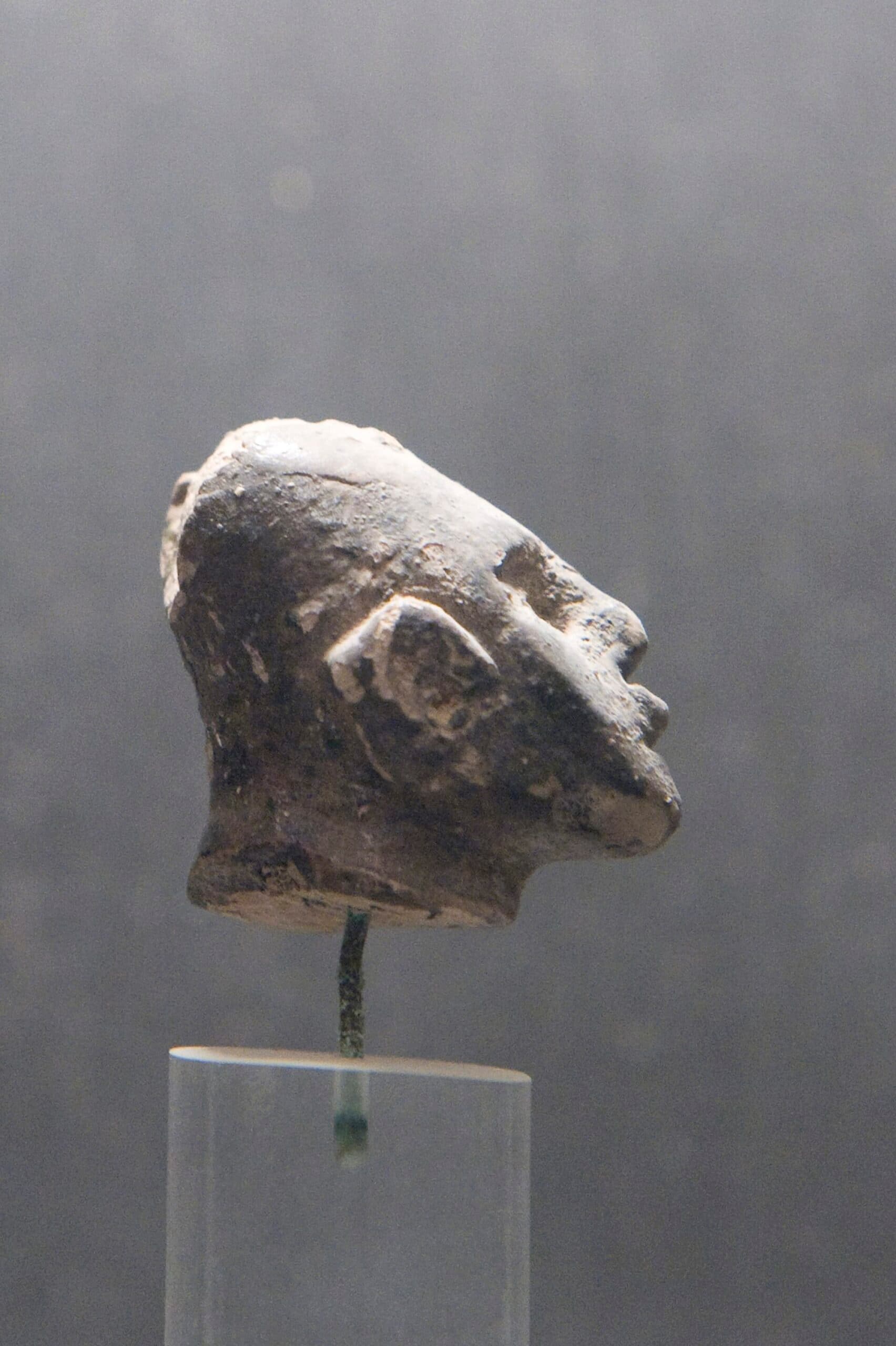 Deir ez-Zor · Neolithic
Bouqras, a Neolithic Mound on the Euphrates
A 5-hectare Neolithic mound 35 km from Deir ez-Zor, with mudbrick houses, a bird frieze and Anatolian obsidian. The house to see is in the Deir ez-Zor Museum.
- Deir ez-Zor · a middle Euphrates town
Mayadin, Syria
The second-largest town in Deir ez-Zor province, 44 km down the Euphrates. Site of Abbasid Rahba and a base for Qal'at al-Rahba, Terqa and Tell Masaikh.
Where to eat
- Deir ez-Zor · the morning of Eid al-Adha
Mi’laq (Eid offal breakfast)
Lungs, liver, heart and spleen of the sacrificed sheep, grilled or pan-fried on the first morning of Eid al-Adha. In Deir ez-Zor the same offal is grilled all year.
- Deir ez-Zor · okra tharid
Thrud (Deiri tharid)
Toasted bread spread over a wide tray, soaked in lamb broth and topped with rice and okra stew. This is Deir ez-Zor's tharid, cooked in okra season and at iftar.
- Deir ez-Zor · date and lamb broth
Hbeit (Deir ez-Zor date and lamb broth)
Lamb simmered in plenty of broth with dates and onion, coloured with safflower. A big-pot dish from Deir ez-Zor, and the Euphrates plate that puts dates with lamb.
Ready-made routes
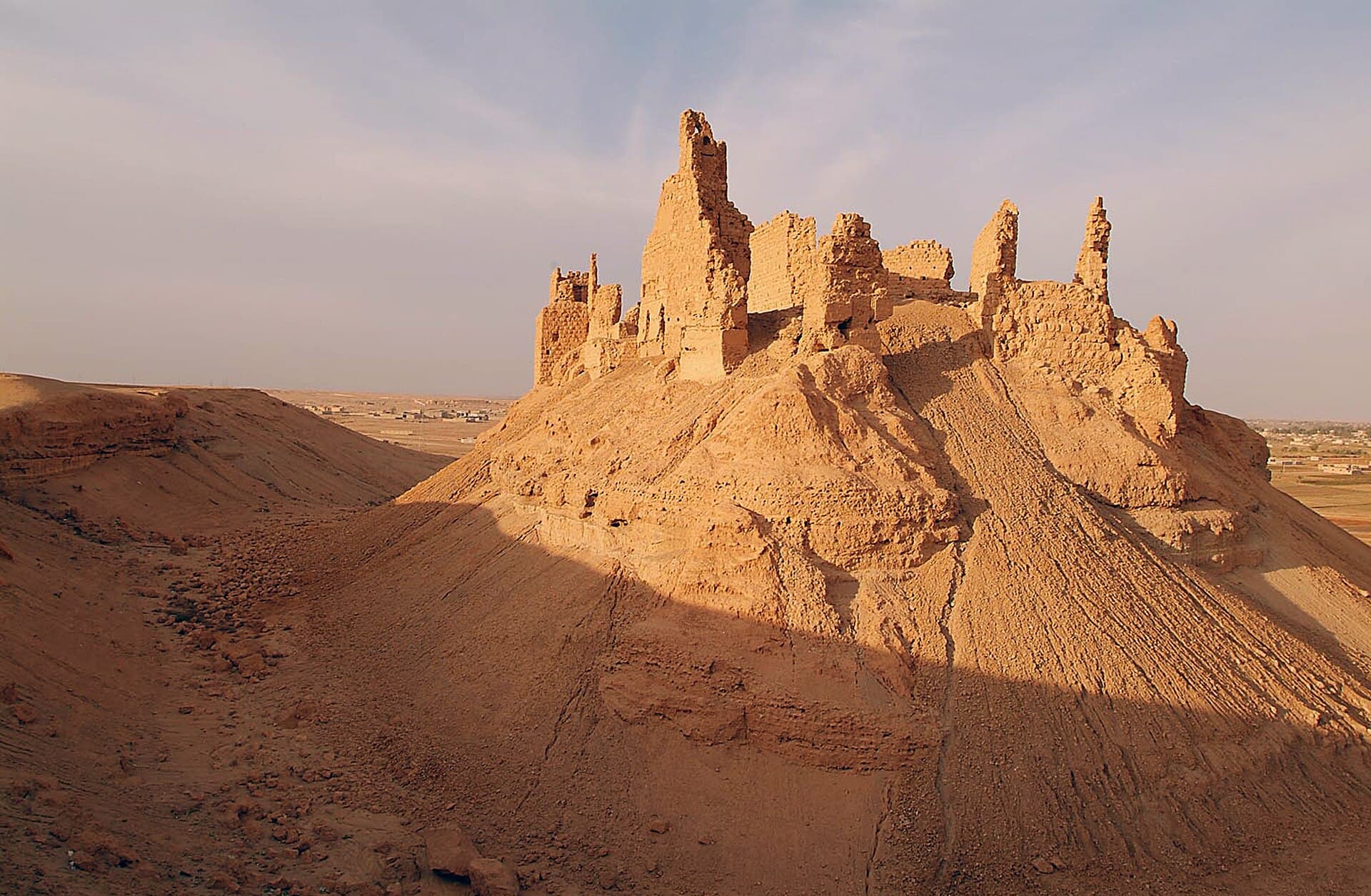 By car · 1 day
Deir ez-Zor to Mayadin: Bouqras, Rahba Castle and Terqa in a day
A day down the right bank of the Euphrates: the Neolithic mound of Bouqras, the mud-brick Rahba Castle, the town of Mayadin and Terqa. A 144-kilometre round trip.
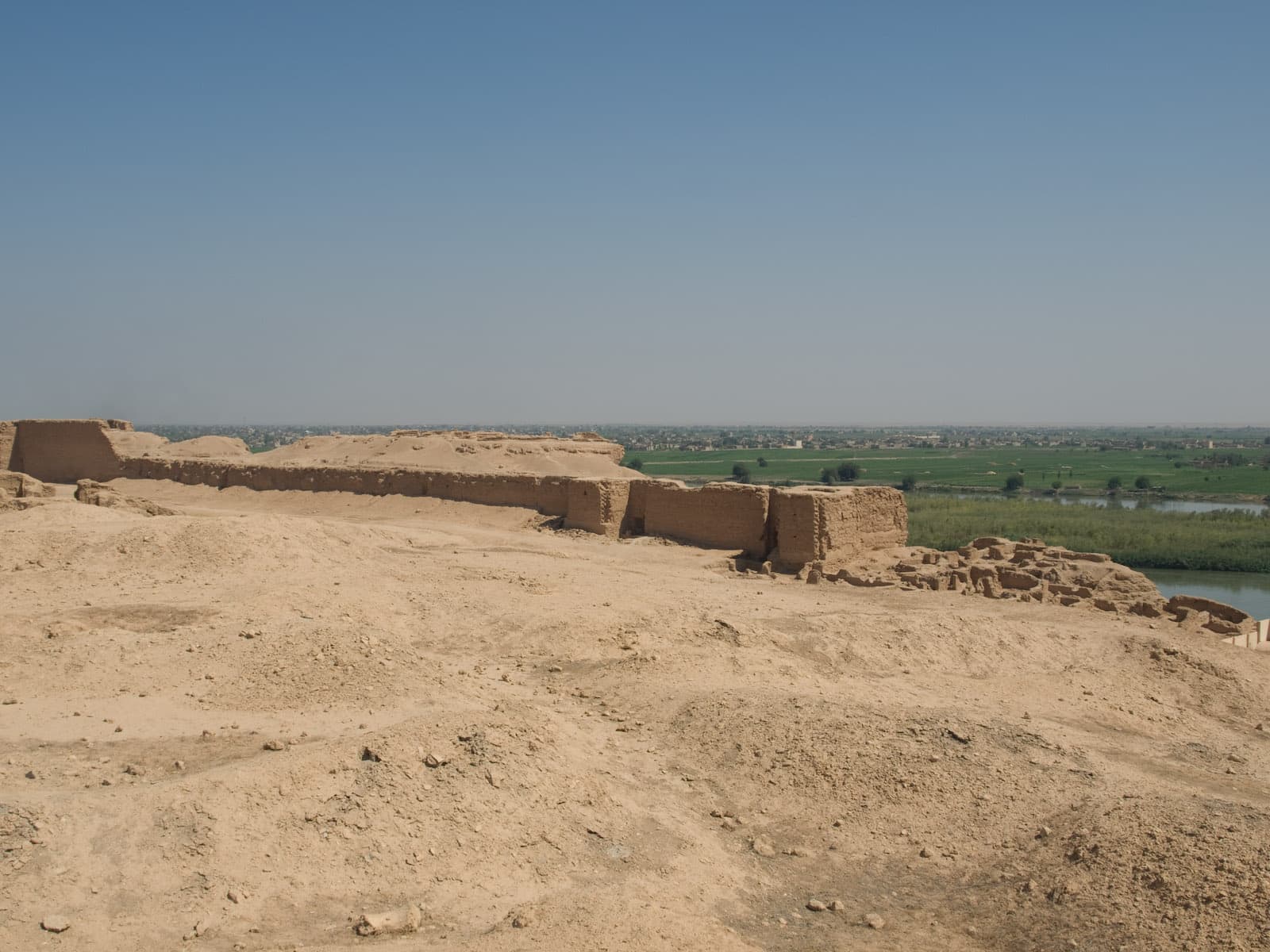 By car · 1 day
Down the Euphrates to Mari
A 125-kilometre day along the river that starts at the museum and ends at Dura-Europos and Mari. The order matters: the display case first, then the mound.
Transparency
- How this was chosen
- The answer on this page is written by hand. The lists are built from published records tied to this city and grow on their own as records are added.
- Facts checked
- September 2026
- Last updated
- September 15, 2026