Bouqras, a Neolithic Mound on the Euphrates
A 5-hectare Neolithic mound 35 km from Deir ez-Zor, with mudbrick houses, a bird frieze and Anatolian obsidian. The house to see is in the Deir ez-Zor Museum.
- Opening hours
- Open ground; whether there is a guard or signage on the mound could not be confirmed
- Entry
- Variable — confirm on site
- Duration
- 45 minutes
- Best time
- A spring morning; there is no shade in the valley and the afternoon heat is heavy
- Period
- Neolithic, about 7400-6200 BC
- Address
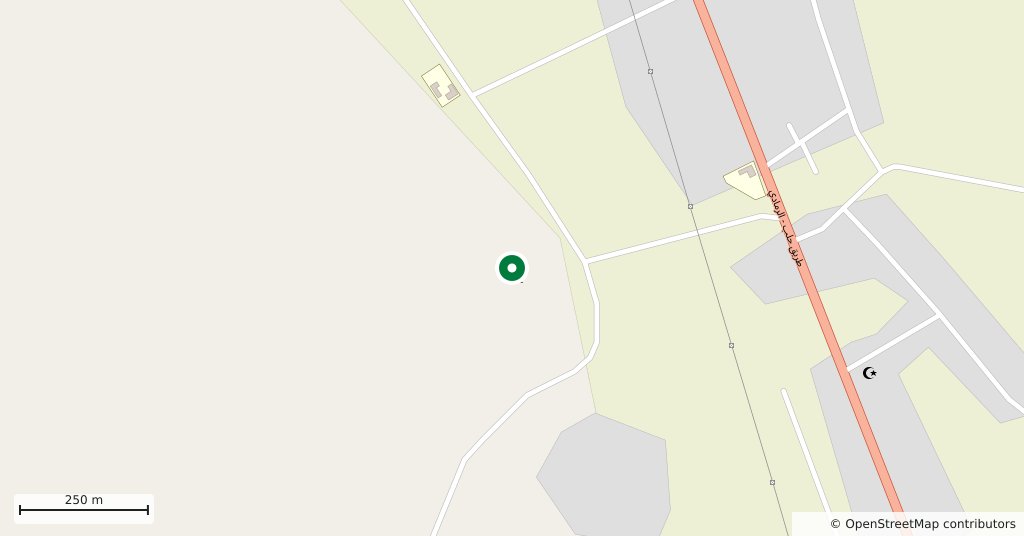
- Beside the villages of Buqras Tahtani and Buqras Fawqani, on the Euphrates, south-east of Deir ez-Zor
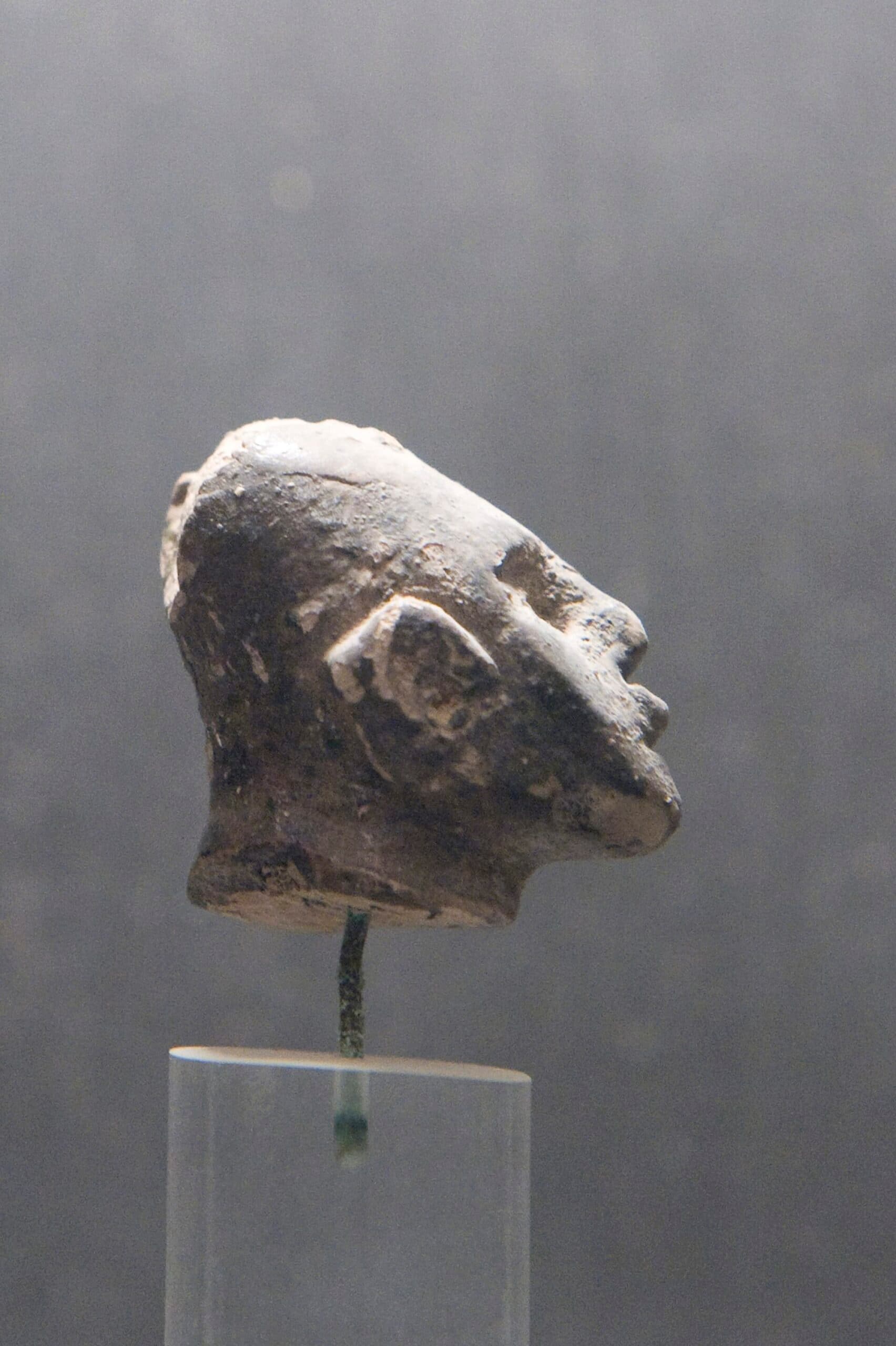
Bouqras is an oval mound of 5 hectares on the Euphrates, about 35 kilometres south-east of Deir ez-Zor. Under it lies a Neolithic village spread over roughly 7400 to 6200 BC: mudbrick houses laid out to a regular plan, white plastered walls and a wall painting of birds. What can be seen on the mound today cannot be confirmed, so the weight of a visit falls on the Deir ez-Zor Museum, where one of the houses was rebuilt at full scale along with the finds.
Getting there
From Deir ez-Zor, south-east along the Euphrates towards Mayadin. The mound stands beside the villages of Buqras Tahtani and Buqras Fawqani. There is no recent information on signs or a guard, so ask for directions in the village.
Who lived here
The excavators counted 11 phases of occupation in more than 4 metres of deposit, spread over at least a thousand years. The lowest, phases 11 to 8, have no pottery; phases 7 to 1 do, and over 7000 sherds were collected. The houses are rectangular, with three or four rooms, and follow the same pattern: rooms, entrance and hearth placed the same way each time. By the last phases the village may have held 700 to 1000 people.
Farming depended on rain: emmer, einkorn and free-threshing wheat, barley, peas and lentils. Sheep and goat make up about 80 per cent of the animal bones. Deer, gazelle and onager, a wild ass, were hunted.
What was found
Obsidian turned up in quantity. This volcanic glass does not occur in the region and came from Anatolia, the clearest sign that the village was tied into a long-distance exchange network. There were also distinctive vessels carved from local limestone, alabaster and gypsum, a stamp seal of jadeite, and arrowheads of the Byblos and Amuq types. The finds are now split between the Deir ez-Zor Museum, the Louvre in Paris and the Metropolitan Museum in New York.
Who excavated it
The Dutch geomorphologist Willem van Liere found the mound in 1960. Henri de Contenson and van Liere dug it between 1960 and 1965, and Peter Akkermans, Maurits van Loon, J. J. Roodenberg and H. T. Waterbolk between 1976 and 1978. The dig ended in 1978, and no new season has opened since.
What not to miss
The birds in the wall painting. The inner walls of the houses were plastered white and picked out here and there in red ochre; on one wall a line of long-legged birds walks in file. A copy of the painting is in the Deir ez-Zor Museum. Stepping inside the house rebuilt there from this village, and seeing how small the rooms are, says more than standing on the mound.
Where it stands now
Whether illegal digging reached the mound after 2011, and what state its surface is in, cannot be independently confirmed. Ask in Deir ez-Zor about the museum as well before setting out.
Tips
- Go to the Deir ez-Zor Museum first; the house rebuilt from Bouqras and the wall painting are there
- Ask in the village about the route and the current situation before heading to the mound
- Leave surface sherds where they lie; the site is protected and a find loses its meaning once moved
- Qal'at al-Rahba and Mayadin are on the same road and fit into the same day
Transparency
- How this was chosen
- Written by hand; opening hours, entry fee and coordinates are kept as data. A field that is not known for certain is marked as variable rather than guessed.
- Facts checked
- September 2026
- Last updated
- September 15, 2026