What is Latakia famous for?
Latakia is known as Syria's main port and the centre of its coast, and for the sea and the climate that come with it. After the dry heat inland this is another Syria: humid, green, facing the water — the corniche in the late afternoon, and the Roman columns downtown from the years the city went by the name Laodicea. What surrounds it is named as often as the city itself: the pine forests of Kessab to the north, and Ugarit to the south, the mound where some of the earliest alphabetic writing was found.
Highlights
- The seafront corniche
- The mound at Ugarit
- The pine forests of Kessab
- The Roman columns
What to see
- Latakia · 18th century
The Al-Saliba Mosque in Latakia
An Ottoman mosque named after Latakia's old al-Saliba quarter and recorded in a 1749 decree: a four-domed prayer hall behind concrete extensions added from 1952.
- Latakia · 13th century
The Great Mosque of Latakia
Latakia's Ayyubid mosque, dated 1210 by the inscription over its entrance: a prayer hall under five domes, a stone minaret and a madrasa added on its west in 1422.
- Latakia · 12th century
The Al-Mashati Mosque in Latakia
A small mosque on Yarmouk Street in Latakia's old al-Saliba quarter: a Crusader-era church that became a mosque after Saladin took the city back in 1188.
- Latakia · Mamluk core
Sheikh al-Batrani Mosque, Latakia
A mosque in Latakia's al-Kamiliyah quarter where a small Mamluk-era vaulted hall survives inside the 2005 and 2015 extensions, and how to tell old from new.
- Latakia · 1936–1940
St George Greek Orthodox Cathedral, Latakia
The Greek Orthodox cathedral of Latakia and the city's largest church, rebuilt with donations in 1936–1940. A marble plaque dated 1940 records the work.
- Latakia · Greek Orthodox, 1722 and 1845
St Nicholas Church, Latakia
Latakia's Greek Orthodox church on the goldsmiths' souq, repaired in 1722 and merged with Mar Musa in 1845. A street now runs over part of the older building.
Where to eat
- Latakia · Ramadan sweet
Kusaybeh, Latakia’s Ramadan sesame paste
Unhulled sesame is roasted, ground and kneaded with salted water until the oil separates, leaving a dark, faintly bitter paste eaten in Latakia with halva and dates.
- Syrian coast countryside · Qozla bread
Qozla bread, the Eastern New Year loaf of the Syrian coast
Baked once a year in village tannour ovens around Latakia and Tartus for Qozla on 13-14 January, with red pepper, olive oil, sesame and nigella seed in the dough.
- Syrian coast · winter olive oil
Zeit al-Khraij, the boiled-olive oil of the Syrian coast
In the hills behind Jableh and Baniyas, olives are boiled, fermented on rooftops and pressed into khraij, a near-black, sharp oil poured over bulgur and shanklish.
Ready-made routes
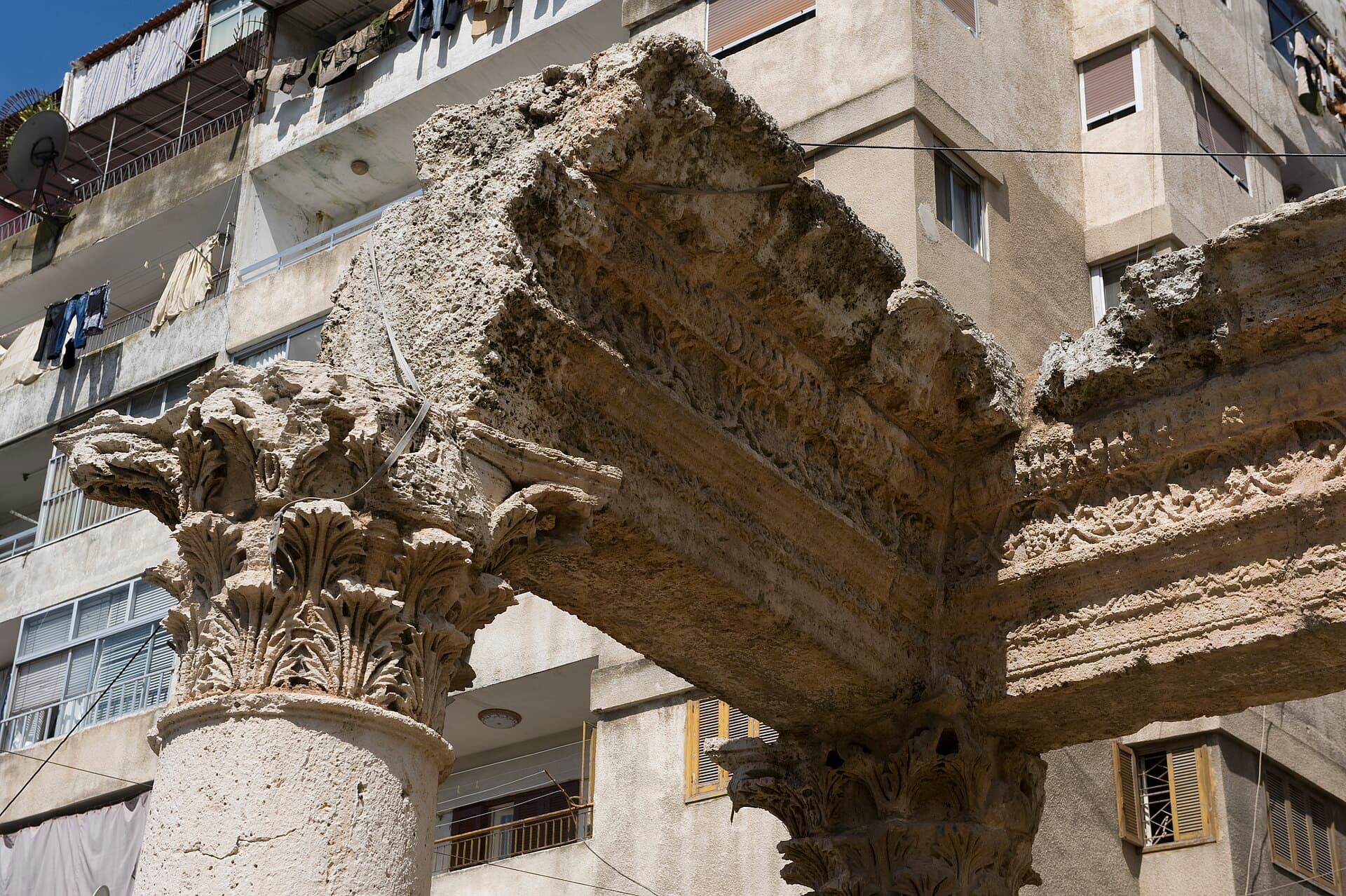 On foot · half a day
Latakia’s al-Saliba quarter on foot: mosques, a zawiya and Roman columns
A half-day walk in al-Saliba, Latakia's oldest quarter: the Roman arch, two mosques that began as Crusader churches, a zawiya of 1291 and Roman columns.
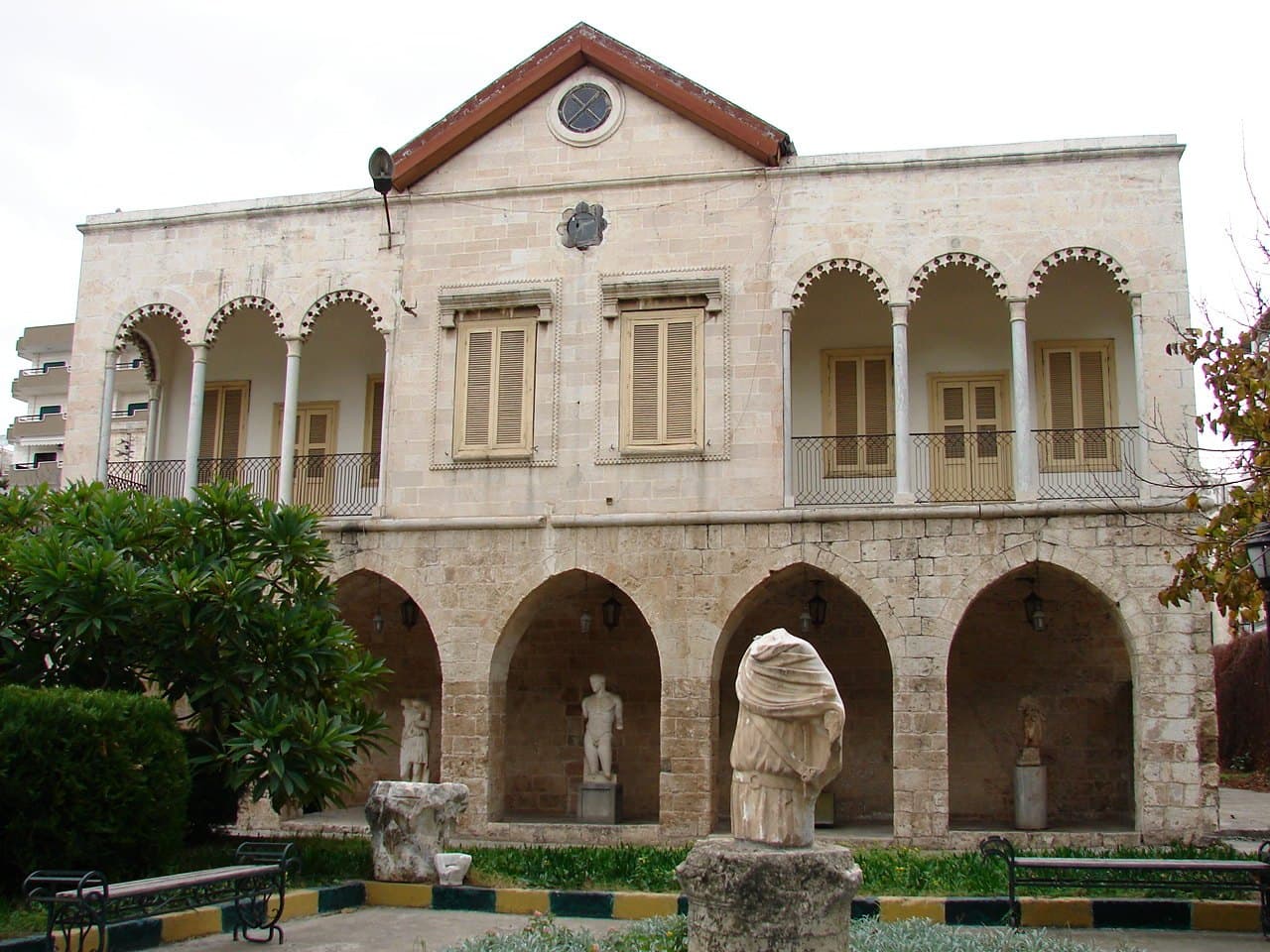 On foot · half a day
Latakia’s al-Kamiliyah quarter walk: from the National Museum to Baghdad Street
Three hours in Latakia's al-Kamiliyah quarter: the National Museum in an old khan, a Mamluk prayer hall, the Evangelical Church, the serail and the Latin Church.
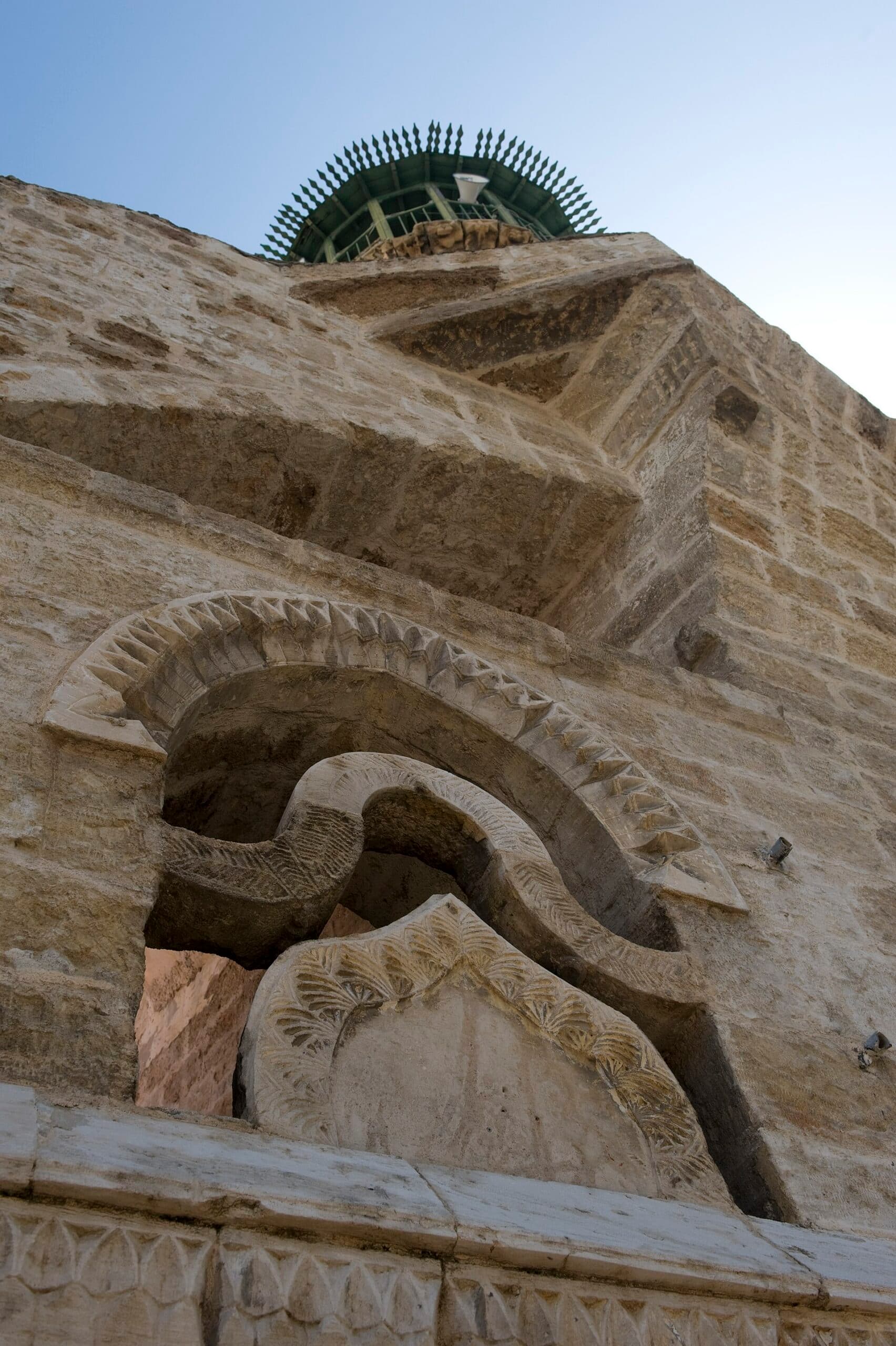 On foot · half a day
Ottoman Latakia on foot: from the Sheikh al-Maghribi Mosque to the Hamidiye Serail
Three hours in Ottoman Latakia: a Moroccan scholar's mosque, two mosques of 1727, a wheat khan on Roman columns, the Al-Bazar Mosque and the 1905 serail.
Transparency
- How this was chosen
- The answer on this page is written by hand. The lists are built from published records tied to this city and grow on their own as records are added.
- Facts checked
- August 2026
- Last updated
- September 15, 2026