Is it safe to travel to Syria?
This page does not answer yes or no. What the advisories say now, what a policy really covers, where consular help ends, and what to ask before you decide.
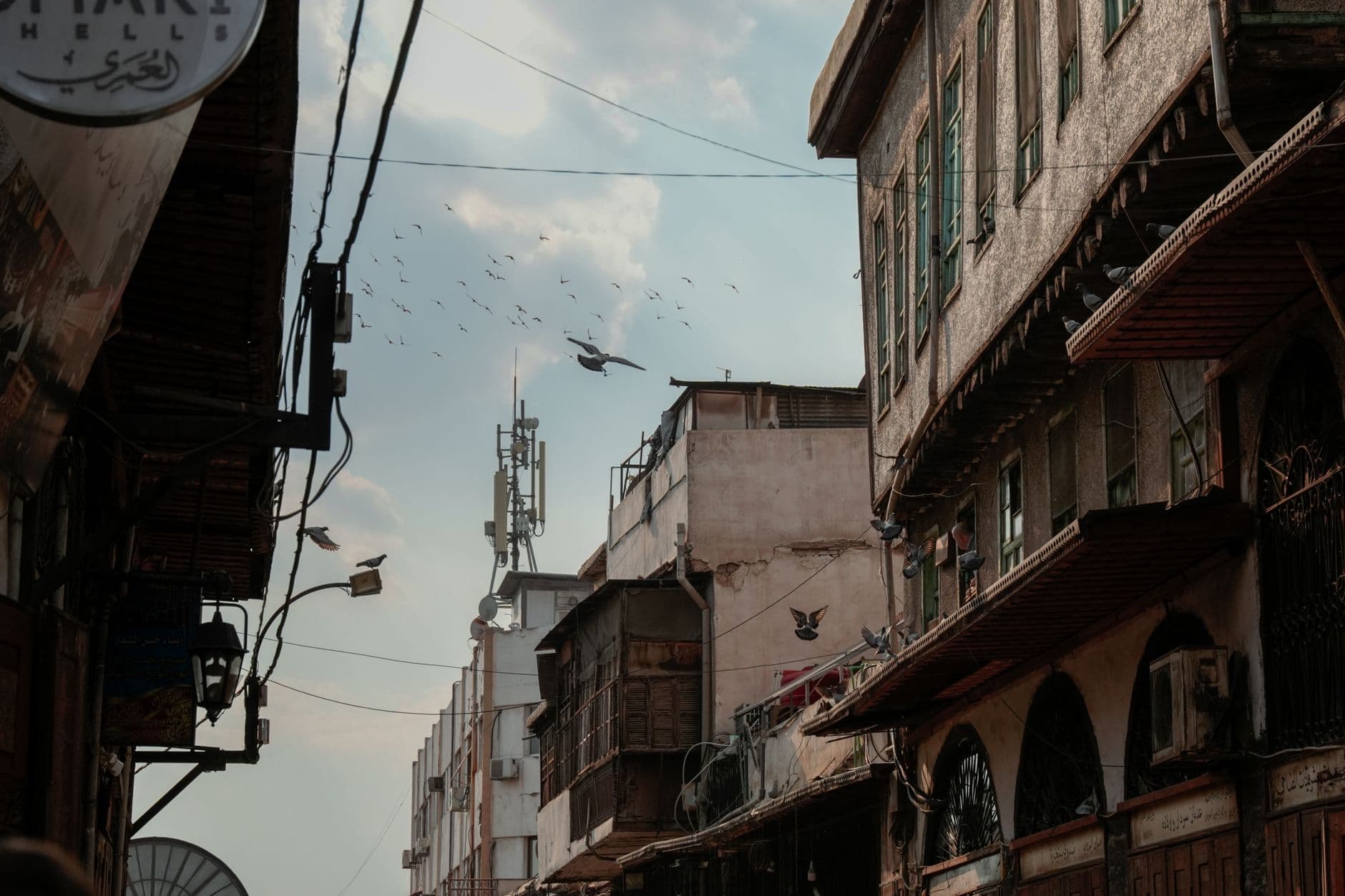
This page does not say yes or no. It cannot: the answer is made by your nationality, your policy, your reason for going and the state of that particular week. What is here is narrower — the places you need to look before deciding, and what they say today.
What the advisories say now
The UK Foreign Office advice, updated on 2 September 2026, tells British nationals not to travel to Syria at all. Two reasons are given: unpredictable security conditions and the threat of terrorist attack. The advice does not divide the country into zones, so a calm city does not narrow the warning. Many other governments hold their highest level too, with different names and different reasoning behind them. Read your own foreign ministry’s page yourself; somebody else’s summary is not enough to decide on.
That advice does not stay abstract either. On 2 July 2026 a bomb in a crowded café in central Damascus killed at least 9 people and injured 22. On 7 July 2026 two more devices went off outside a hotel and the Ministry of Tourism. These are not the ordinary state of the country. They do show that the sentence “the capital is calm” is not a guarantee on its own.
Three concrete consequences
From a distance the advisory reads like a suggestion. In three places it touches you directly.
- Your policy. Travel insurance can be treated as void if you enter a country your own government tells you to avoid; the advice states this in its opening lines.
- Consular help. The UK says plainly that consular support is not available to its nationals from inside Syria, and gives one contact — London, on +44 20 7008 5000. Other countries’ presence in Damascus differs; find out about yours before you set off.
- Tickets and tours. A traveller who goes against the advice falls outside most of the protection that normally applies to cancellation and disruption.
What a policy actually covers
The answer sits in the policy wording, not on the sales page. A standard travel policy usually excludes a country under a do-not-travel warning outright. The ones that do cover it are a separate product at a separate price.
The question to ask is one sentence: does this policy cover treatment and medical evacuation in a country my government tells me not to enter. Ask for the answer in writing. The expensive item is not treatment but evacuation. The UK health page describes badly damaged health infrastructure and hospitals that no longer operate. It then asks you to check the same two things: can your destination provide the care you may need, and does your insurance cover an unexpected evacuation.
How real is the regional difference
The difference is real. A day inside the old city of Damascus and a road in the north-east are not the same thing, and pretending otherwise would be its own kind of misinformation.
What matters is knowing where that difference stops. The same advice records that parts of the country sit under the control of local armed groups, and names Suwayda in the south. It adds that curfews can be imposed anywhere, and that fighting has at times suspended flights and closed border crossings. So the regional difference is real in daily experience, and absent from both the warning and your policy. Which region stands where today is the subject of a separate page on this site.
Who goes, and how
Three groups enter the country now, and their reasons and preparation all differ. The largest is Syrians visiting family: they know where they are going, what is spoken there and who to ask. The second is journalists and aid workers, arriving under an institutional security assessment. The UK advice carries a separate line for them — journalists face a higher risk of detention, mistreatment and confiscation of equipment.
The third group is small, and this site’s reader is largely in it. Independent travellers on short itineraries, anchored on Damascus and Aleppo, moving with a local driver. What they share comes down to a few habits. The itinerary stays short, nobody drives between cities at night, the route is confirmed locally that morning, and one person at home knows where they are each day.
Five questions before you decide
- Does my policy cover treatment and medical evacuation in a country under a warning, and do I have that in writing?
- Does my country keep a working mission in Damascus, and if not, who do I contact?
- Does this trip have a reason that cannot wait, or is it curiosity?
- Who is going to tell me the state of the road and the city that week?
- If something happens, who at home calls whom, and when?
If the answer to all five is “I don’t know”, the conclusion is not that you should stay away. It is that you have not decided yet, and those two are not the same thing.
Tips
- Read your own foreign ministry's page yourself; a summary is not enough to decide on
- Ask the insurer one question: treatment and evacuation under a warning — get it in writing
- Consular help may be unavailable from inside the country; find your contact first
- Regional difference is real in daily experience, and absent from the warning
- Short itinerary, no night driving, route confirmed locally that morning
Transparency
- How this was chosen
- This page carries the fastest-ageing information on the site: visa rules, exchange rates, border crossings and SIM prices change several times a year. The verification date above says when the facts were last put through their sources; for anything later, check your own foreign ministry travel advice and a Syrian consulate. No figure that is not known for certain is written here.
- Facts checked
- September 2026
- Last updated
- September 15, 2026