Returns and reconstruction, in figures
How many people have come back, how much housing was lost, why rubble clearance is slow and where repair stands city by city. Dated numbers, no comment.
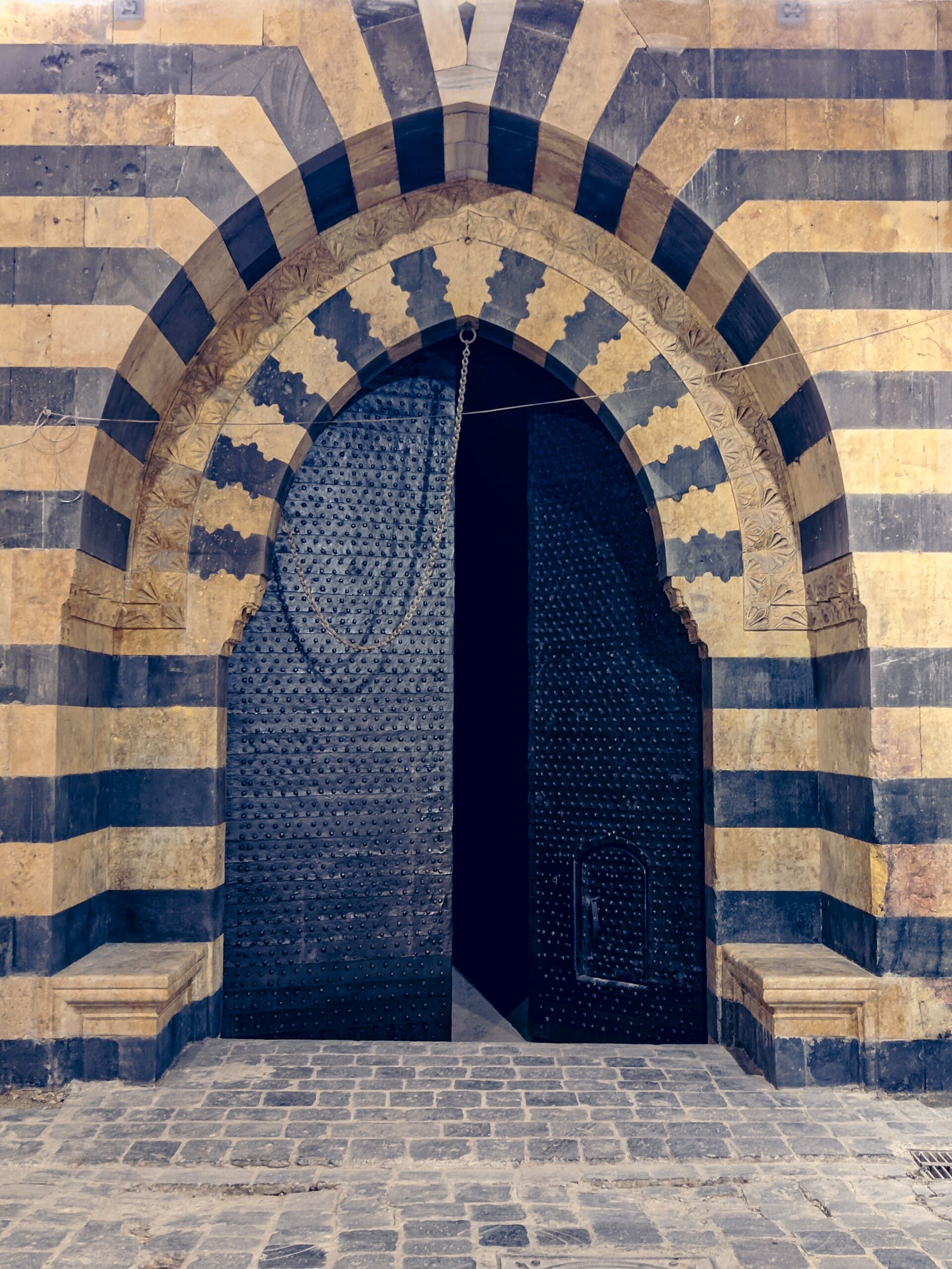
Everyone travelling in Syria sees the same picture: a repaired facade next to an empty building, a newly opened shop next to a closed shutter, a crane in one quarter and nothing in the next. This page is about the process behind that picture — how many people have come back, how much was destroyed, and where the repair work stands.
There is no political comment here. There are figures and dates, and the source is stated: numbers and field assessments published by United Nations bodies. The figures move fast, so each one carries the date it belongs to.
Returns: the figures and their dates
Around 14 million people have been displaced since 2011. Some of them moved within the country, some crossed a border.
In September 2025 the United Nations said that about one million refugees had come back from abroad since December 2024. In July 2026 the UN special rapporteur reported after an official visit to Syria and gave a more recent picture. Since December 2024 close to two million internally displaced people, and one million seven hundred thousand refugees from abroad, have returned home. The same statement put five and a half million people still displaced inside the country, and close to sixteen million in need of humanitarian assistance.
So the return is real and it is large, while most of the displaced population is still not home. The two have to be read together.
The scale of the damage
Housing took the heaviest part. In the governorates where fighting continued, over two hundred thousand homes were destroyed outright and more than six hundred thousand were partly damaged. The largest share of affected housing is in Aleppo, at 64 per cent on its own. Homs is second at 16 per cent.
Those proportions explain what a visitor sees. In Aleppo one street stands and the next is empty; in Homs part of the old centre has been repaired and the ring around it has not. The damage is distributed quarter by quarter rather than city by city.
Rubble
The first step in rebuilding is not putting up a building, it is clearing the rubble. Under the debris there is unexploded ordnance, broken services and, in many places, missing people. That is why the work cannot simply be done fast with machines, and why some sites wait for search teams first.
In 2023 the UN General Assembly established an independent institution for the missing. It has processed more than 75 thousand documents and its work continues. If you want to understand why the clearance timetable is slow, part of the answer is here.
Power, water and services
Electricity generation fell by around 40 per cent through damage to plants and shortage of fuel. The grid stands but does not cover demand; most households subscribe to a neighbourhood generator, and the number of solar panels on roofs has grown in recent years.
On the water side the problem is the network rather than the source: pumps run on electricity, so a cut takes the pressure down with it. What all this means on the traveller’s side is set out on a separate page of this site. This one gives the picture itself.
Where each city stands
There is no single answer, because the stage depends on the quarter rather than the city. A rough picture is still possible.
The old city of Damascus is largely standing and working, with the damage concentrated in the eastern and southern outskirts. In Aleppo the old city and the souq are under repair and shops are reopening section by section, while empty buildings are still common in the northern and eastern quarters. In Homs part of the old centre has been repaired and the quarters around it lag behind. Hama, Latakia and Tartus took comparatively little war damage and are the most functional cities today. At Palmyra the town and the archaeological site are separate problems, and both are waiting on repair.
Heritage
The most visible repair work is on heritage buildings. The Madina souq in Aleppo is reopening in sections, and single buildings such as the Silk Khan have been restored and put back into use. At the Great Mosque of Aleppo the place where the minaret fell in 2013 is there in the north-west corner of the courtyard, and work continues.
This goes slowly because it is expensive and because it has to be done properly: stone cut to match, fallen pieces numbered and put back. Fast restoration is not good news here.
The size of the bill
The UN statement of July 2026 put the reconstruction requirement at 216 billion dollars. To see how large that is, compare it with pre-war budgets: the country cannot meet an investment on this scale out of its own resources.
Most of the repair actually moving today is small in scale: a family fixing its own house, a shopkeeper his own shop, a foundation a mosque. What a visitor sees being repaired in the street is largely this — not something arriving from the centre, but something coming out of the quarter.
What this changes for a visitor
Three things. First, you stop completing the story when you see an empty building; who has come back and who has not cannot be read off one facade. Second, a shop being open is an achievement, and leaving money there does direct good. Third, do not make the rubble your subject — the responsible travel page on this site covers that separately.
One more thing: these figures change within six months. Every number on this page carries its date. Check the current one before you go.
Tips
- July 2026: since December 2024 close to two million returned inside the country and one million seven hundred thousand from abroad
- Aleppo holds 64 per cent of affected housing, Homs 16 per cent
- Rubble cannot be cleared fast by machine: ordnance, broken services and missing people lie under it
- The reconstruction requirement is given as 216 billion dollars (July 2026)
- The figures change within six months; check the current ones before you travel
Transparency
- How this was chosen
- This page carries the fastest-ageing information on the site: visa rules, exchange rates, border crossings and SIM prices change several times a year. The verification date above says when the facts were last put through their sources; for anything later, check your own foreign ministry travel advice and a Syrian consulate. No figure that is not known for certain is written here.
- Facts checked
- September 2026
- Last updated
- September 15, 2026