Where to stay in Aleppo, neighbourhood by neighbourhood
Jdeideh, Aziziyeh or New Aleppo? How far to the citadel and the souq, how loud the evening is, how the power arrives — district by district, no hotel names.
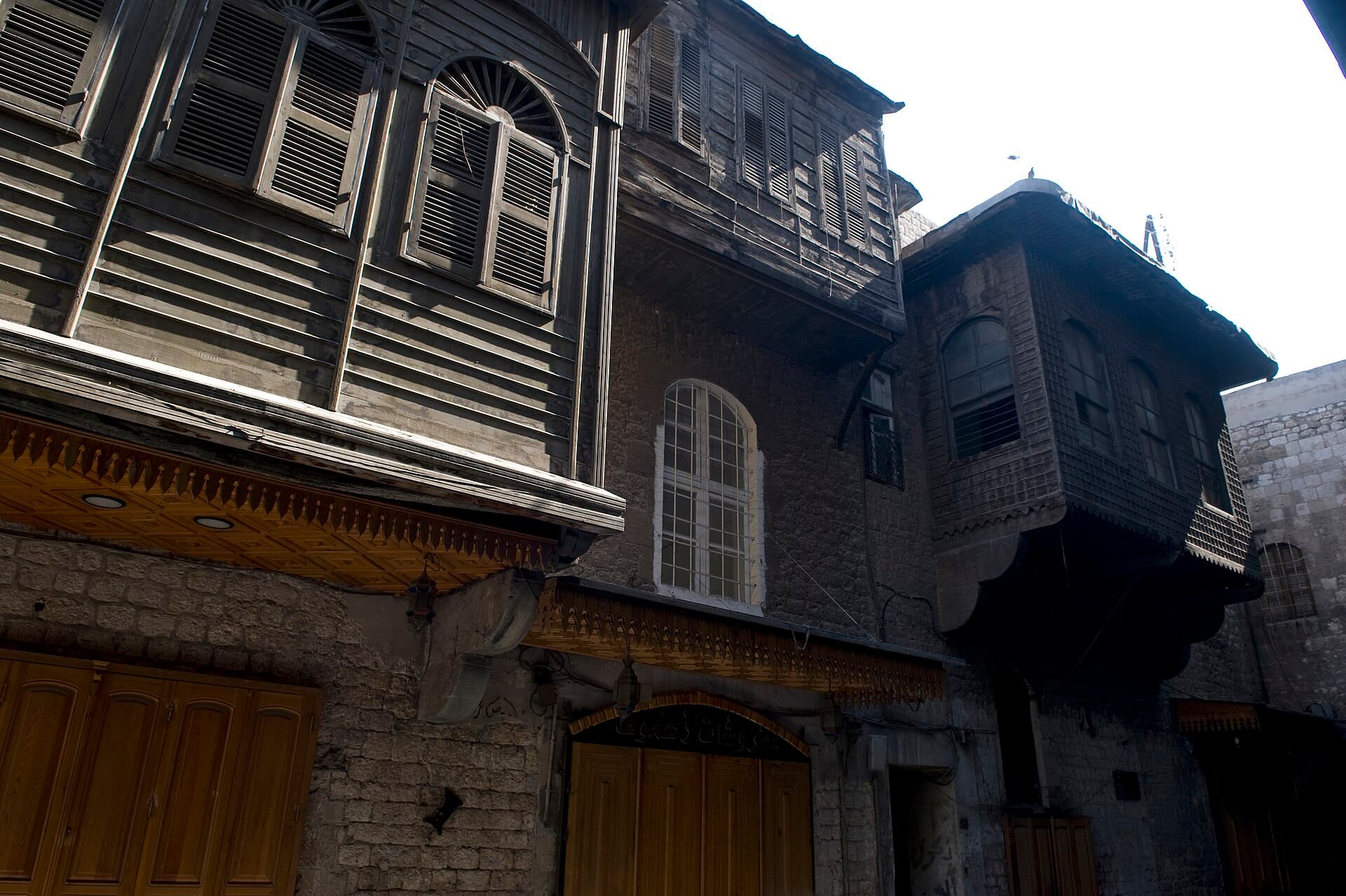
The choice of district matters more in Aleppo than in Damascus, because the city was not damaged evenly. The western half stayed standing and daily life carries on there, while the Old City and the eastern districts are still under repair. What follows are the districts visitors actually stay in: how far they sit from the citadel and the souq, how the evening sounds, and whether a car turns up at night. No hotels are named. Booking, payment and passport registration sit on the accommodation page.
Jdeideh: north of the Old City
Jdeideh is Aleppo’s quarter of courtyard houses, stone façades and wooden upper storeys that lean over the lane, and most of the small places open to visitors are here. The distances are short: 1000 metres to the citadel, 900 metres to the Al-Madina Souq, 600 metres to the Aleppo National Museum. Sahat al-Hatab is the square at the centre of the quarter, and the citadel is 1000 metres from there too. A whole two-day plan fits inside that radius.
The lanes are not as tight as those of old Damascus, though a car still will not reach every door and you walk the last stretch. Evenings are quiet and the nights quieter. In exchange, repair work continues in some streets: scaffolding, rubble lorries and a site that starts early are all normal. Asking whether your lane is under repair is a useful question before you book.
One thing about Jdeideh gets said less often: the quarter is itself something to see. Churches, carved house fronts and narrow lanes fit into the half hour before breakfast, and walking the same route again after dark makes it read as a different quarter.
Aziziyeh and the new city
Aziziyeh is the centre of the nineteenth-century new city: broad streets, coffee houses, sweet shops, and shops that stay open late. It sits 400 metres from Jdeideh and 1400 metres from the citadel. For anyone who wants to see an Aleppo evening this is the liveliest ground, and for anyone after silence it is the loudest. Rooms are more standard than the conversions in Jdeideh, usually larger, and without a courtyard.
Walking still works from here. The citadel is about twenty minutes away and the souq a little more, both on level ground. A suitcase wheel turns here, which it does not in the Old City.
Around the citadel and inside the walls
Staying at the foot of the citadel or inside the Al-Madina Souq sounds right, but the options are few. This part of the Old City was heavily damaged and the repairs are still running: part of the souq has reopened, part is closed, and some streets remain building sites. Places to stay are correspondingly thin, and which ones are open changes with the season. Walking in early in the morning is easier than sleeping here.
Suleimaniyeh and New Aleppo
Suleimaniyeh is an orderly, quiet district close to the centre, while New Aleppo lies west of the city in wide roads and apartment blocks. Both give you a newer room at a lower price. The cost is distance: the citadel and the souq become a daily drive, and the evening return has to be planned. That suits a long stay, arrival by car, or using the city as a base for trips out. For two nights it is needless effort.
The price gap is real, but it does not decide on its own. Two taxis a day take back a good part of that gap across a week, and the daily job of planning the evening return sits on top of it.
The eastern districts
The east of the city took the worst of the war and repair there is only beginning. In practice there is nothing open to visitors. Walking those districts is a separate question as well, since rubble, unstable structures and unexploded ordnance are all real, and nobody goes without a local guide. The rules for that sit on the damaged-areas safety page.
Where the morning starts
The first hour of the day changes with the district. In Jdeideh the lane opens quietly, the bakery is a few streets away and the road to the citadel is empty. In Aziziyeh the morning starts with the avenue: coffee, fresh bread and a stall on the same line. In New Aleppo breakfast is solved inside the district, but the run into the centre lands in the morning traffic. Souq and shops open around 09:00, and the citadel is at its emptiest in early light. So the choice of district sets the first two hours of the day as much as the evening.
Sound, power and the ampere line
At night in Aleppo the sound usually comes from a generator rather than from traffic. Mains cuts are daily and neighbourhood generators fill the gap, with the ampere subscription running across the whole city. Hot water, the lift and the wifi where you are staying hang on the same arrangement. One question at check-in covers it: which hours does the generator run. How the system is put together is explained on the infrastructure page.
Getting back at night, and distances
Aleppo is a walkable city, but distances stretch once it is dark. Jdeideh to Aziziyeh stays comfortable on foot at night; the citadel to New Aleppo is a taxi. Cars are easy to find along the Aziziyeh and Suleimaniyeh axis and hard to find in the inner lanes of the Old City. The airport lies east of the city and runs a limited number of flights; most visitors arrive by road, and the coach yards are on the western side. If your departure is early, weigh that when you pick a district.
Street lighting varies by district too. Some lanes go fully dark when the cut lands on that hour, so keep a torch on your phone and the address of your room written out in Arabic.
Tips
- From Jdeideh: 1000 metres to the citadel, 900 to the souq, 600 to the museum
- Aziziyeh for a lively evening, Jdeideh for a quiet night
- Little is open at the foot of the citadel; that part of the Old City is still under repair
- Ask before booking: is the lane under repair, and which hours the generator runs
- New Aleppo is cheaper but means a daily drive — wrong for a two-night visit
Transparency
- How this was chosen
- This page carries the fastest-ageing information on the site: visa rules, exchange rates, border crossings and SIM prices change several times a year. The verification date above says when the facts were last put through their sources; for anything later, check your own foreign ministry travel advice and a Syrian consulate. No figure that is not known for certain is written here.
- Facts checked
- September 2026
- Last updated
- September 15, 2026