Lady of the Valley Statue, Valley of the Christians
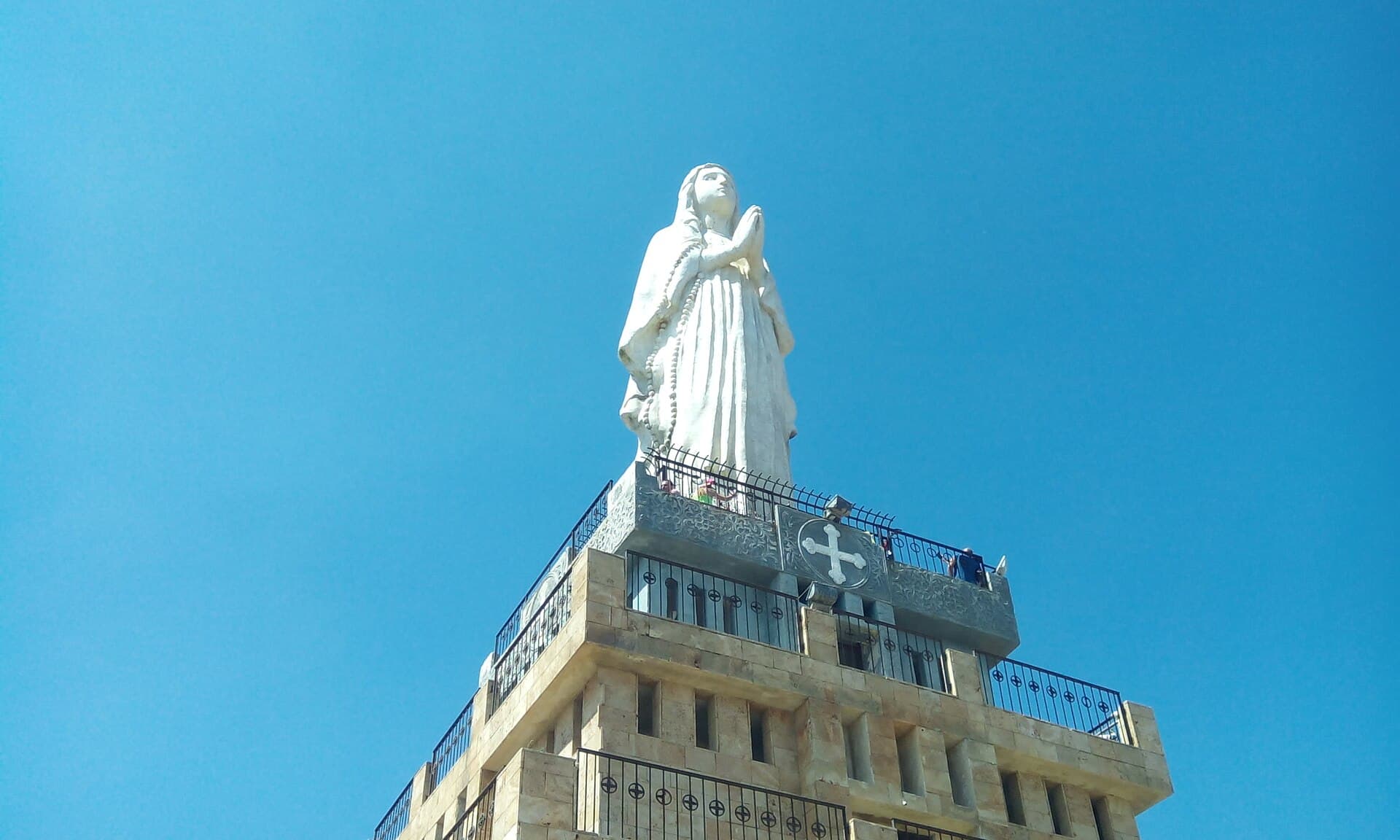
A 30 m statue of the Virgin Mary on the 980 m summit of Jabal al-Sayih above al-Nasirah, in the Valley of the Christians near Krak des Chevaliers. Opened in 2009.
- Opening hours
- Varies — check the current situation before you go
- Entry
- Varies — check at the entrance
- Duration
- 45 minutes
- Best time
- A clear day; the summit is at 980 m and haze hides the view
- Period
- Modern — 2009
- Address
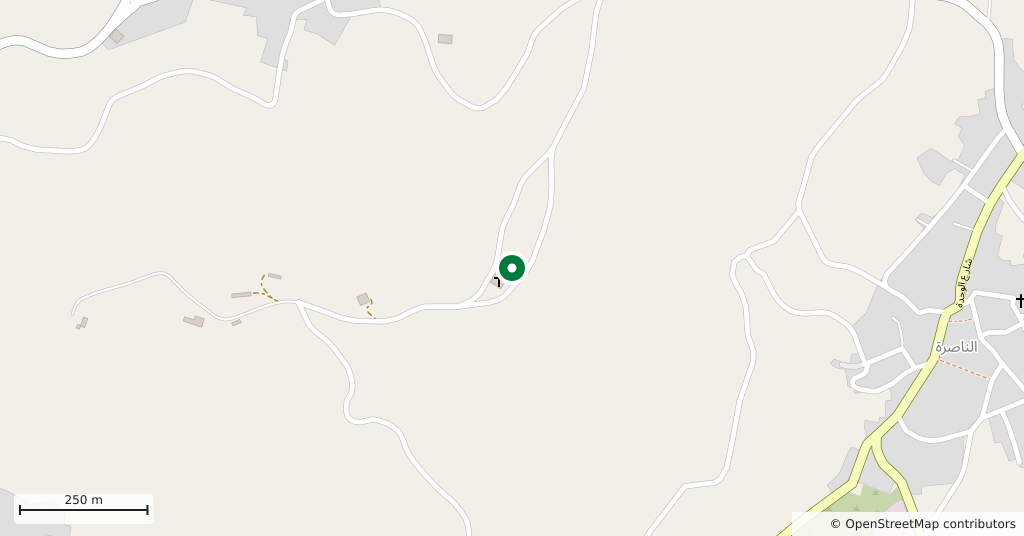
- Summit of Jabal al-Sayih, al-Nasirah village, Valley of the Christians, Homs
The Lady of the Valley (Sayyidat al-Wadi) is a statue of the Virgin Mary above the village of al-Nasirah, in the Valley of the Christians west of Homs. With its base it stands 30 m tall, on the summit of Jabal al-Sayih, 980 m above sea level. It was inaugurated on 16 August 2009 and was presented at the time as the largest statue of the Virgin in the Middle East.
Where it is
The statue stands on the highest point of the mountain, in al-Nasirah, a village of Wadi al-Nasara. Right next to it are the Lady of the Valley Church, dedicated to Saint George, and the shrine of Saint Kyriakos, a hermit monk. Saint George’s Monastery in al-Mishtaya is roughly two and a half kilometres to the south as the crow flies, and the Krak des Chevaliers is in the same valley.
What to see
The statue rises from a three-storey building on a site of 4000 m². The first floor is a museum, which also sells icons, gifts and souvenirs. The second floor has a hall for receiving guests. Terraces with iron railings run around the stone-clad building and the base of the statue.
The mountain takes its name from the wandering hermit monks, called sayih in Arabic, who made it their home. Saint Kyriakos was one of them and was buried near the church of the Virgin on the summit; when he lived is not known. Wild thyme and other plants used both in cooking and as remedies grow on its slopes.
How it was built
An Italian company designed the statue, and a North Korean company built it together with Syrian engineers in 70 days. The donor was al-Khair, a Syrian business group. The statue was put up as part of the 2009 Castle and Valley Festival. Patriarch Ignatius IV Hazim of the Greek Orthodox Church of Antioch led the service held before the inauguration. A cable car linking the Krak des Chevaliers to the mountain was announced at the opening; no source shows that it was ever built.
How long it takes
Forty-five minutes. That covers the area around the statue, the church, the shrine of Saint Kyriakos and, if it is open, the museum downstairs. No published information on visiting hours or museum entry was found, and there is no dated source from the last 12 months showing the summit is open to visitors, so check before you go.
Do not miss
The shrine of Saint Kyriakos. The statue naturally draws every eye, but the tradition of the hermit monks who gave the mountain its name lives on in this small shrine, which is far older than the statue.
Tips
- The Lady of the Valley Church and the shrine of Saint Kyriakos are on the same summit; all three make one stop
- The museum and icon shop are on the first floor of the building beneath the statue
- No source confirms the cable car announced at the opening; plan to go by road
- The Krak des Chevaliers is in the same valley; the two fit into one day
Transparency
- How this was chosen
- Written by hand; opening hours, entry fee and coordinates are kept as data. A field that is not known for certain is marked as variable rather than guessed.
- Facts checked
- September 2026
- Last updated
- September 15, 2026