The Sayyida Zaynab Shrine
The largest pilgrimage shrine in Syria, 12 kilometres south of Damascus. The gilded dome, the Iranian tilework, what to wear, and the search at the gate.
- Opening hours
- Through the day; confirm exact hours at the gate
- Entry
- Free
- Duration
- 60 minutes
- Best time
- Morning; the courtyard fills at prayer times
- Period
- Present building 1990
- Address
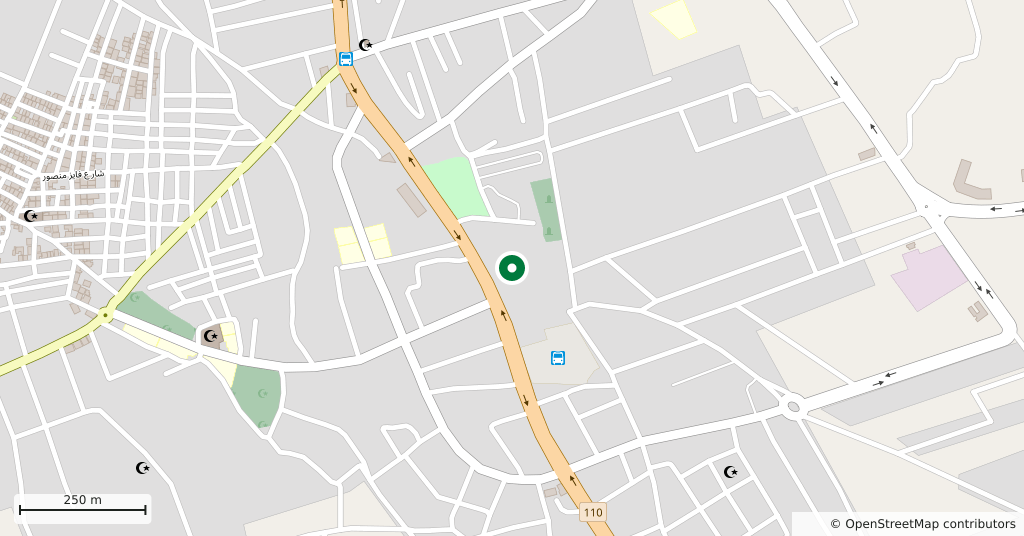
- Town of Sayyida Zaynab, 12 kilometres south of Damascus
A large shrine complex south of Damascus, in the town that carries its name. Twelver Shia tradition holds that Zaynab — daughter of Ali and Fatima, sister of Hasan and Husayn — is buried here, and this is the most visited pilgrimage site in Syria. Sunni and Ismaili tradition points instead to the mosque of the same name in Cairo. Both accounts stand side by side, and a visitor will hear both.
Getting there
12 kilometres south of the centre, roughly 30 minutes by car. The road is signposted with the town’s name, and telling a driver “Sayyida Zaynab” is enough. Heavy traffic can easily double that, so allow for the evening return.
What is expected of visitors
This is a working shrine, not a museum, and the rules follow from that. Shoes come off at the entrance. Men and women enter separately, and women are expected to be covered head to foot — a covering may be handed out at the door, but do not count on it; bring your own. There is a security search at the entrance and the queue can be long. Do not cross in front of anyone praying, and ask before photographing people.
What to see
The present building was completed in 1990. A wide square courtyard, a dome gilded on the outside, and two tall minarets. Iranian craftsmen tiled the minarets, the courtyard walls and the porches; inside, the surfaces are mirrored and glazed. The shrine has been administered by the same family, the Al Murtada, since the 14th century. Religious scholars are buried in the courtyard and the cemeteries around it, and the grave of Ali Shariati, a thinker of the Iranian revolution, lies within the compound.
Come knowing this
There were bomb attacks around the shrine in 2016 and 2017; the search at the gate is what remains of that. Whether non-Muslims may enter has varied from one period to another — ask the attendant at the door. Summer is the busiest season, when coach parties from several countries fill the courtyard in the same week.
What most people miss
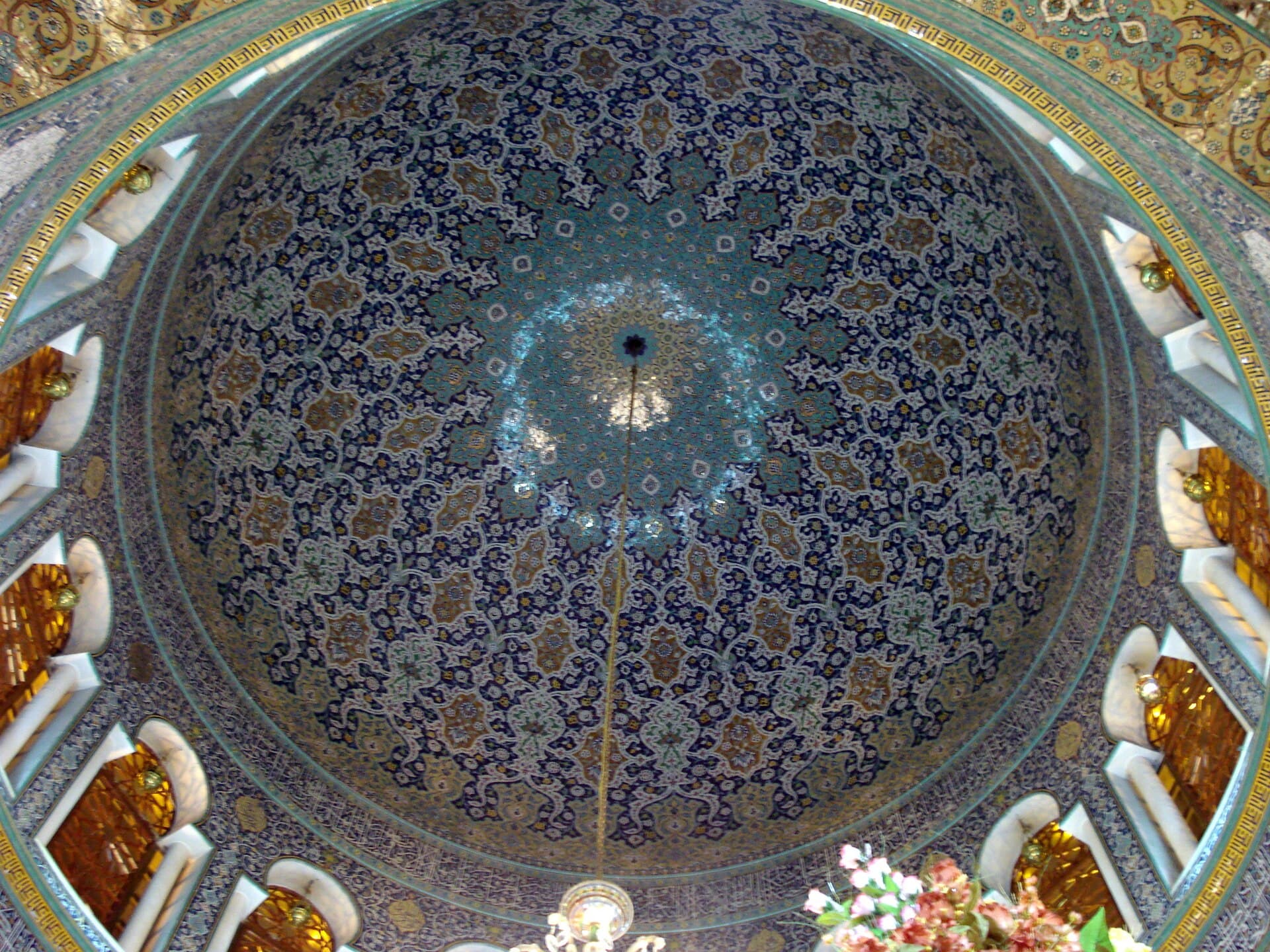
Look up once you are inside. Everyone faces the grille around the tomb, but the real work is overhead: star and arabesque patterns in tile on a deep blue ground, running metres across a single curved surface. Even in a crowd, only a handful of people are looking at the ceiling.
Tips
- Bring your own covering rather than relying on one at the door
- There is a security search at the entrance; allow time for the queue
- Ask before photographing people; the area around the tomb is for prayer
- Look up into the dome inside — that is where the tilework is
Transparency
- How this was chosen
- Written by hand; opening hours, entry fee and coordinates are kept as data. A field that is not known for certain is marked as variable rather than guessed.
- Facts checked
- August 2026
- Last updated
- September 15, 2026