A day in the kingdom of Ugarit: Ras Ibn Hani, Ugarit and Gibala
The Bronze Age kingdom of Ugarit in one day from Latakia: the palaces of Ras Ibn Hani, the capital, the museum and Tell Tweini, its southern port. 45 km by car.
- Duration
- 8 hours
- Distance
- 44.5 km
- Difficulty
- Easy
- Best season
- March–May, October–November
- stops
- 4
- City
- Latakia
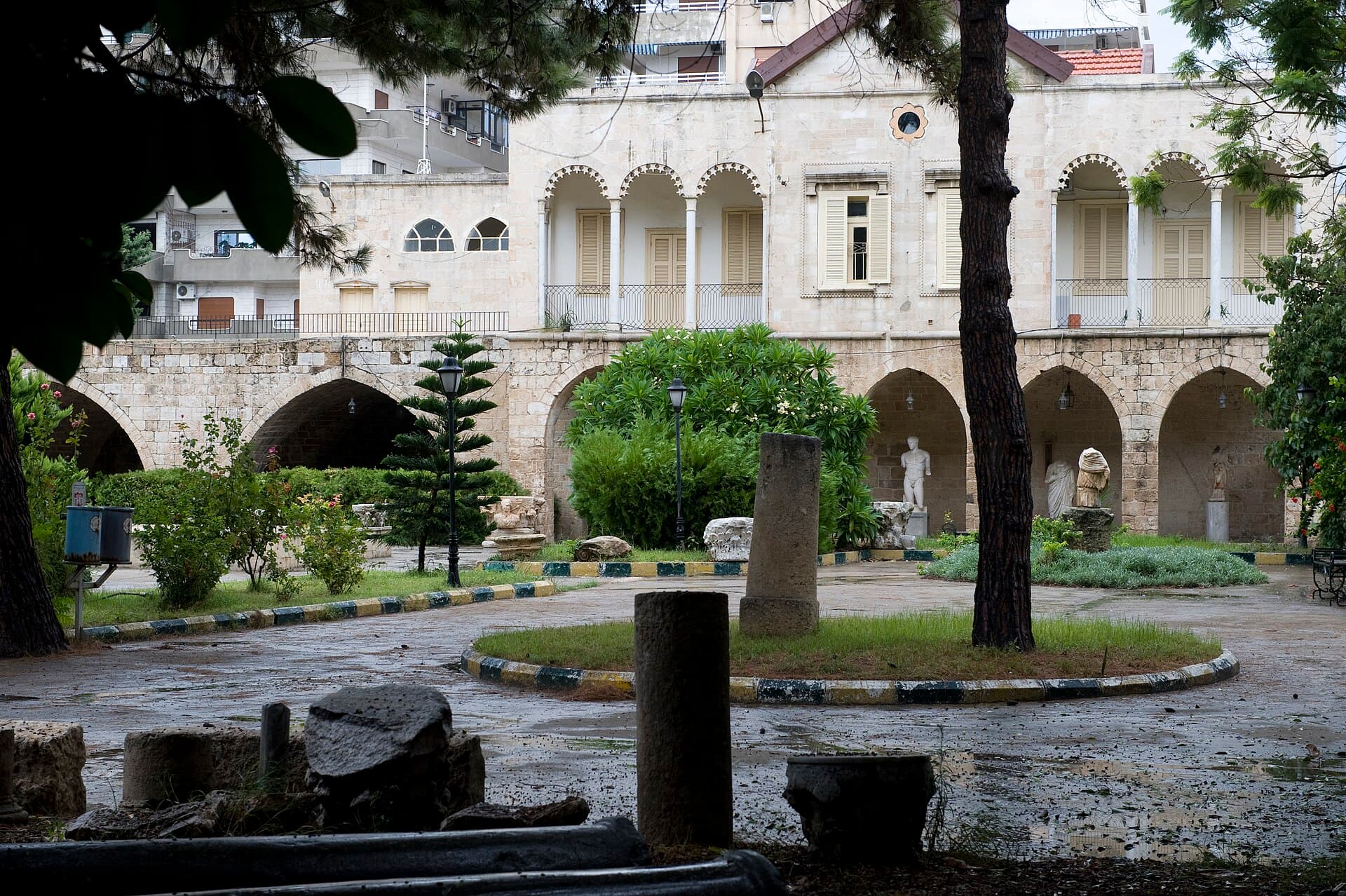
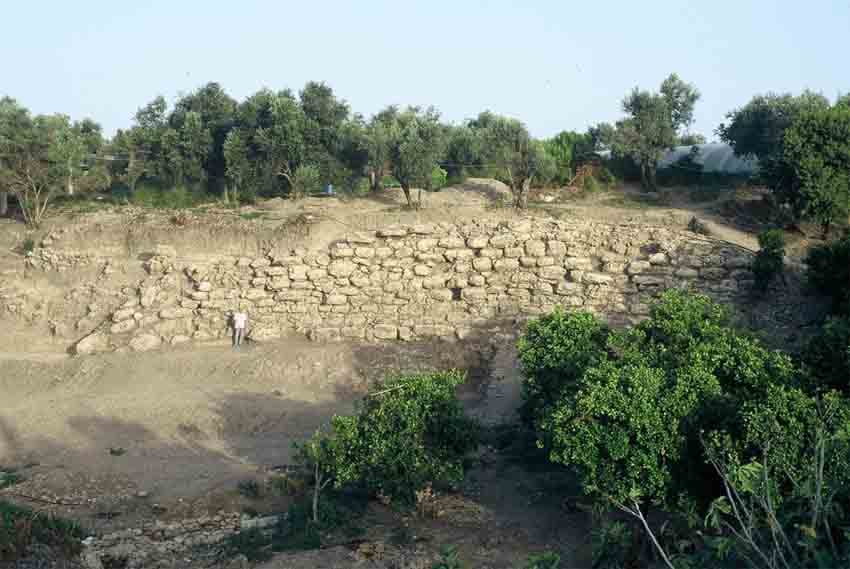
In the 13th century BC Ugarit was one of the busiest port kingdoms of the eastern Mediterranean, and the land around Latakia was its territory. This route fits the kingdom into a single day. To the north, Ras Ibn Hani held the king’s second palace and a palace for Queen Ahatmilku. Next comes the capital, Ugarit, with its royal palace and the archive rooms where the tablets were found. Around midday you reach the National Museum in Latakia, a 16th-century khan (a merchants’ inn) that keeps the finds. The day ends east of Jableh at Tell Tweini, thought to be Gibala, the kingdom’s southern port. Four stops, 45 kilometres, one day by car. All four share an ending: the destruction that swept this coast around 1200 BC.
The route
Leave Latakia north on the coast road; the Ras Ibn Hani headland is fifteen minutes from the centre. The dig sits among holiday complexes on the headland, so ask for the excavation rather than following signs. From the headland to Ugarit is 6 kilometres, ten minutes: a short turn inland off the coast road to Ras Shamra. After Ugarit, head back to the city. The museum is 12 kilometres south, on Jerusalem Street opposite the port gates. From the museum take the coast road south towards Jableh for 27 kilometres, under half an hour. Tell Tweini lies 1 kilometre east of Jableh, among orange and olive groves. The mound cannot be seen from the coast; in Jableh, ask for the farm track.
Timing
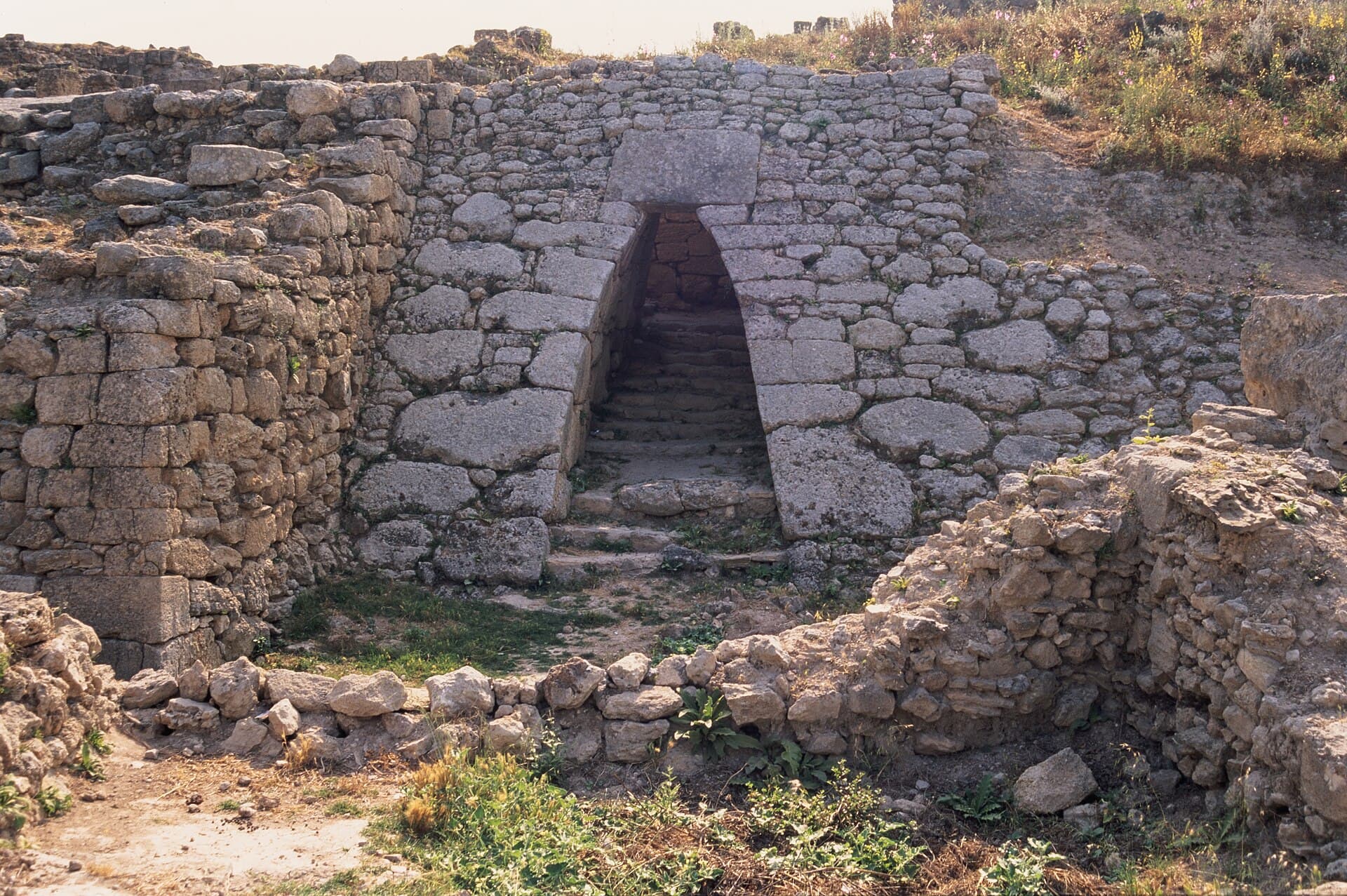
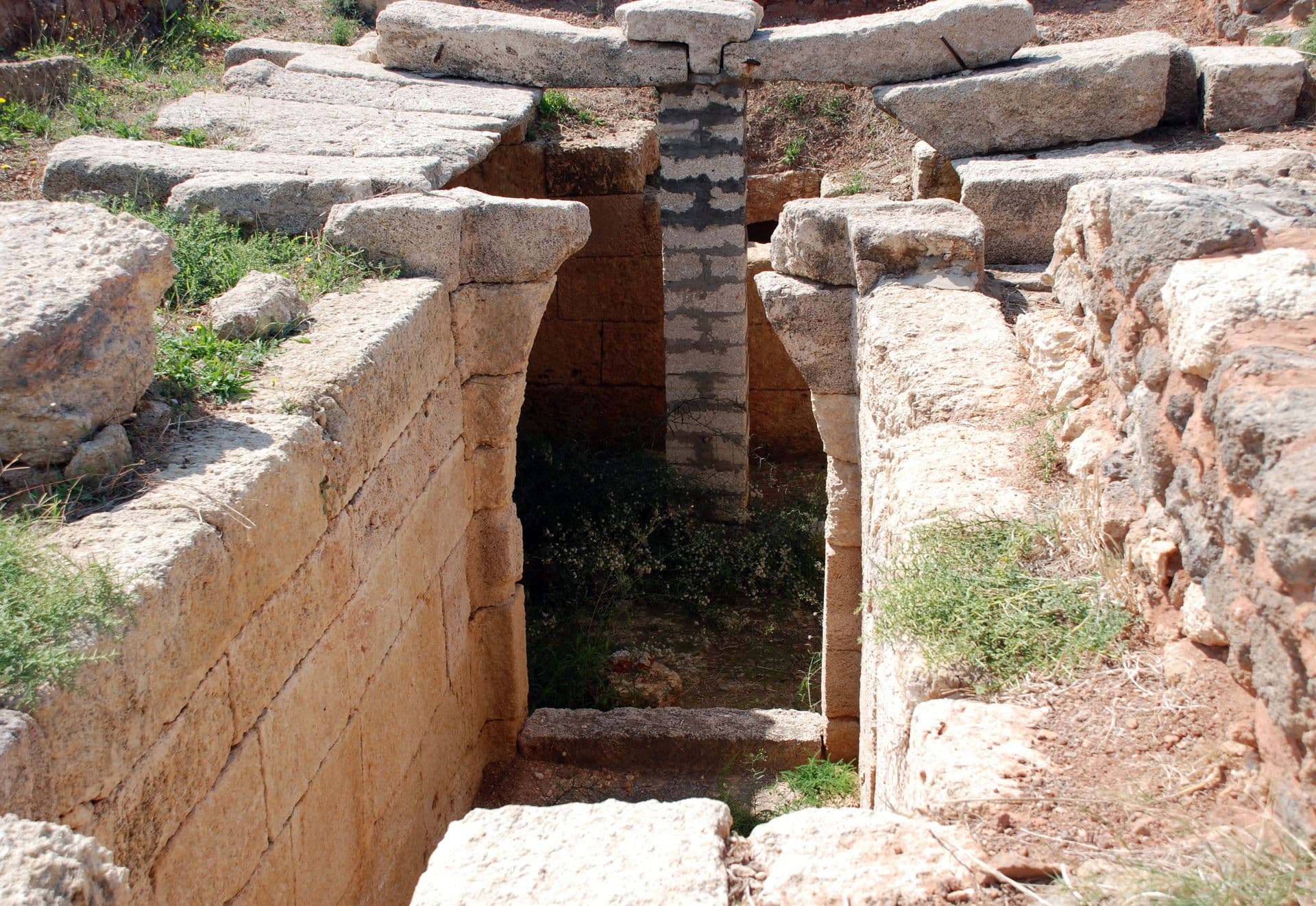
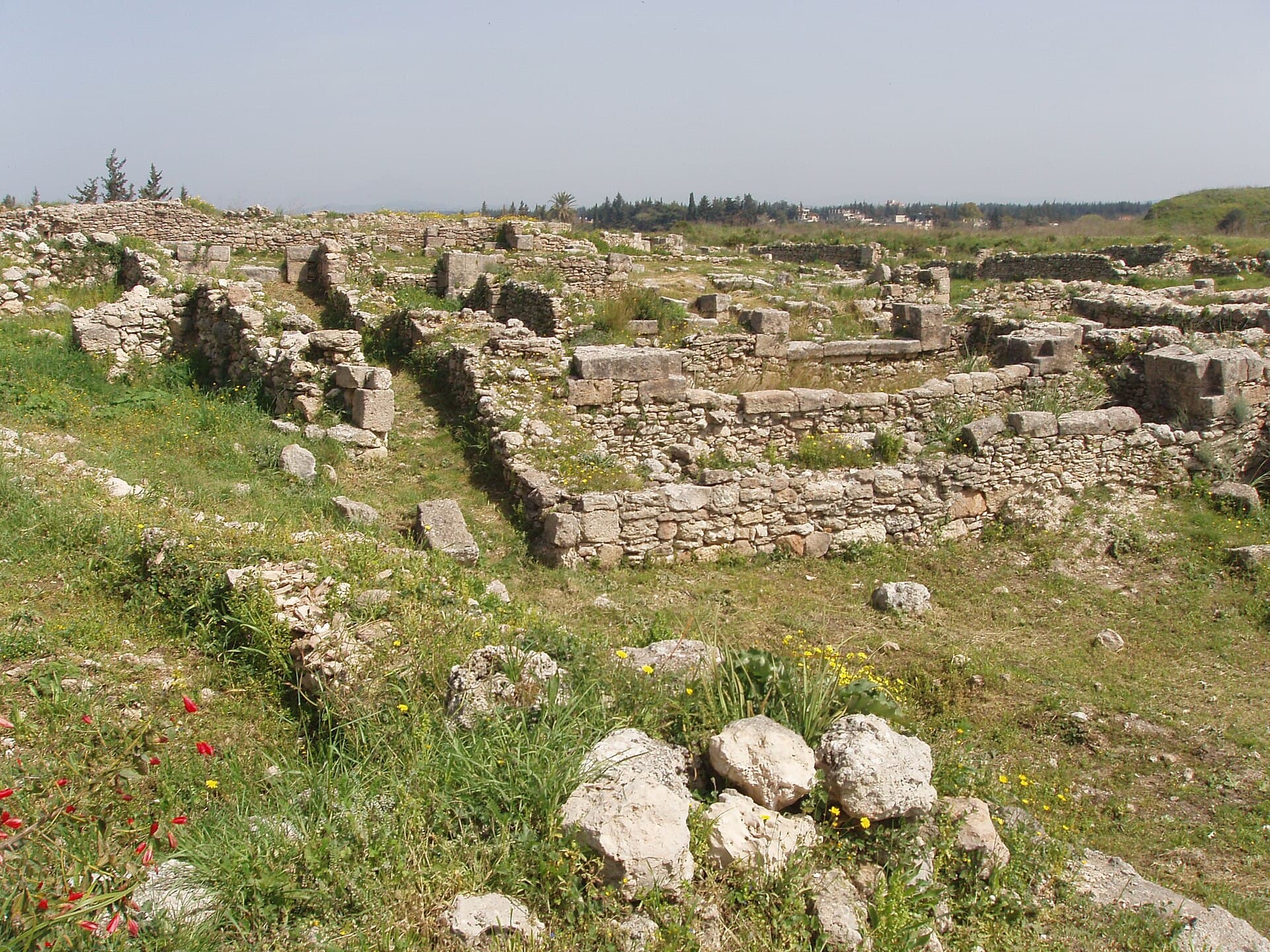
Be at Ras Ibn Hani at 08:30. The site is small and flat, and forty-five minutes is enough. Find the tomb chamber under the north palace: dressed stone, a stepped entrance, and no roof, so you can see how it was built. The small fort in the southeast corner belongs to the Seleucid age, a thousand years later. At 09:30 you are at Ugarit. There is no shade on the mound; allow an hour and a half and finish before the midday heat. The royal palace, with close to ninety rooms, reads clearly on the ground, but the place that matters is the archive rooms northwest of the palace. The tablets found in 1929, written in a script of about thirty signs, came from there. Ugarit’s port, Minet el-Beida, lies in the bay west of the mound; the shore is a military zone and closed. At 11:30 drive back to Latakia and have lunch in town. At 13:00 you are at the museum. The halls were closed in 2011 and stayed shut for a long time. If they are open, the first two rooms cover Ugarit and Ras Ibn Hani. If not, the sarcophagi and capitals in the garden and the khan’s two-storey arcaded courtyard fill half an hour. At 15:00 you reach Tell Tweini, and the mound wants an hour. Follow the line of the city wall on its south edge. This mound produced a mass grave from around 1700 BC holding 42 adults and 16 infants, and an Assyrian cylinder seal from the 13th century BC.
Take care
At Ras Ibn Hani, do not step on the foundations: there is no mortar and the stones move. The site is fenced but unguarded, and free. At Ugarit the fee and hours vary, so check at the entrance; a hat, water and solid shoes are essential. Ask before you go whether the museum halls are open that day. Tell Tweini has no guard and no signs. The groves around it are private: ask the owner before crossing a field, and keep off the edges of the trenches. In the afternoon, flies come in from the groves and the ground heats up. The events that hit the coast in March 2025 also reached the Jableh area; check the current situation with local sources before setting out. Summer noons are hard on open mounds, and spring and autumn are the easiest seasons.
The route on a map
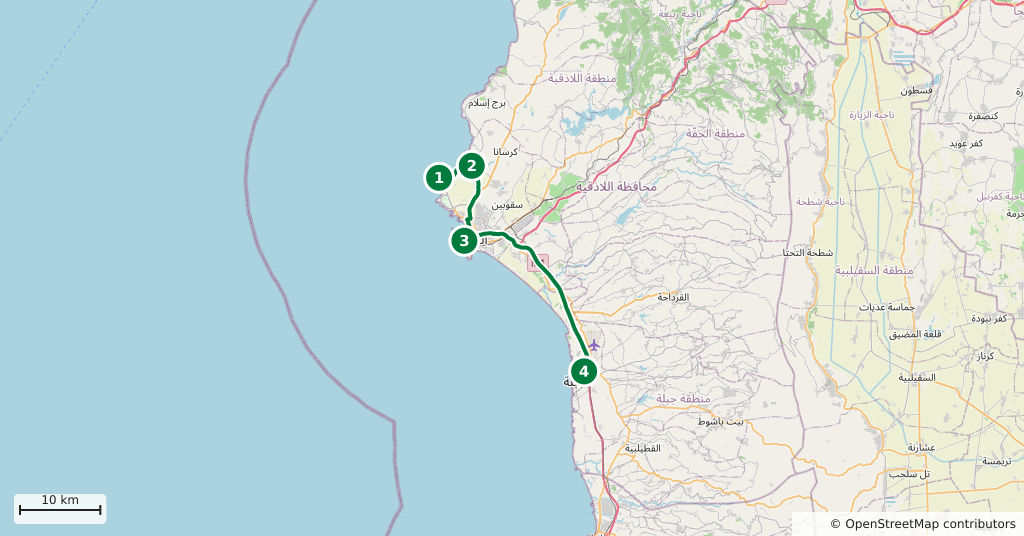
Stops along the route
- 01
- 02
- 03
- 04
Transparency
- How this was chosen
- The stops and their order were set by hand. The line on the map is real road geometry, not a straight hop between pins; distance and duration belong to that itinerary.
- Facts checked
- September 2026
- Last updated
- September 15, 2026