As-Suwayda
The basalt town at the heart of Jabal al-Druze: Nabataean Suada, Roman Dionysias, Druze capital. What stands there, what is nearby, and where the region stands now.
- Founded
- Nabataean period
- Best season
- April–June, September–October
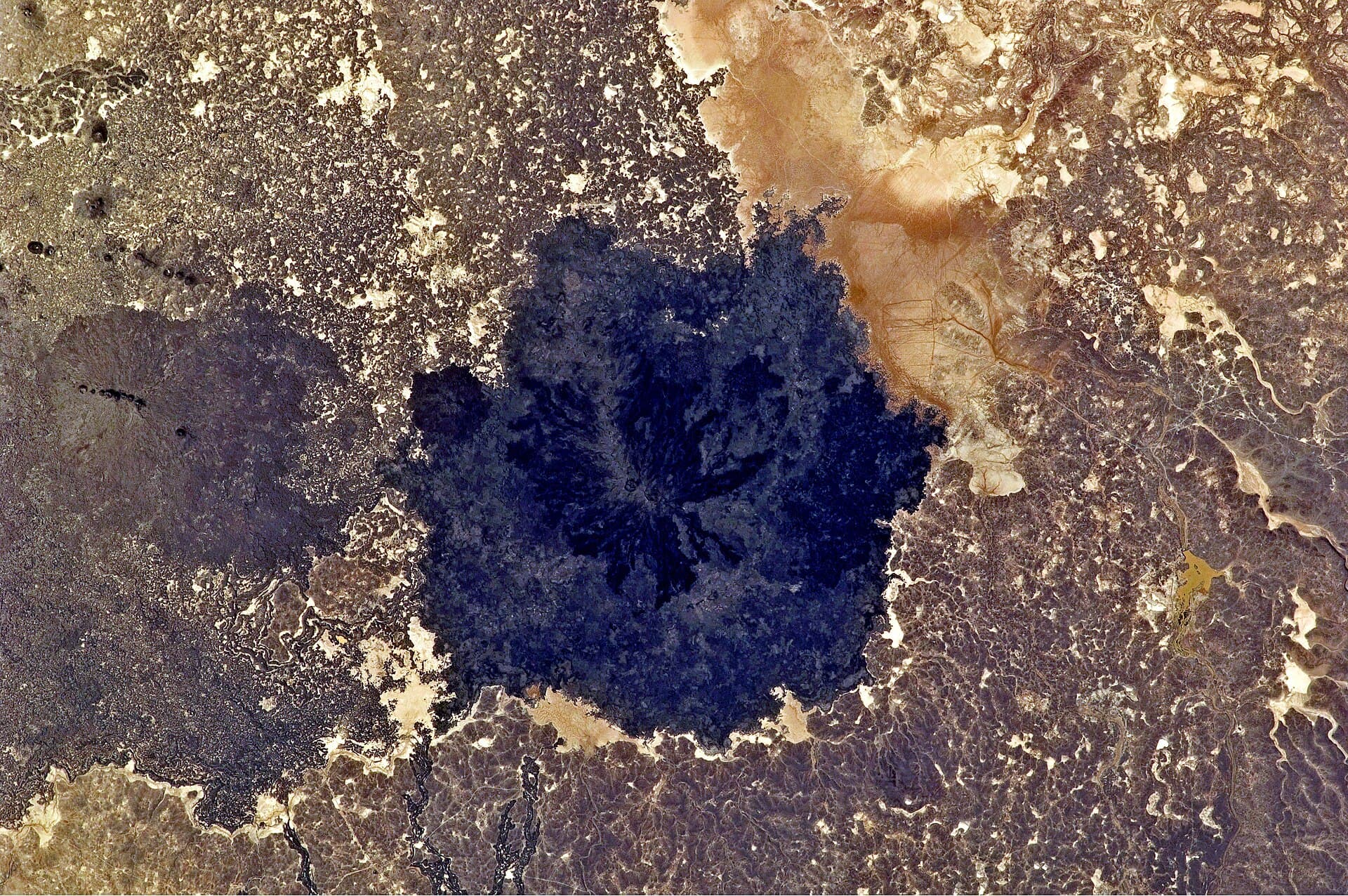
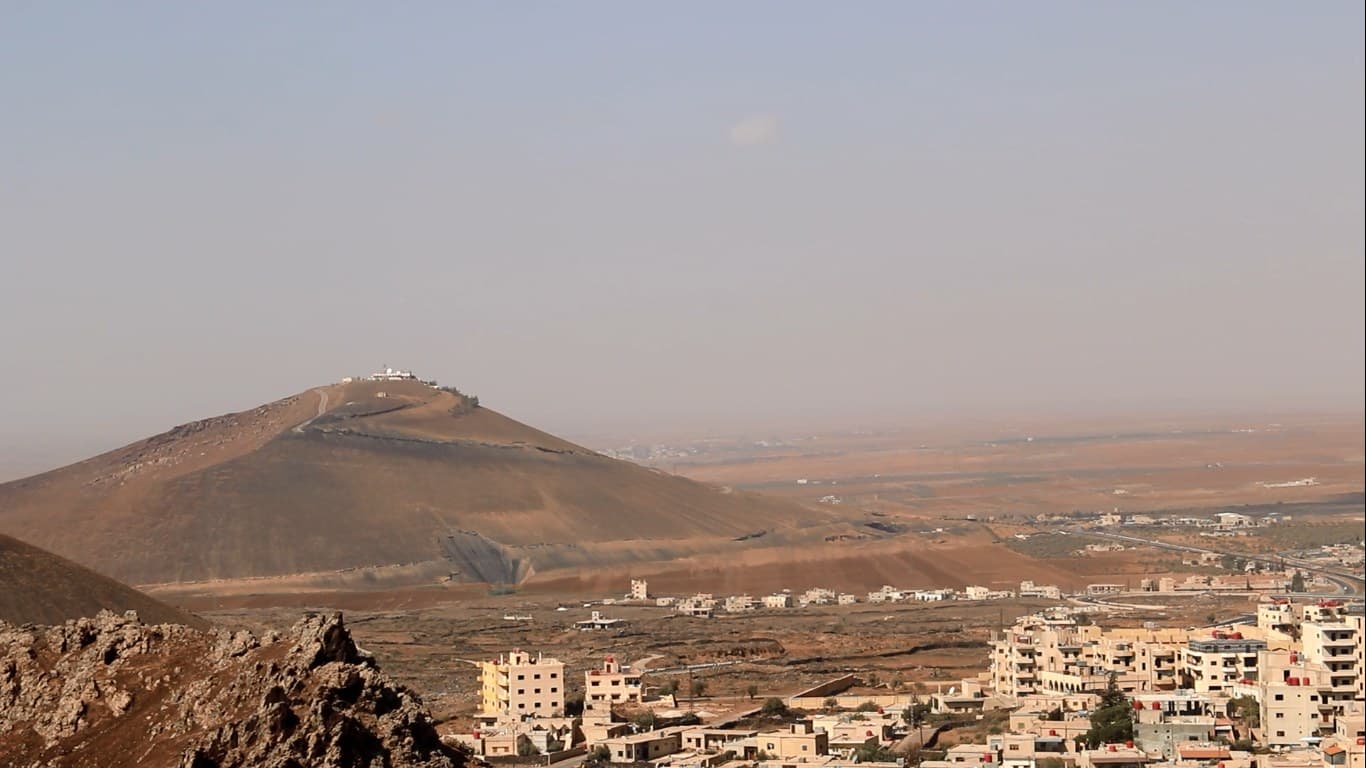
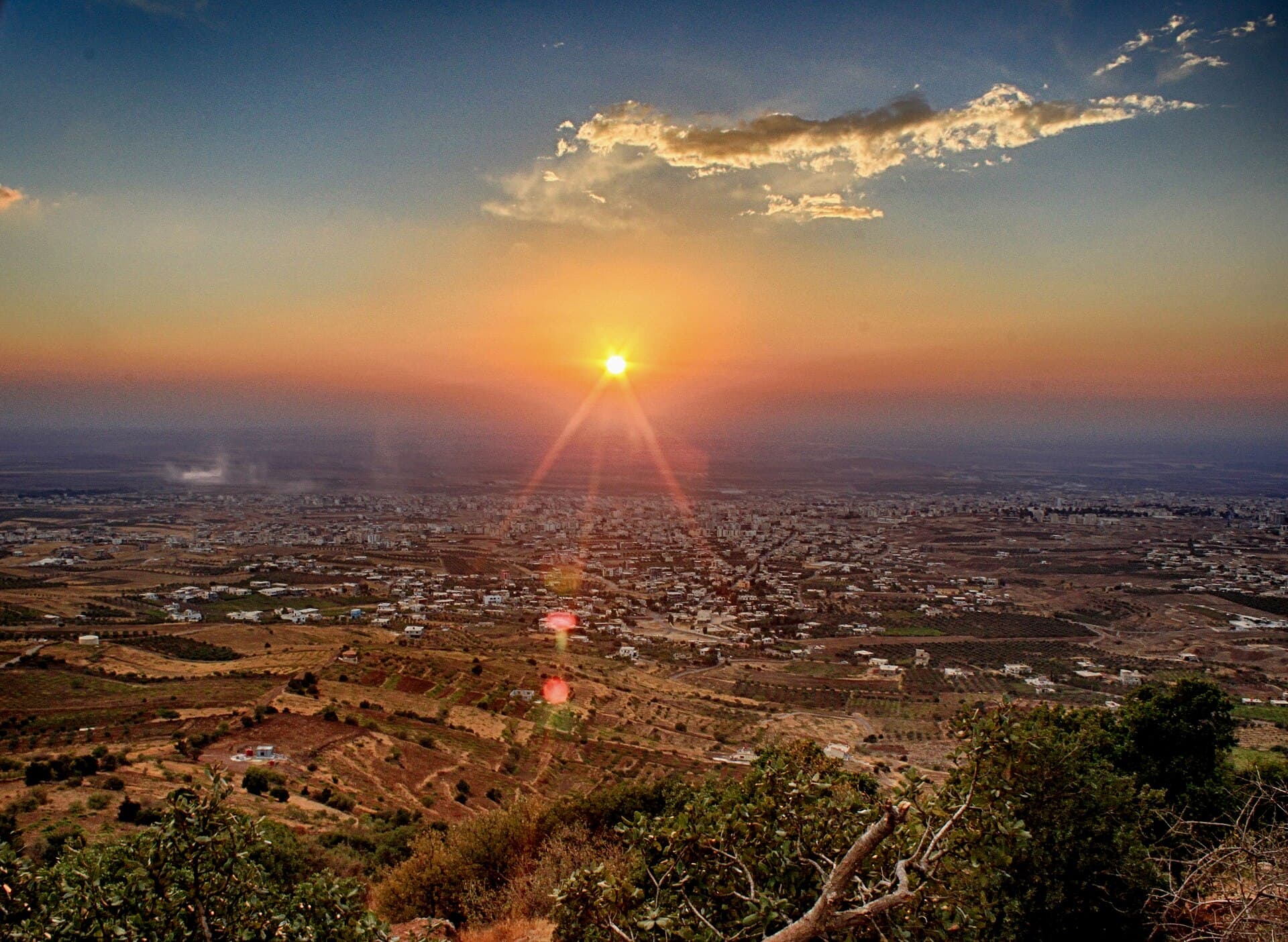
A town on a plateau of black basalt, 120 kilometres south of Damascus. The Nabataeans founded it as Suada; under Rome it became Dionysias, named for the god of wine, and received the rights of a city under Commodus. The town you see today was settled from the eighteenth century onward by Druze families moving in from Mount Lebanon. Most of its people are Druze, with smaller Greek Orthodox and Sunni Bedouin communities. You will also hear Spanish in the street: families who emigrated to Venezuela in the nineteenth century sent grandchildren back, which is why the town is sometimes called Little Venezuela.
Where to start
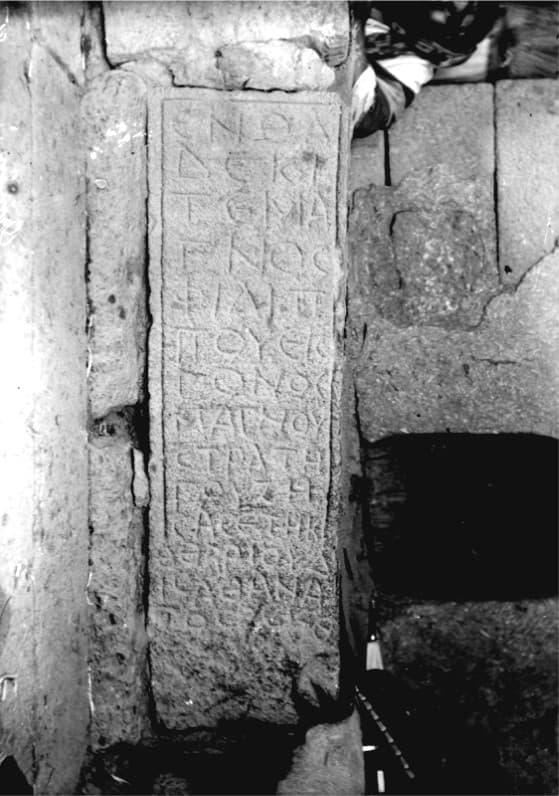
At the museum. The collection of the Suwayda National Museum began in 1923 as an open-air display beside the government building and moved into its present basalt-clad home in 1990. It holds the stone sculpture of the Jabal al-Arab, mosaics brought down from Shahba, and coins running from the Nabataeans through the Islamic centuries. Half an hour there teaches you the stone and what was done with it; the ruins in town read more clearly afterwards.
In the town
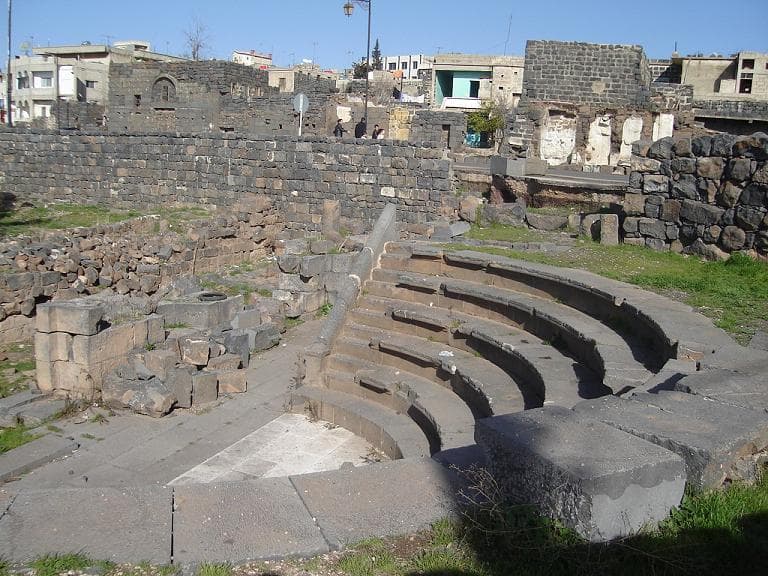
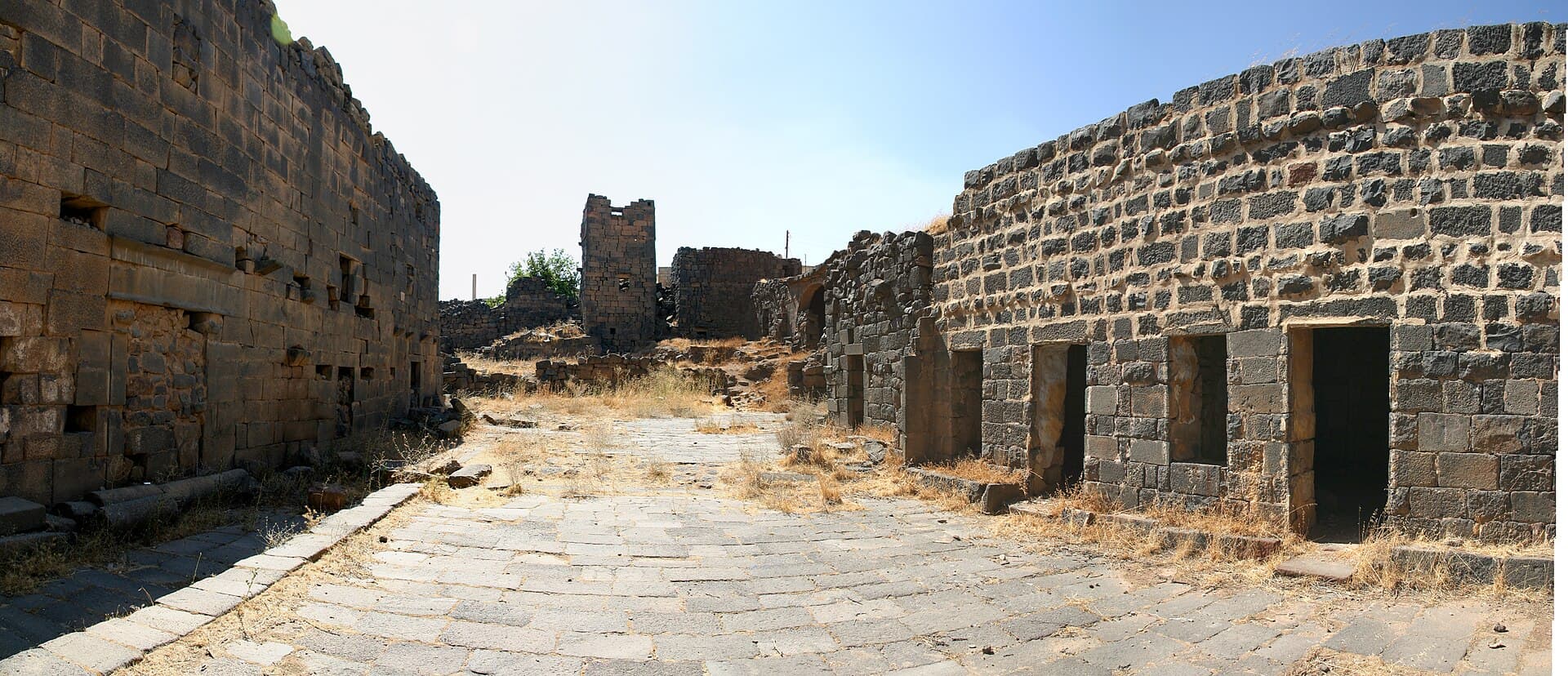
Eight carved columns of the temple of Dionysus-Dushara are still standing in the old quarter. The ruin of the fifth-century basilica of St Sergius, an arch covered in vine ornament that local people call the gallows, and a theatre uncovered south of the agora all sit within the same fabric. There are cisterns, towers and Roman houses that people still live in, along with an aqueduct and a second, larger theatre that remain unexcavated. The monument on the square commemorates the Great Syrian Revolt of 1925, which began on this mountain under Sultan al-Atrash.
Around the town
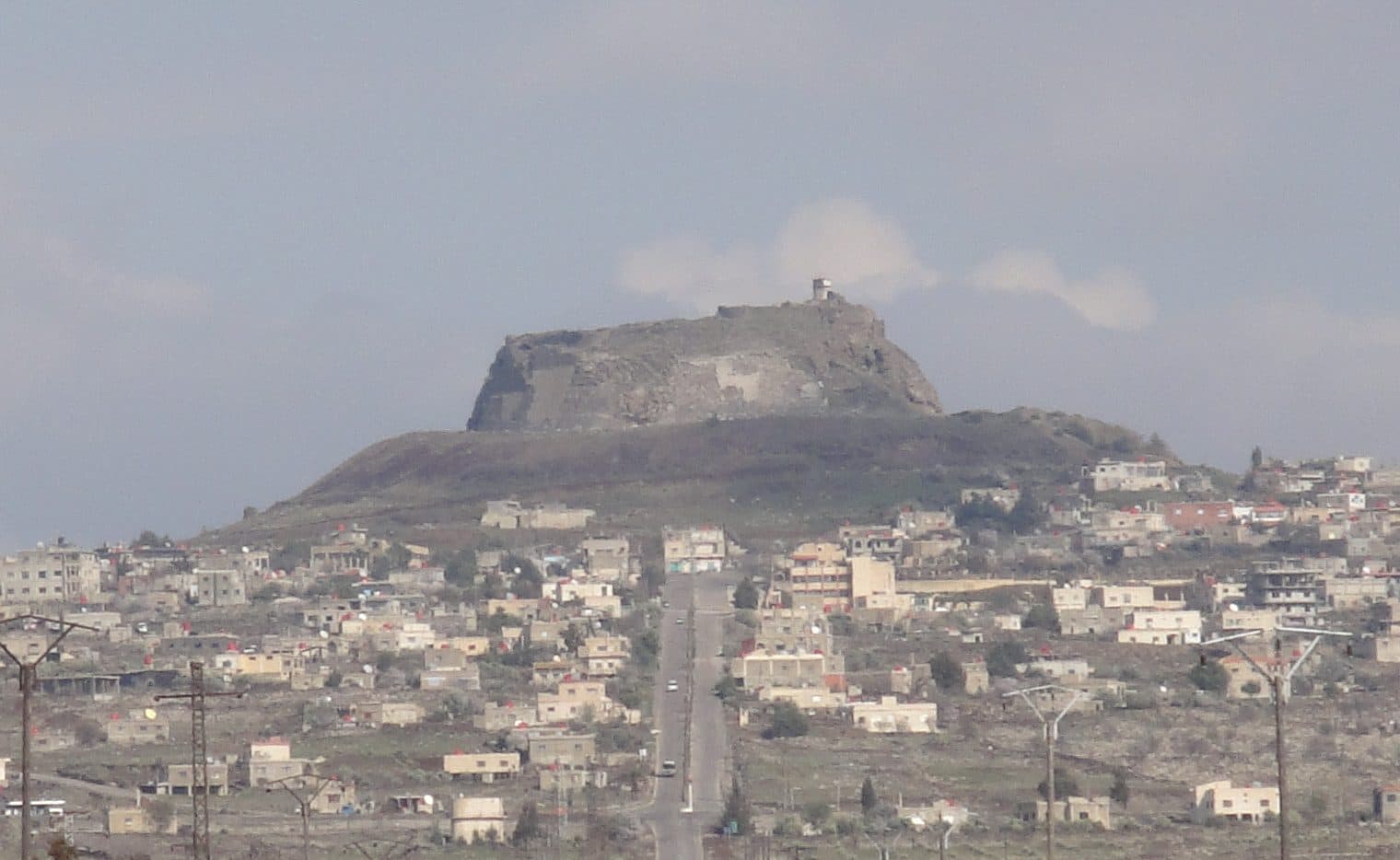
Qanawat is seven kilometres to the north-east, with the temples, rock-cut theatre and converted basilica of the Decapolis city of Canatha. Shahba lies twenty kilometres north, the town where the emperor Philip the Arab was born and which he rebuilt from the ground. Salkhad is thirty kilometres to the south-east, its Ayyubid castle set on the cone of an extinct volcano. Bosra is thirty-two kilometres west, but it belongs to Daraa governorate and has a page of its own.
When to go
The plateau stands at a thousand metres and the climate is semi-arid: 323 millimetres of rain a year, almost all of it in winter. Summer brings no rain and little shade; winter brings snow and freezing nights. April to June and September to October are the windows that work. Basalt absorbs heat all day, so the first hours of the morning are both the coolest and the quietest.
Where things stand
As-Suwayda has been inside an armed conflict since July 2025. Fighting that began between Druze armed groups, Bedouin tribes and government forces had killed more than 1300 people by the count the New York Times reported in October 2025, most of them Druze civilians. The United Nations recorded more than 93,000 people displaced across Suwayda, Daraa and rural Damascus, and hundreds are still missing. A ceasefire was declared in mid-July 2025, but violations ran through 2026: clashes on the lines around the town, drone attacks, roadside bombs, sniper fire and closed checkpoints. The governorate is not under the effective control of the central government, and the roads in from Damascus cross the front. Official travel advice for the whole of Syria remains at its highest level. This page tells you what As-Suwayda is. It does not tell you that you can go; at the time of writing, people were not going.
Highlights
- Eight carved columns left standing from the temple of Dionysus-Dushara
- The museum's basalt sculpture and the mosaics moved down from Shahba
- A single arch of vine ornament that local people call the gallows
- Qanawat seven kilometres away: the temples and theatre of a Decapolis city
- The stone of the plateau: column, church and today's house are one basalt
Where to stay
There is no accommodation in As-Suwayda that can responsibly be recommended, and that is not a matter of taste. The governorate has been inside an armed conflict since July 2025, power, fuel and supply are irregular, and the roads into town cross the front. The state of the pre-war properties cannot be confirmed, and naming one would mislead. This page exists to describe the region, not to help you plan a night there.