What is As-Suwayda famous for?
As-Suwayda is known as the centre of Jabal al-Druze, the basalt plateau that is the heartland of Syria's Druze community. Founded by the Nabataeans as Suada and renamed Dionysias under Rome, it still shows eight carved columns of the temple of Dionysus-Dushara, the ruin of a fifth-century basilica of St Sergius, and an arch covered in vine ornament. Its national museum is known for holding the basalt sculpture of the region together with mosaics brought from Shahba. In the twentieth century the town's name is tied to the Great Syrian Revolt of 1925, which began on this mountain under Sultan al-Atrash.
Highlights
- Eight carved columns left standing from the temple of Dionysus-Dushara
- The museum's basalt sculpture and the mosaics moved down from Shahba
- A single arch of vine ornament that local people call the gallows
- Qanawat seven kilometres away: the temples and theatre of a Decapolis city
- The stone of the plateau: column, church and today's house are one basalt
What to see
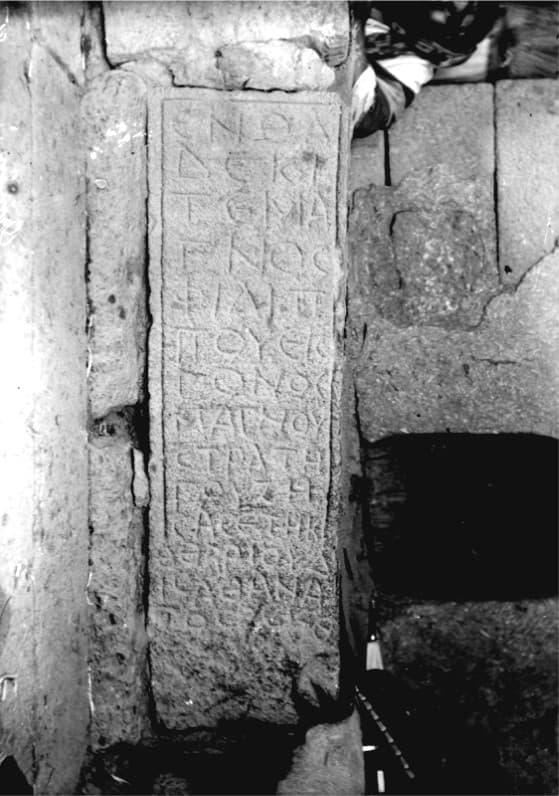 Suwayda · Roman, Byzantine and 1925
Urman, Suwayda: the Village Where the 1925 Revolt Began
A village 5 kilometres east of Salkhad whose inscriptions show pagan worship lasting to 517, and where the first shots of the 1925 Great Syrian Revolt were fired.
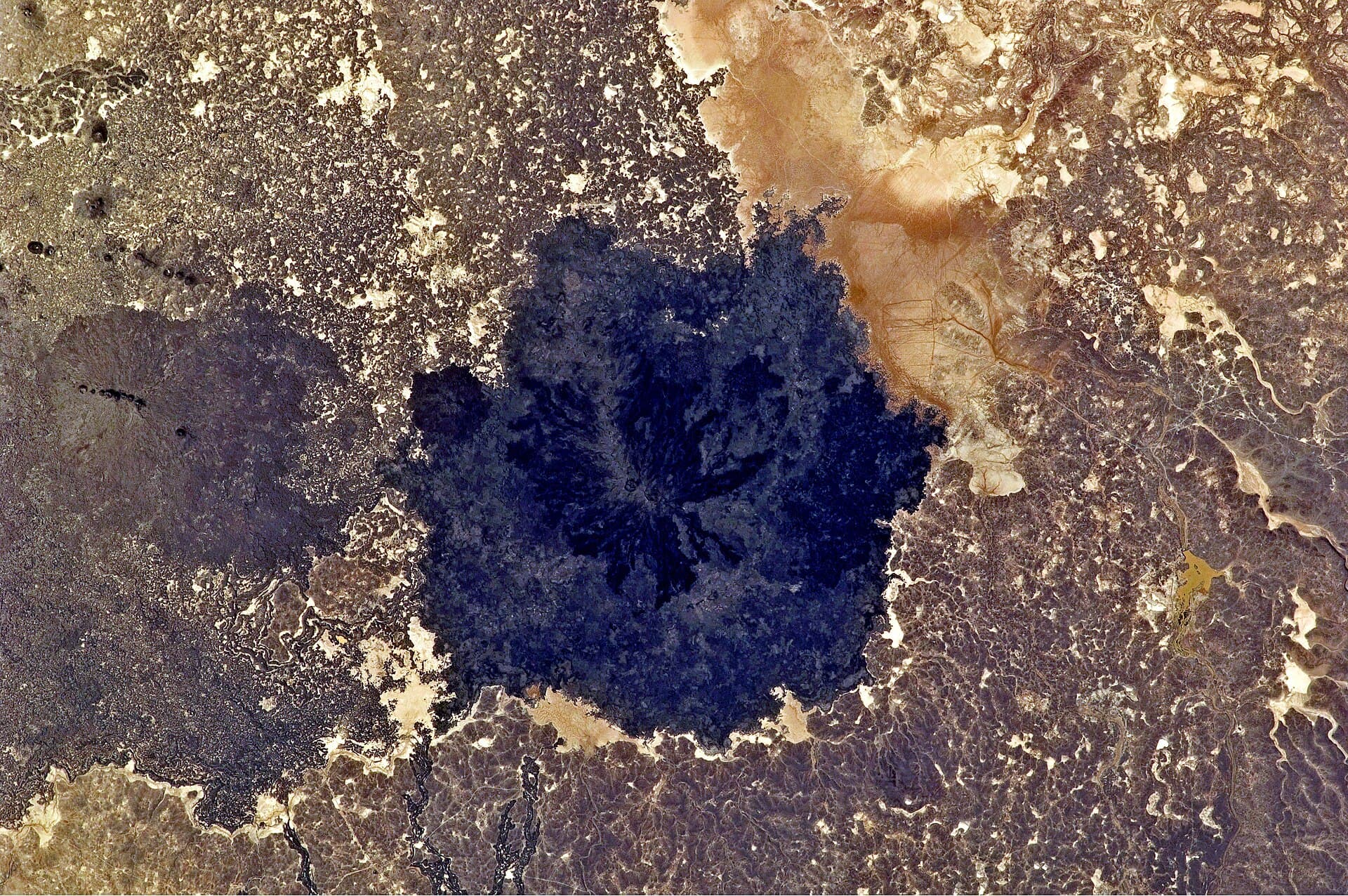 Southern Syria · Holocene volcanism and Safaitic inscriptions
Al-Safa Volcanic Field: Syria’s Youngest Lava Field
A young 220 km² lava field east of Shahba: at least 38 cinder cones, Safaitic inscriptions cut into basalt, and the place that named the script. No road, no village.
- Suwayda · Bronze Age
Tell Qarassa: Dolmens and a Bronze Age Mound in Southern Syria
A mound on the southern edge of the Lajat settled from the Natufian to the Iron Age, with a dolmen cemetery of 3600–3000 BC and houses with an apse at each end.
- Suwayda · 1st century BC – 1st century AD
Temple of Dionysus-Dushara in Suwayda
A large Nabataean temple in Suwayda, ringed by columns and built on a Greek plan. Butler counted 7 columns in 1900; its state today and exact site are unconfirmed.
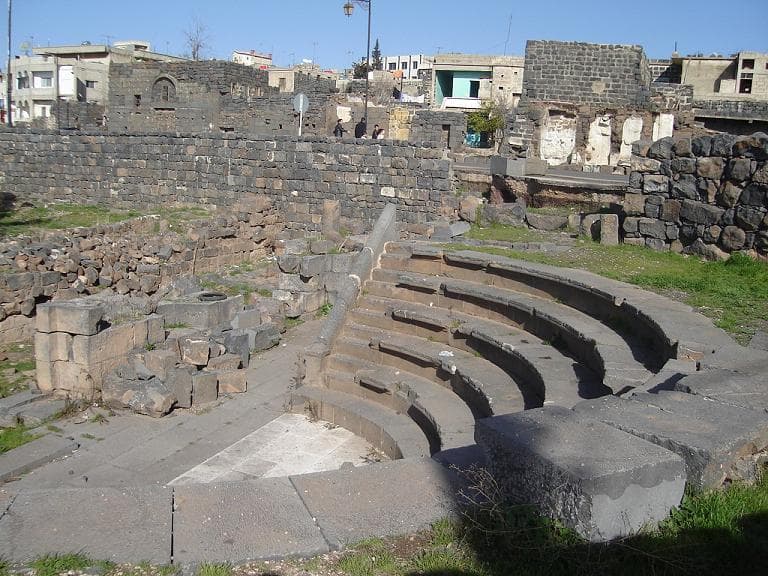 Suwayda · Roman period
The Odeon of Suwayda: Dionysias’ Small Roman Theatre
A small Roman theatre dug out in old Suwayda: basalt tiers, plus a row of shops, a paved portico and column bases still in place, uncovered by the 2017 excavation.
- Suwayda · 5th–6th century
The Great Church of Suwayda: Basilica of St Sergius
A five-aisled Byzantine basilica in the heart of ancient Dionysias, with floor mosaics, an image of St Sergius, a bishop's family inscription and 2018 finds.
Where to eat
- Suwayda · feast table
Moghrabieh (Syrian maftoul)
Bulgur grains rolled in flour by hand and steamed over the chicken pot. In Suwayda it is the fixed Eid al-Adha dish, with chickpeas, village chicken and ghee.
- As-Suwayda · snow day
Baqsama: snow with grape molasses
Fresh snow beaten fine and stirred with grape molasses until it sets like ice cream: As-Suwayda's winter treat, made only on snow days and never with the first snow.
- Suwayda · feast bread
Murashsham — the Stamped Bread of the Hauran
A disc of bread shaped by pressing the dough into a carved wooden mould. In Suwayda and Daraa it is the bread of feast days, scented with anise and mahlab.
Ready-made routes
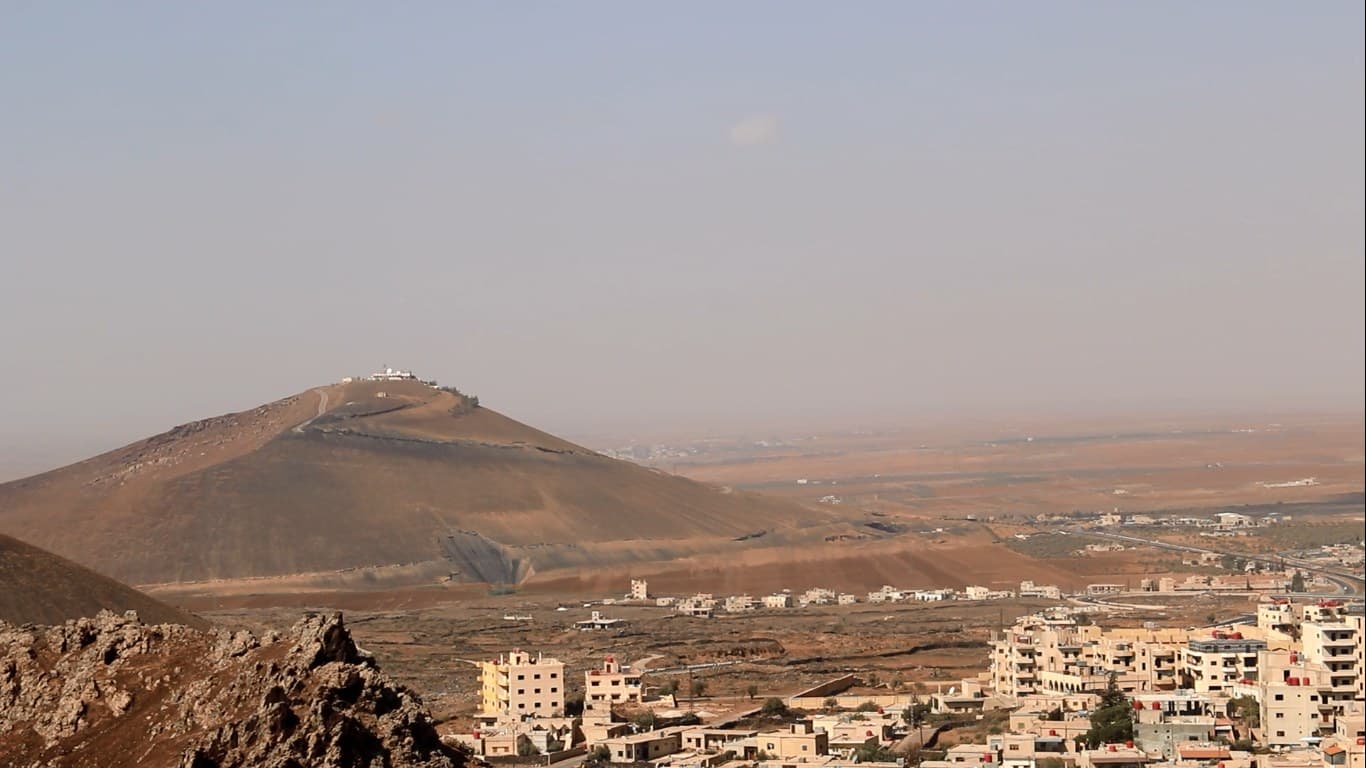 By car and on foot · half a day
Half a day around Shahba: Tell Shihan, the mosaic museum and the Nimreh bridge
Shahba read from the edge of the Lajat: the extinct volcano of Tell Shihan, the Roman town and its mosaics, and the single-arch Nimreh bridge. 24 km; closed today.
 By car · 1 day
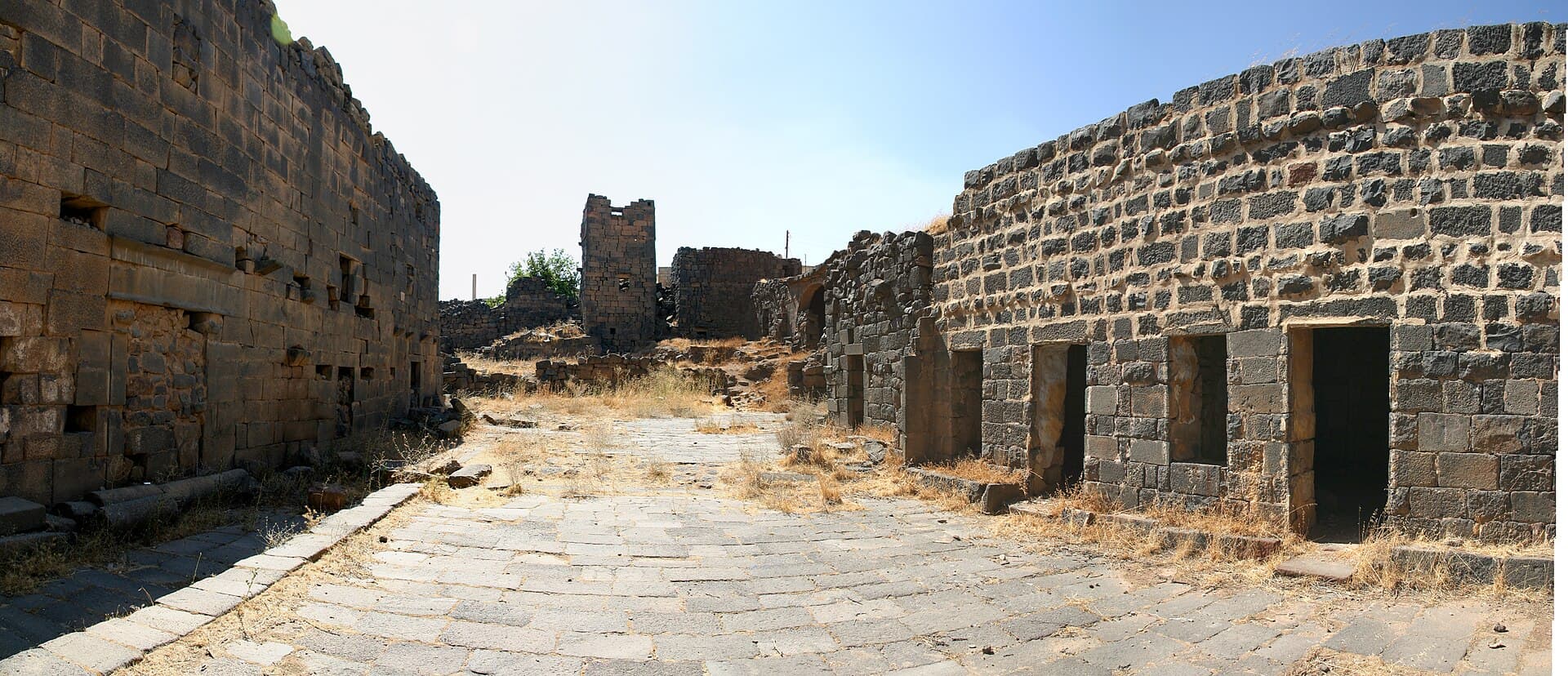
From Shahba to Umm al-Zaytoun, Shaqqa and Mushannaf: a day in the Roman Hauran
Three Roman villages on the edge of the Lajat: a kalybe dated 282, Shaqqa, a city from 287, and the temple at Mushannaf. 69 kilometres; not drivable today.
 By car · 1 day
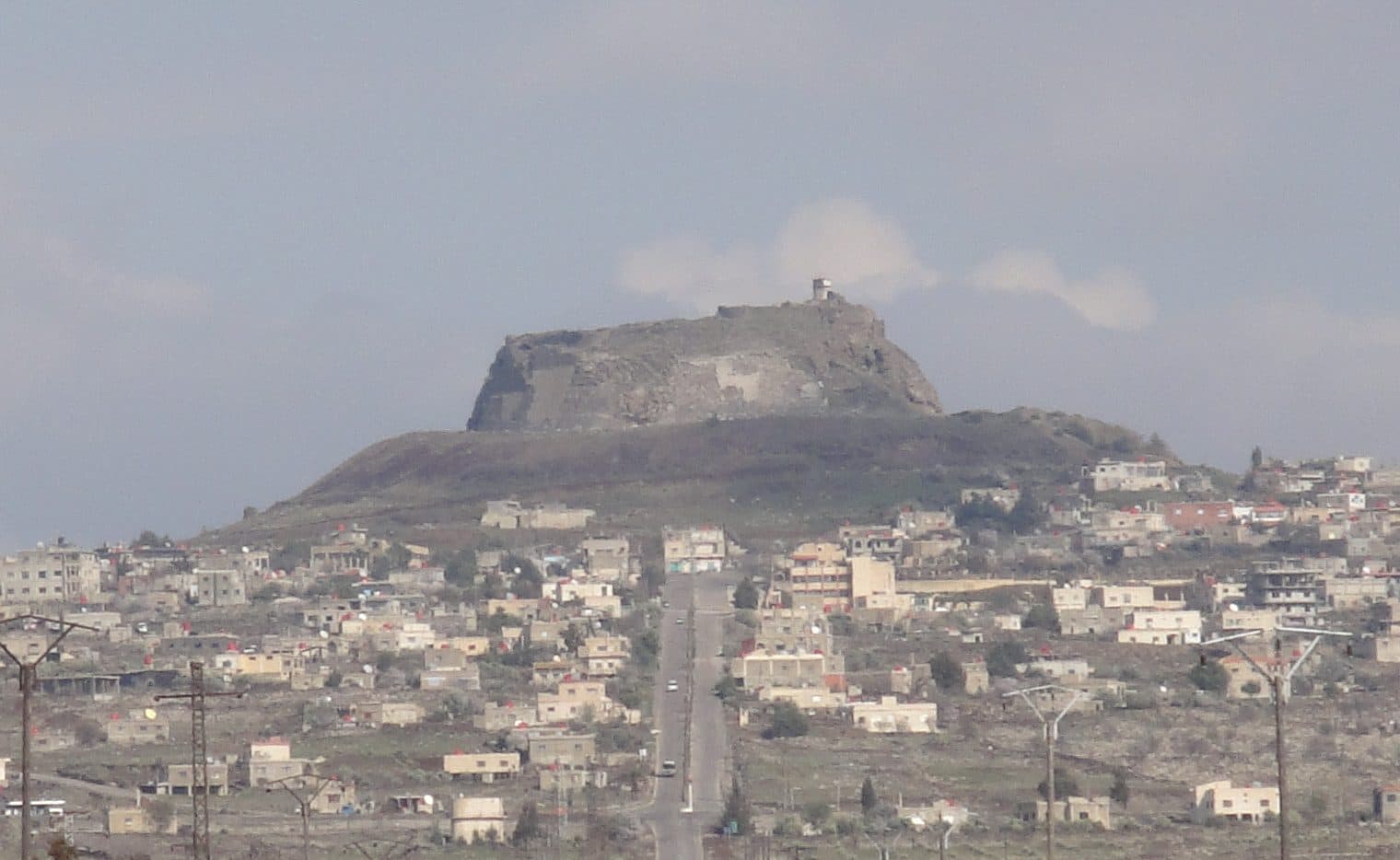
One day in the Hauran: Suwayda, Bosra and Salkhad
From the museum in Suwayda to the basalt theatre of Bosra and a castle set on a volcanic cone at Salkhad: 57 kilometres, three stops, one full day by car.
Transparency
- How this was chosen
- The answer on this page is written by hand. The lists are built from published records tied to this city and grow on their own as records are added.
- Facts checked
- September 2026
- Last updated
- September 15, 2026