The Bab Musalla Mosque, Damascus
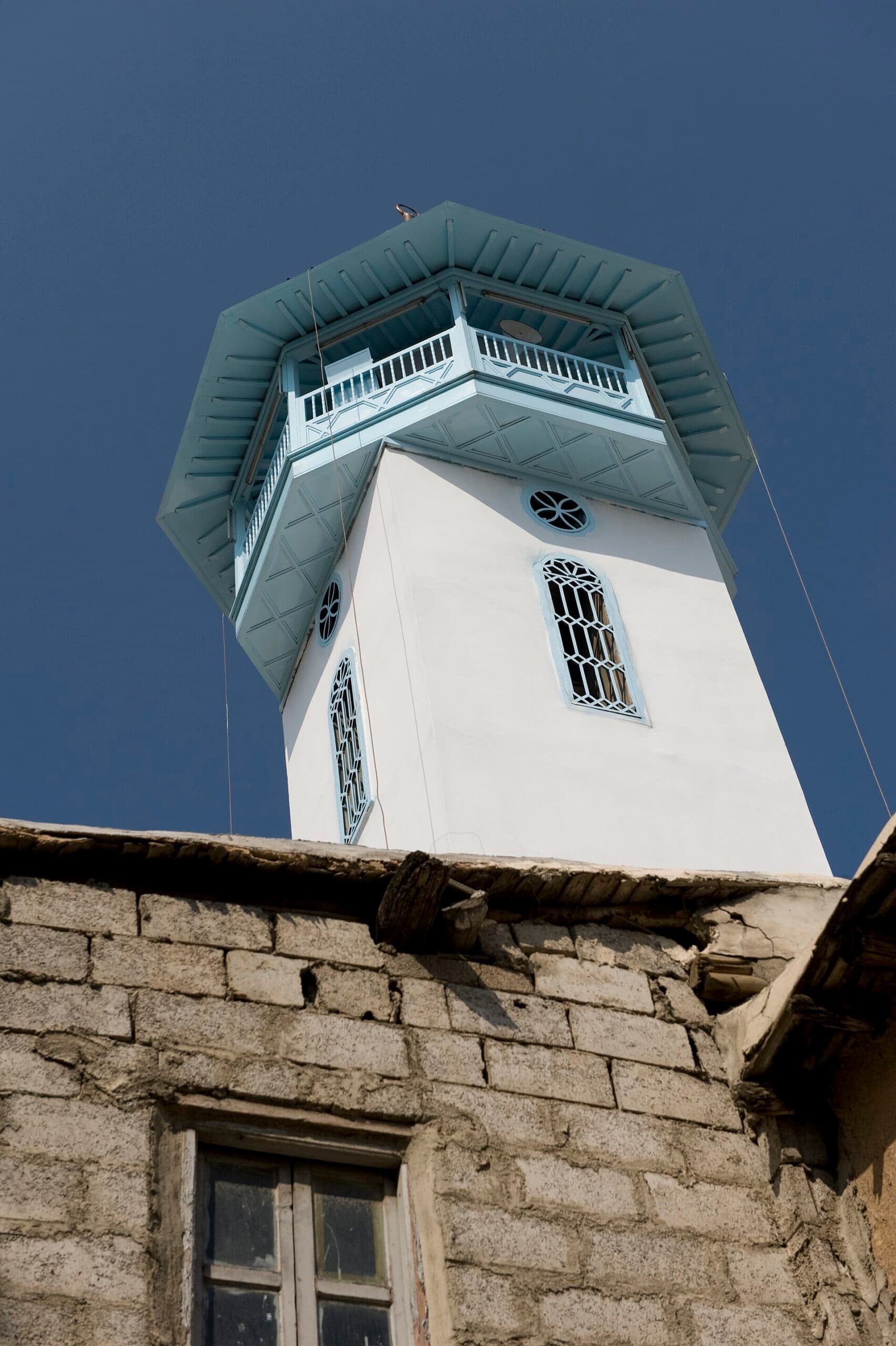
An Ayyubid mosque outside the Damascus walls, in Midan. Begun in 1209 on the city’s Eid prayer ground; its octagonal minaret balcony looks over the quarter.
- Opening hours
- Daylight hours, outside prayer times
- Entry
- Free
- Duration
- 30 minutes
- Best time
- Morning, as the shops on Midan street open
- Period
- Ayyubid, with Ottoman repairs
- Address
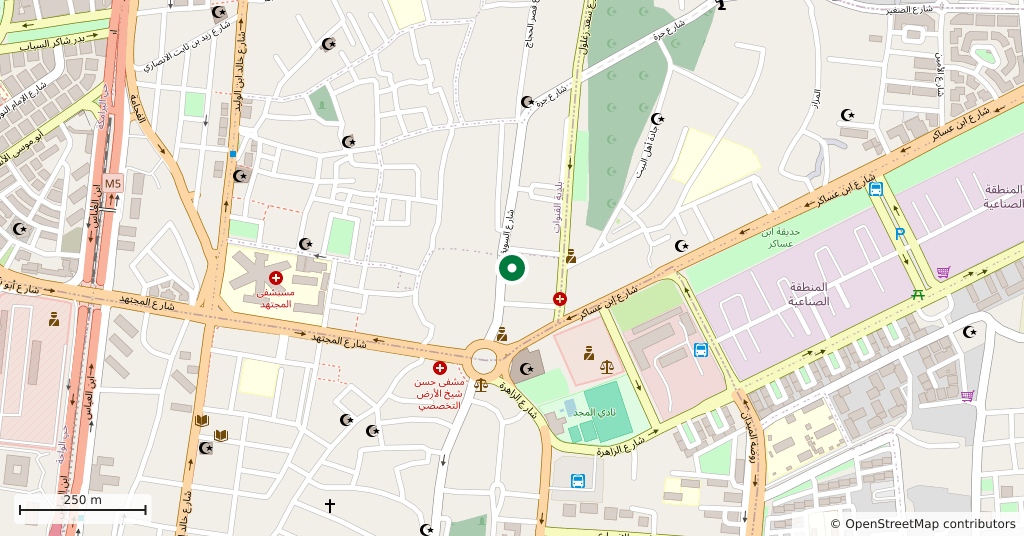
- By Bab Musalla square, Midan, Damascus
An Ayyubid mosque outside the walls of Damascus, in the middle of the Midan quarter. The place had its name before the building did: for centuries the city came out to this open ground, the musalla, for the two Eid prayers, and the mosque was raised on that same ground. It stands beside Bab Musalla square today.
Getting there
You leave the old city on the south side and walk down Midan street. The street is long and straight. The minaret comes into view before the square does; the mosque door is on the main road, with a public fountain beside it.
Why this ground mattered
Work began in 1209 on the order of the Ayyubid sultan al-Adil, and his vizier Safi al-Din ibn Shukr ran the site. The first version was a roofless enclosure: four walls, a stone mihrab, a tall stone minbar and doors on all four sides. The sultan died before it was finished, so the dome and two arcades came later. The road the mosque stands on carried the pilgrim and trade caravans out of Damascus to the south, to Jerusalem, Medina and Mecca.
What to see
The courtyard is large and paved in courses of white, black and red stone, with a twelve-sided basin in the middle. The southern arcade rests on five arches, and the black stones above its mihrab are said in the quarter to have come from the Kaaba, which is a story rather than evidence. A west door under that arcade leads into the summer prayer hall: a wooden ceiling on 19 wooden posts, two stone mihrabs and an old wooden minbar. On the north side is a second hall used in winter.
What most people miss
The top of the minaret. The balcony was rebuilt as an octagon and given a wooden canopy, and it matches nothing in the square shaft below. It took this form in the repair of 1803, recorded on the marble panel over the door. You cannot see the balcony until you cross to the far side of the street.
Tips
- The door is on the main road; the fountain next to it is marker enough
- Look at the courtyard paving: courses of white, black and red stone
- The summer prayer hall is entered by the west door under the southern arcade
- Cross to the far side of the street to see the octagonal balcony
Transparency
- How this was chosen
- Written by hand; opening hours, entry fee and coordinates are kept as data. A field that is not known for certain is marked as variable rather than guessed.
- Facts checked
- September 2026
- Last updated
- September 15, 2026