Namara Roman Fort
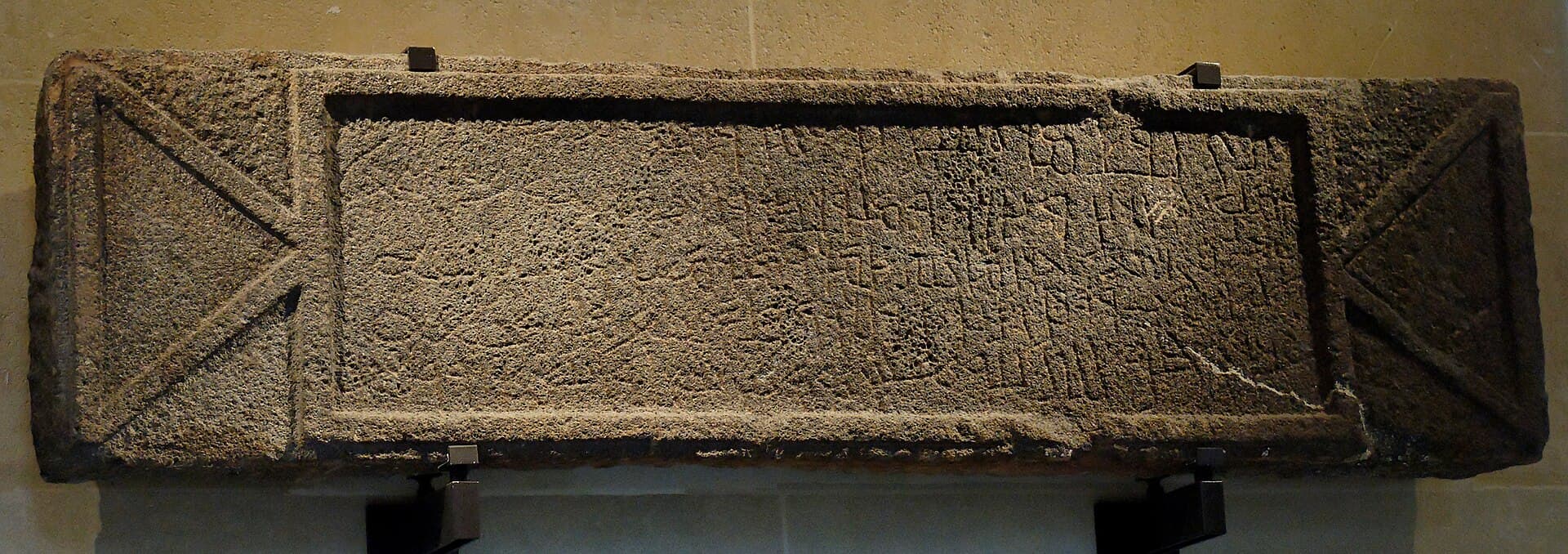
A Roman frontier post at the edge of the basalt desert south-east of Damascus. The Namara inscription of 328 was found here and now sits in the Louvre.
- Opening hours
- Open ground, daylight hours
- Entry
- Free
- Duration
- 40 minutes
- Best time
- Early morning; the basalt heats up after noon and there is no shade
- Period
- Roman
- Address
- Edge of the Safa basalt field, Suwayda Governorate
A Roman frontier post in southern Syria, on the western edge of the Safa basalt field. It was built near the eastern end of the Limes Arabicus, the line that guarded the Roman province of Arabia Petraea. What survives on the ground is footings and scattered blocks of basalt. What made the place famous is not the stone but the writing on it.
Getting there
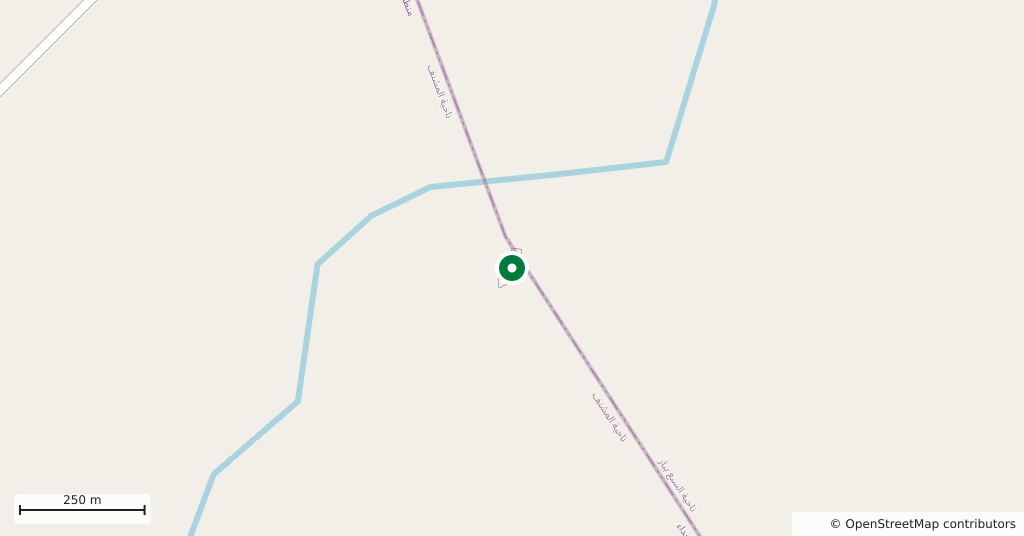
It lies roughly 100 kilometres south-east of Damascus and 50 kilometres north-east of Bosra. There is no sealed road. Tracks fade in the black stone field, and nobody drives out here without a local driver. There is no village nearby, no sign, no ticket office and no shade.
What to see
The rectangular plan of the castrum and the base courses of its walls can still be read on the ground. Everything around is basalt. The Safa lava sheet draws the eastern limit of the Hauran plain here, and the post sits exactly on that limit — this is the place that shows in one look where Rome stopped and the desert began.
What not to miss
The Namara inscription is not here; it is in Paris. In 1901 René Dussaud and Frédéric Macler found a basalt block carved with five lines: the epitaph of Imru al-Qays son of Amr, a Lakhmid king, dated 328. The text catches Nabataean script in the act of turning into Arabic script and counts among the earliest long inscriptions known in the Arabic language. The stone is on display in the Louvre under inventory number AO 4083. Look at it before you come, or you will not know what you are looking for out here.
Tips
- Do not go without a local driver; tracks disappear in the stone field
- Carry your own water and fuel, there is no village and no kiosk on the way
- See the inscription first in the Louvre online catalogue: AO 4083
Transparency
- How this was chosen
- Written by hand; opening hours, entry fee and coordinates are kept as data. A field that is not known for certain is marked as variable rather than guessed.
- Facts checked
- September 2026
- Last updated
- September 15, 2026