The Suwayda National Museum
Basalt sculpture from the Jabal al-Arab, mosaics from Shahba and Nabataean coins under one roof. What is inside, how long it takes, whether it is open.
- Opening hours
- Could not be confirmed — it kept daylight hours before the fighting; check locally before you go
- Entry
- Variable — confirm at the entrance
- Duration
- 60 minutes
- Best time
- Before noon, when the central hall takes daylight from the dome
- Period
- Modern building, Nabataean to Islamic collection
- Address
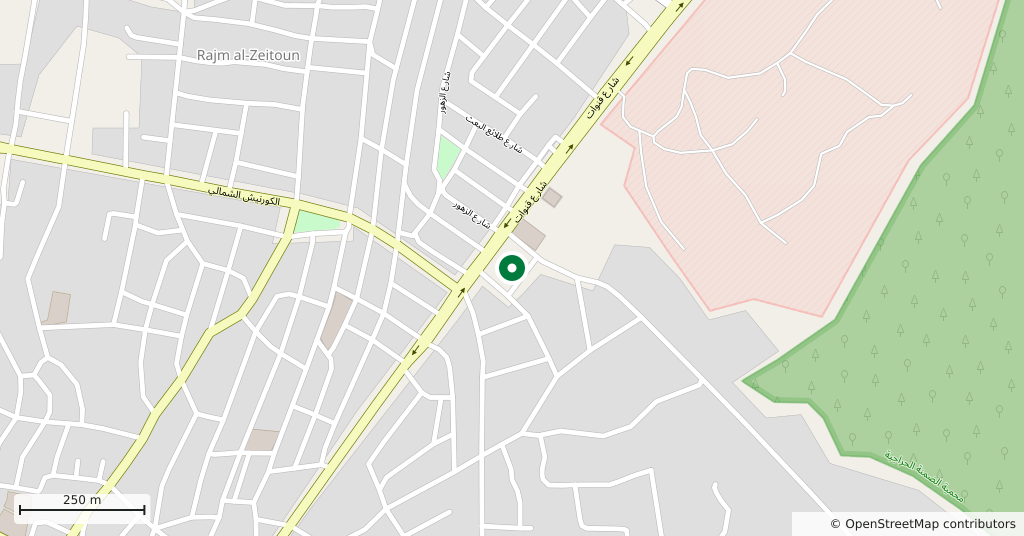
- Qanawat road, north of the centre, As-Suwayda
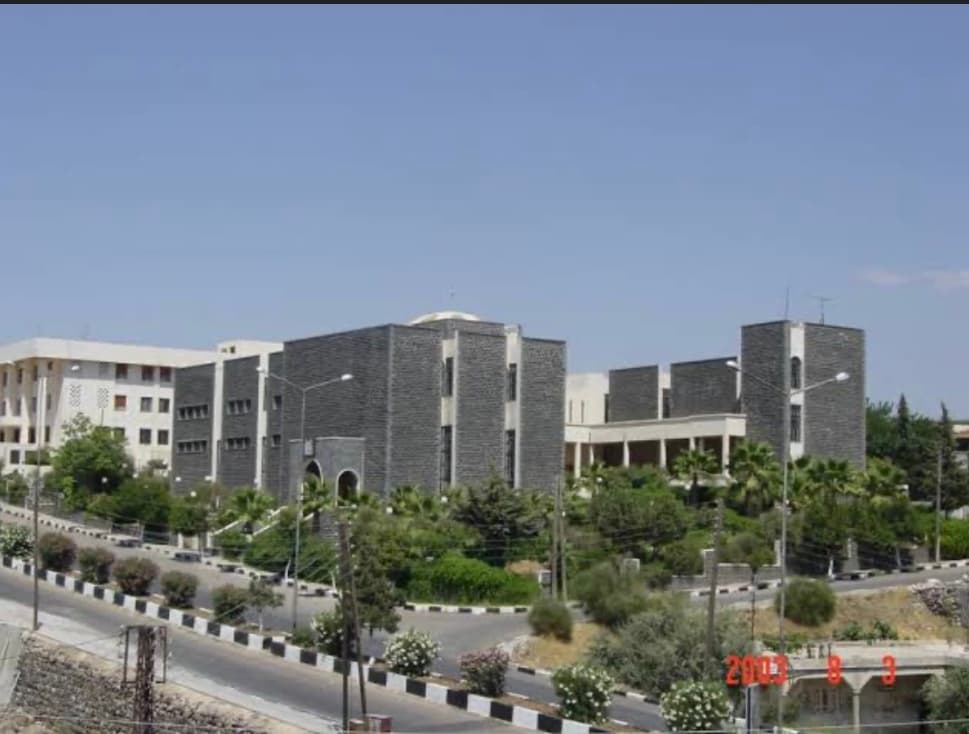
A museum about the stone of one region. The collection began between 1923 and 1925 as an open-air display on the south side of the government building. It grew as villagers from the Jabal al-Arab brought in the basalt sculpture they turned up, and important pieces were moved here when mosaics came to light at Shahba. Under the French Mandate it was housed in a cinema hall beside the government building. The present building opened in 1990 and was faced, again, in local basalt — the museum is made of the stone it explains.
Getting there
North of the centre, on the road towards Qanawat, a few minutes out. You come in through the garden gate and walk up to the building.
How long it takes
An hour is enough for the interior. Allow an hour and a half if you walk the garden too — its 3650 square metres work as an open-air museum, and the inscribed blocks and architectural fragments are out there.
What to see
The core is basalt sculpture: the stone carving of the region can be followed in one hall from the Nabataeans through to Byzantium. Around it are stone tools, pottery, glass, jewellery and coins, the coins running through Nabataean, Roman, Byzantine and Islamic centuries. The part the museum is known for is its mosaics of Greek mythological scenes. The building covers 4650 square metres over a basement and two floors, and the central hall is lit from a dome overhead.
What not to miss
The garden. Most visitors do the interior and leave, but the architectural fragments outside explain Hauran building technique better than the cases inside: door lintels, arch stones, and the stone beams that carried a flat roof.
Where it stands now
The museum is in As-Suwayda, and the town has been inside an armed conflict since July 2025. The present state of the building and the collection cannot be confirmed from independent sources, and it is not known whether it is open. What is written here tells you what the museum is; it does not promise you an open door.
Tips
- Don't skip the garden; the architectural fragments are outside, not in the hall
- If Shahba is on your list, come here first and you will see the mosaics in context
- Ask at the desk about photography; the rule varies hall by hall in Syrian museums
Transparency
- How this was chosen
- Written by hand; opening hours, entry fee and coordinates are kept as data. A field that is not known for certain is marked as variable rather than guessed.
- Facts checked
- September 2026
- Last updated
- September 15, 2026