Nebek
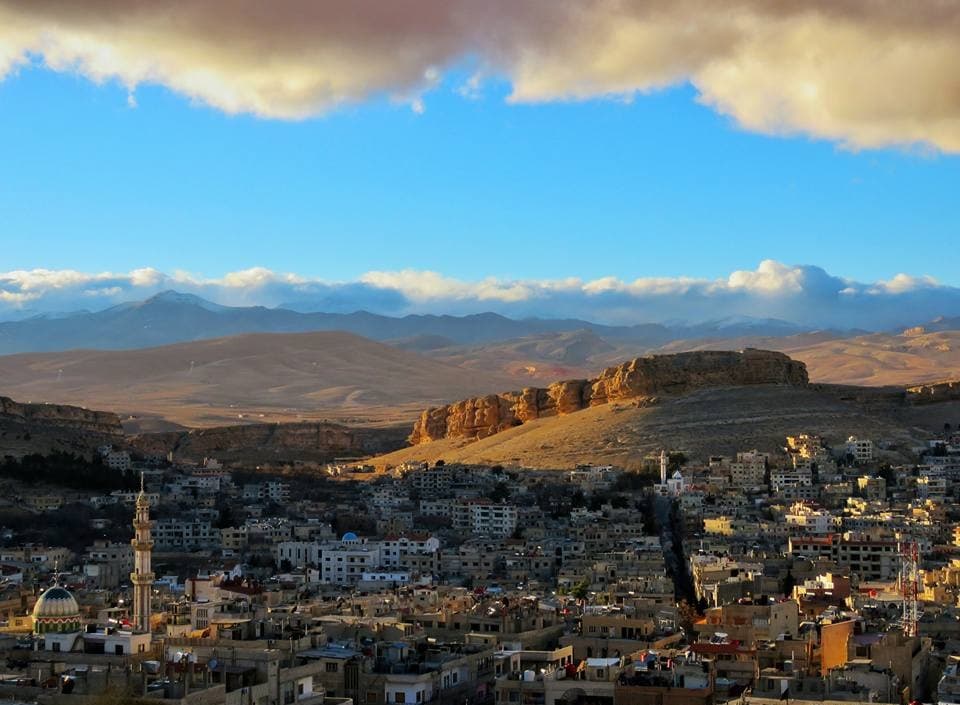
The centre of the Qalamoun, halfway between Damascus and Homs at 1255 metres. What to see in Nebek, how to reach Deir Mar Musa, and which villages to pair.
- Founded
- A town named by medieval geographers from the 12th century on
- Best season
- April–June, September–October
This is the centre of the Qalamoun. The road that links Damascus to Homs runs through Nebek, and the town sits at 1255 metres on the line where the mountains meet the desert. It appears in medieval writing: Ibn Jubayr described a place of running water and broad fields, and Yaqut al-Hamawi wrote of a spring that ran cold through the summer. What brings people here today is the monastery on the slope to the east.
Where to start
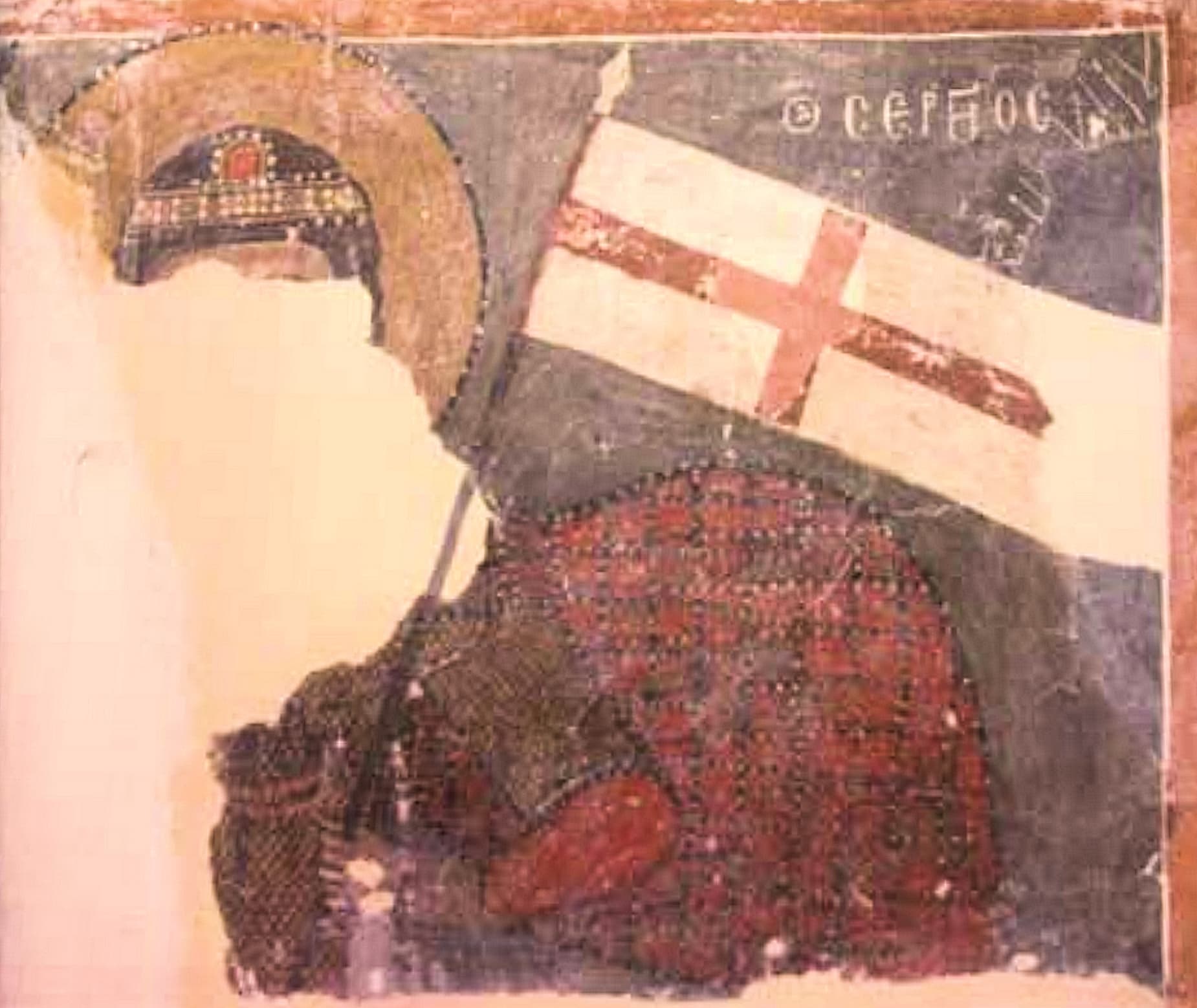
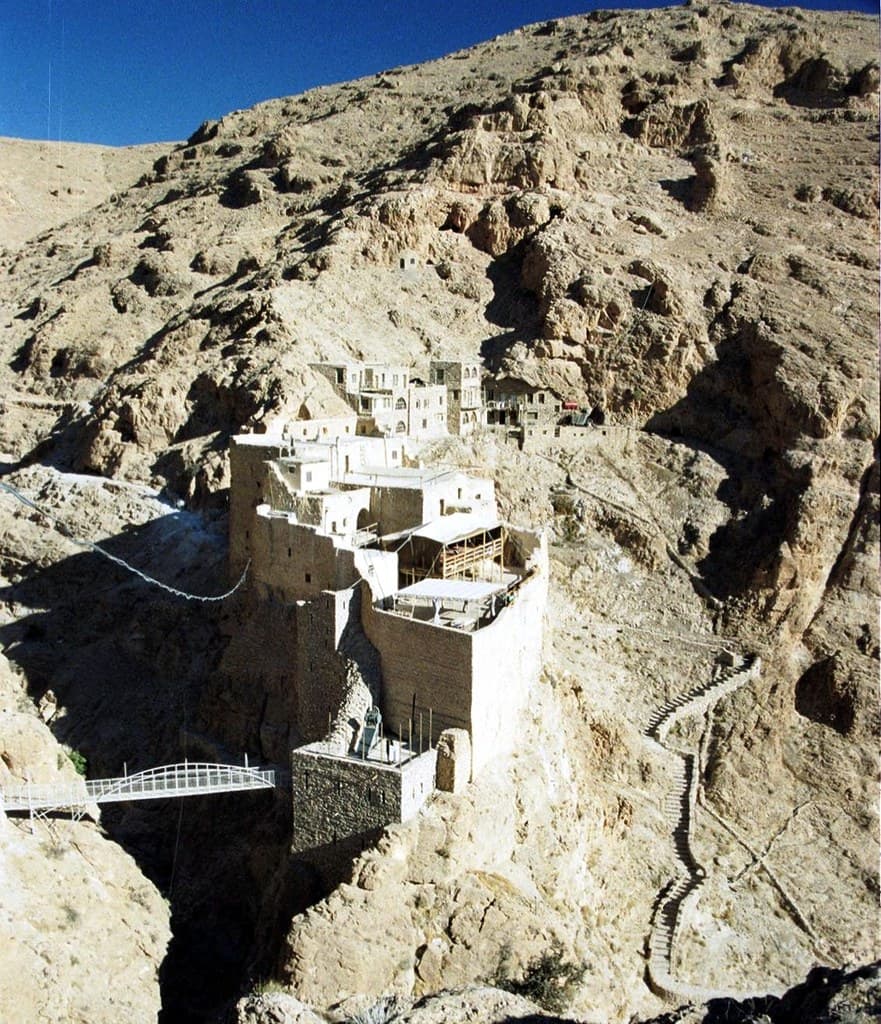
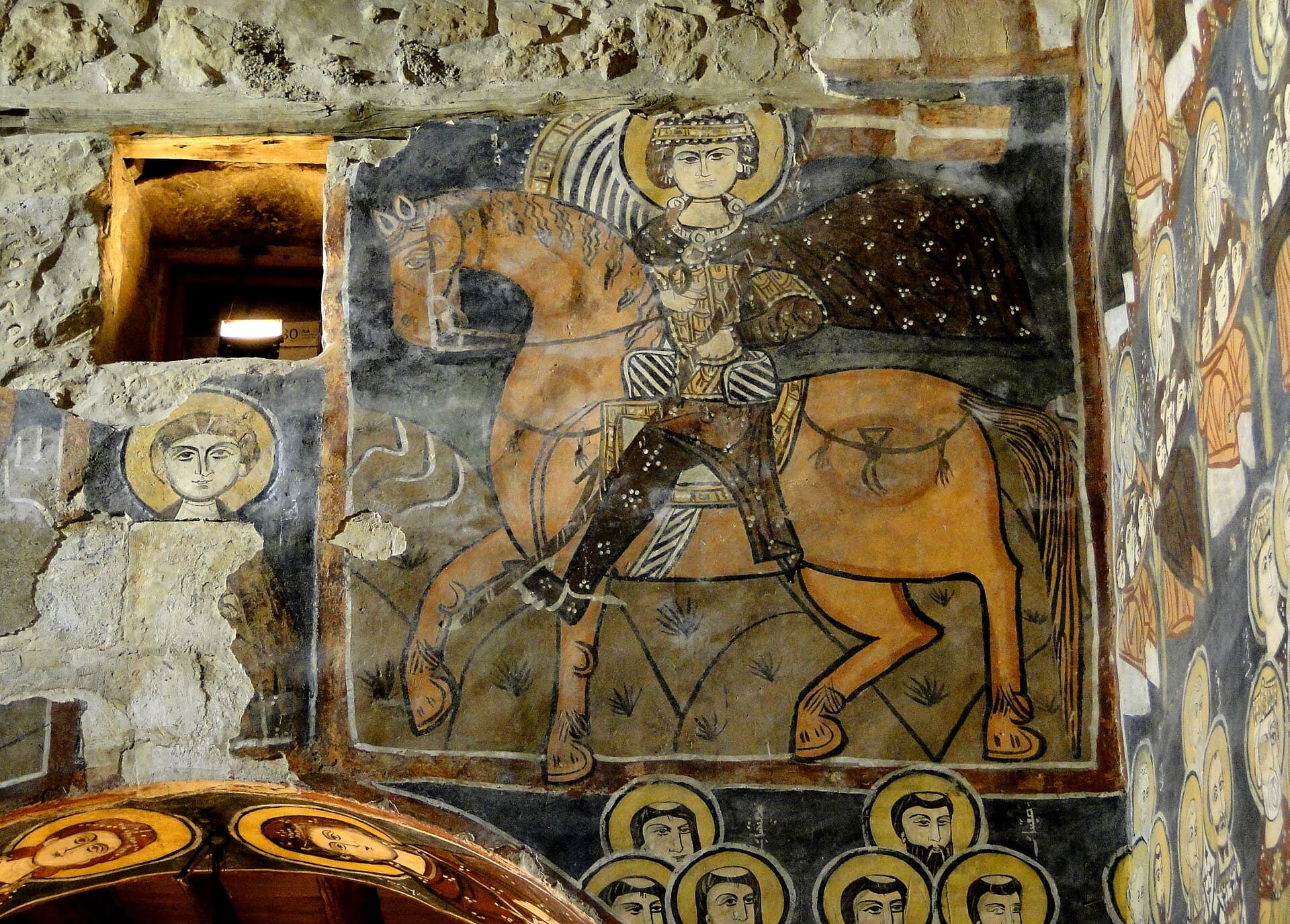
Deir Mar Musa. It stands east of the town on the side of a desert valley; there are 350 steps up from the car park, and inside the church the walls carry frescoes of the 11th and 12th centuries. The monastery receives visitors but asks to be told in advance. Make the call before you leave Nebek, because there is no signal on the road.
In the town
Nebek itself is not a list of monuments. It has a market, its bakeries, and the coach station that serves as the transport hub for the whole district; the villages of the Qalamoun are reached from here. The 2004 census recorded 32 thousand people. In the 19th century this was a town where Sunni Muslims lived alongside Syriac Catholic and Melkite Catholic Christians, and that mix repeats in different proportions in every village around it.
Around it
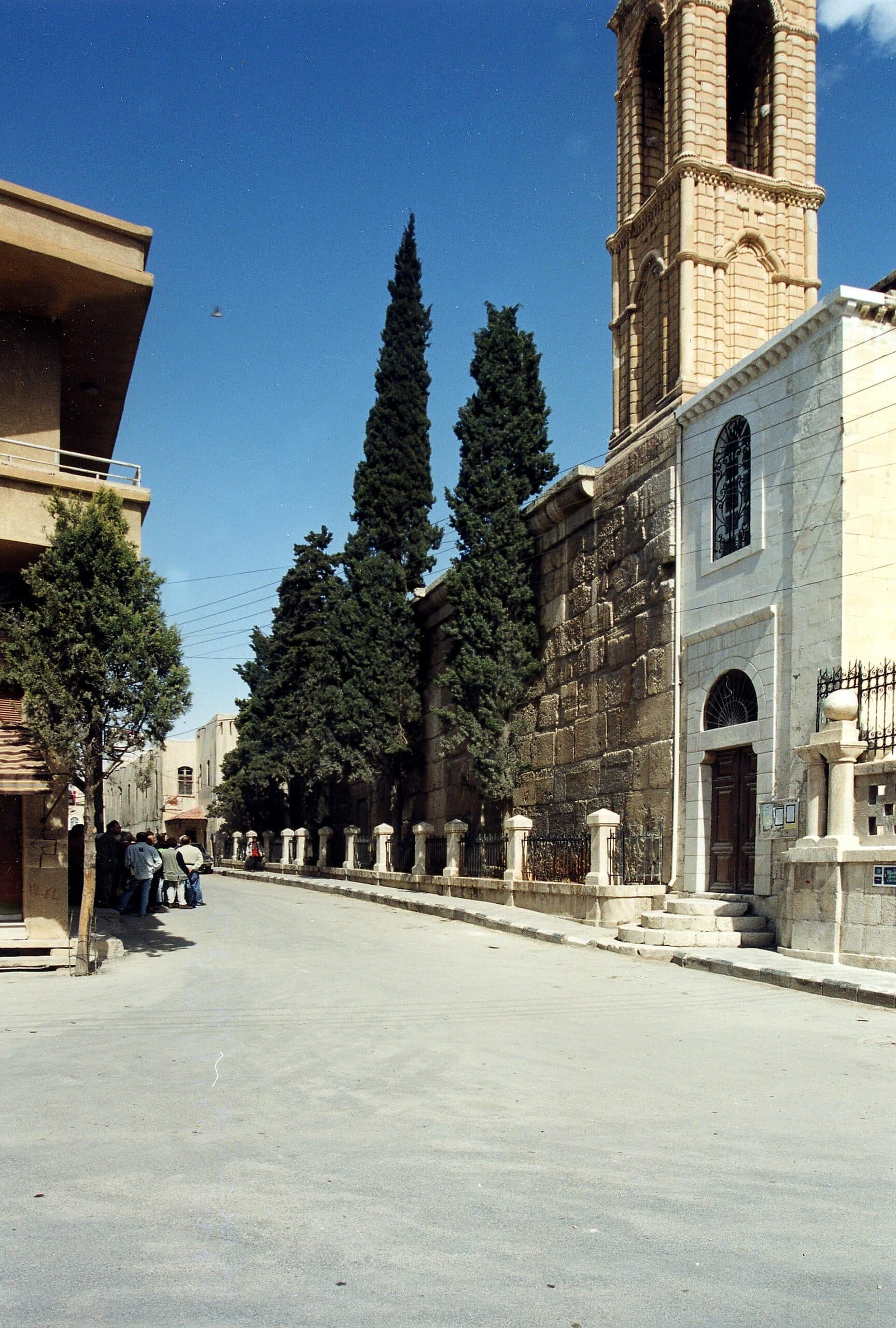
10 kilometres north is Deir Atiyah, with its windmills that draw water from deep wells and its habit of drinking mate. 20 kilometres north is Qara, and outside the town the monastery of Mar Yakub. 10 kilometres south is Yabroud, where the wall of the cathedral still shows the stones of the temple that stood there before the church. 40 kilometres to the south-west lie Maaloula and Jubb’adin, the two villages where Western Aramaic is still spoken.
Safety and access
The Qalamoun was a conflict zone between 2013 and 2017. The Damascus-Homs road is working now and the towns are settled, but there are checkpoints along it. Keep your passport and entry stamp to hand, and do not photograph checkpoints, military installations or government buildings. Which village roads are open changes from week to week, so ask in Nebek before you set off. This page explains what a place is; it does not say that the place is safe today. Standing official travel advice covers the whole country.
When to go
April to June and September to October. At this altitude summer days are hot and the evenings cool; snow falls in winter and mountain roads can close. The steps up to Mar Musa have no shade at midday in summer, so climb early or late in the afternoon.
Getting there
85 kilometres north of Damascus, about an hour and twenty minutes. 82 kilometres south of Homs, an hour. Intercity coaches in both directions stop at Nebek. To reach the villages you need a car: there is no regular service between Qara, Deir Atiyah and Yabroud.
Highlights
- The 11th and 12th-century frescoes on the church walls at Deir Mar Musa
- The monastery of Mar Yakub outside Qara and its four-storey tower
- The temple wall under the cathedral at Yabroud
- The windmills of Deir Atiyah, still drawing water from deep wells
- The air of the Qalamoun at 1255 metres: cool evenings even in summer
Where to stay
Most visitors do not sleep in Nebek; they come out from Damascus for the day. If you do want to stay, the choice is narrow and confined to the centre, where the coach station and the intercity road are. Deir Mar Musa has a guest wing and takes people who want to stay, but it is not a hotel: you are expected to keep to the rhythm of the house, and a place is arranged in advance. Whatever you choose, confirm by phone before you travel.