Daraa
The capital of the Hauran plain, a few kilometres from Jordan. How to reach Daraa, what is left in the town, how far Izra and Bosra are, and how things stand.
- Founded
- 2nd millennium BC
- Best season
- April, October
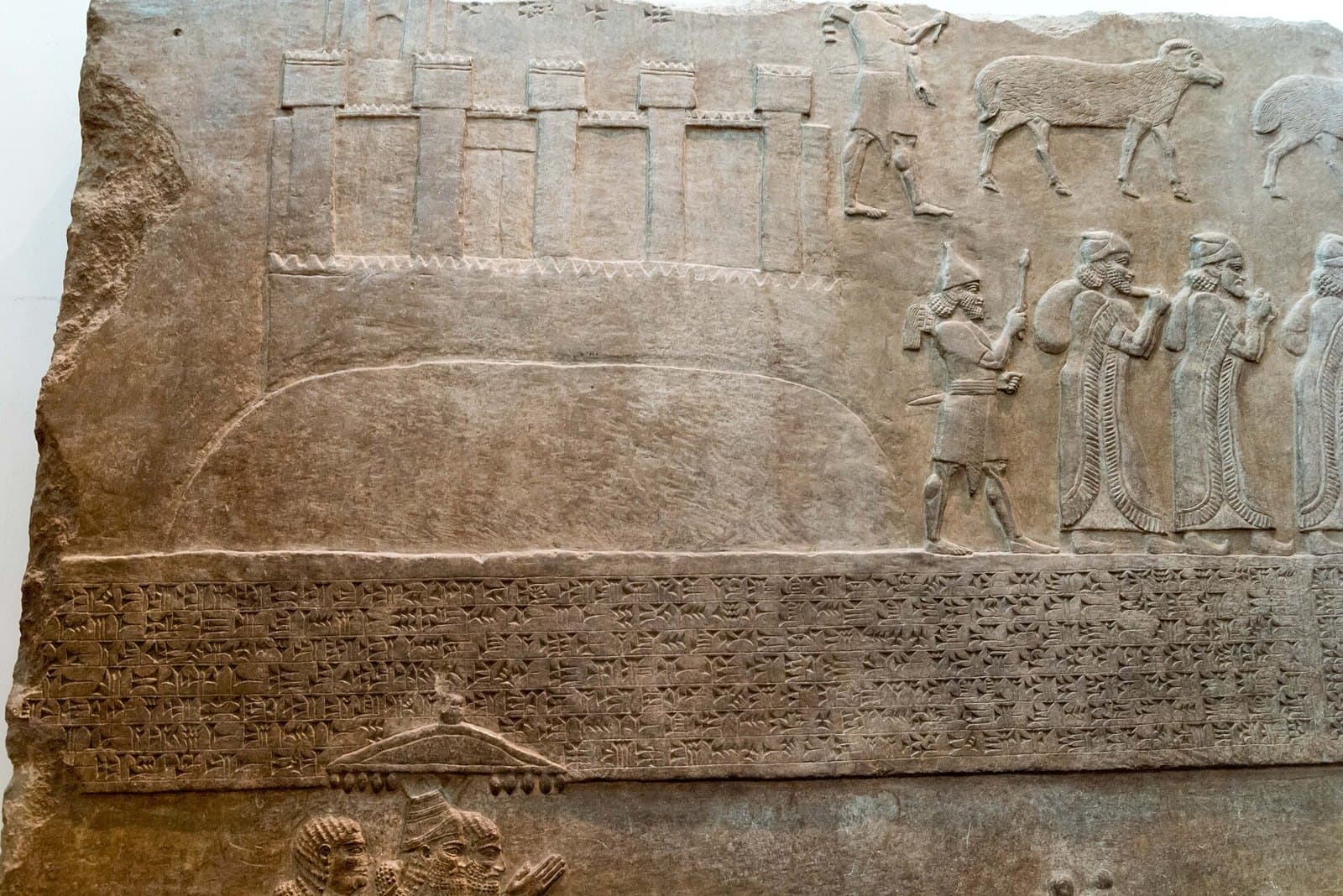
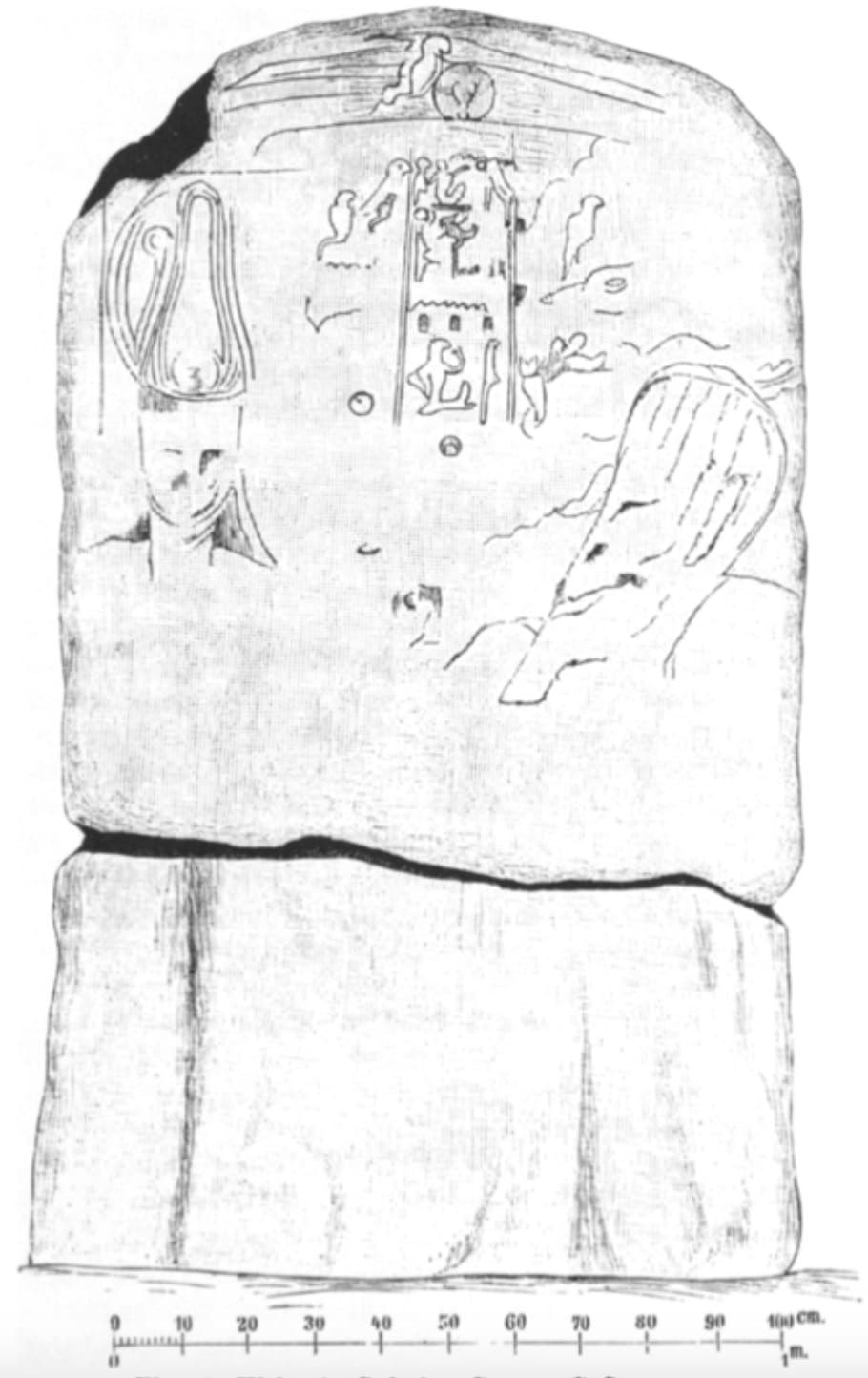
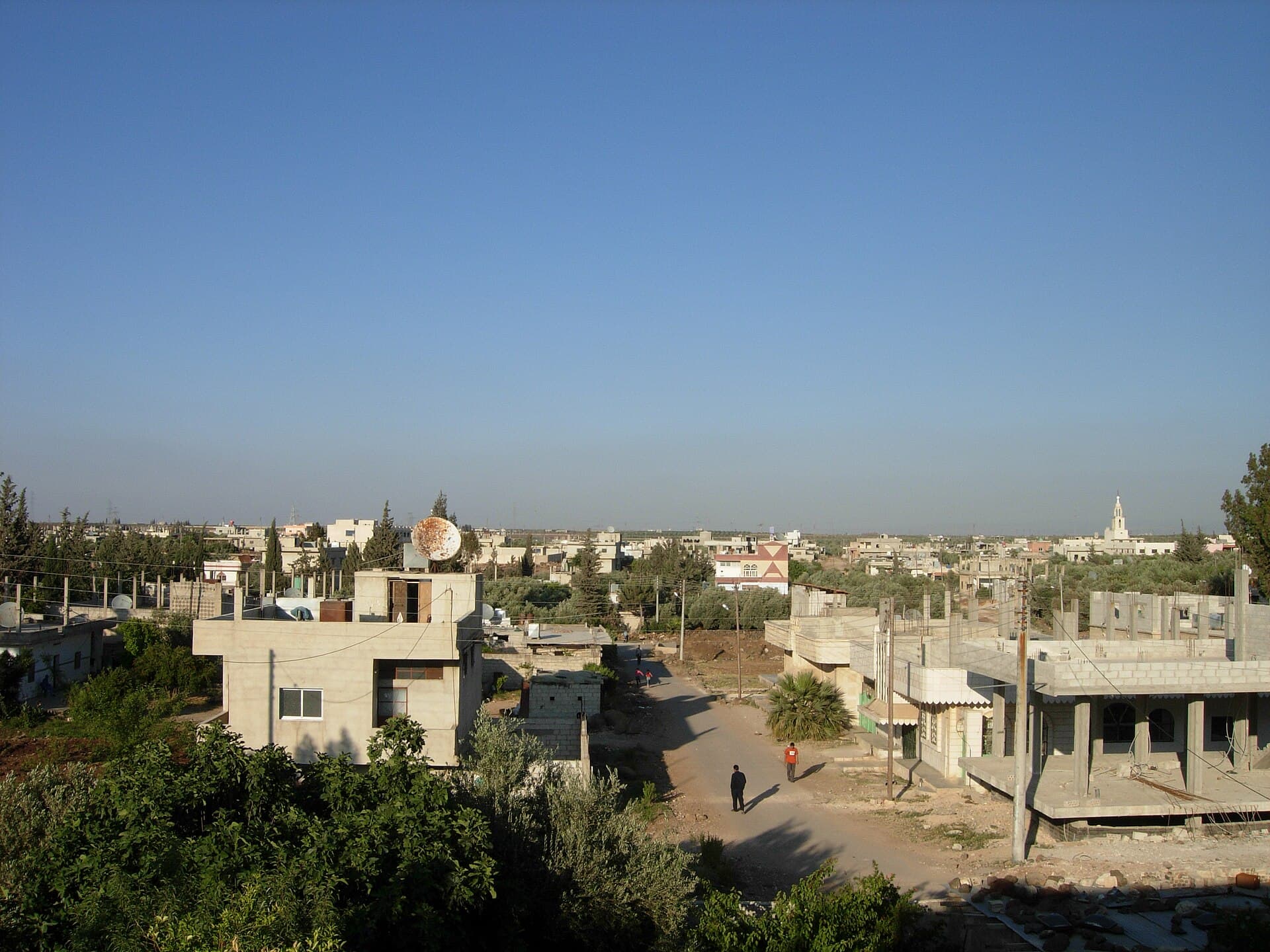
The main town of the Hauran plain and Syria’s southern gate: the Jordanian border is thirteen kilometres away and the Damascus–Amman road runs through the middle of it. Settlement here goes back to the Bronze Age — Atharaa in Egyptian texts, Edrei the capital of Bashan in Hebrew sources, Adraa under Rome. In the twentieth century it became the junction of the Hejaz railway. In 2011 the Syrian uprising began in this town, and much of it was destroyed in the years that followed; today repair and rubble stand on the same street.
Where to start
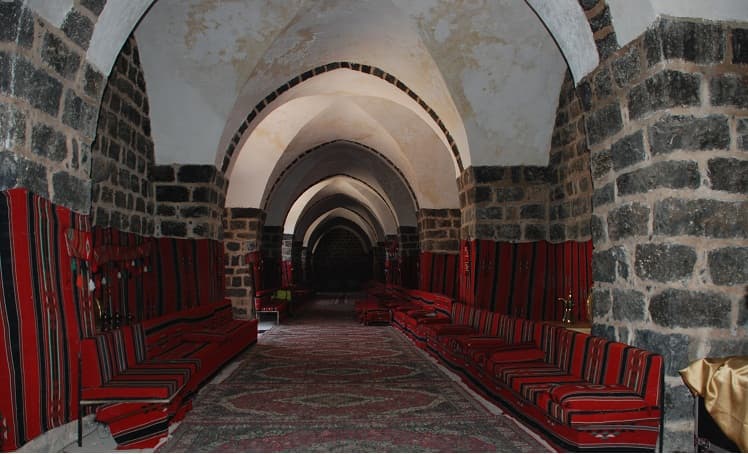
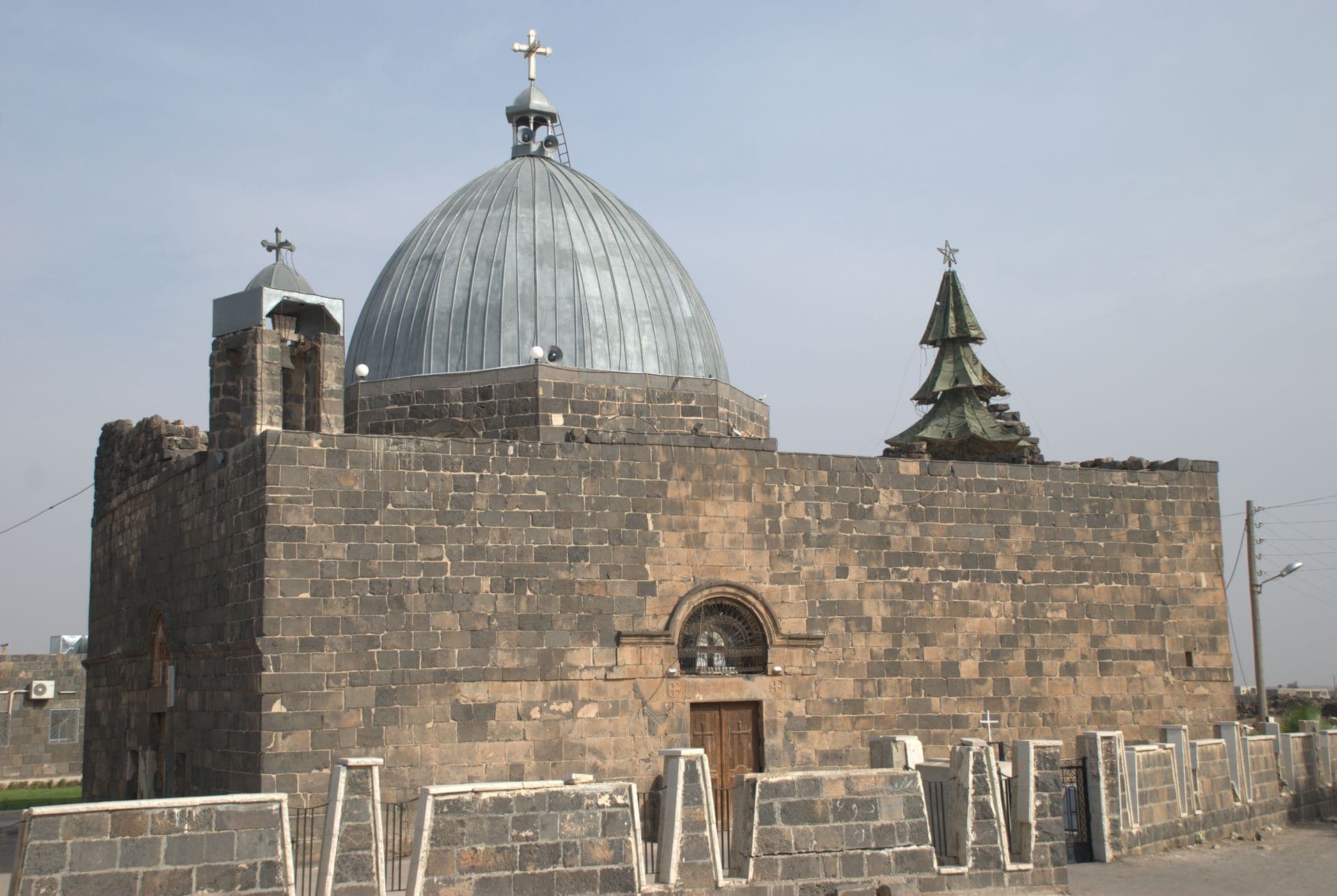
In the old town, Daraa al-Balad. The Mosque of Omar is there — by tradition founded on the order of the caliph Umar when he came to the Hauran, and the oldest building still standing in the town. The fabric around it is the Hauran’s own architecture: blocks of black basalt, flat roofs carried on stone arches, stones salvaged from ancient buildings. It is also the quarter that took the worst damage in the war, so you see both at once.
In the town
Daraa is a small place and the list of sights is short. Beyond the mosque there is the Hejaz railway station to the north-east. The line was completed in 1908, and Daraa was the junction where the branch to Haifa met the main line to Medina. The Arab Northern Army took the town here in 1918. The town museum was begun in 1992 and finished in 2005; whether it is open today could not be confirmed. What is left of the day goes to the market and to the plain: the wheat fields of the Hauran begin just outside the last houses.
Around the town
Izra is forty kilometres north and holds more to see than the town itself. The Church of St George, built in 515, is the oldest church in Syria still in use, and a second Byzantine church stands in the same small place. Bosra is forty kilometres east — the basalt town on the World Heritage list, at the other end of the same governorate, with a page of its own. The Nasib crossing into Jordan sits on the Damascus–Amman road south-east of town.
When to go
The Hauran plain lies at six hundred metres and the climate is semi-arid. The average high in August is above 32 degrees and no rain falls between June and September; the year’s whole rainfall is squeezed into November to April. January nights drop to three degrees. April and October are the two good months: the plain is green in April and freshly harvested in October.
Getting there
About 117 kilometres from Damascus, an hour and a half on the motorway and up to two hours with checkpoints. Shared taxis and minibuses leave from the southern garages of Damascus, and travellers heading for Bosra often change here. Hiring a car with a driver keeps the day flexible and makes it possible to put Izra and Bosra on either side of it.
Where things stand
The uprising began on 6 March 2011, when fifteen boys were detained for writing on their school wall; tens of thousands marched on 18 March, and the town was under siege by the end of April. The fighting of the following years destroyed much of it. The army retook the town in 2018. In December 2024 local factions took it along with almost all of the governorate, which then came under the transitional government. The town is administered from Damascus today and the motorway is working. Against that, unexploded ordnance remains in the ruined quarters, Daraa al-Balad above all. Armed incidents and tribal clashes ran through the governorate during 2025. Cross-border military operations continue in the western countryside, and artillery fell near Abdeen in August 2026. Official travel advice for the whole of Syria stands at its highest level. This page tells you what Daraa is; it does not tell you that Daraa is safe today. That question is answered in current advisories and on the ground.
Highlights
- The Mosque of Omar in the old town — the oldest building left standing
- Hauran architecture: basalt blocks and flat roofs carried on stone arches
- The Hejaz railway junction; the line was finished in 1908, nothing runs now
- Izra, forty kilometres north: the oldest church in Syria still in use
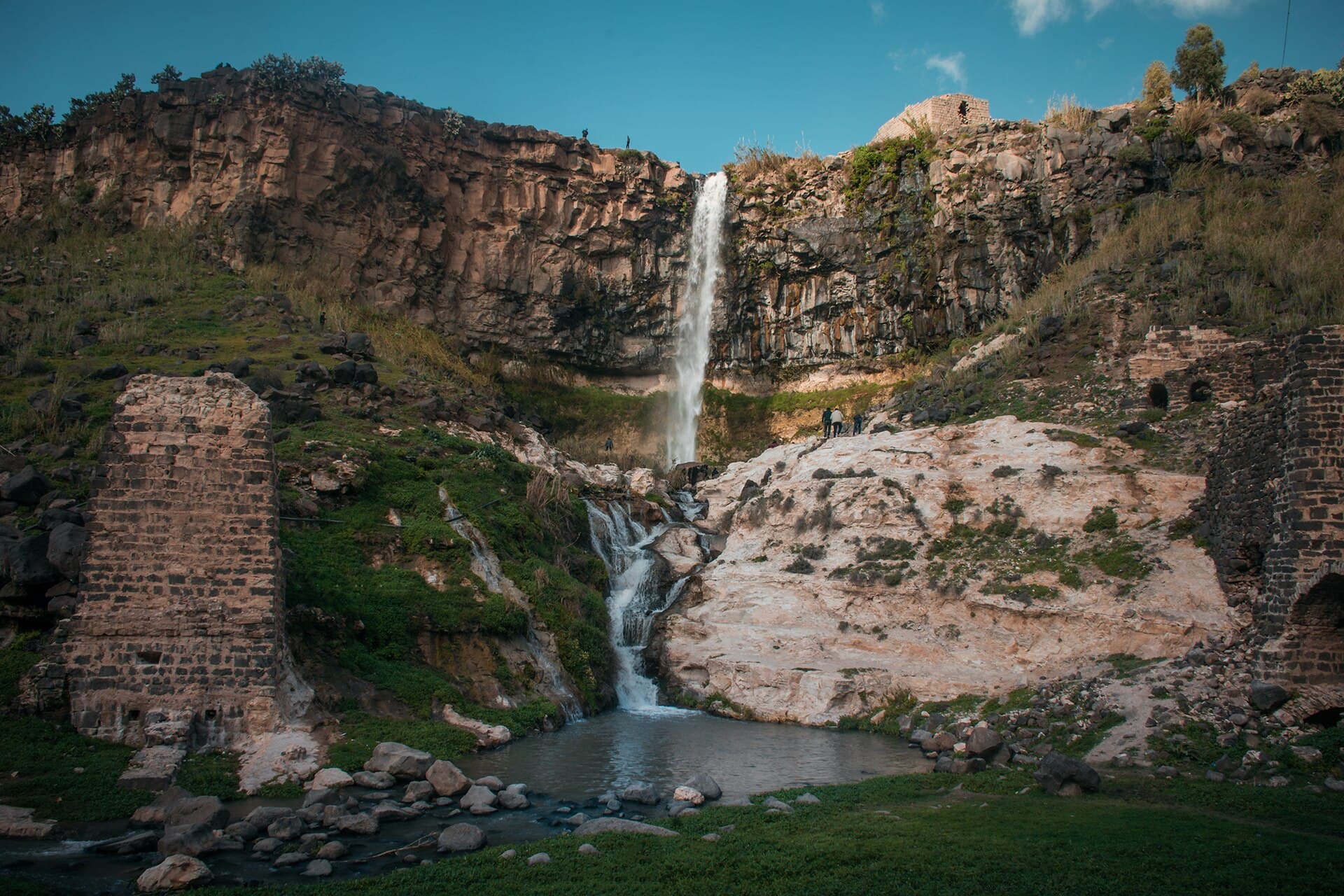
- The plain itself: wheat fields start where the last houses end
Where to stay
Visitor accommodation in Daraa is thin and its state changes quickly; whether the pre-war properties are open today cannot be confirmed, so no name is given here. Most visitors base themselves in Damascus and come for the day — an hour and a half to two hours each way — or stop on the way to the Jordanian border. If you have to stay, call ahead before you set out.