Opening hours and the shape of the Syrian week
The weekend is Friday and Saturday and the working week runs Sunday to Thursday. Offices open at 08:00, shops shut at midday and open again at 18:00. Plan for it.
In Syria the hour of the day decides what you can get done far more often than your own plans do. The week starts on a different day, the day splits in two, and everything pauses for a couple of hours on Friday. What follows is the clock itself; which days are public holidays belongs on another page.
The week runs Sunday to Thursday
The weekend is Friday and Saturday. Official working hours start on Sunday morning and end on Thursday evening. For anyone arriving from Europe this is inverted, and it catches people out on day one: Monday morning is an ordinary working morning, and so is Sunday.
In practice that means anything official — a permit, a registration, a signature — waits over Friday and Saturday. Work saved up for the end of the week loses three days rather than one. Which days are holidays on top of that is set out on the public holidays page.
Offices and banks
Government offices typically work from 08:00 to 15:00, and the queue is at its worst in the first hour. In the afternoon a clerk may still be at the desk while the counter has stopped taking new business; anything left that late slides to the next day.
Banks and exchange offices keep close to the public calendar: closed Friday and Saturday, and closing early on weekday afternoons. That has one practical consequence. Do not leave money until Thursday evening — start the weekend with pounds in your pocket. Where and how to change them is covered on the changing money page.
Shops split the day
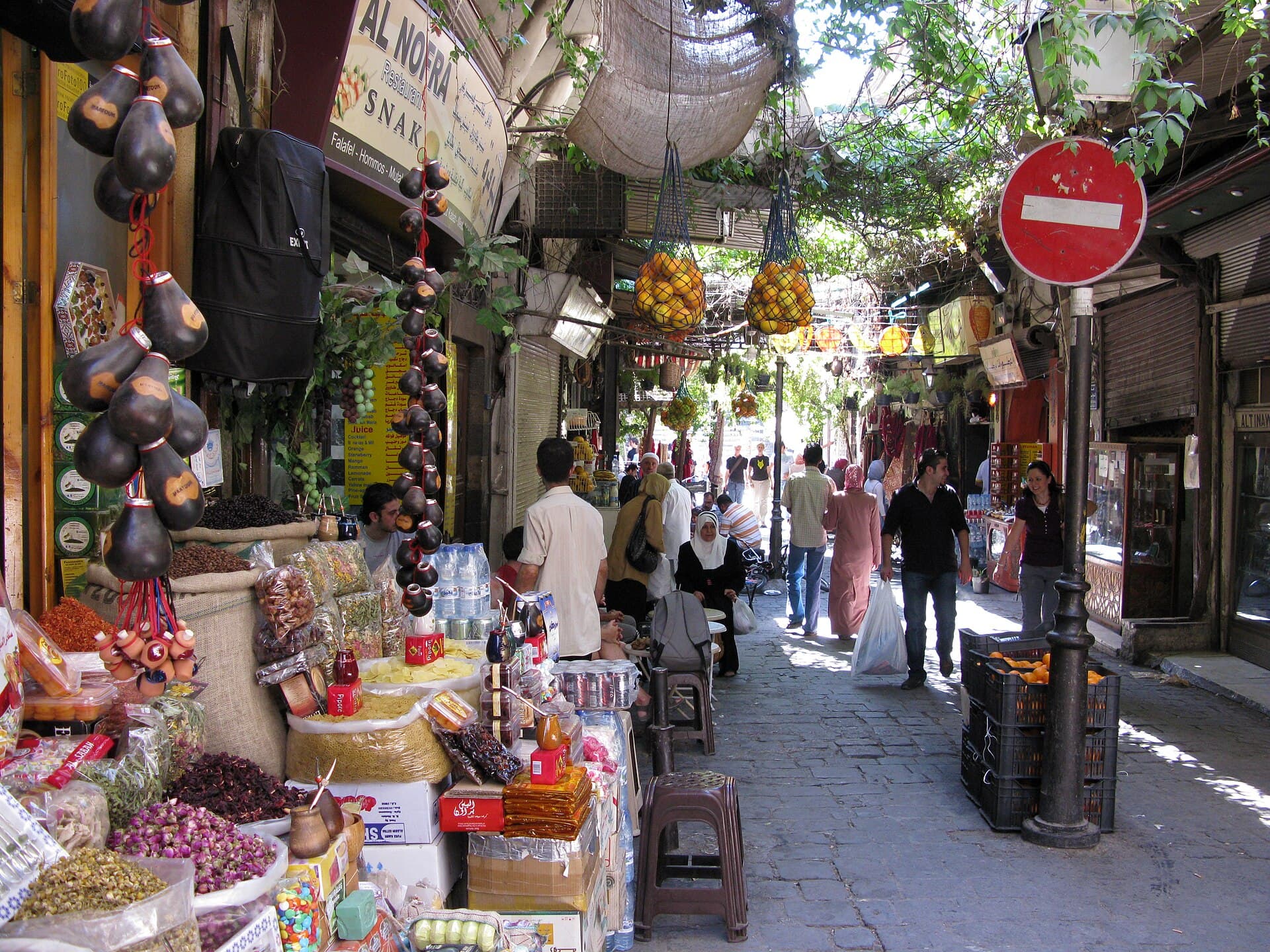
The common private sector pattern is a split day: opening around 09:00, closing around 14:00, a long break, then reopening about 18:00 and shutting towards 21:00. This is a habit rather than a rule; every shop sets its own hours, and the card taped to the shutter usually tells the truth.
A shop you find closed at midday is worth a second visit in the evening. Summer evenings stretch late and winter days end early. Small trades — the tailor, the cobbler, the watch repairer — take a longer midday break, so catch them in the morning.
Friday: a two hour pause
On Friday the markets and shops close for an hour or two around midday prayer. Mosques are shut to visitors during it and the courtyards stay closed; everything opens again once prayer ends. Give that slot to a long breakfast, a park or a walk.
Afterwards comes the liveliest stretch of the week: families out, markets full, evenings running late. Intercity transport gets harder at exactly that hour, because everyone sets off at once. How the garages work is on the getting around page.
Saturday and Sunday
On Saturday the state is closed and the city is open: markets, shops, restaurants and most museums are working. A good day for visiting, a lost day for paperwork.
Sunday is a working day in Syria. The one nuance is in Christian quarters: in places like Bab Touma and Jdeideh some shops stay shut on Sunday morning and the church sets the rhythm of the street. By the afternoon everything is open.
Museums and archaeological sites
Museum hours and weekly closing days vary from one institution to the next and have moved more than once in recent years. No record on this site names a closing day, because naming the wrong one is worse than naming none. Have your hotel phone ahead.
At open air sites the limit is light rather than a clock: closing is early in winter and late in summer. Going first thing pays twice over — no crowd, and long shadows. For tickets, fees and what to ask at the gate see the museums and entry page.
Ramadan shifts the clock
During Ramadan the daylight half shrinks: most private businesses drop to a single shift and the day fits between 09:00 and 15:00. Offices close early too. The afternoon city is quiet, the streets are thin and some restaurants stay shut.
The real day begins after the fast breaks. Markets open, the queue at the sweet shop builds, and the street runs past midnight. The rhythm of the month is described on the Ramadan in Syria page.
Meal times run on their own clock
Breakfast is early and short lived: the bakery and the fuul cauldron open at first light and the pot empties towards midday. Get up late and you miss it, because that same stall sells something else in the afternoon.
Lunch is the main meal of the day and the restaurant is fullest then. Dinner is late: the table is laid at an hour when European kitchens have closed. The coffeehouse works the longest day of all — open in the morning, shut at night, and never closed in between.
How to build a day
Four lines cover it. Put official errands between Sunday and Thursday, in the morning. Put visits first thing. Leave shopping for the late afternoon, when the shop is open and the trader is unhurried. Keep Friday midday empty; plan nothing into those two hours.
One more thing: people here promise a stretch of the day rather than a time. If someone says morning, they mean the whole morning. Confirming an appointment is not rude, it is ordinary.
Tips
- The weekend is Friday and Saturday; official work runs Sunday to Thursday
- Government offices typically open 08:00 to 15:00 — go in the morning
- Shops close over the long midday break and reopen around 18:00
- Markets and mosques pause for an hour or two at Friday prayer
- Reach the bank before Thursday closes; start the weekend holding pounds
Transparency
- How this was chosen
- This page carries the fastest-ageing information on the site: visa rules, exchange rates, border crossings and SIM prices change several times a year. The verification date above says when the facts were last put through their sources; for anything later, check your own foreign ministry travel advice and a Syrian consulate. No figure that is not known for certain is written here.
- Facts checked
- September 2026
- Last updated
- September 15, 2026