Al-Yacoubiyah, an Armenian and Catholic Village in Idlib
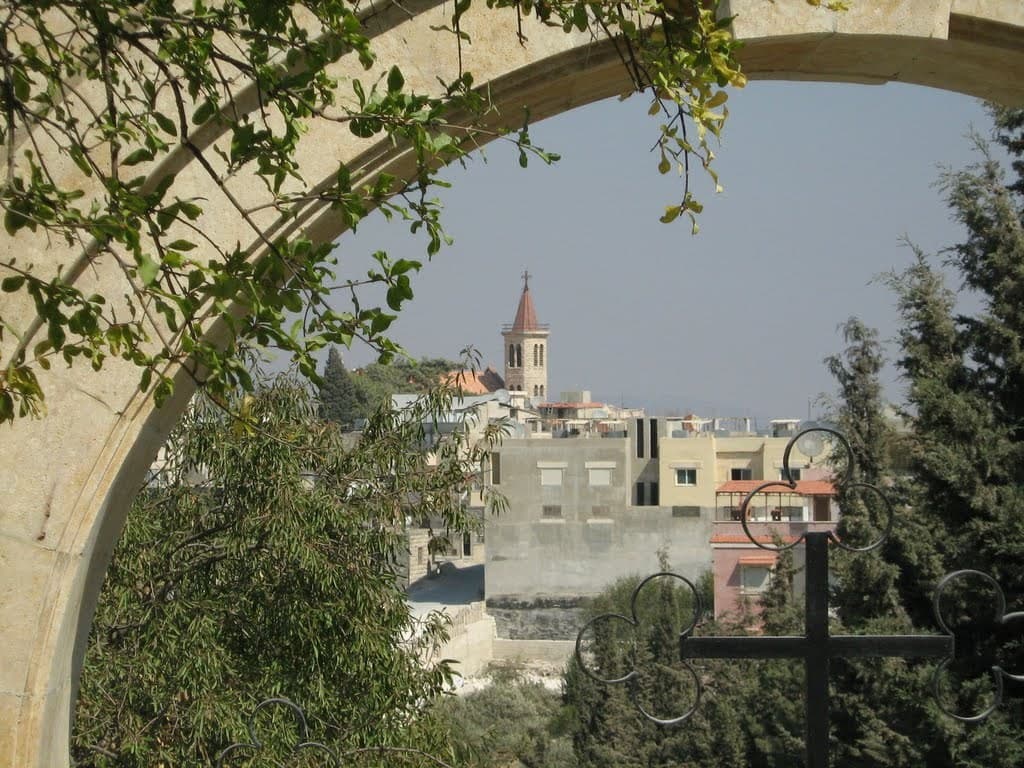
Al-Yacoubiyah, high above the Orontes valley in Idlib, has two Armenian churches and a Catholic one, on a wooded slope at 480 m next to Franciscan Al-Quniyah.
- Opening hours
- No fixed hours known — ask in the village or at the church
- Entry
- Variable — confirm on site
- Duration
- 90 minutes
- Best time
- Morning, to fit the three adjoining villages into one outing
- Period
- Medieval Armenian settlement; churches 19th–20th century
- Address
- Al-Yacoubiyah village, north of Jisr al-Shughur, Idlib
Al-Yacoubiyah is a Christian village on the slope of a wooded mountain above the Orontes valley, at 480 metres. It has two Armenian Apostolic churches, a Catholic church and an Armenian school opened in 1929. It is one of five Christian villages in the valley; the others are Al-Quniyah, Al-Judayda, Al-Ghassaniyah and Hallouz. Unlike the ruined churches of the Dead Cities, the churches here belong to a living congregation.
Getting there
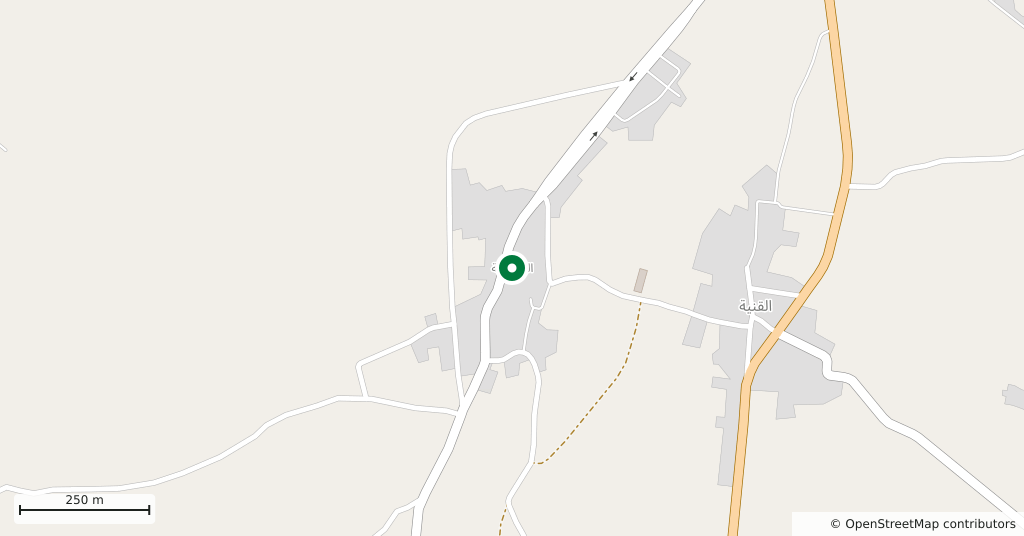
Al-Yacoubiyah sits in the hills north of Jisr al-Shughur, looking over the Orontes valley. It adjoins the villages of Al-Quniyah and Al-Judayda, so all three fit into one outing. The town of Darkush is about 10 kilometres away. The map pin marks the village centre.
The churches
The village’s two Armenian Apostolic churches are Surp Anna and Surp Hripsime. Surp Hripsime was modelled on the church of the same name at Etchmiadzin in Armenia. The third church belongs to the Catholic community: the Church of the Immaculate Conception. In 2004 the village had 476 inhabitants, divided between Armenian Apostolic and Catholic.
When the Armenians came
Sources date the Armenian settlement at Al-Yacoubiyah, along with Kessab and Al-Ghnemiyeh, to between the 8th and the 12th century. In 1929 the Armenian General Benevolent Union (AGBU) and the Armenian Prelacy of Aleppo opened a school in the village, where Armenian was taught alongside Arabic.
The Franciscan mission at Al-Quniyah
In neighbouring Al-Quniyah the Franciscans founded a church, a friary and a dispensary in 1878, as well as the first Arabic school in north-western Syria. The church was renewed in 1885, and the present building dates from 1932. Al-Ghassaniyah is another of the sister villages in the same valley.
2013 and after
In January 2013 opposition groups took the village. Its infrastructure was not badly damaged, but abandoned houses were looted. Most Armenians left, while most Catholics stayed. Current service times, and whether the churches are open to visitors, need to be confirmed locally.
Don’t miss
Surp Hripsime. The church was modelled on the well-known Church of Saint Hripsime at Etchmiadzin; for anyone who has seen Armenia, looking for traces of that model in an Idlib village may be the most rewarding part of the visit.
Tips
- The churches are places of worship for a congregation; ask before you go in
- Al-Quniyah and Al-Judayda adjoin the village; all three fit into one outing
- Darkush is about 10 km away; combine the two for a day in the Orontes valley
- The congregation has shrunk since 2013; ask ahead whether the doors are open
Transparency
- How this was chosen
- Written by hand; opening hours, entry fee and coordinates are kept as data. A field that is not known for certain is marked as variable rather than guessed.
- Facts checked
- September 2026
- Last updated
- September 15, 2026