Tell Mastuma (Ancient Astamaku)
Tell Mastuma, just south of Idlib, is an Iron Age town a Japanese team dug for 15 years, likely Astamaku, taken by Assyria in 848 BC and named on the Balawat Gates.
- Opening hours
- Open ground, daylight hours; access not verified — confirm before you go
- Entry
- Variable — confirm on site
- Duration
- 45 minutes
- Best time
- A spring or autumn morning; there is no shade on the mound
- Period
- Neolithic — Bronze Age — Iron Age I
- Address
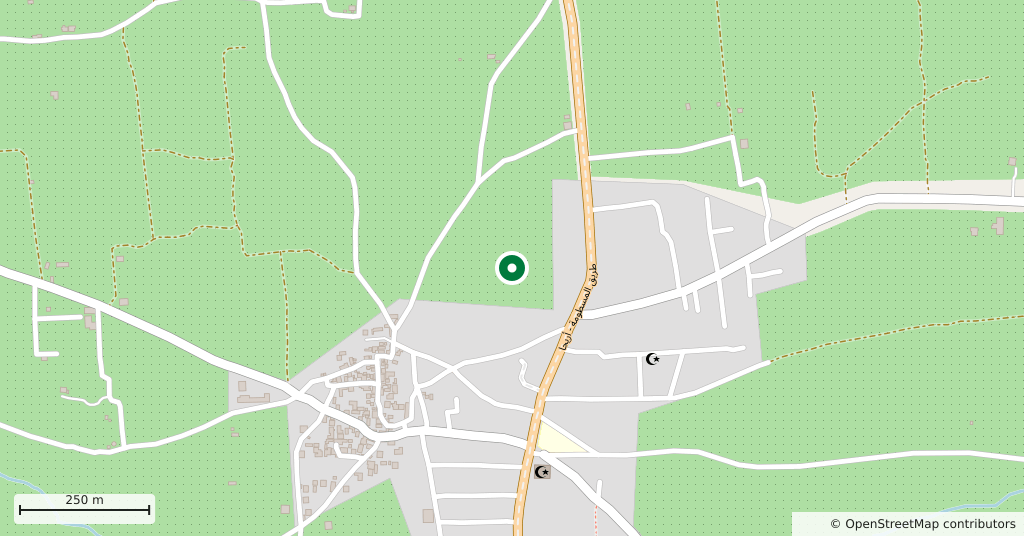
- North of al-Mastuma village, 5-7 km south of Idlib, Idlib governorate
Tell Mastuma is a mound 5-7 km south of Idlib, just north of the village of al-Mastuma. It stands 18 metres high and measures 200 metres across. A Japanese team from the Ancient Orient Museum in Tokyo, led by Takuya Iwasaki, excavated it for 15 years, from 1980 to 1995. The layers hold traces of the Neolithic and the Bronze Age, but the main settlement belongs to Iron Age I. The mound is identified with Astamaku, a town the Assyrian king Shalmaneser III took in 848 BC.
Getting there
The mound lies between Idlib and Ariha, on the northern edge of al-Mastuma village. It is a short drive from the city centre. There is no verified information on signs or a guard at the site. Ask in the village. Roads and checkpoints change, so check the current situation in Idlib before you set out.
How long it takes
45 minutes. That is enough to walk around the mound and look up at its top. With the Idlib Museum it makes a half day.
Why Astamaku matters
Shalmaneser III claimed to have captured about 90 towns in the lands of the Aramaean kingdom of Hama. Only one of them is named on the bronze bands of the Balawat Gates, the decorated doors from an Assyrian palace. That one is Astamaku. In the relief the walled town falls to Assyrian archers in 848 BC. It was the furthest point Shalmaneser reached in Hama’s territory on that campaign.
What the excavation found
The digs uncovered streets and small houses. The layout points to a governor and a population made up mostly of garrison families. The results were published in Tokyo in 2009 as “Tell Mastuma: An Iron Age Settlement in Northwest Syria”. The Idlib Museum’s collection includes pieces from Tell Mastuma.
What you can see today
No published assessment of the excavation areas’ current condition exists. What you see is the mound itself: a rounded hill rising 18 metres north of the village. In the 1960s the French writer Robert Boulanger described al-Mastuma as a village set in greenery, with domed mud-brick houses.
Safety
A former military camp sits right next to the mound, and the area was a conflict zone in 2013-2015. The risk of unexploded ordnance is high. Stay out of fields and unmarked slopes and keep to the paths villagers use. Explosions of war remnants were still happening in Idlib governorate in September 2026.
What most people miss
The Astamaku scene on the Balawat Gates, which is worth looking up before you go. It shows the same town through the eyes of an Assyrian artist more than 2800 years ago: walls and attacking archers. Standing at the foot of the mound, you can see where that scene took place.
Tips
- The risk of unexploded ordnance is high; do not leave the paths villagers use
- Keep away from the former military camp beside the mound and do not photograph it
- Visit the Idlib Museum the same day; pieces from Tell Mastuma are kept there
- Roads and checkpoints change; ask in Idlib before you set out
Transparency
- How this was chosen
- Written by hand; opening hours, entry fee and coordinates are kept as data. A field that is not known for certain is marked as variable rather than guessed.
- Facts checked
- September 2026
- Last updated
- September 15, 2026