The Altun Bogha Mosque, Aleppo
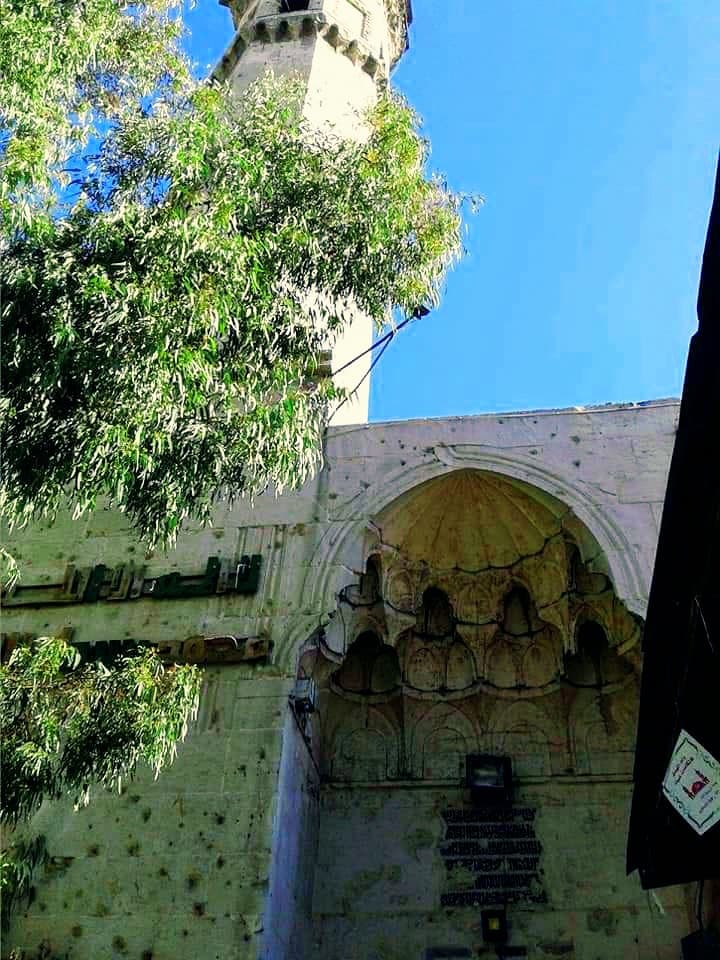
A Mamluk mosque of 1318 east of the Citadel, built by the emir Altun Bogha. Also called the Salt Square Mosque; the inside of its dome is all muqarnas.
- Opening hours
- Open at prayer times; otherwise confirm at the door
- Entry
- Free
- Duration
- 20 minutes
- Best time
- Morning; the courtyard is empty and the star pattern unshaded
- Period
- Mamluk (the sultanate that ruled Syria from Cairo)
- Address
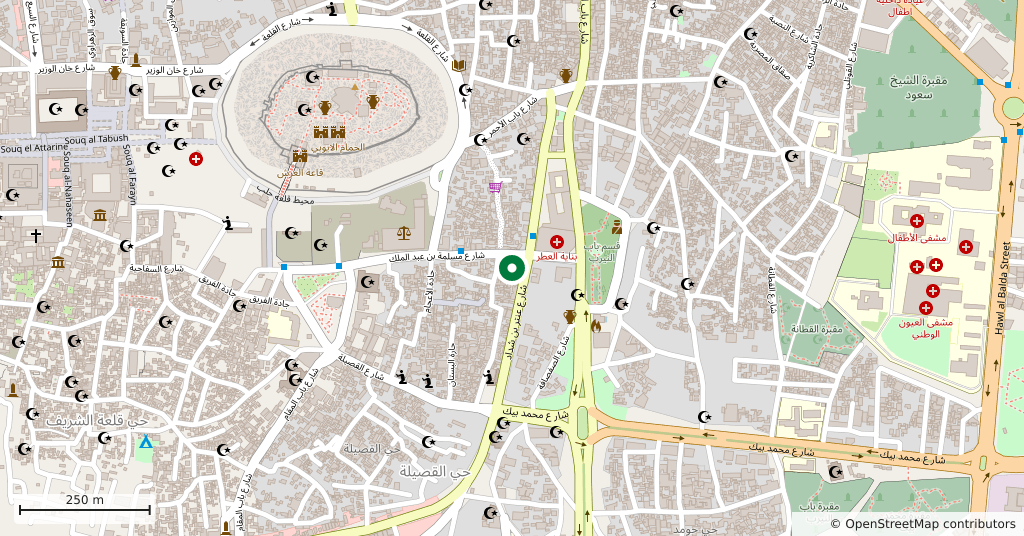
- Salt Square area, east of the Citadel, Old City, Aleppo
A mosque in the lanes running down the eastern slope of the Citadel, off the visitor route. The plaque by the door gives its date: 718 in the Hijri calendar, that is 1318. It is one of the earliest Mamluk buildings still standing in Aleppo.
Who built it
The emir Alaaddin Altun Bogha al-Nasiri, Mamluk governor of Aleppo, built it in the reign of sultan al-Nasir Muhammad. The site was not chosen so much as inherited: the mosque went up over the mosque of al-Midan al-Aswad, one of the oldest in the city.
Why two names
Locally the building is also called Sahat al-Milh, the Salt Square Mosque. The reason is plain: a large salt warehouse stood next to it and gave the quarter its name.
Getting there
Go down from the eastern end of the Citadel esplanade; heading towards Bab al-Ahmar, the street takes you past the front of the mosque. About ten minutes from the Citadel.
What to see
The half-dome over the portal is worked in muqarnas, with inscription bands to either side of the door. The minaret has a polygonal shaft. A geometric star is set into the stone paving of the courtyard, and the coloured glass in the arched windows of the north wall drops colour onto it.
Don’t miss
The inside of the dome. From outside it looks plain, but its inner face is tiered in muqarnas — the real decoration of the building is on the side you cannot see from the street.
How it stands now
The mosque was partly repaired in 1921. The ground around the Citadel was a front line in 2012-2016 and there is shrapnel scarring on the outer stone; the building stands and serves its quarter. We have no record of a full restoration.
Tips
- Read the plaque left of the door; it carries the Hijri and the common era date side by side
- Look down at the star pattern in the paving as soon as you enter the court
- Look up into the dome; that is where the muqarnas is
- The shrapnel marks on the facade stone are from 2012-2016; the building itself is sound
Transparency
- How this was chosen
- Written by hand; opening hours, entry fee and coordinates are kept as data. A field that is not known for certain is marked as variable rather than guessed.
- Facts checked
- September 2026
- Last updated
- September 15, 2026