Azaz
Azaz became a border town in 1921, when Kilis was left on the other side: the Omari Mosque, a castle that kept changing hands, and the mound of Tell Azaz.
- Opening hours
- Streets at any hour; the mosque at prayer times; the mound in daylight
- Entry
- Free
- Duration
- 120 minutes
- Best time
- Morning; there is no shade on the mound
- Period
- Assyrian — Crusader — Ayyubid — Ottoman
- Address
- Azaz, northern Aleppo Governorate
Azaz is a town north of Aleppo, just south of the Turkish border. It stands at 560 metres, in country planted with olives, vines, figs and cherries, with around 500 millimetres of rain a year. Assyrian records call the place Hazar; in Yaqut al-Hamawi’s geographical dictionary it appears as Azaz.
How often the castle changed hands
The town was taken in 636, after the conquest of Aleppo. In 974 an earthquake brought the castle down and it was rebuilt. The Crusaders took it in 1118 and called it Hazart. At the Battle of Azaz in June 1125, King Baldwin II of Jerusalem and an army of 3000 defeated a Mosul and Damascus coalition of 15000 that was besieging the town. Nur ad-Din Zangi took Azaz in 1150, and in 1175 it passed to Saladin; his son az-Zahir Ghazi rebuilt the castle. The Mongols destroyed it in 1260 and the townspeople moved to Kilis. Under the Ottomans, Azaz belonged to the district of Kilis within the province of Aleppo, in the same administrative unit as its neighbour to the north.
What the border changed
At the start of the 20th century the population was under 1500. When the Treaty of Ankara of 1921 left Kilis on the other side of the line, Azaz was cut off from the centre it had belonged to for centuries and became a border town itself. By the 2004 census the population had passed thirty thousand. The Bab al-Salama crossing is immediately north of the town, facing Öncüpınar south of Kilis. In the civil war opposition fighters took the town in July 2012; from 2017 to January 2025 it was the seat of the Syrian Interim Government.
What there is to see
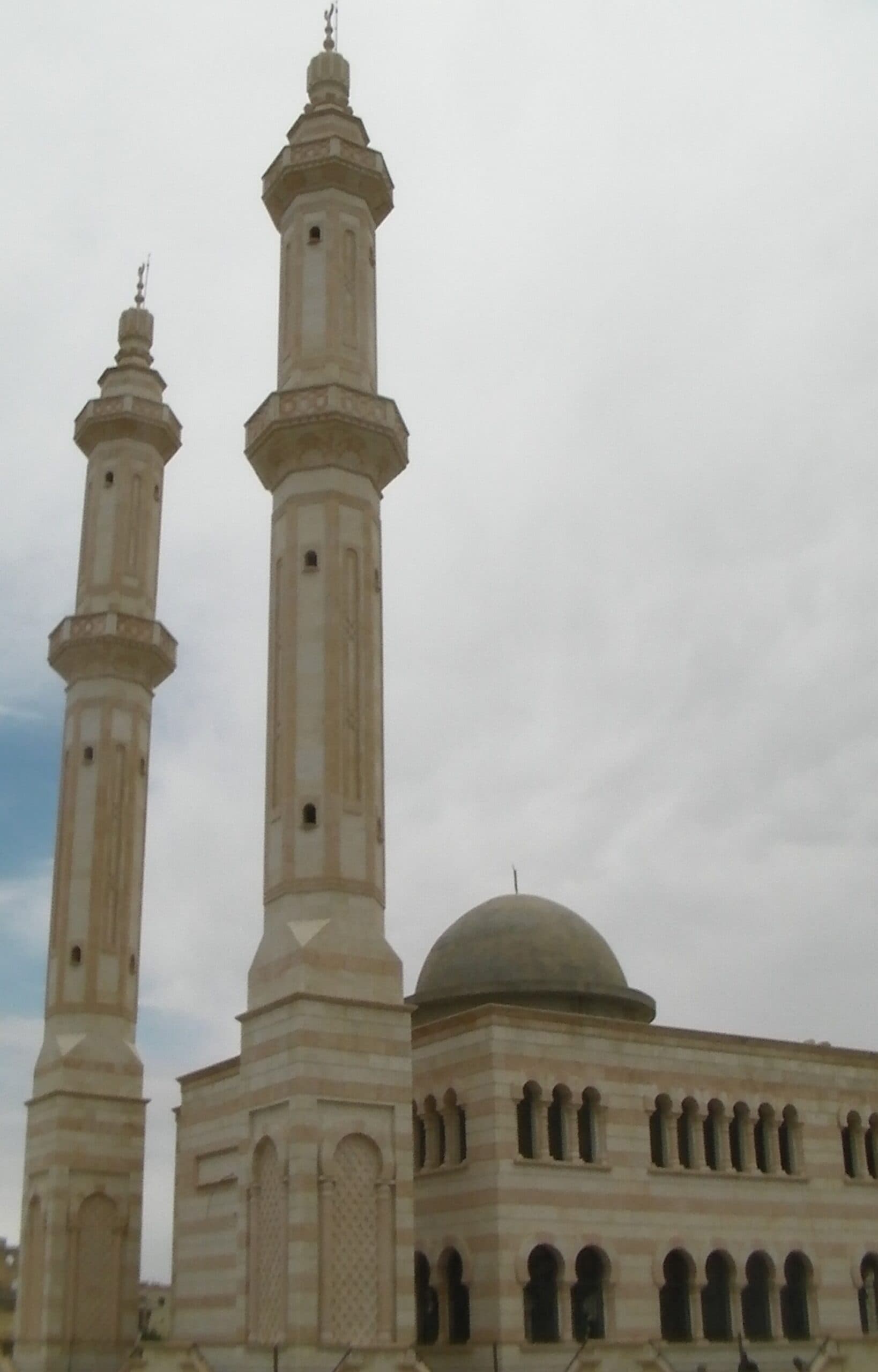
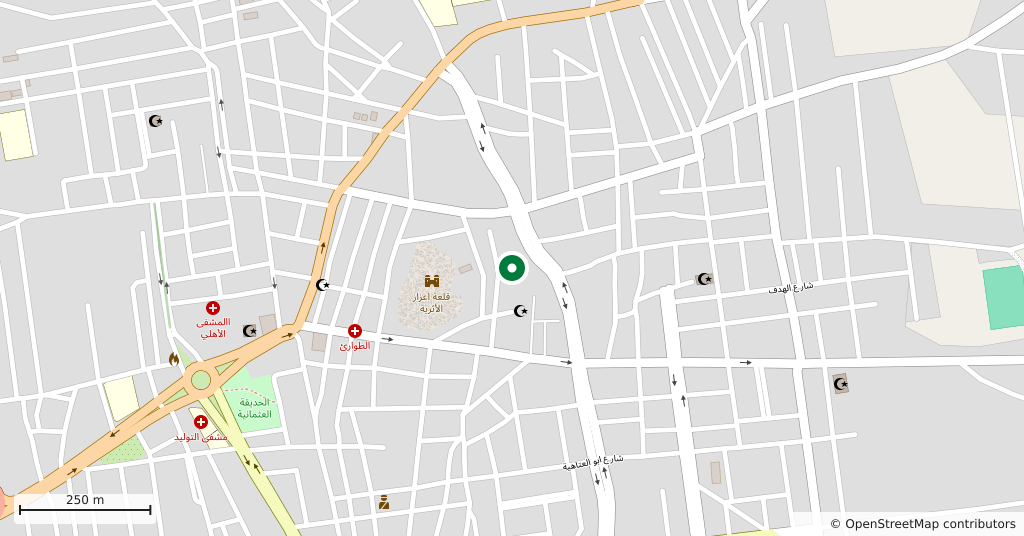
The Great Omari Mosque is taken to be the oldest building in the town and is said to date from 737. The twin-minaret mosque on the north-east edge, facing the Kilis road, is new. Tell Azaz is one of Syria’s registered archaeological mounds: potsherds and worked stone lie on the surface, thought to belong to an older fortress.
Getting there
By the road north out of Aleppo. Nebi Huri, ancient Cyrrhus, is 30 kilometres west and fits into the same day. Roads and crossing arrangements change; ask before you set out.
What most people miss
The mound. Crusaders and the rulers of Aleppo fought over Azaz because of its position overlooking the country around it, and the fortress the Crusader sources called Hazart stood here. Excavations on Tell Azaz turned up large amounts of early and middle Islamic pottery, even though written sources barely mention the town in those centuries.
Tips
- Climb the mound in the morning; there is no shade up there
- Leave the potsherds on the surface where they are
- Nebi Huri fits into the same day, 30 kilometres west
- Crossing and road arrangements change; ask before you set out
Transparency
- How this was chosen
- Written by hand; opening hours, entry fee and coordinates are kept as data. A field that is not known for certain is marked as variable rather than guessed.
- Facts checked
- September 2026
- Last updated
- September 15, 2026