Barisha, a Dead City in Idlib
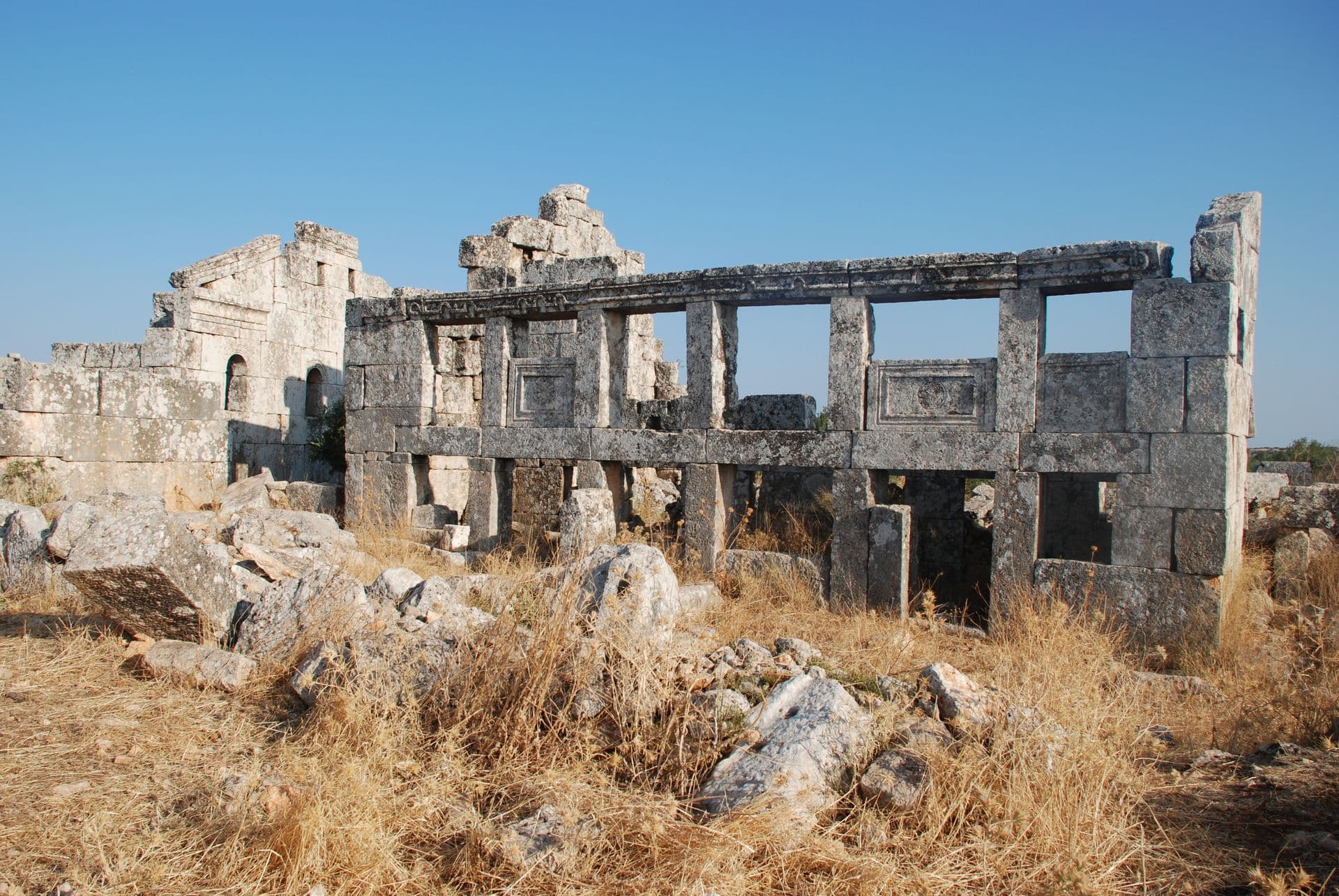
The village that named Jebel Barisha, and the Byzantine ruin north of it: porticoed houses, more standing olive presses than any dead city, a vaulted cistern.
- Opening hours
- Open site, daylight hours
- Entry
- Variable — check on arrival
- Duration
- 60 minutes
- Best time
- A spring morning, while the stones are still green around and before the heat
- Period
- Roman — Byzantine
- Address
- Barisha village, Jebel Barisha, Harem, Idlib
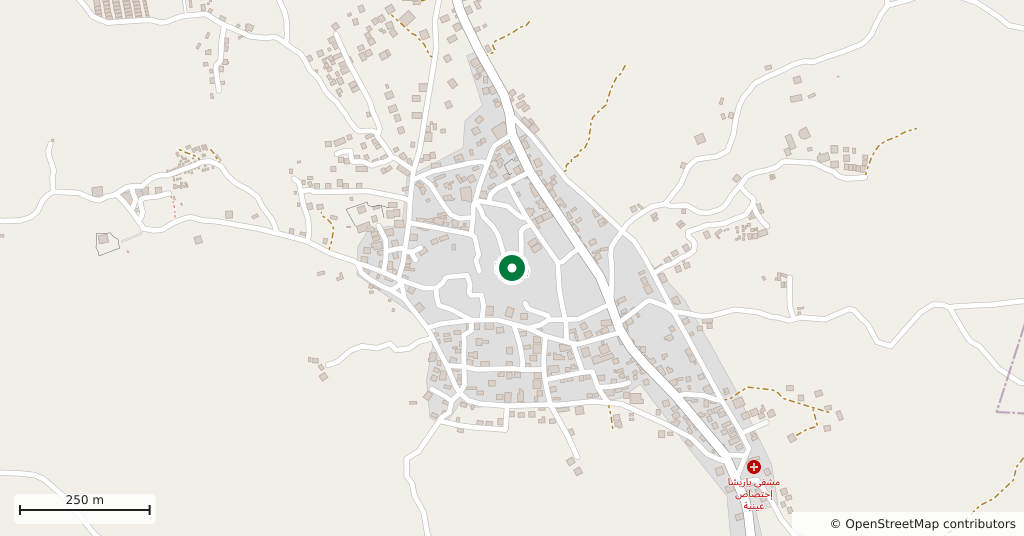
Barisha is a village in the Harem District of Idlib, in the middle of the limestone massif of northern Syria. Some 500 metres north of the present houses, among olive groves, an abandoned Byzantine settlement stands: two-storey houses, a church, cisterns, presses. The ridge takes its name from the village. The 2004 census counted 1143 people here; more recent reports put the figure near 7000.
Getting there
A paved road reaches the village. The ruin field lies on a gentle slope across a valley, inside olive groves and small wheat plots divided by field-clearance walls; the last stretch is a footpath. Qalb Lozeh is 5 kilometres west, Baqirha roughly the same distance north. Your driver has to know the spot, because nothing on the ground is signposted.
What to see
At the centre, around the church, stand two-storey houses with a columned portico along one face. The houses around them are far plainer: no portico, plain rectangular windows, walls built of huge blocks. The town’s money between the 4th and 6th centuries came from olives and wine, and the presses still show it — more of them survive at Barisha than at most of the dead cities.
What the church tells you
It is a three-aisled basilica. There is no rounded apse at the east end; instead a rectangular sanctuary with a straight wall, flanked by a room on either side. That arrangement appears in the late 5th century, which puts the church in the later wave of the dead cities. The northern room is entered from the side aisle through a door framed by bands in low relief: the diakonikon. The southern room opens to the nave through a wider arch, so it held relics. The eastern gable wall survives complete, with four windows at the same height under curved lintels.
What most people miss
The cistern. It is cut into the limestone bedrock and roofed with a vault that rises out of the ground; the crown of the vault stands three metres above the terrain. Inside, a stone staircase carved from a single block runs eight metres down along the wall. Water reaches this plateau only in winter, and pits like this one carried the summer. The mouth is a small hole in the ground, so most visitors walk straight over it.
Tips
- Your driver has to know the place; the ruin is unsigned and outside the village
- Look for the presses between the houses — most stone basins are still in position
- The cistern mouth is a small hole at ground level; the stone stair is slippery when wet
- Qalb Lozeh and Baqirha fit the same day, both five kilometres away
Transparency
- How this was chosen
- Written by hand; opening hours, entry fee and coordinates are kept as data. A field that is not known for certain is marked as variable rather than guessed.
- Facts checked
- September 2026
- Last updated
- September 15, 2026