Chagar Bazar
A twin-topped mound in the wheat fields of the Khabur plain. Max Mallowan dug here with Agatha Christie beside him, and she wrote those seasons up in her own book.
- Opening hours
- Open site, daylight hours
- Entry
- Free
- Duration
- 45 minutes
- Best time
- Spring, when the plain is green and the two tops read from a distance
- Period
- Halaf — Old Babylonian — Mitanni
- Address
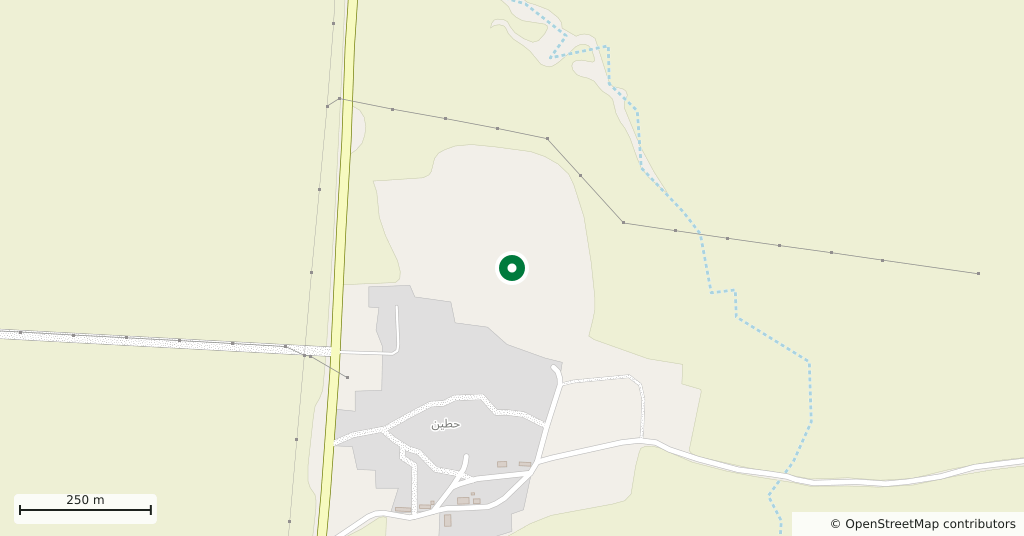
- On the Wadi Dara, 25 km south of Amuda; 35 km south-west of Qamishli
Chagar Bazar is a double mound standing in wheat fields on the Wadi Dara, one of the tributaries of the Khabur. The southern top is higher and smaller, the northern one lower and broader. Settlement begins in the Halaf period, between 6100 and 5100 BC, and runs to the middle of the second millennium BC: eight thousand years of unbroken village and small-town life stacked in one place.
Getting there
35 kilometres south-west of Qamishli and 25 kilometres south of Amuda. Three quarters of an hour by car from Qamishli; the paved road runs as far as the village and the last stretch is a field track. There is no public transport, so you need to arrange a vehicle.
How long it takes
Three quarters of an hour. The mound is not large and the climb is easy; most of the time goes on standing at the top and looking out over the plain.
What to see
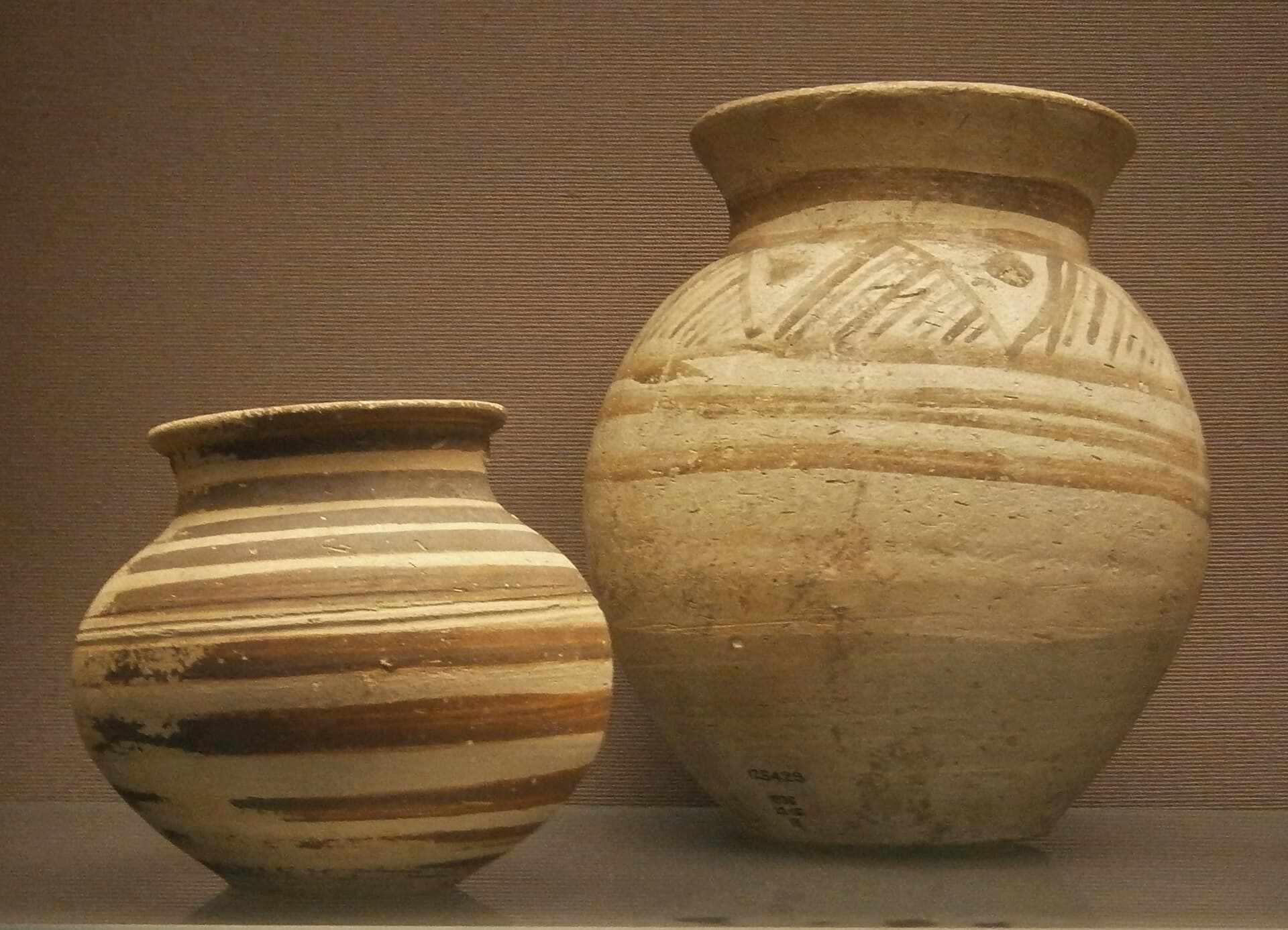
Say it plainly: nothing stands here. What you see is two hilltops, the slumped edges of old trenches and potsherds worked up to the surface on the slopes. The value of the mound is underneath that. The excavators reached virgin soil at 16 metres and counted fifteen separate occupation layers on the way down. Some of the broken pottery on the slope is Halaf painted ware: thin, pale, with black geometric designs. Leave it where it lies.
What not to miss
Two things that came out of this mound are now in museums, and they are what really tell you about Chagar Bazar. The first are the Halaf terracotta female figurines: small figures with the hands clasped beneath the breasts and a pinched head. The second is a group of about 120 Old Babylonian tablets, all administrative records from a seven-year span, found in a building attached to a grain store. The town’s name in that period was most probably Ashnakkum. Most of the tablets and figurines are in London.
What remains
Digging began in 1934 with two trial trenches, and Max Mallowan worked three seasons here between 1935 and 1937. Agatha Christie was with the team through those seasons and later wrote up her Khabur years in a memoir — still one of the most readable accounts of rural Syria in that period. Excavation resumed in 1999 with Belgian and Syrian teams and stopped in 2010. There is no guard and no signage on the mound today. Do not walk into the fields without asking in the village; the ground around the tell is under crop.
Tips
- Do not pick up sherds — it is illegal and it destroys the layer information
- The tell is ringed by planted fields; ask someone in the village before crossing
- The finds are not here but in London; the mound offers topography only
- Tell Brak can be done the same day, a short run to the south
Transparency
- How this was chosen
- Written by hand; opening hours, entry fee and coordinates are kept as data. A field that is not known for certain is marked as variable rather than guessed.
- Facts checked
- September 2026
- Last updated
- September 15, 2026