Chastel Rouge
A small Crusader castle standing in a village 12 km southeast of Tartus. A single keep inside a rectangular curtain wall — the plainest form the type takes.
- Opening hours
- Open ground; if there is a keeper, confirm on site
- Entry
- Variable — confirm on site
- Duration
- 45 minutes
- Best time
- Late afternoon, when the sandstone turns red
- Period
- Crusader — Mamluk
- Address
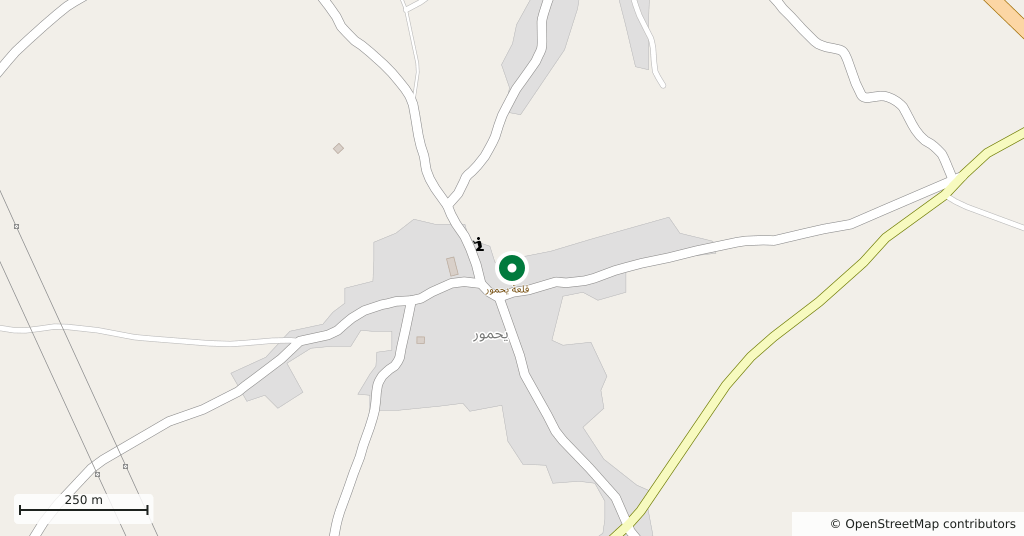
- Village of Yahmur, 12 km southeast of Tartus
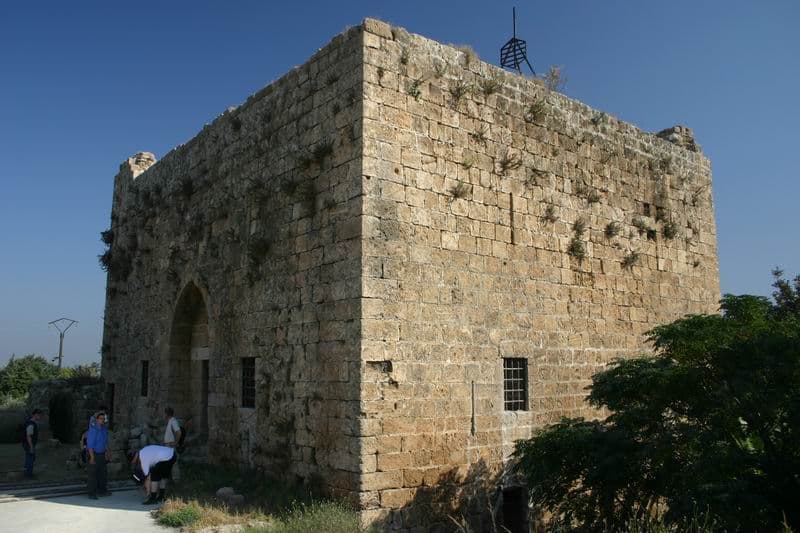
A small Crusader castle in the village of Yahmur, 12 km southeast of Tartus. The Crusaders called it Chastel Rouge, the red castle, after the reddish sandstone it is built of. Beside the great castles of Syria it is modest, and for exactly that reason it is legible: the plainest form a Crusader castle takes is standing here.
Getting there
Under half an hour from Tartus. The castle is inside the village and the houses have come right up to its wall; it is not visible from the main road, and you may have to ask in the village. The same road carries on to Safita.
What to see
A keep of two floors: 16 metres long, 14 metres wide. Around it runs a rectangular outer wall of 42 by 37 metres, with a tower at the north-west and another at the south-east corner. The lower floor of the keep was once divided in two by a wooden floor; that floor is gone, so what you walk into is a single tall room. Stone stairs set against the wall take you to the upper level.
Why it sits on the plain
The castle stands on flat ground with no natural defences. That is not a mistake: Yahmur was not put here to hold a pass but to see the line. Tartus lies north, Safita east and Areimeh south, and the castle is in sight of all three. Its job was not the wall but the message; it is a link in a chain of castles.
How it reached today
The outer wall dates from the early 12th century and the keep from the early 13th. In 1177 Raymond, Count of Tripoli, transferred the castle to the Knights Hospitaller. Saladin attacked in 1188 and destroyed the place; the Crusaders got it back and held it for another century, losing it in 1289 to the Mamluk sultan Qalawun. Excavation turned up remains of the Phoenician period and inscriptions of the Greco-Roman period — the mound was in use long before the castle.
How long it takes
Forty-five minutes. The building is small and quickly walked; most visitors stop here on the way between Tartus and Safita.
What most people miss
The staircase running up the outside of the keep, against the wall. There is a stair inside as well; two separate ways up in a single tower are unusual, and most visitors take the inner steps and leave without noticing the outer one.
Tips
- The castle is inside the village and out of sight of the main road; ask rather than trusting a sign
- The stairs to the upper level have no rail and the treads are worn — go up carefully
- The building is small and does not fill half a day on its own; pair it with Safita
- Look at the corner towers of the outer wall: they are what makes the rectangular plan readable
Transparency
- How this was chosen
- Written by hand; opening hours, entry fee and coordinates are kept as data. A field that is not known for certain is marked as variable rather than guessed.
- Facts checked
- August 2026
- Last updated
- September 15, 2026