Tartus
A port city on the Mediterranean. Its old town sits inside a Crusader fortress, its cathedral still stands, and Syria’s only inhabited island lies offshore.
- Founded
- Ancient Antaradus
- Best season
- April–June, September–October
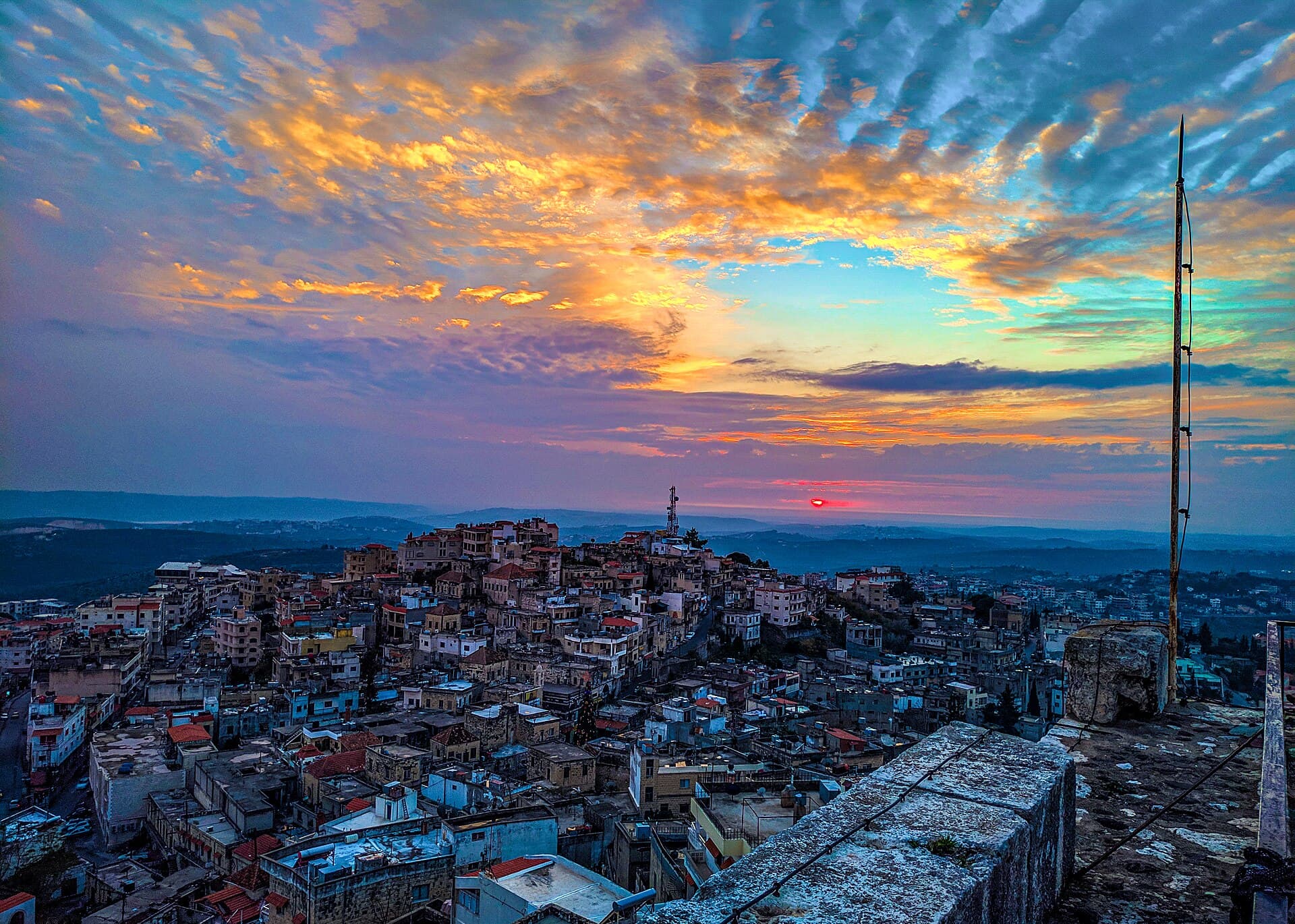
On the southern coast of Syria, the country’s second port after Latakia. The name comes from ancient Antaradus; the Crusaders called it Tortosa, and what is now called the old town is in fact the inside of their fortress — houses built into the wall and between the towers.
Where to start
At the cathedral. The Cathedral of Our Lady of Tortosa dates from the twelfth century and is among the best preserved Crusader churches in the Levant; it serves as the town museum today. From there go into the fortress and its narrow lanes: the arches and stone walls are still there, along with the balconies added to them since.
In the city
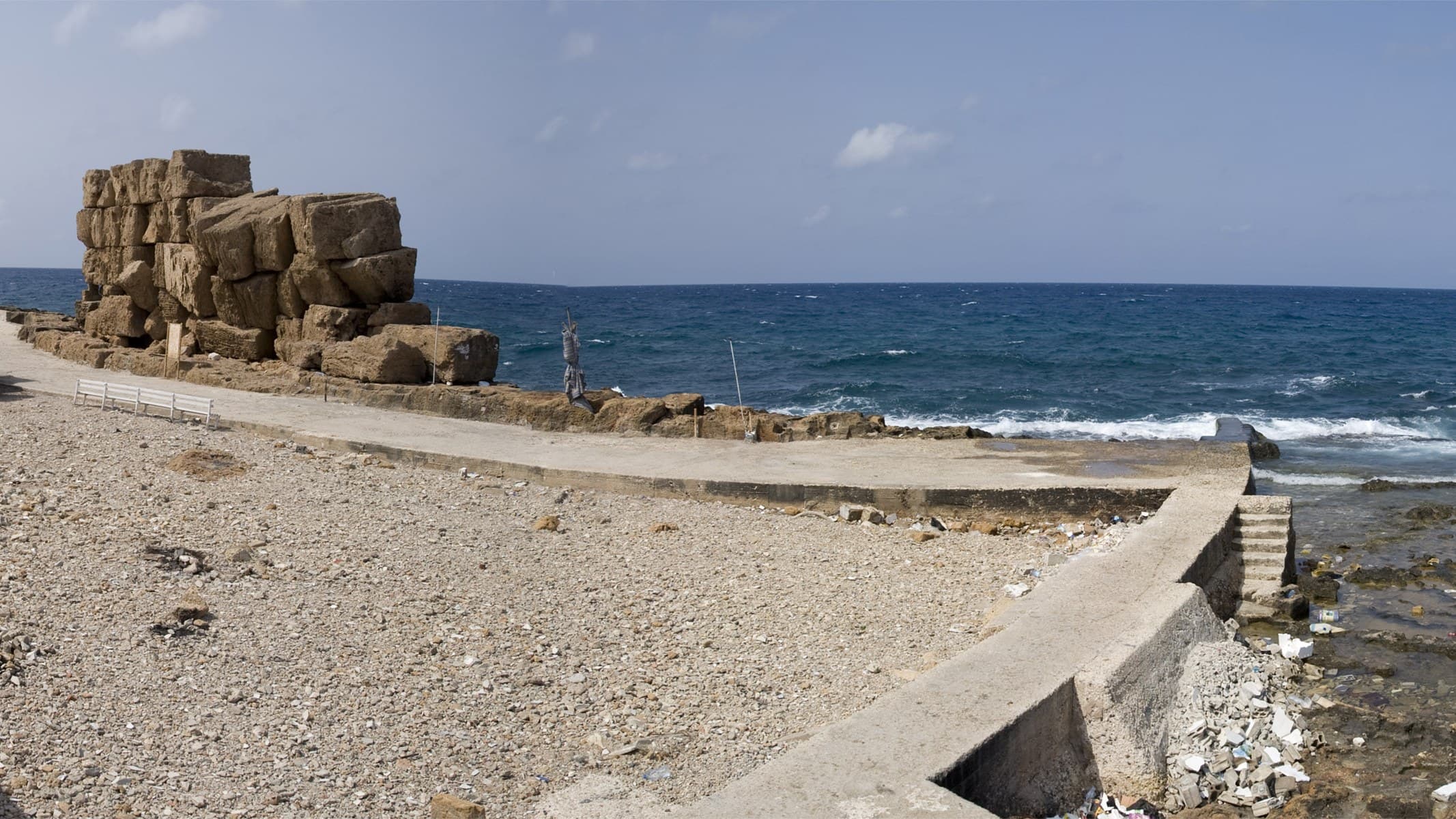
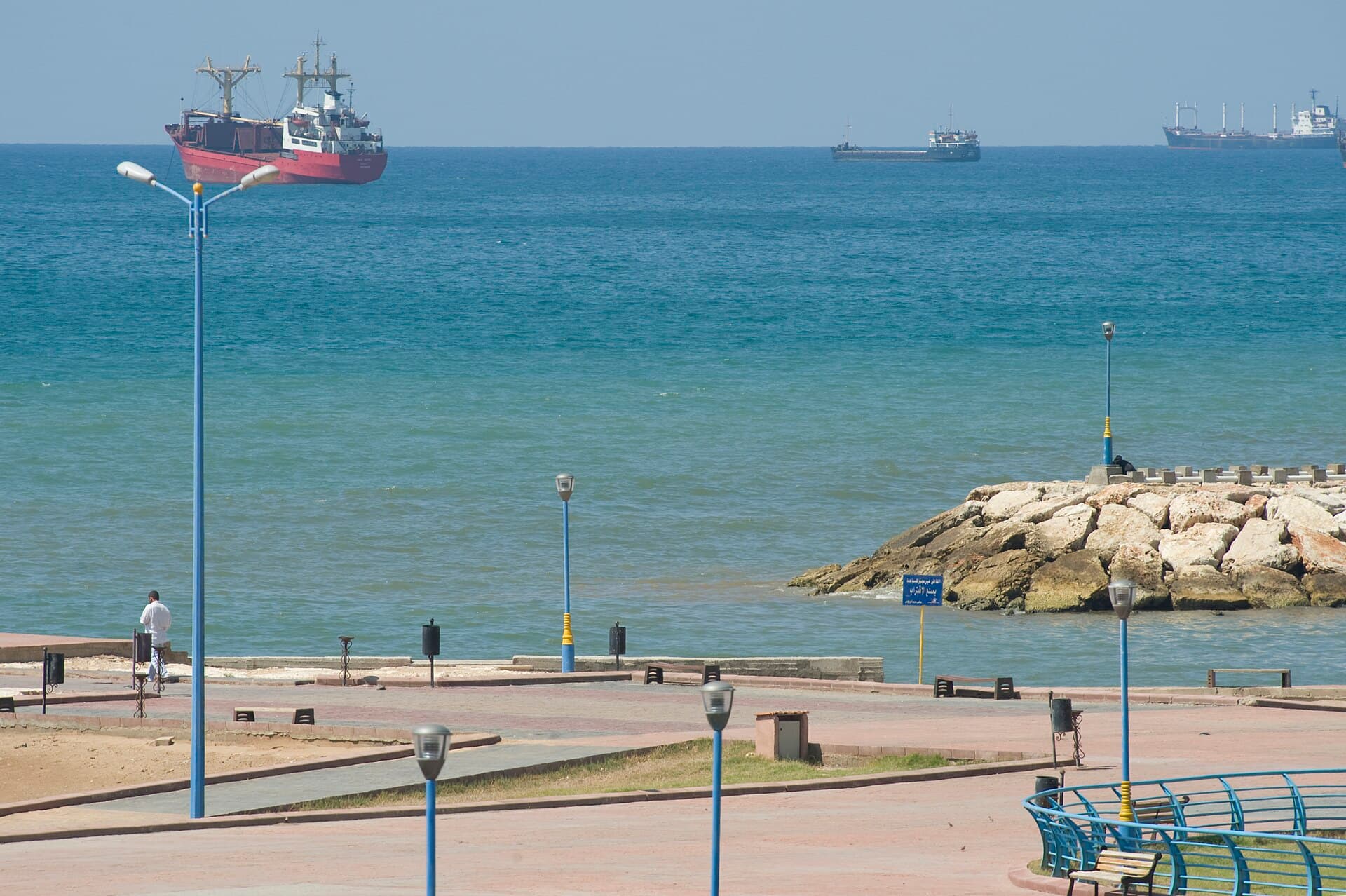
The walk along the corniche is long and unshaded, and it fills up in the late afternoon. Cargo ships wait offshore at the port and fishing boats sit along the shore. The city is not arranged as a tourist centre — what you see is a working port town.
Around it
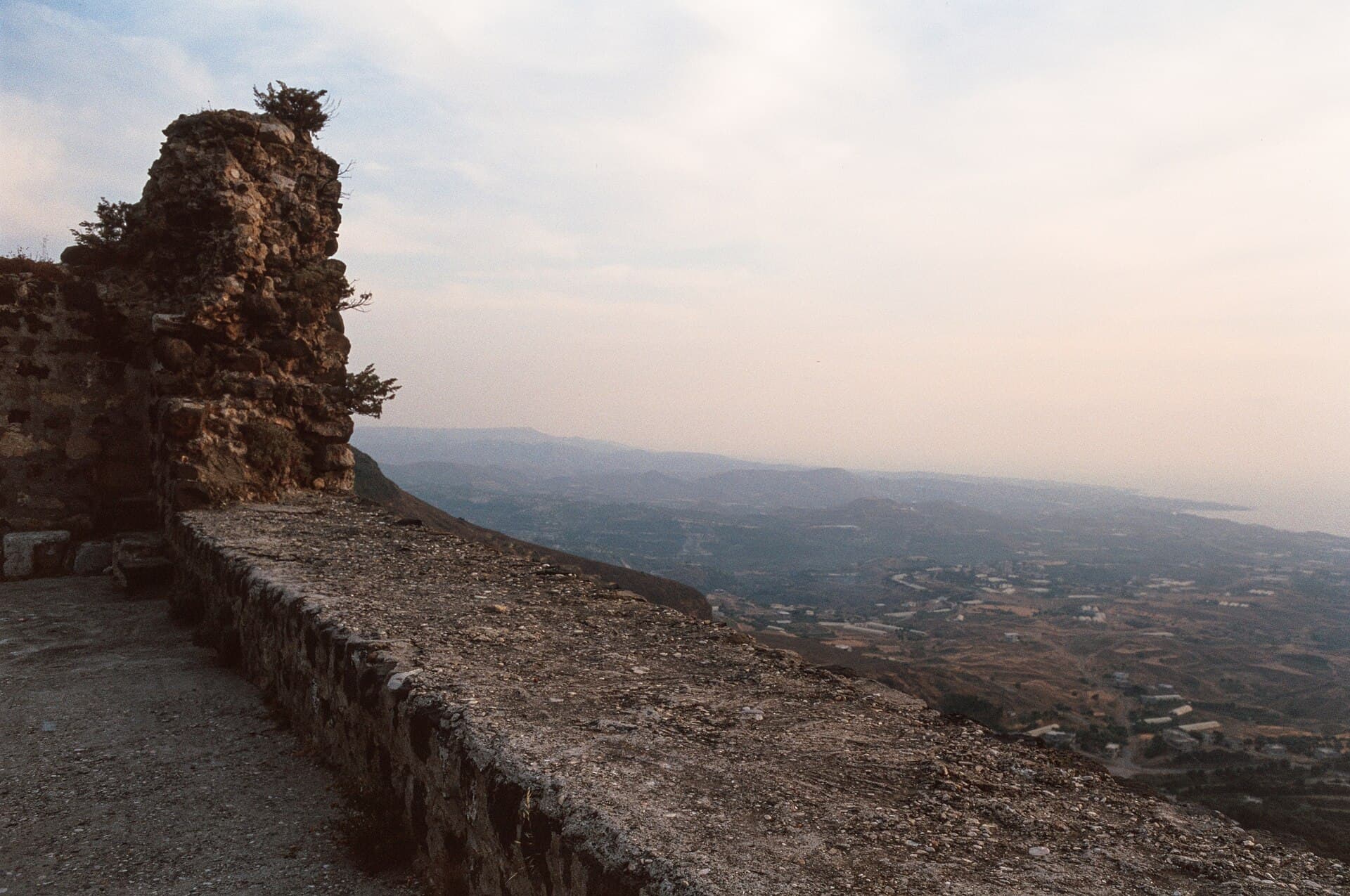
Three kilometres out lies Arwad, the only inhabited island in Syria, twenty minutes by boat. To the south are the Phoenician-era remains of Amrit, to the east, up in the hills, Safita and its white tower. North of the city is Margat Castle, and further east, Krak des Chevaliers.
When to go
April–June and September–October. Summer is humid and crowded; winter is wet but causes no trouble at the fortress or the cathedral.
Getting there
About 90 kilometres south of Latakia and 90 kilometres west of Homs. The Arida crossing from northern Lebanon is the shortest way onto this coast.
Highlights
- An old town built inside the Crusader fortress
- The twelfth-century Cathedral of Our Lady of Tortosa
- The corniche and the working port
- Arwad island, three kilometres offshore
- Safita and its white tower in the hills to the east
Where to stay
The corniche is the usual choice: the sea and the jetty are within walking distance, and the Arwad boat leaves from there. There is accommodation inside the old city within the fortress too, but the choice is narrow; the lanes are tight and cars cannot enter, so reckon on walking with your bag. Staying overnight on Arwad is all but impossible — the island is a day trip, and the time of the last boat is what shapes your plan.