Mar Elias al-Rih Monastery
A Greek Orthodox monastery on a windy hill near Safsafa, southeast of Tartus. Rebuilt in 1806, it keeps icons dated 1809 and 1817 in its lower church.
- Opening hours
- Daytime; a working monastery, check at the door
- Entry
- Varies — check at the door
- Duration
- 45 minutes
- Best time
- A weekday for quiet; 20 July for the feast of Mar Elias
- Period
- Byzantine origins — present building 1806 (Ottoman)
- Address
- Near Safsafa, southeast of Tartus
A Greek Orthodox monastery on a hill open to the wind, about 1 km from Safsafa, southeast of Tartus. Its origins are traced to the 5th century; the present building went up in 1806 on the ruins of an older monastery. In the old church on the lower floor, Aleppo-school icons dated between 1809 and 1817 still hang on the wooden iconostasis.
Getting there
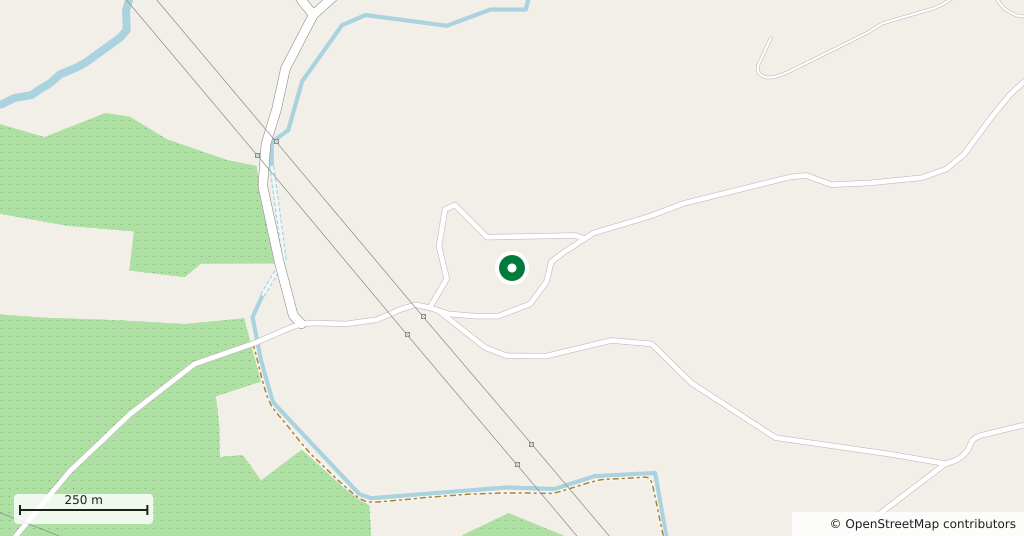
Microbuses to Safsafa leave from the main bus station in Tartus, and the ride takes about 30 minutes. Get off a few kilometres before Safsafa at the sign in English and Arabic for Areimeh Castle (Qalaat al-Areimeh); from there it is 1 km to the monastery turn-off and 2 km more to the castle. South-bound microbuses are easier to find in the morning, because many Safsafa residents work in Tartus and drivers turn straight back for more passengers. This transport information comes from a 2013 guide, so check the route in Tartus.
How long it takes
Forty-five minutes. The lower church and its icons need half an hour; the rest goes on looking west from the hill towards the sea and the al-Abrash valley.
What to see
The monastery has two floors, and the old church fills the lower one. On the wooden iconostasis hang icons of the Aleppo school, dated between 1809 and 1817: Christ Pantocrator, the Virgin and Mar Elias, with icons of the prophets beside them. They have been in place since the rebuilding in the early 19th century. The upper floor is new, with monks’ rooms, a library of religious books, rooms for visitors who come from far away, and a shop selling icons whose income goes to poor families and the monastery’s needs. The monastery also hosts church camps that stay for several days.
The name and the past
Al-Rih means ‘the wind’. One explanation says the monastery is named after the high, wind-beaten ridge; another points to the neighbouring village of Rayhaniyeh. The monastery was destroyed in 1200 and rebuilt in 1806 on the remains of an older one, under Makarios, Greek Orthodox metropolitan of Akkar; some say pagan temples stood here before. Because it lay on the old Roman road between Tartus and Safita, it was a stop for pilgrims for centuries. Its busiest day is still the feast of Mar Elias on 20 July.
Don’t miss
The old church on the lower floor. The new upper floor is what you notice first, but the monastery’s age is in the iconostasis below: Aleppo-school icons from 1809 and 1817 have hung in the same wooden screen for two centuries.
Tips
- Get off the microbus at the Areimeh Castle sign; the monastery turn-off is 1 km from there
- Areimeh Castle is further along the same road; both fit into half a day
- Go down to the old church on the lower floor; the icons are there, the upper floor is new
- Bring clothing that covers shoulders and knees; this is a working monastery
Transparency
- How this was chosen
- Written by hand; opening hours, entry fee and coordinates are kept as data. A field that is not known for certain is marked as variable rather than guessed.
- Facts checked
- September 2026
- Last updated
- September 15, 2026