The Deir ez-Zor Museum
The museum of Upper Mesopotamia: the Mari tablets, whole buildings rebuilt at full scale, and the finds from the mounds along the Euphrates and the Khabur.
- Opening hours
- Variable — confirm in Deir ez-Zor before you go
- Entry
- Variable — confirm at the entrance
- Duration
- 90 minutes
- Best time
- Morning, so you can drive out to the sites the same day
- Period
- Building 1996 · museum founded 1974
- Address
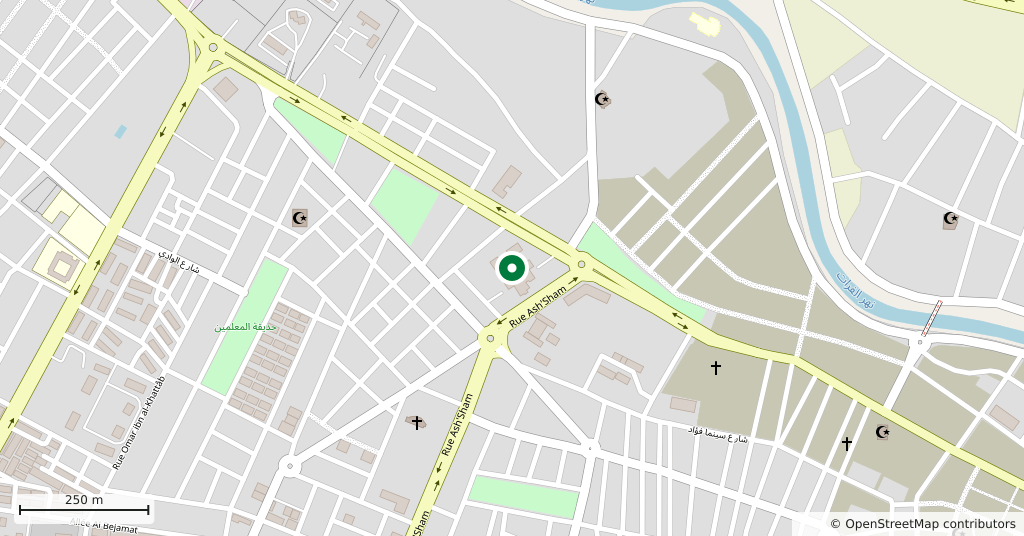
- City centre, Deir ez-Zor
This museum is not a store room, it is an argument. It gathers the archaeology of north-eastern Syria — the Jezirah — under one roof, and it is the place to see before you go out to the sites. It opened in 1974 with 140 objects; the collection now runs to some 25,000, and most of the cuneiform tablets found at Mari are here. Finds from the excavations at Tell Beydar, Tell Brak, Tell Leilan and Tell Mozan in the Upper Khabur are in these cases too, and so is material from Dura-Europos.
Getting there
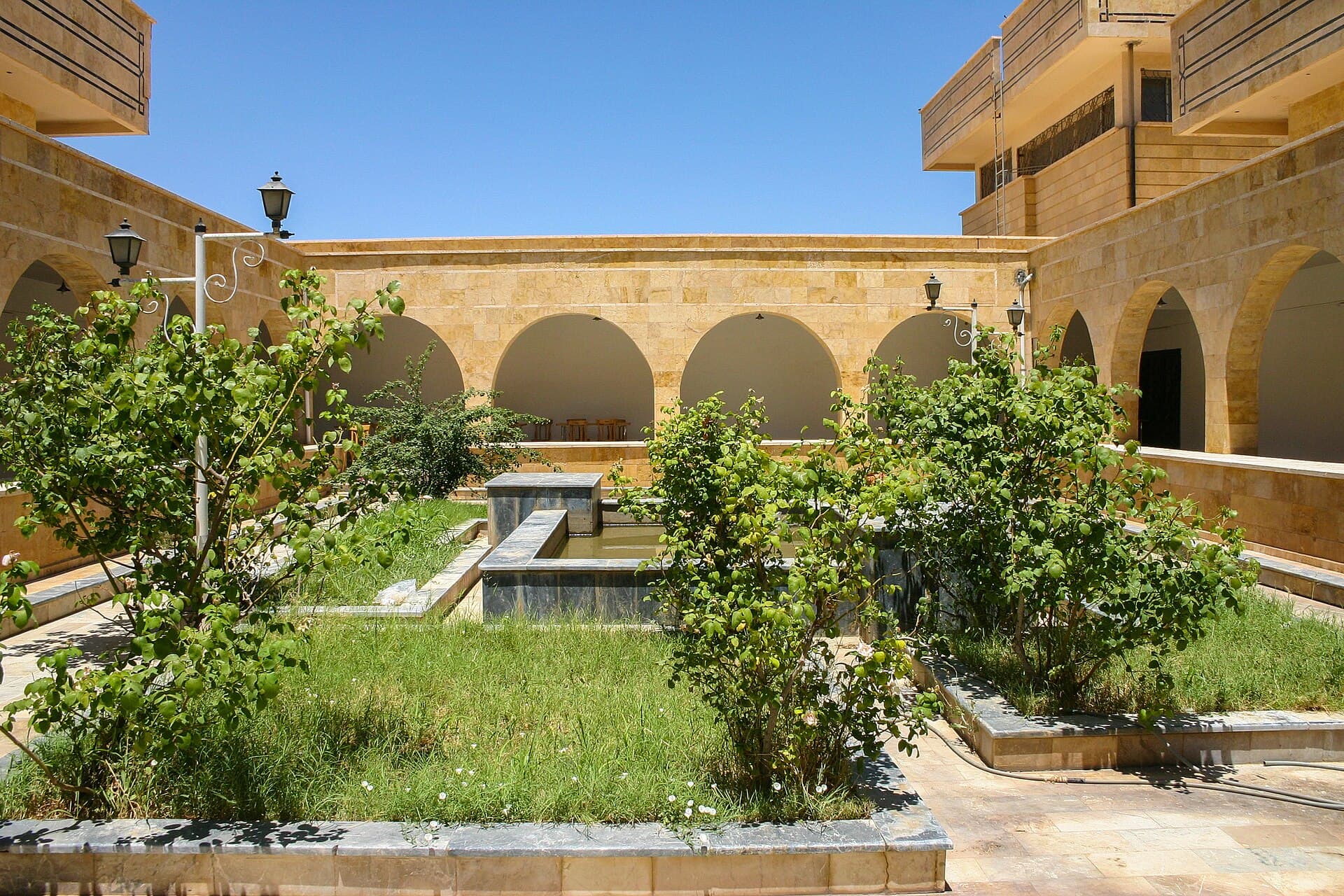
In the city centre. The present building went up in 1996 as a joint Syrian–German project, designed to be a museum from the start; the exhibition halls cover 1600 square metres and are arranged around a courtyard.
How long it takes
An hour and a half. The collection runs through five chronological themes: prehistory, ancient Syria, the classical period, the Islamic era and ethnography.
What to see
What sets this museum apart are the buildings reconstructed at full size. A Pre-Pottery Neolithic house excavated at Bouqras in the Euphrates valley has been rebuilt here. So has an Early Bronze Age city gate from Tell Bderi on the Khabur. The most striking is the south façade of the part of Zimri-Lim’s palace at Mari called the Court of the Palms, put up complete with its wall paintings. The gate of Qasr al-Heer al-Sharqi stands in one of the halls as well.
What not to miss
Stand a while in front of the Zimri-Lim façade. What you see on the mound is the plan — the footprint of mud-brick walls; this façade is the surface of that plan. Seeing both in one day is the shortest way to understand Mari, and the order matters: museum first, mound second.
The museum today
This needs saying plainly. As ISIL closed in on the city, the collection was reportedly removed from the building by the Syrian Army in 2015. How much has come back, and which galleries the museum is open with today, is what this page cannot verify. Ask in Deir ez-Zor before you go; if the museum is the centre of your plan, ask the day before.
Tips
- Ask a day ahead whether it is open; the state of the collection is not settled
- Find the painted façade of Zimri-Lim's palace: it is the one thing to see before going to Mari
- The Bouqras house and the Tell Bderi gate are full-scale — you can walk through them
- The halls are arranged around a courtyard, which makes a good break on a hot day
Transparency
- How this was chosen
- Written by hand; opening hours, entry fee and coordinates are kept as data. A field that is not known for certain is marked as variable rather than guessed.
- Facts checked
- September 2026
- Last updated
- September 15, 2026