The Idlib Museum
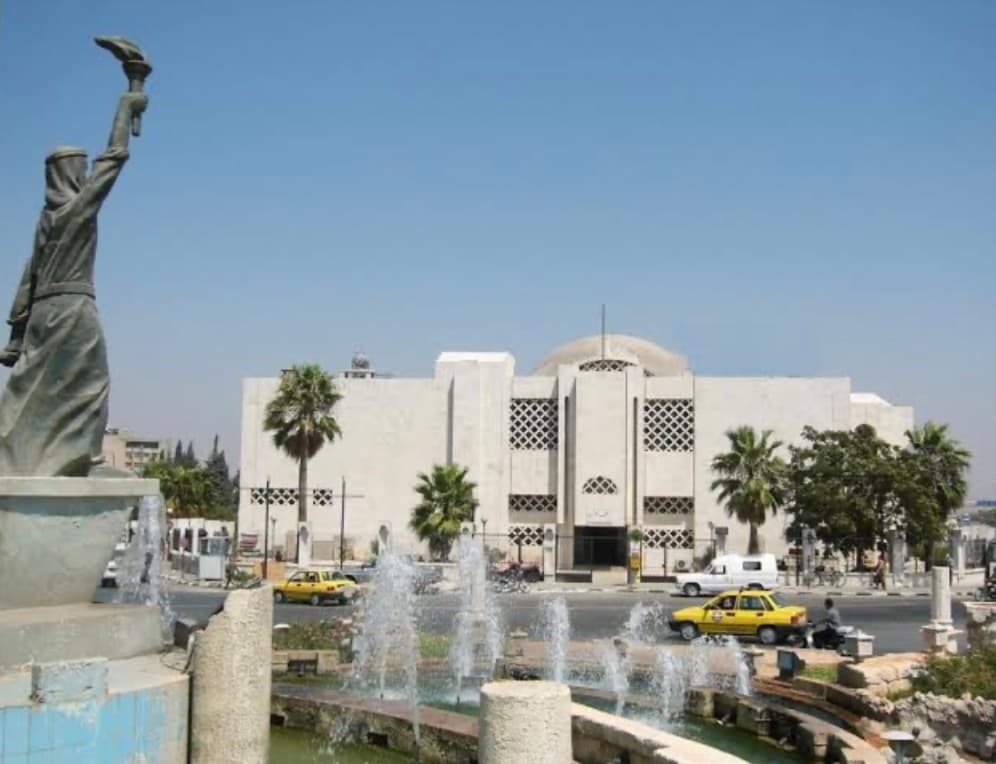
The museum that keeps the Ebla clay tablets, at the eastern entrance to Idlib. Opened in 1987, badly damaged in the war, reopened with two halls in 2018.
- Opening hours
- Varies — confirm before you go
- Entry
- Varies — confirm at the door
- Duration
- 60 minutes
- Best time
- Early morning; school groups arrive later in the day
- Period
- Modern building — Bronze Age to Islamic collection
- Address
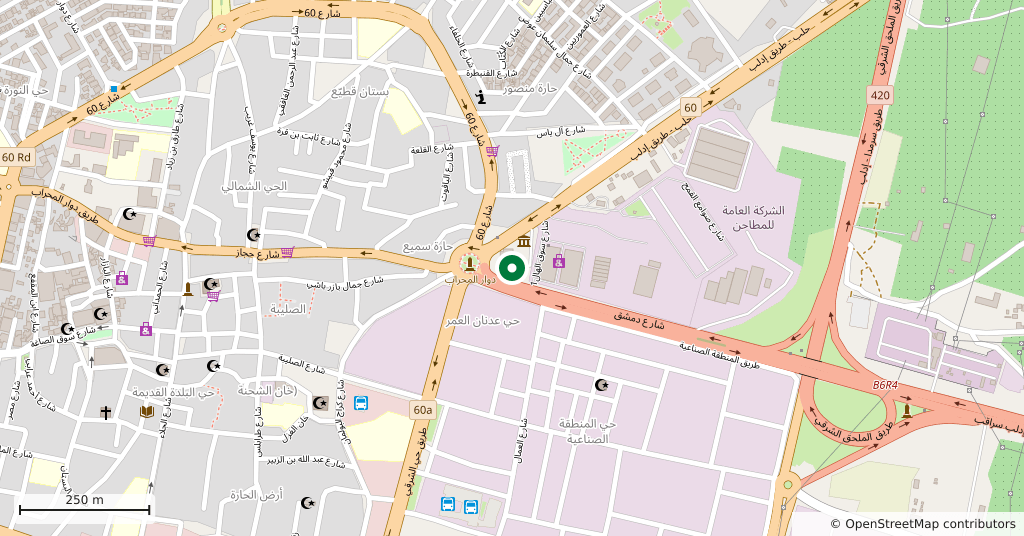
- Eastern entrance, Mihrab roundabout, Idlib
A two-storey stone building facing a roundabout at the eastern entrance to Idlib. It opened in 1987 and brought what the digs in the governorate had produced under one roof. More than 800 archaeological sites are registered in the province; the museum is their shared store, and its best-known holding is the clay tablets from Tell Mardikh, the mound of ancient Ebla.
Getting there
At the eastern entrance to the city, beside the Mihrab roundabout. You can walk from the centre. You will know the building from the street: pale stone, bands of pierced screens, a low dome in the middle of the roof.
How long it takes
An hour. The building runs to more than 5000 square metres over two floors, but the part reopened after the war is limited to two halls, so the visit is short.
What to see
The display was laid out in order, from the 3rd millennium BC to the Islamic periods. Alongside Ebla there is material from Tell Afis, Tell Mastuma, Tell al-Karkh, Dahes and the tombs of Saraqib: pottery vessels, basalt stelae, mosaics and small figurines. The Islamic wing holds Umayyad gold coins, Mamluk and Ottoman silver, glass and ceramic ware. One hall is given to the folk traditions of the province: local dress, kitchen vessels, everyday objects.
The tablets
The Ebla archive is the reason the museum exists. An Italian team began digging at Tell Mardikh in 1964, and the archive was found in 1974 in Palace G on the acropolis. Part of the tablets are in the museums of Aleppo and Damascus, part are here. A separate section holds them, numbered and ordered, because most of the collection is working material rather than display: the texts are still being read.
After the war
The museum closed in 2013, and in those years it lost objects to looting and took damage from bombing. It was hit directly in 2015 and again in 2017, leaving heavy structural damage. In 2018 a local body, the Idlib Antiquities Centre, repaired two halls and opened them to visitors. The earthquakes of 2023 left cracks in the walls. The museum works in that condition, and most of the people who come are school and university groups.
What most people miss
The folk traditions hall. Most visitors come for the tablets and walk straight past it, though it is the one section whose contents came out of houses in Idlib rather than out of a trench.
Tips
- Ask at the door which halls are open; the repaired part is limited to two
- Some of the Ebla tablets are in Aleppo and Damascus; what is here is a selection
- Come before you go out to the mound of Ebla; what came off it is kept here
Transparency
- How this was chosen
- Written by hand; opening hours, entry fee and coordinates are kept as data. A field that is not known for certain is marked as variable rather than guessed.
- Facts checked
- September 2026
- Last updated
- September 15, 2026