Manbij (Hierapolis Bambyce)
Manbij stands 30 kilometres west of the Euphrates and was once Hierapolis. Where the name comes from, the sacred pools Lucian described, and the town now.
- Opening hours
- Streets at any hour; the market from morning to evening
- Entry
- Free; there is no ticketed site
- Duration
- 120 minutes
- Best time
- Morning, as the market sets up
- Period
- Aramaean — Hellenistic — Roman
- Address
- Town centre, Manbij, Aleppo Governorate
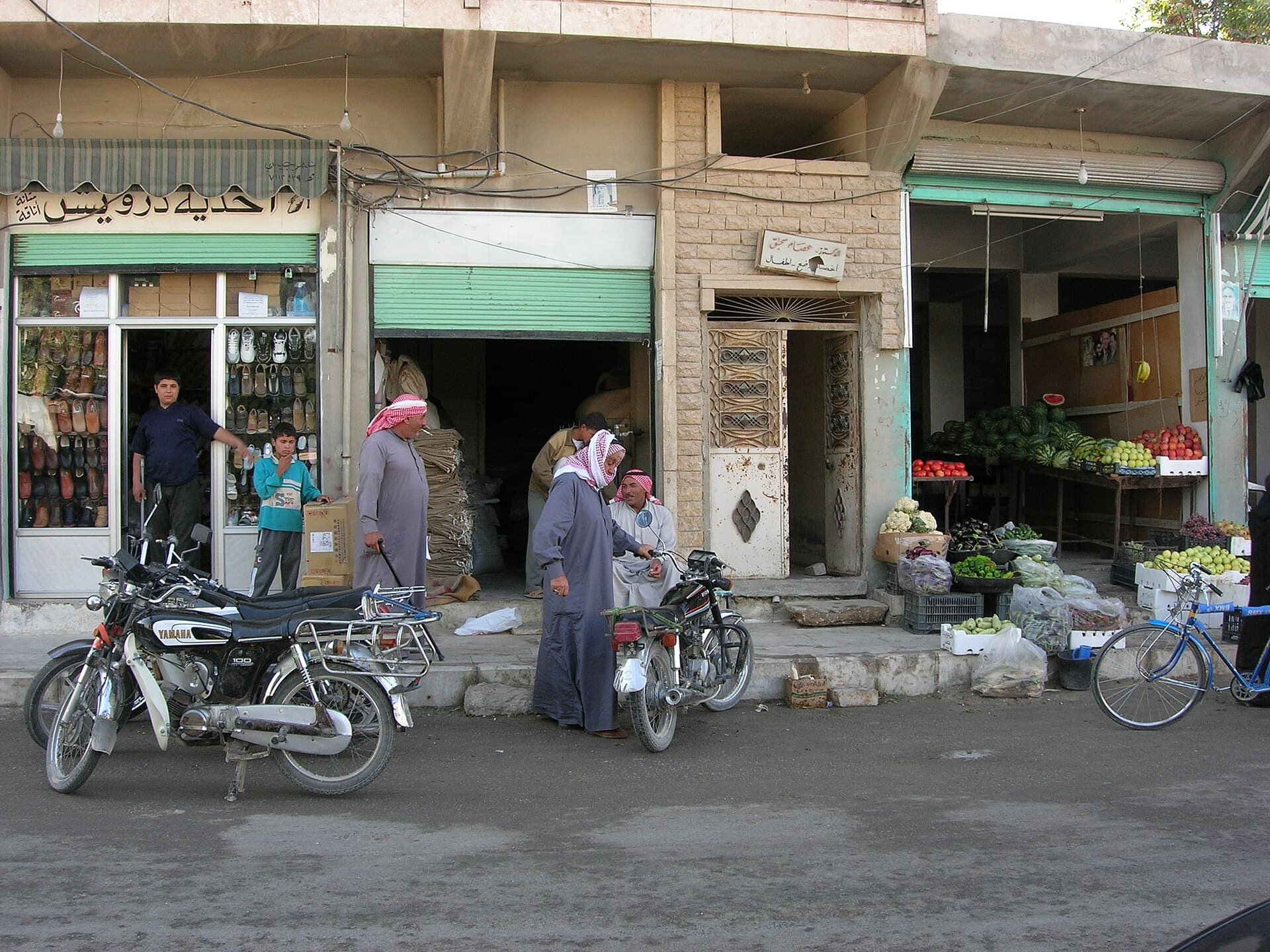
Manbij is a town in the eastern countryside of Aleppo, 30 kilometres west of the Euphrates. What you see today is a wide market street: shoe shops, vegetable stalls, motorbikes pulled up against the kerb. The older layers are not on the surface but in the name. The same place has been called Manbug, Nappigu, Bambyce, Mabbog and Hierapolis.
Where the name comes from
The oldest form is the Aramaic Manbug, place of the spring. Assyrian records write Nappigu or Nanpigi. The Greeks said Bambyce. In Pliny the name appears as Mabbog. The Arabic Manbij of today has drifted very little from the first link in that chain.
Why it was called the holy city
The town was the centre of the cult of Atargatis, a goddess of fertility. As the temple grew the name became Hieropolis and then Hierapolis, Greek for holy city. The fullest account of that temple is Lucian’s treatise On the Syrian Goddess. He wrote about the fish kept in the sacred pools that no one was allowed to touch, about the crowds who came, and about the rites. Coins struck before Alexander carry the Aramaic name of the town, so the local name went on living underneath the Greek one.
Getting there
By the road east out of Aleppo. Manbij sits on the line that runs down to the Euphrates, 30 kilometres short of the river. Jarabulus lies to the north and Qalaat Najm to the south-east, in the same direction. Road conditions and checkpoints change from season to season; ask before you set out.
What there is to see
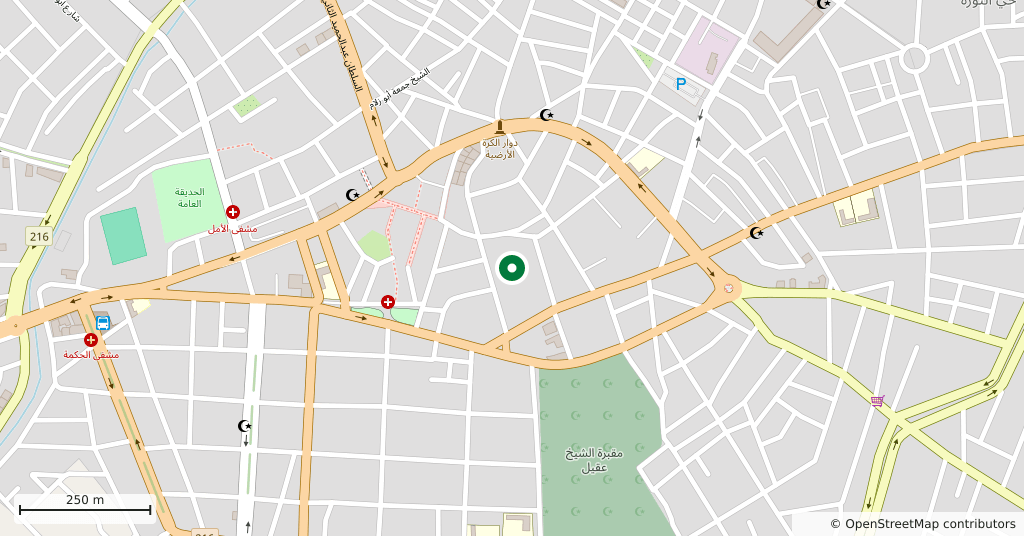
Nothing of the ancient temple stands above ground, and there is no excavation to visit. Almost everything 19th century travellers recorded has gone: the sacred lake of Atargatis has disappeared and its site is now a football pitch, with only part of the wall around it still standing. In 2016 the town saw a two-month battle. The centre of town is its market streets. At the 2004 census the population was about a hundred thousand: an Arab majority, with Kurdish, Turkmen, Circassian and Chechen families, and a strong Naqshbandi tradition. Seeing Manbij is not ticking off monuments. It is walking through a working town.
What most people miss
How the name travelled north. Hierapolis became Djerabis in local speech and gave its name to Jarabulus, the town on the Euphrates. There is no direct link between the two places now. The only thing they share is a name that started here.
Tips
- Do not look for the ancient temple; nothing is left above ground and the story is in the name and the coins
- Roads and checkpoints change; ask before you set out
- If you carry on to the Euphrates, Qalaat Najm is in the same direction
- Stop for coffee on the market street; that is where the centre gathers
Transparency
- How this was chosen
- Written by hand; opening hours, entry fee and coordinates are kept as data. A field that is not known for certain is marked as variable rather than guessed.
- Facts checked
- September 2026
- Last updated
- September 15, 2026