The Churches of Sheikh Suleiman
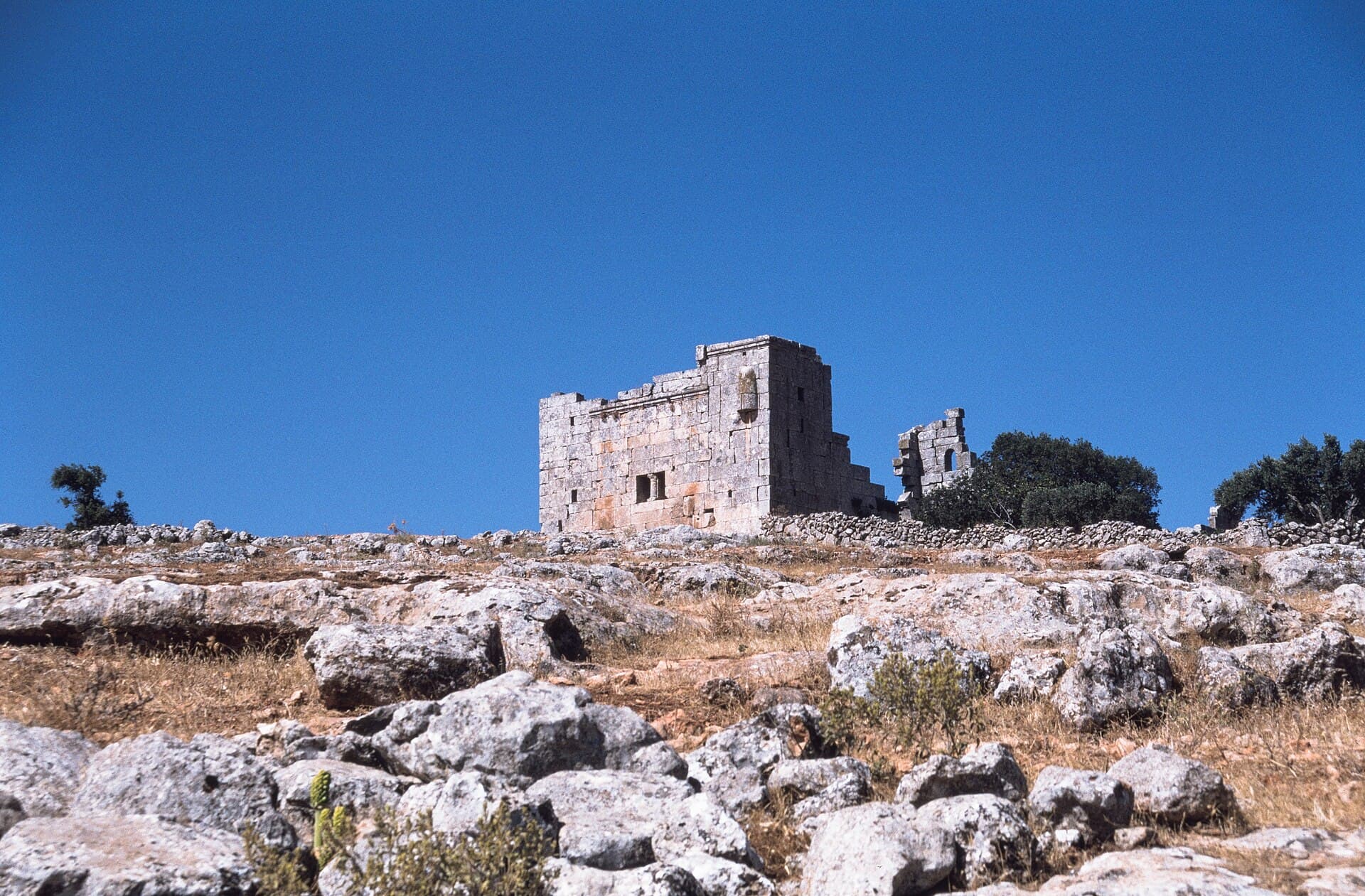
Three Byzantine churches north-east of Mushabbak: the late 5th-century Church of the Virgin, a basilica dated 602 with tall, closely set piers, and a monk’s tower.
- Opening hours
- Open site, daylight hours
- Entry
- Variable — confirm on arrival
- Duration
- 60 minutes
- Best time
- Spring and autumn; there is little shade on the site
- Period
- Byzantine
- Address
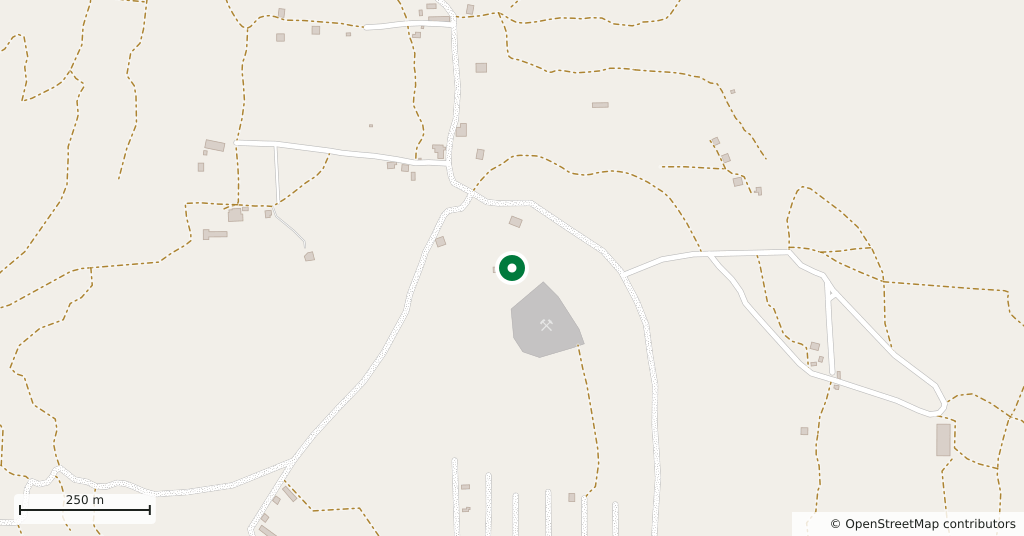
- Sheikh Suleiman village, near Mushabbak, southern Jebel Sem'an, Aleppo
A village in southern Jebel Sem’an, 28 kilometres west of Aleppo, known for its three ancient churches. In the middle of the village is a ruined church, and to the south stands a well-preserved basilica dated 602. The third is the Church of the Virgin from the end of the 5th century, counted among the finest churches in northern Syria. A monk’s tower stands on the north side of the village. Sheikh Suleiman is one of the sites on the UNESCO list as part of the Ancient Villages of Northern Syria.
Getting there
The village is about 3 kilometres north-east of the Basilica of Mushabbak, so both fit into the same half day. There is no reliable information on the present state of the road to the village. There is no public transport; go with a driver who knows the place.
How long it takes
An hour. The three churches and the tower are at different ends of the village, and you walk between them.
What you see
The basilica dated 602 belongs to the plan family known as wide-arcade basilicas. In this type a few large arches separate the nave from the aisles. In the north the same plan was used only in the North Church at Barad, dated 561; in the south, in the basilica of Qalb Lozeh and the Church of Bizzos at Ruweiha. What sets the building at Sheikh Suleiman apart is its unusually tall piers, set close together. The inner faces of the outer walls were only roughly dressed.
This basilica is one of only two known churches in northern Syria dated to the 7th century. The other is the Church of Saint Sergius at Babisqa, dated 610, but only part of its west façade still stands, while the one at Sheikh Suleiman is in far better shape. So what stands here is the most complete example from the years when church building in the Dead Cities came to an end.
The Church of the Virgin is the most carefully built structure in the village. Photographs in the Dumbarton Oaks archive record its apse and the pilasters of its north arcade. They also show the doorways of the rooms on either side of the apse and the clergy house beside the church. The same archive also shows a church with a bema — a raised platform for the clergy in the middle of the nave — a house and a building that may have been a tomb.
How it stands today
No published report on the present state of the ruins is known. A former army base known as Sheikh Suleiman, in the countryside west of Aleppo, was a target of fighting and air strikes during the war years. How close the base is to the church site is not clear from the sources. Ask locally about security in the area before you go. Unexploded ordnance is a reported hazard in the countryside: stay on the path and do not touch metal lying on the ground.
Don’t miss
The piers of the basilica dated 602. If you have seen Qalb Lozeh you will recognise the plan; the difference here is that the piers are taller and closer together. Comparing the two shows how the same idea changed over nearly a century and a half.
Tips
- The Basilica of Mushabbak is 3 kilometres south-west; put both in one day
- Check the security situation locally before you set out
- In the basilica dated 602, look at how tall the piers are and how close together
- Stay on the path; unexploded ordnance is reported in the countryside
Transparency
- How this was chosen
- Written by hand; opening hours, entry fee and coordinates are kept as data. A field that is not known for certain is marked as variable rather than guessed.
- Facts checked
- September 2026
- Last updated
- September 15, 2026