Til Barsip (Tell Ahmar)
Tell Ahmar on the Euphrates was the seat of Aramaean Bit Adini, then Assyria’s Kar-Shalmaneser. French digs in 1929-1931 uncovered the governor’s palace.
- Opening hours
- Open ground; a village stands on the mound — go in daylight
- Entry
- Variable — confirm on site
- Duration
- 60 minutes
- Best time
- A spring or autumn morning; there is no shade on the plain
- Period
- Ubaid — Aramaean — Neo-Assyrian
- Address
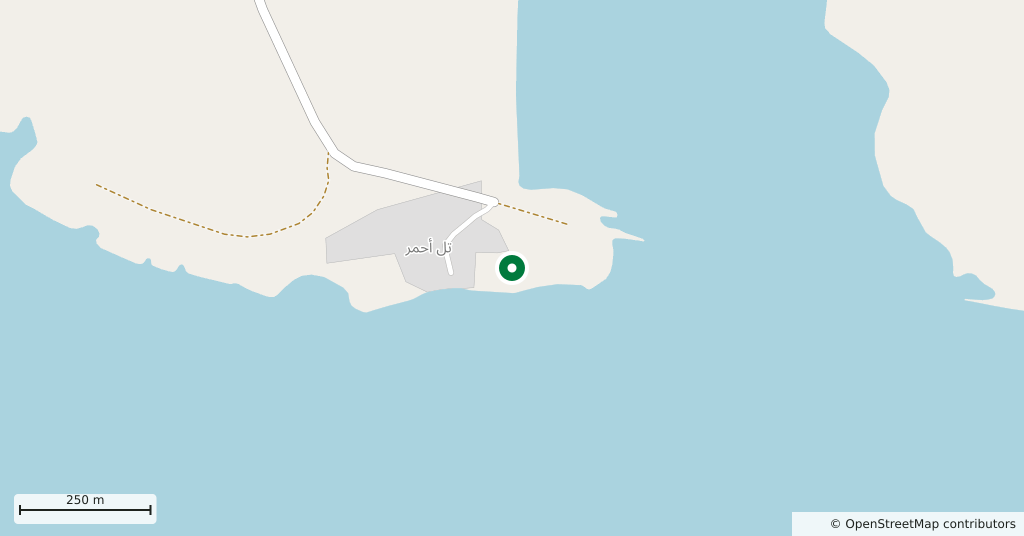
- Tell Ahmar village, east bank of the Euphrates, south of Jarabulus, Aleppo governorate
Til Barsip is a tell — an ancient settlement mound — on the east bank of the Euphrates, where the Sajur stream meets the river. Its modern name is Tell Ahmar. It stands in a fertile river plain about 20 km south of Carchemish. The city was first the seat of the Aramaean kingdom of Bit Adini, then an Assyrian provincial capital. What made it known are the wall paintings found in the Assyrian governor’s palace.
Where it is
The mound lies in the northeast of Aleppo governorate, south of Jarabulus, right on the Euphrates. Since the dam reservoir on the river filled, the water has come up to the foot of the tell. A village sits on top of it today. Road access and crossings in the area change; ask about the current situation in Aleppo before setting out.
How big was the city
The city covered 60 hectares in three parts: the acropolis or upper town, a middle town to its west, and a lower town to the north. The oldest traces are potsherds from the Ubaid period, between 5300 and 4000 BC.
Masuwari, Bit Adini, Kar-Shalmaneser
Hittite sources call the place Masuwari. In the Iron Age it was the capital of Bit Adini, an Aramaic-speaking kingdom. In 856 BC the Assyrian king Shalmaneser III took the city from its last local ruler, Ahuni, renamed it Kar-Shalmaneser and made it the administrative centre of the region. The site sat at a crossing of the Euphrates, where long-distance trade routes met. The old name stayed in use.
Who dug here, and what they found
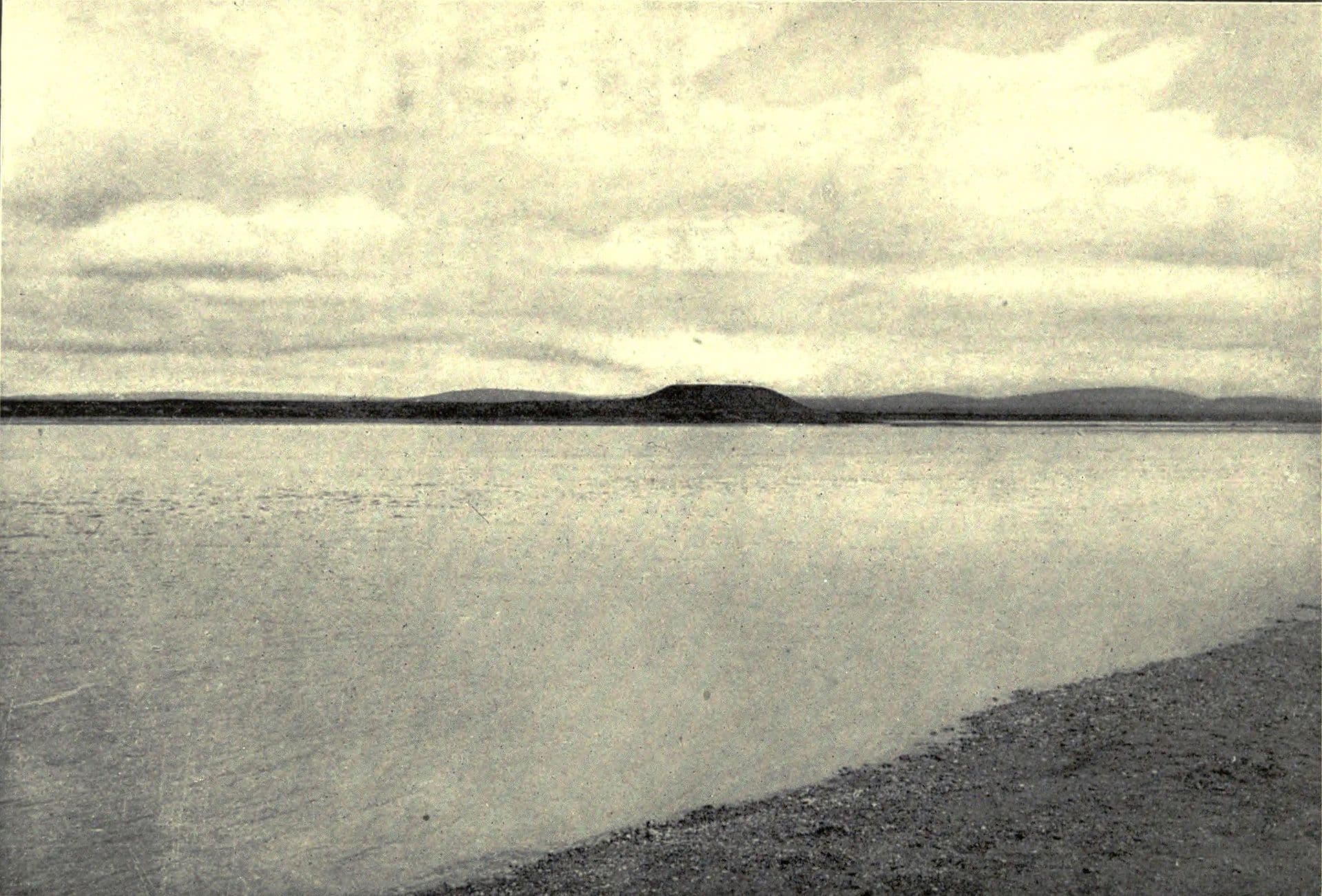
The first to examine the mound, and to propose that it was Til Barsip, was the British archaeologist D. G. Hogarth. His book published in 1910 includes a photograph of a fallen Assyrian lion on the site. Gertrude Bell came in 1909 and photographed the village and the inscriptions.
The main excavation was carried out in 1929-1931 by a French team under François Thureau-Dangin. It uncovered the Iron Age city, the remains of the Assyrian governor’s palace and its wall paintings; the results were published in Paris in 1936. A team led by Guy Bunnens later worked on the mound for many years.
What you see today
The village on top of the mound rules out wide excavation. What you see is not a standing city but the tell itself, rising from the riverbank, and the plain around it. Fragments and copies of the wall paintings are now in the National Museum of Aleppo and in the Louvre in Paris.
What most people miss
The view of the mound from the river side. Hogarth’s photograph, published in 1910, was taken from the far bank of the Euphrates: a dark ridge standing alone on the plain. From that angle it is clearest why the city was built here, at the head of a river crossing.
Tips
- The top of the mound is a living village; keep to the lanes and out of courtyards
- The wall paintings are not here — fragments are in the National Museum of Aleppo and the Louvre
- See the mound from the riverbank too; that is where the choice of site makes sense
- Road and crossing conditions in the area change; ask in Aleppo before you go
Transparency
- How this was chosen
- Written by hand; opening hours, entry fee and coordinates are kept as data. A field that is not known for certain is marked as variable rather than guessed.
- Facts checked
- September 2026
- Last updated
- September 15, 2026