Palmyra
An oasis in the middle of the Badia, and colonnades that are still standing. How to reach Palmyra, when to go, and what is left of the ruins after 2015.
- Founded
- 2nd millennium BC
- Best season
- March–May, October–November
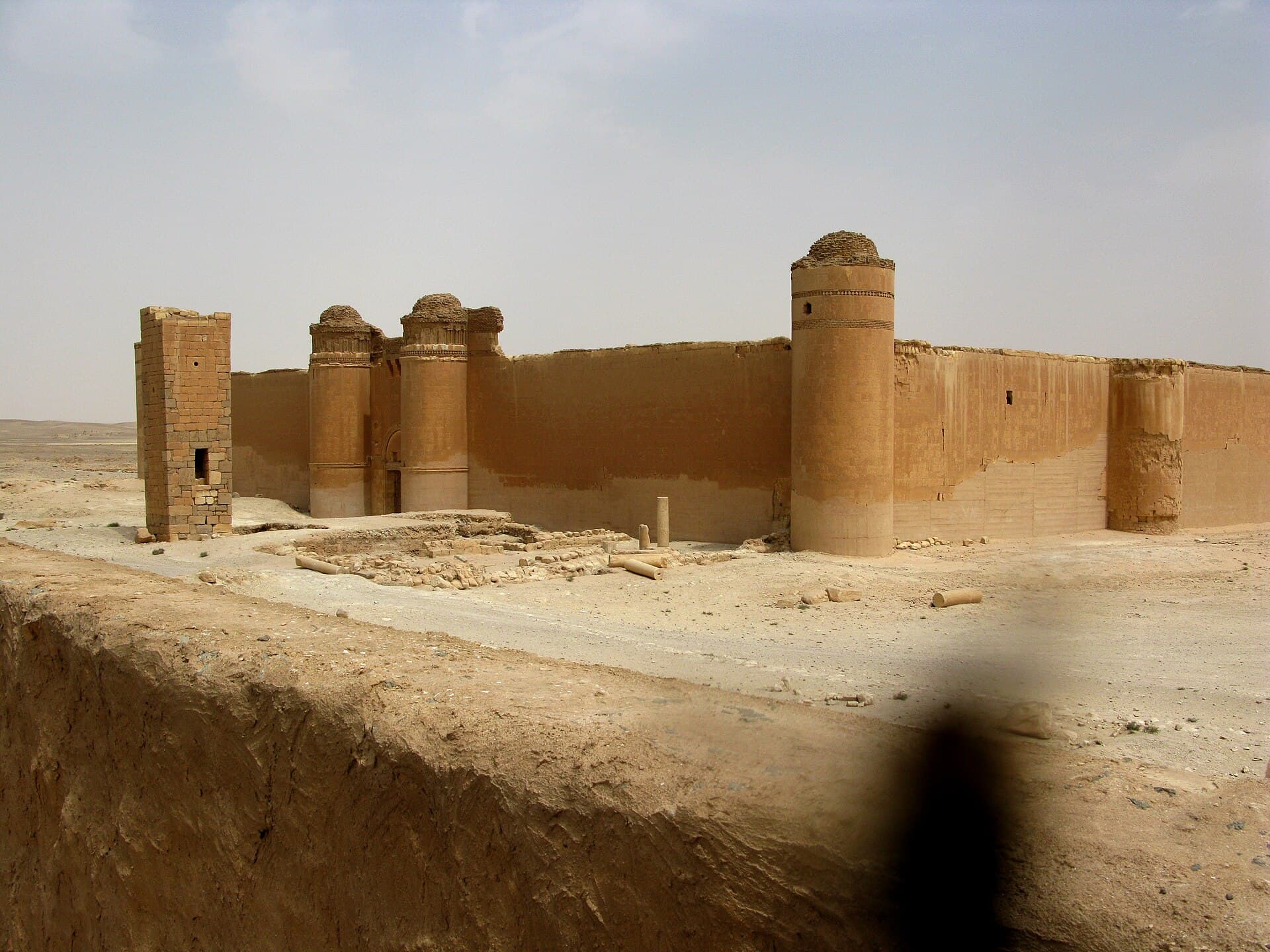
Palmyra sits in an oasis 215 kilometres north-east of Damascus, in the middle of the desert. It was once the richest stop on the caravan road between Rome and Persia, and in the 3rd century AD, under Queen Zenobia, it became the capital of a state that briefly stood up to Rome.
What is there now
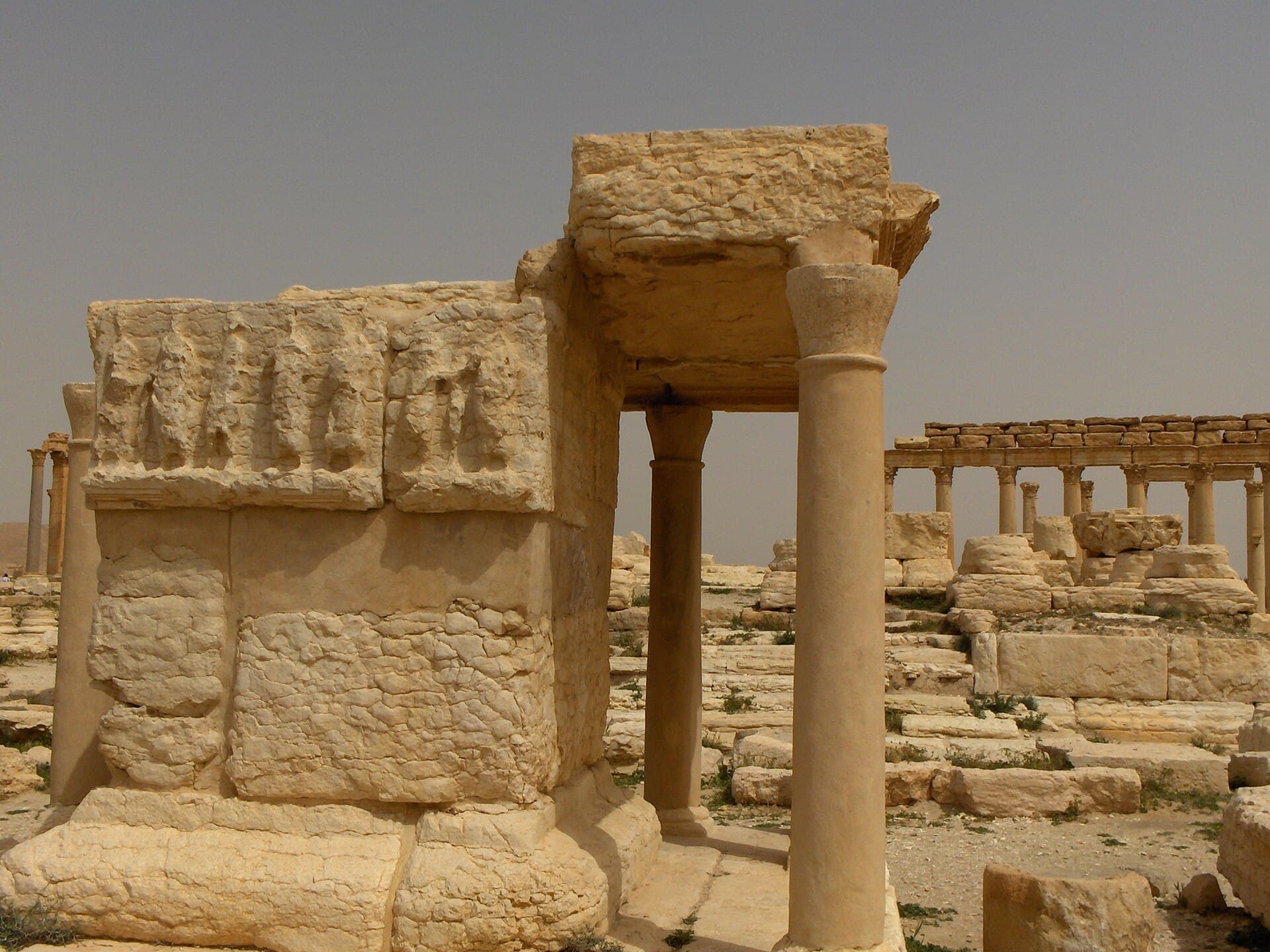
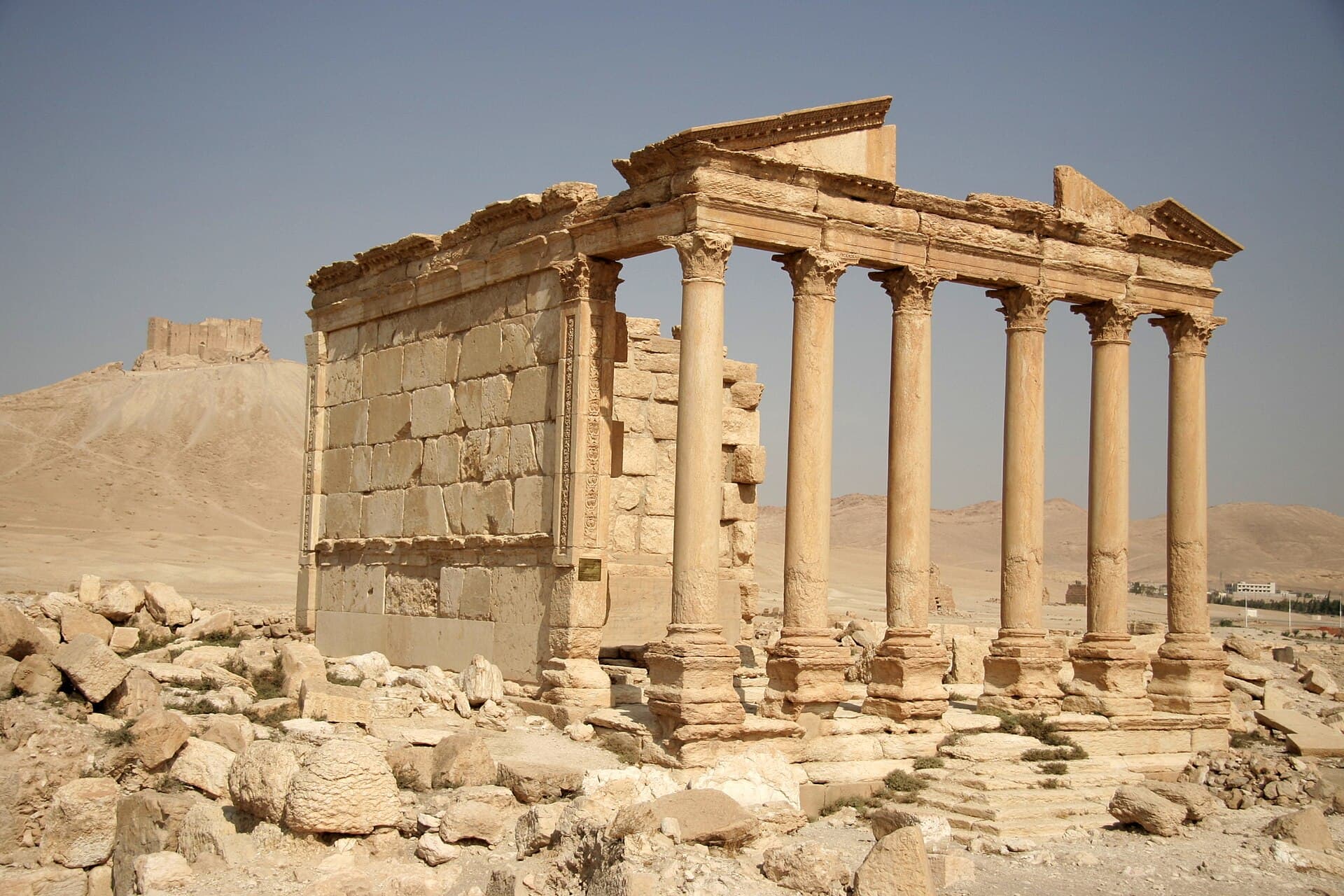
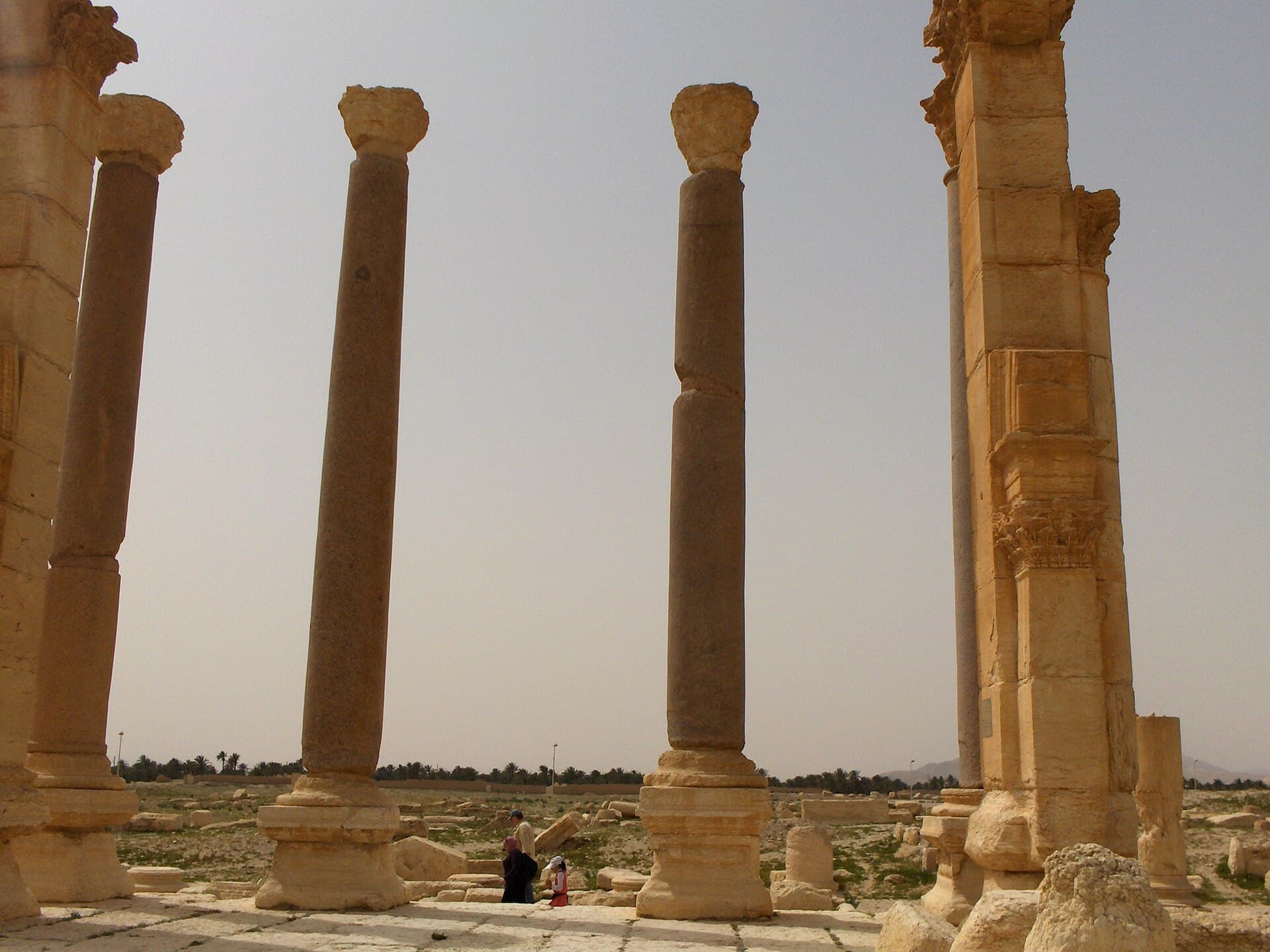
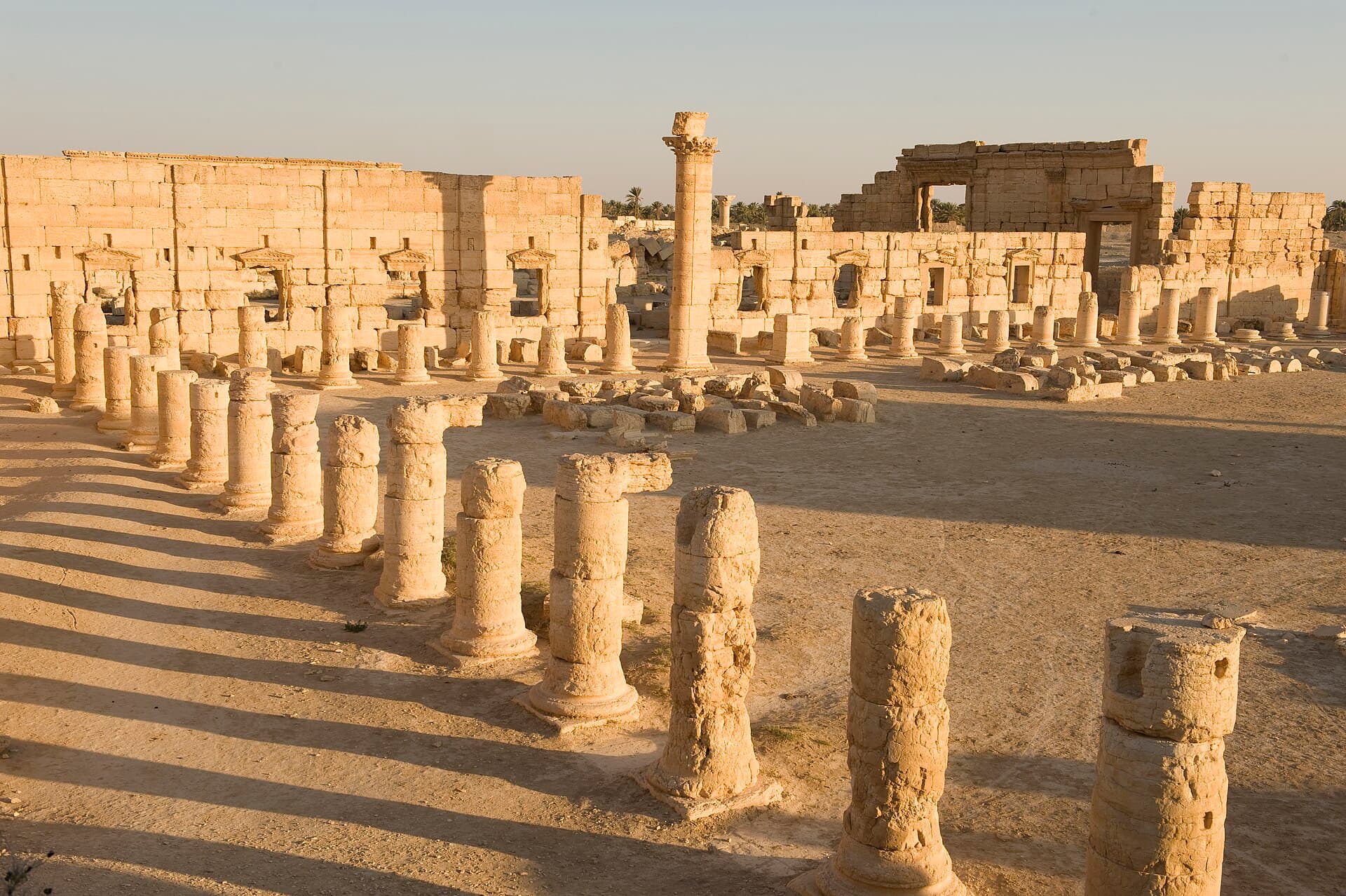
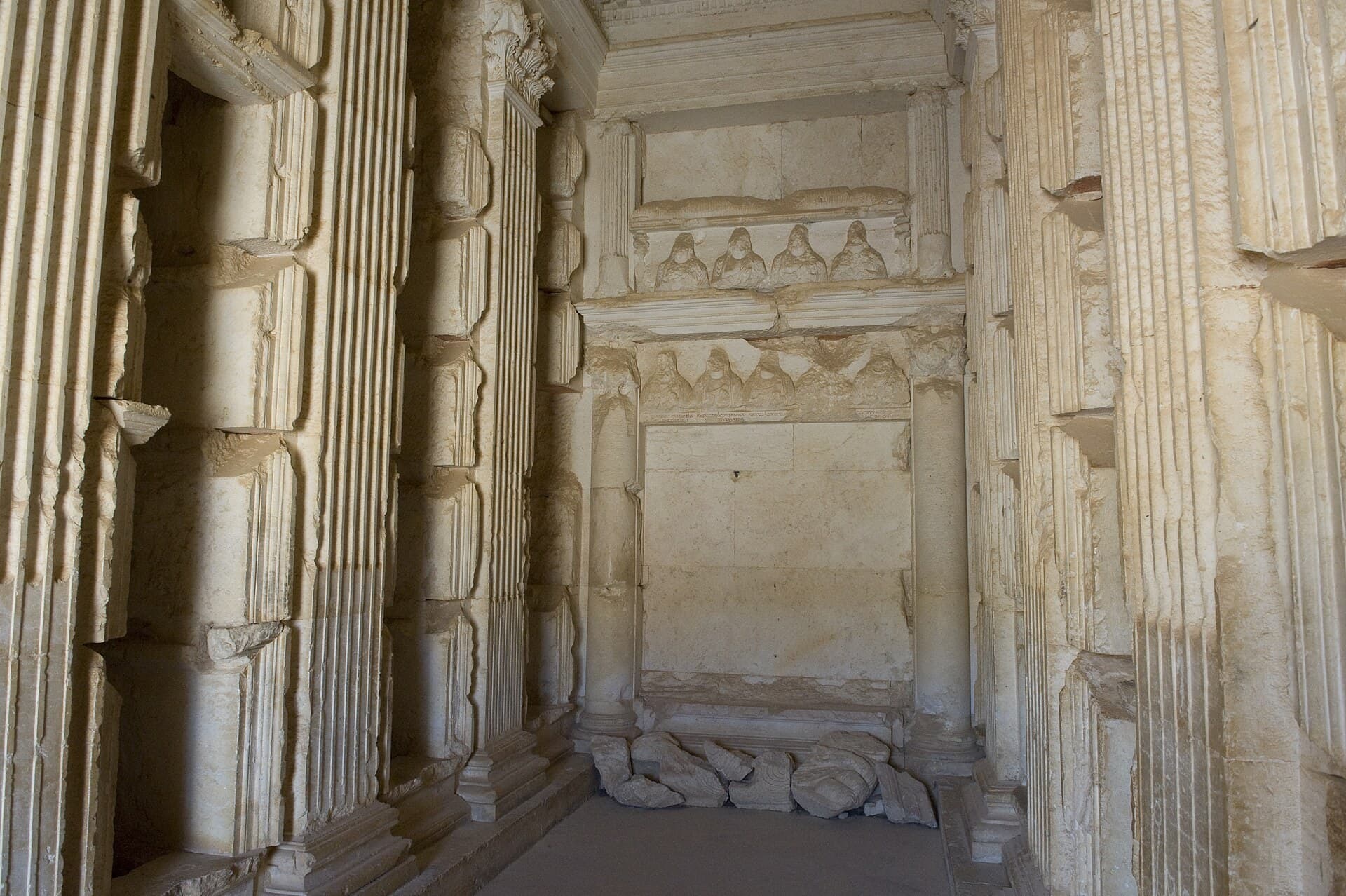
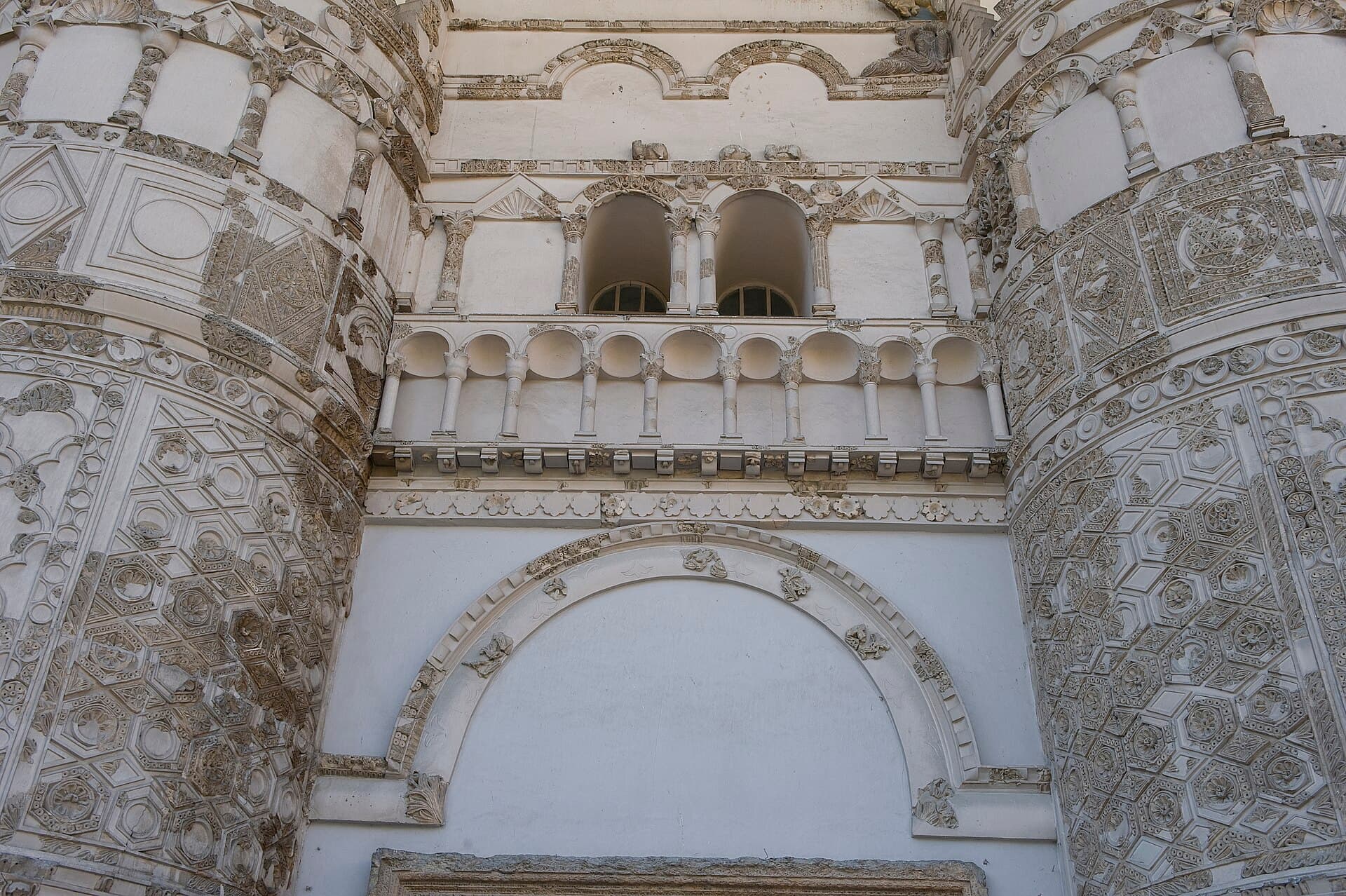
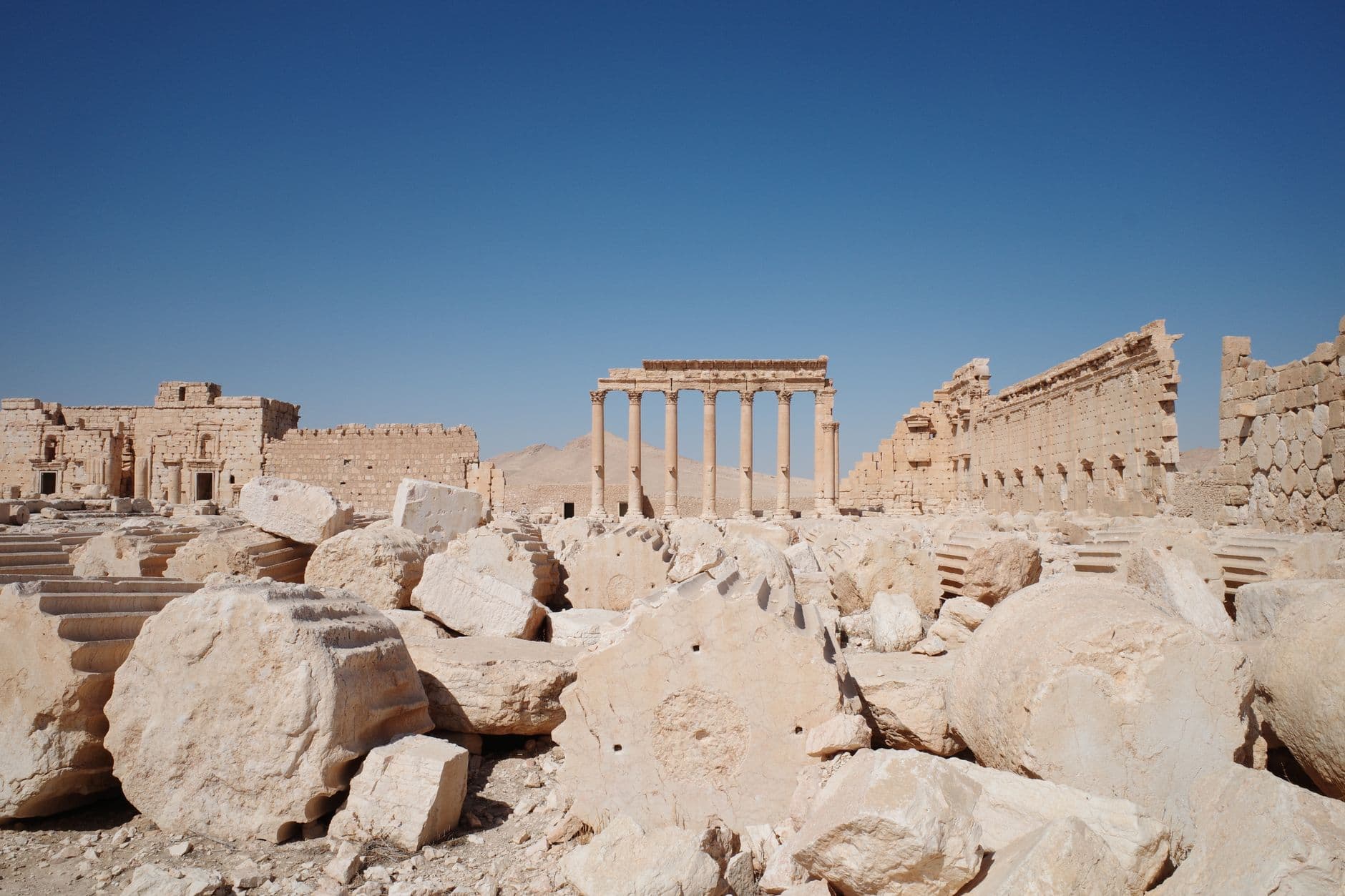
The destruction between 2015 and 2017 erased part of the site for good — the Temple of Bel and the triumphal arch above all. What is left, the great colonnaded street, the theatre and the tower tombs, still stands, and the scale still catches you off guard.
When to go
This is desert climate. Summer afternoons pass 45 degrees and there is no shade anywhere. March to May and October to November are the only sensible windows. For light, go in the first hour of the morning or the last of the evening.
Practical
About three hours from Damascus by road. The area is open to visitors, but conditions change. Check before you travel.
Highlights
- The great colonnaded street
- The Roman theatre
- The tower tombs in the Valley of the Tombs
- The date palms of the oasis
Where to stay
Accommodation in Palmyra is not what it was before the war: the choice is very narrow and the situation changes often. Most visitors base themselves in Homs and come for the day — about two and a half hours each way, and half a day to walk the site. If you plan to stay, confirm by phone that the place is open before you set off; information here goes stale faster than in any other city on this site.