What is Palmyra famous for?
Palmyra is known for its oasis in the middle of the desert and for the colonnades still standing in it. It was once the richest stop on the caravan road between Rome and Persia, and in the 3rd century AD, under Queen Zenobia, it briefly stood up to Rome. The destruction between 2015 and 2017 erased part of the site for good — the Temple of Bel and the triumphal arch above all — while the great colonnaded street, the theatre and the tower tombs in the Valley of the Tombs are still there.
Highlights
- The great colonnaded street
- The Roman theatre
- The tower tombs in the Valley of the Tombs
- The date palms of the oasis
What to see
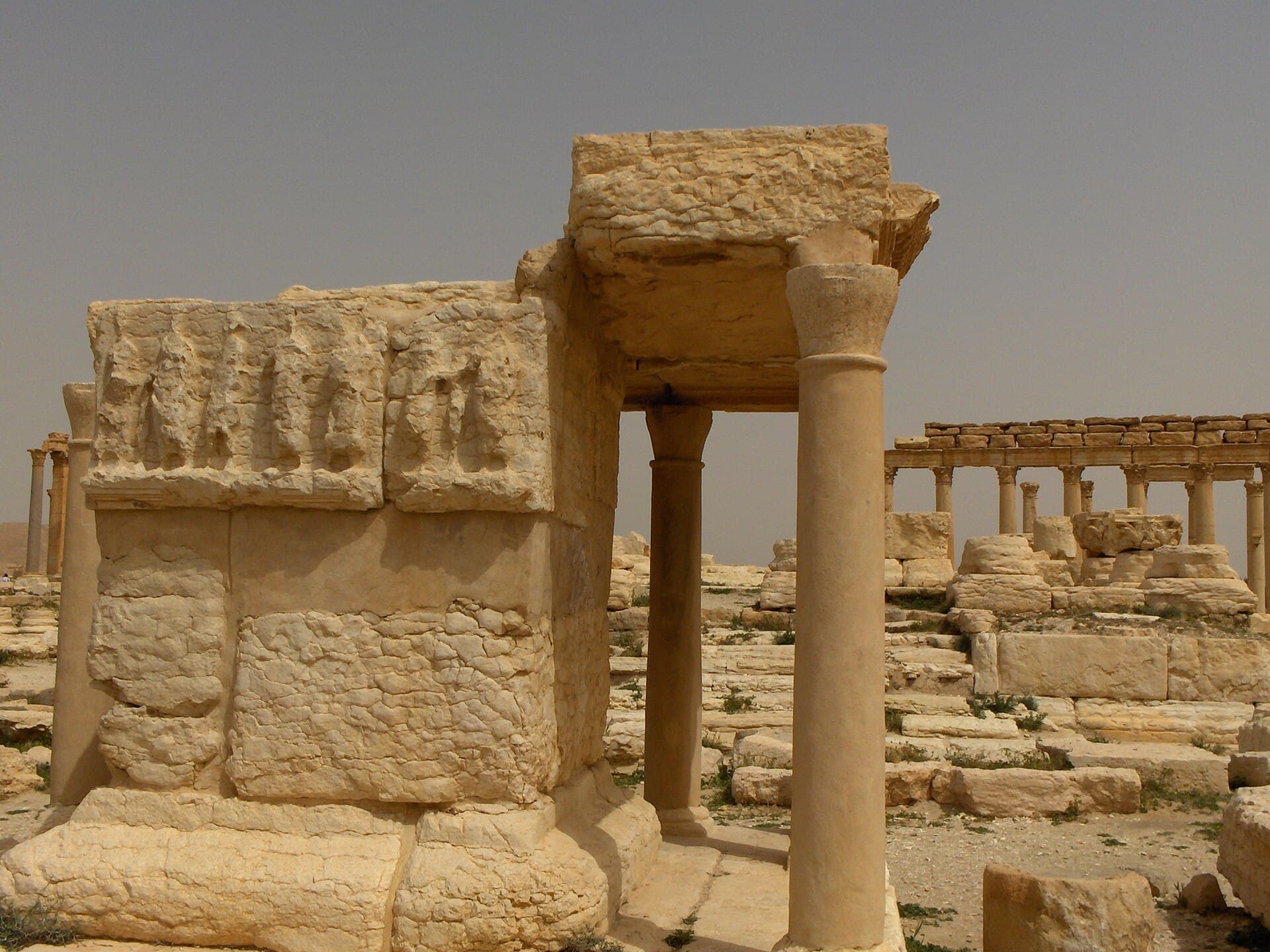 Palmyra · 2nd century AD
The Temple of Nabu at Palmyra
A 2nd-century temple at Palmyra built for Nabu, the Babylonian god of writing and wisdom. Where it stands by the colonnaded street, what is known and its state.
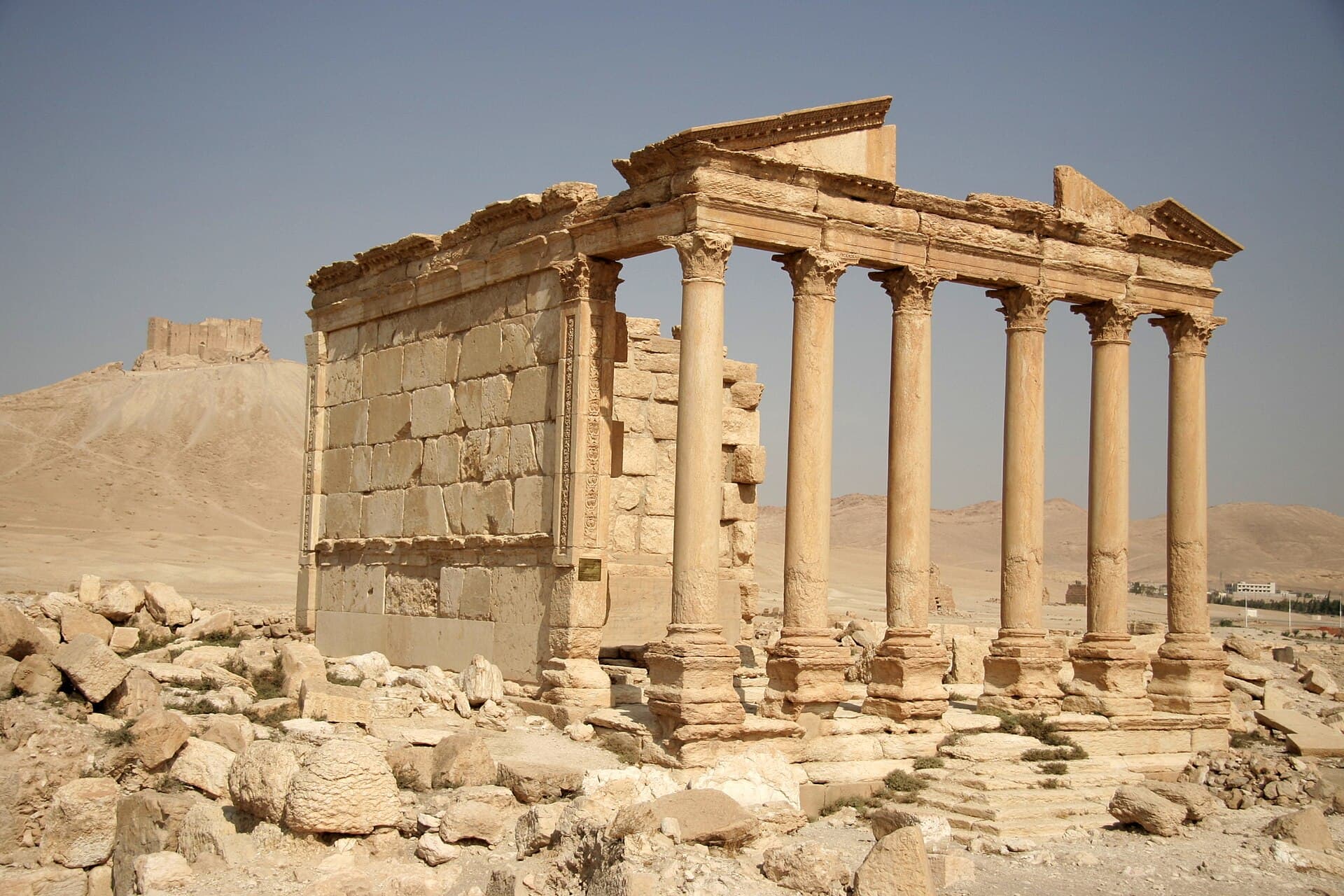 Palmyra · late 2nd–3rd century
The Funerary Temple at Palmyra (Tomb 86)
A family tomb dressed as a temple, with a six-column portico at the west end of Palmyra's colonnaded street. The only tomb inside the walls: what to see and where.
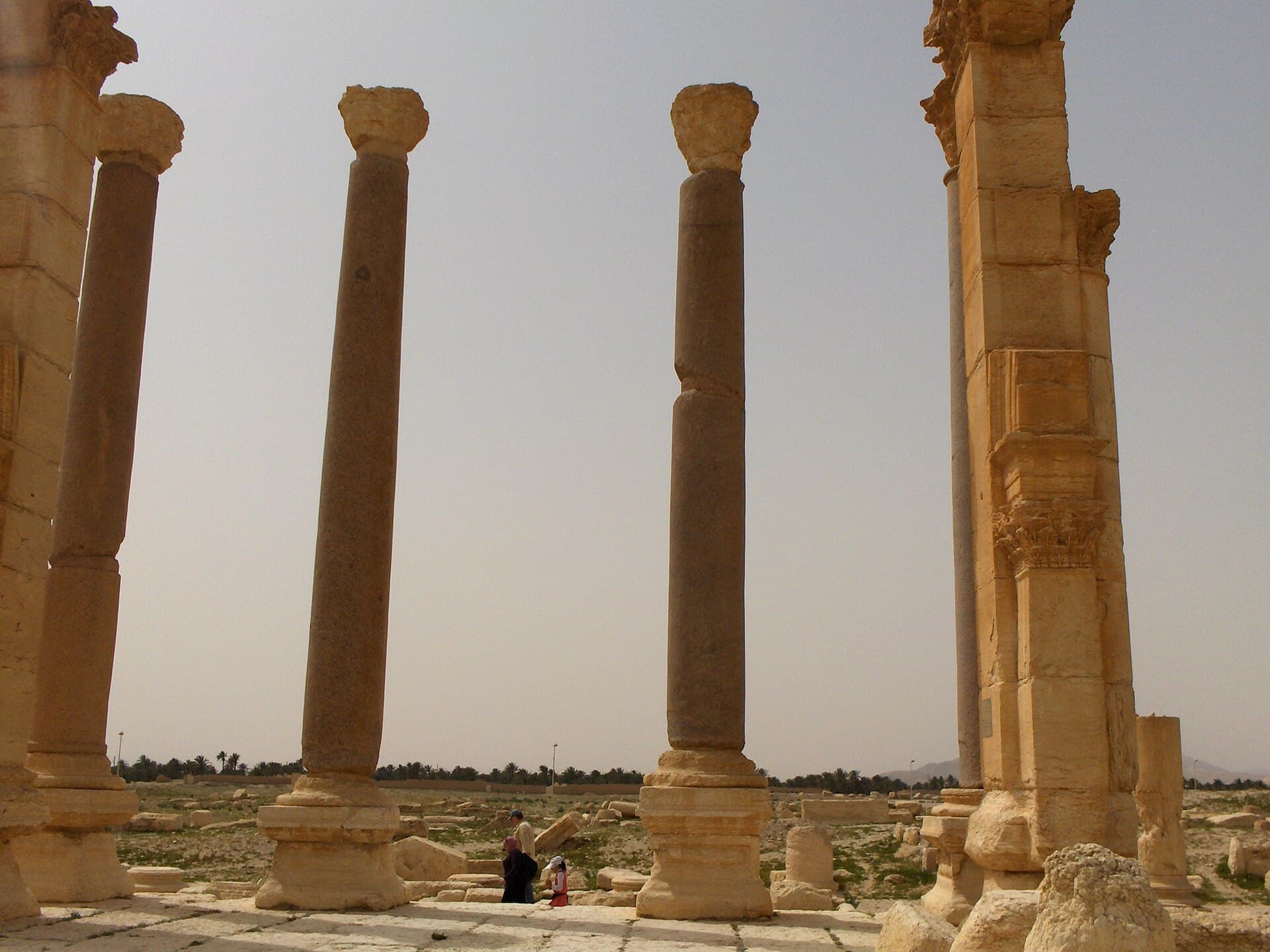 Palmyra · Roman period
The Baths of Diocletian at Palmyra
Four giant granite columns mark the entrance to a Roman bath on Palmyra's colonnaded street. Each is over 12 metres tall; what else survives and where to find it.
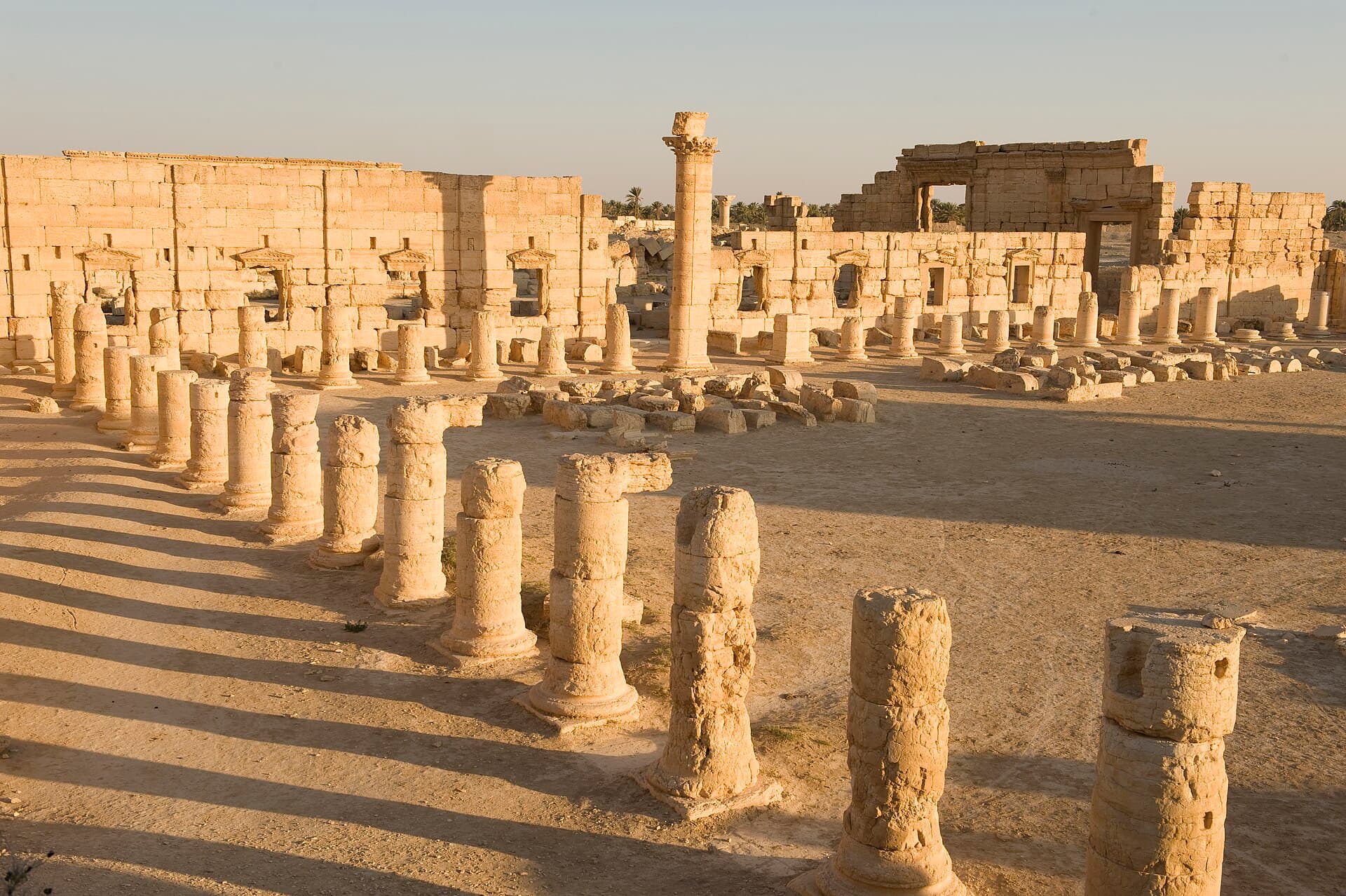 Palmyra · 2nd century AD
The Agora of Palmyra and the Tariff Court
Where Palmyra's caravans paid tax: a 71 by 84 metre courtyard with 11 gates, and the court where the tariff of AD 137 was found. What remains and how long to allow.
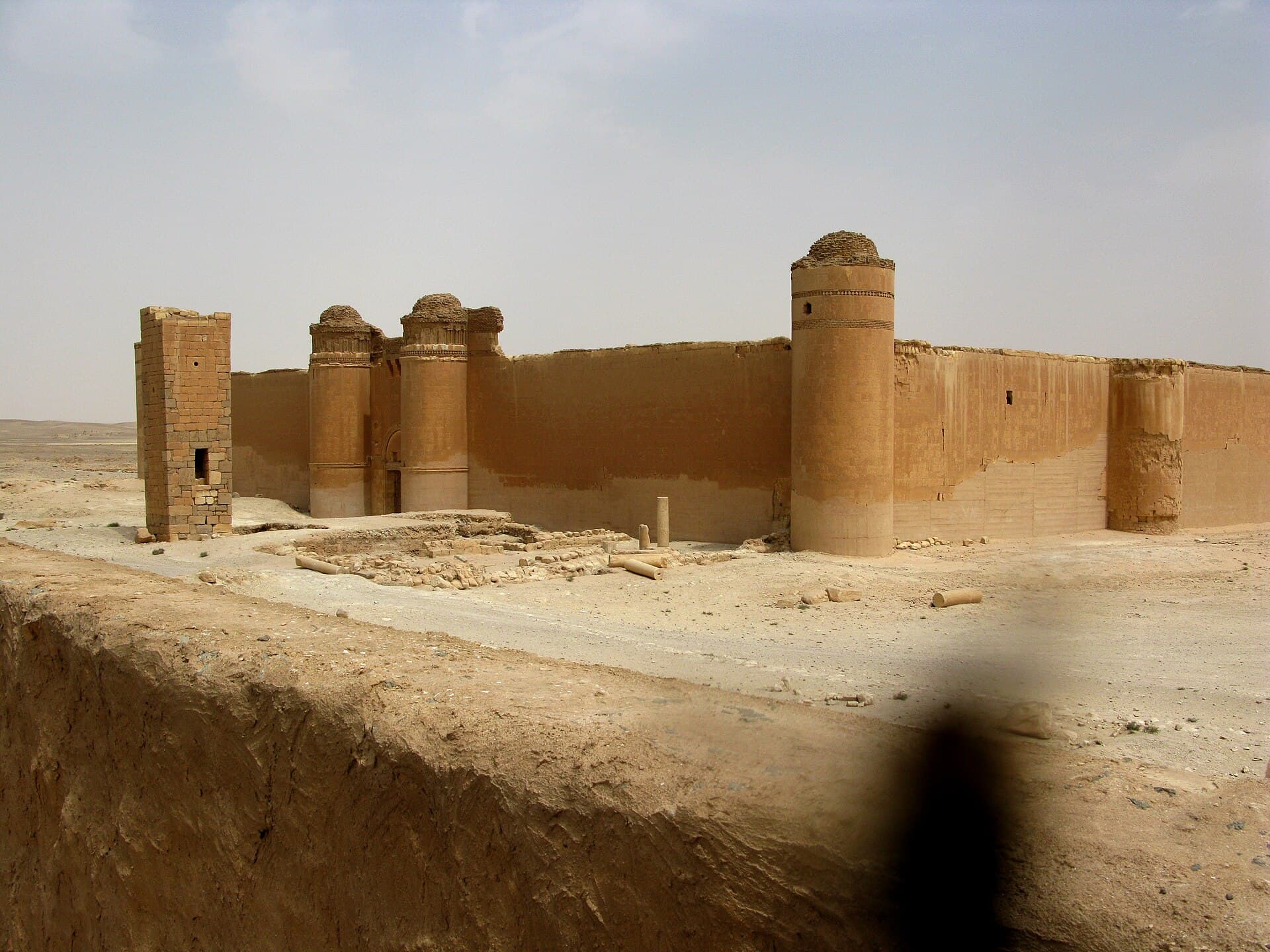 North-east of Palmyra · 8th century
Qasr al-Hayr al-Sharqi
An Umayyad palace in open steppe: two walled enclosures built for Caliph Hisham in 728, decorative towers, a bathhouse, and water piped in from far away.
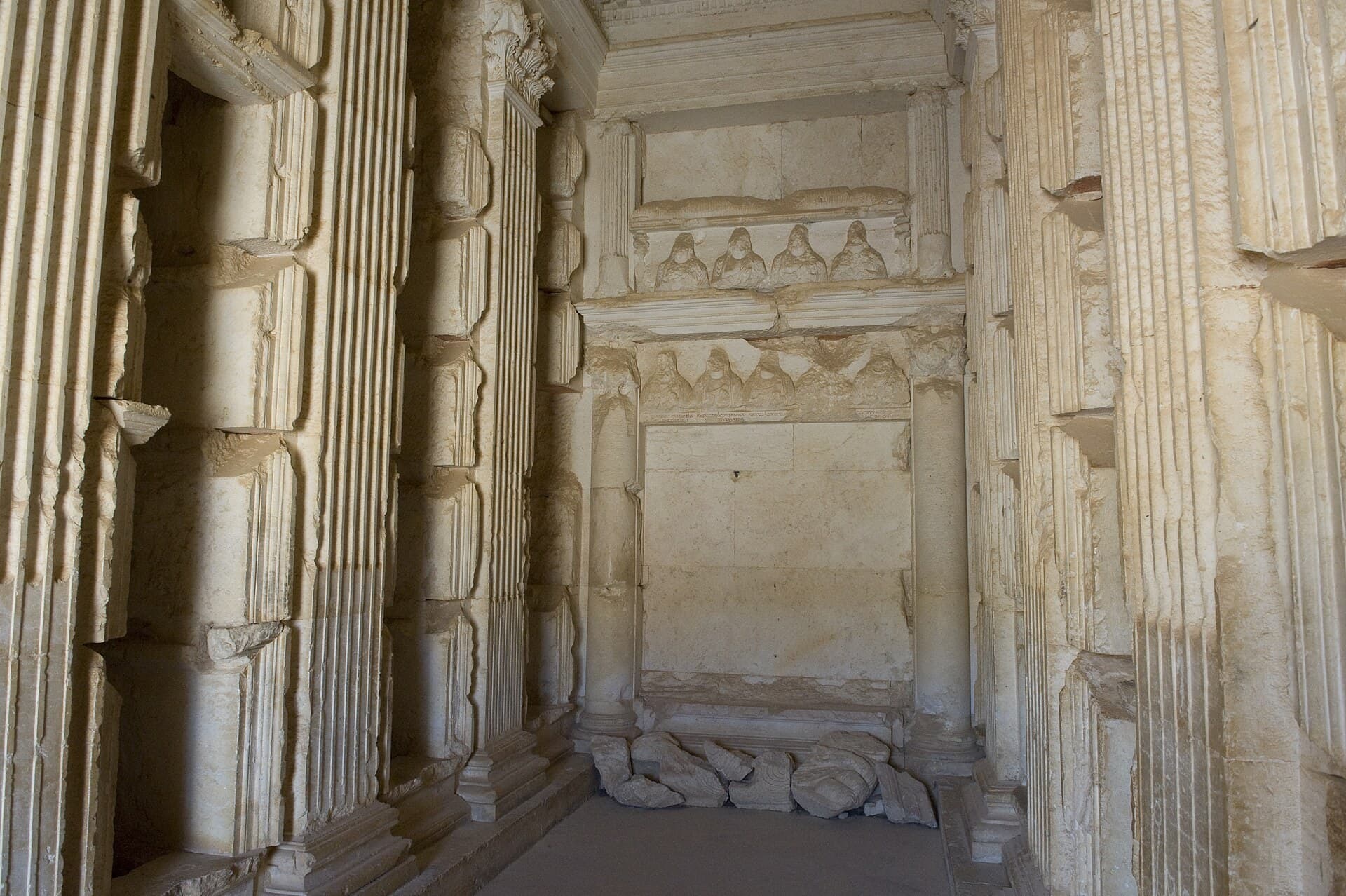 Palmyra · AD 103
The Tower of Elahbel
The one tower tomb in Palmyra's Valley of the Tombs open to visitors: four floors of burial niches, each sealed with a portrait. Blown up in August 2015.
Where to eat
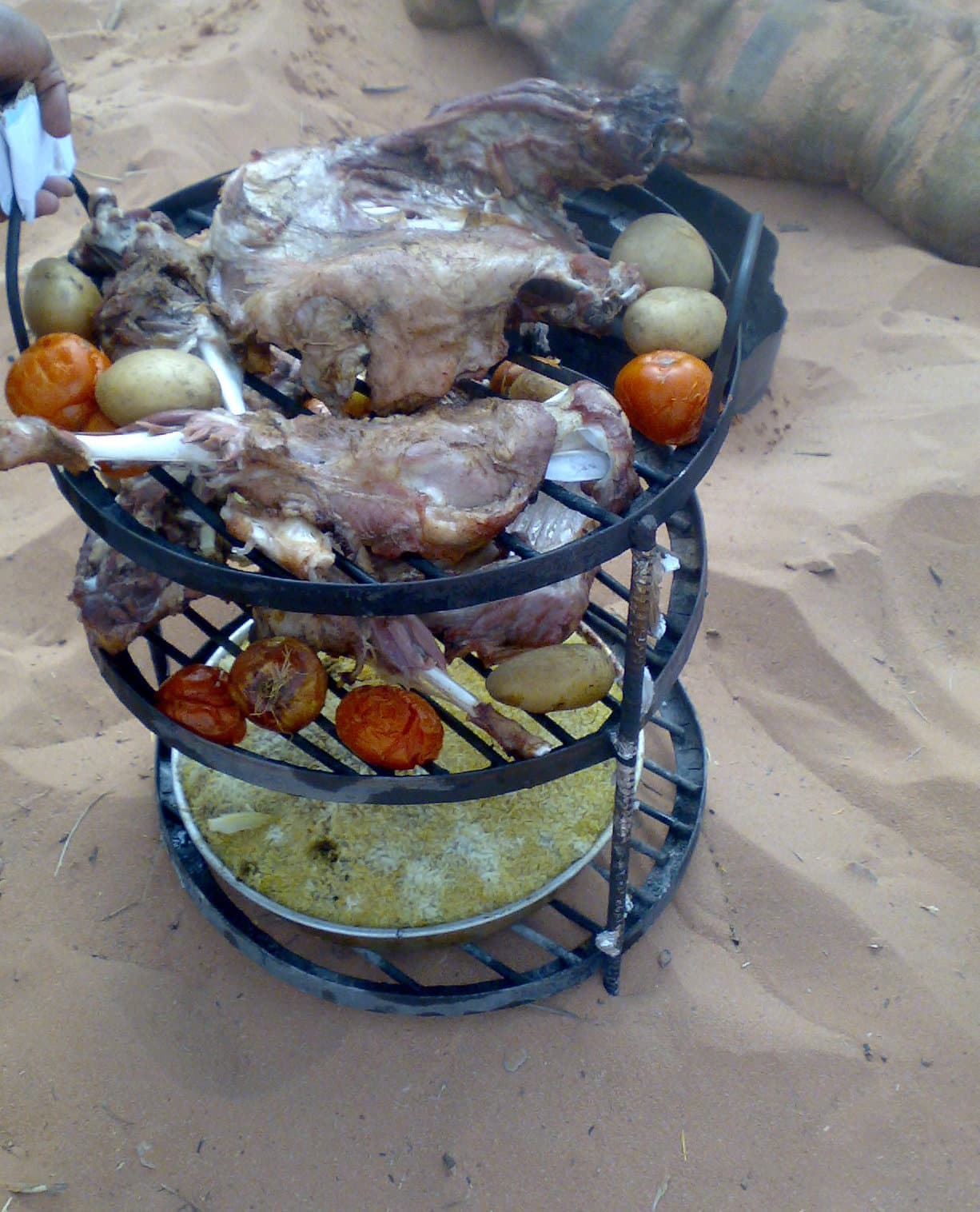 Palmyra · steppe cooking
Zarb
Lamb and vegetables cooked over embers in a metal drum sunk into the ground. This is the cooking method of the steppe, and the dish of the Palmyra desert.
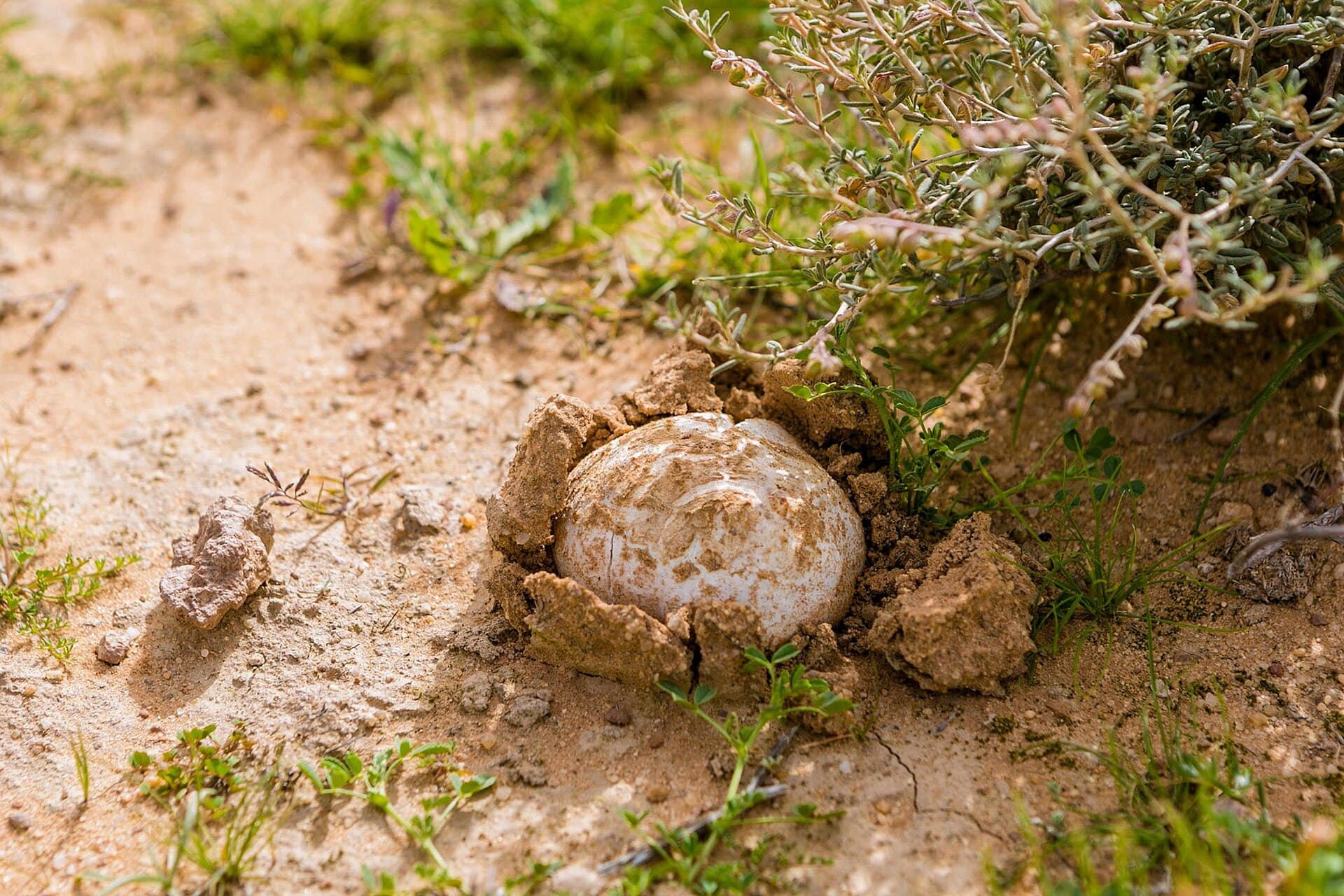 The Badiya · seasonal wild produce
Syrian desert truffle (kamaa)
A wild truffle that swells under the desert floor after winter rain. It reaches the markets of Palmyra, Homs and Deir ez-Zor between February and April.
Ready-made routes
- On foot · 3 hours
A second walk in Palmyra: from the Baths of Diocletian to the Funerary Temple
A second half-day walk in Palmyra: the granite-columned baths, the Temple of Nabu, the agora with 11 gates and the only tomb inside the walls. Four stops, timed.
 By car · 2 days
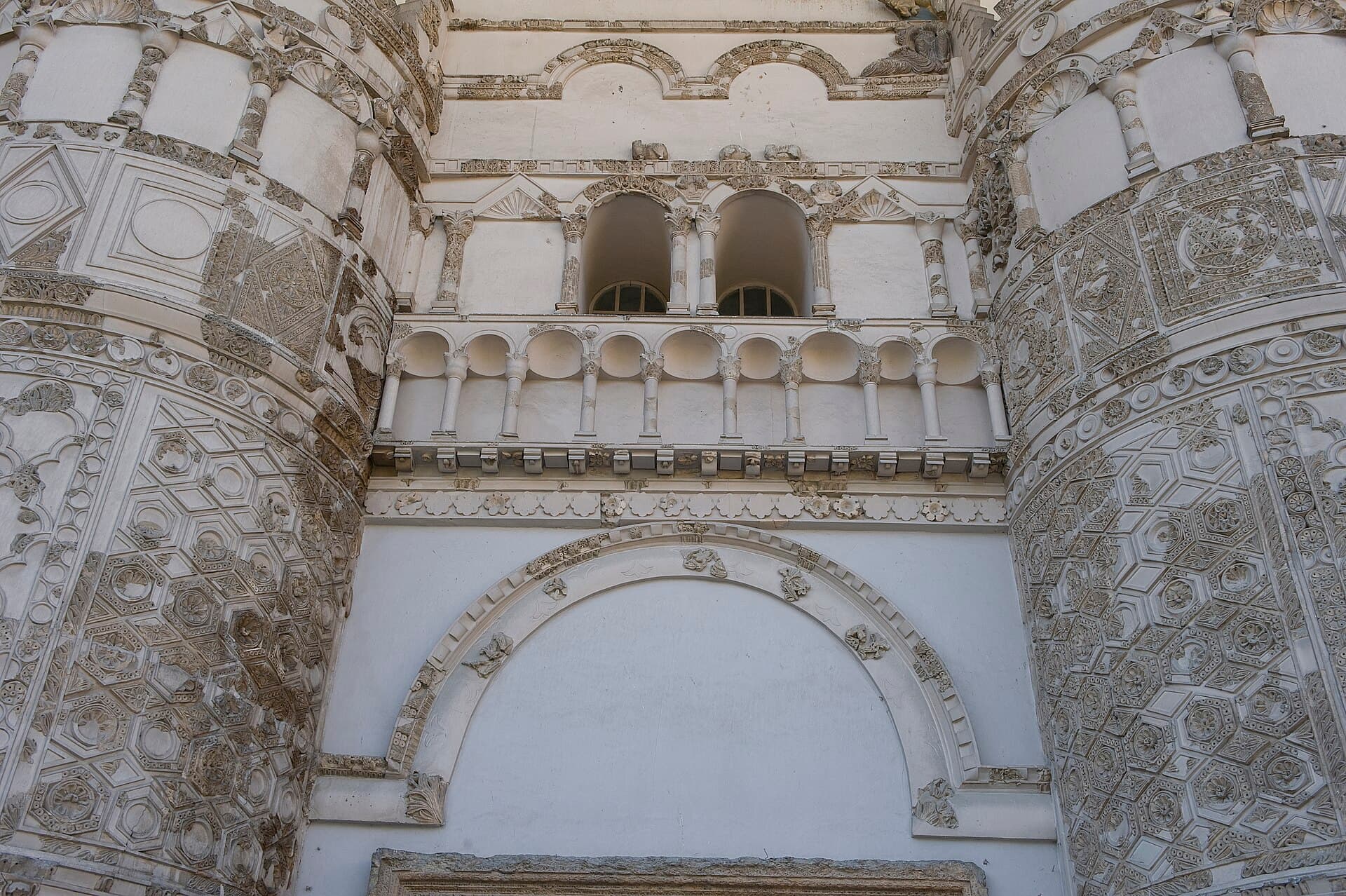
Desert palaces: two days from Palmyra to Damascus
The two Qasr al-Hayr palaces the Umayyad caliph Hisham built a year apart, and the front door of one now standing in Damascus: 470 kilometres of steppe, two days.
- By car and on foot · 2 days
Two days in Palmyra: from the spring to a desert palace
A second programme for anyone who has walked the colonnade: the spring that made the oasis, an army camp, the valley of tombs, and a palace on the steppe.
Transparency
- How this was chosen
- The answer on this page is written by hand. The lists are built from published records tied to this city and grow on their own as records are added.
- Facts checked
- August 2026
- Last updated
- September 15, 2026