What is Tartus famous for?
Tartus is known for an old town built inside a Crusader fortress: houses settled into the wall and between the towers. The city's other well-known building is the twelfth-century Cathedral of Our Lady of Tortosa — among the best preserved Crusader churches in the Levant, and the town museum today. Arwad, three kilometres offshore, is the only inhabited island in Syria.
Highlights
- An old town built inside the Crusader fortress
- The twelfth-century Cathedral of Our Lady of Tortosa
- The corniche and the working port
- Arwad island, three kilometres offshore
- Safita and its white tower in the hills to the east
What to see
- Al-Shaykh Badr, Tartus · 20th century
Sheikh Saleh al-Ali Mausoleum and Museum, al-Shaykh Badr
The hilltop tomb of Saleh al-Ali, who launched the 1918 revolt against French rule, with a museum of the uprising above al-Shaykh Badr and an April festival.
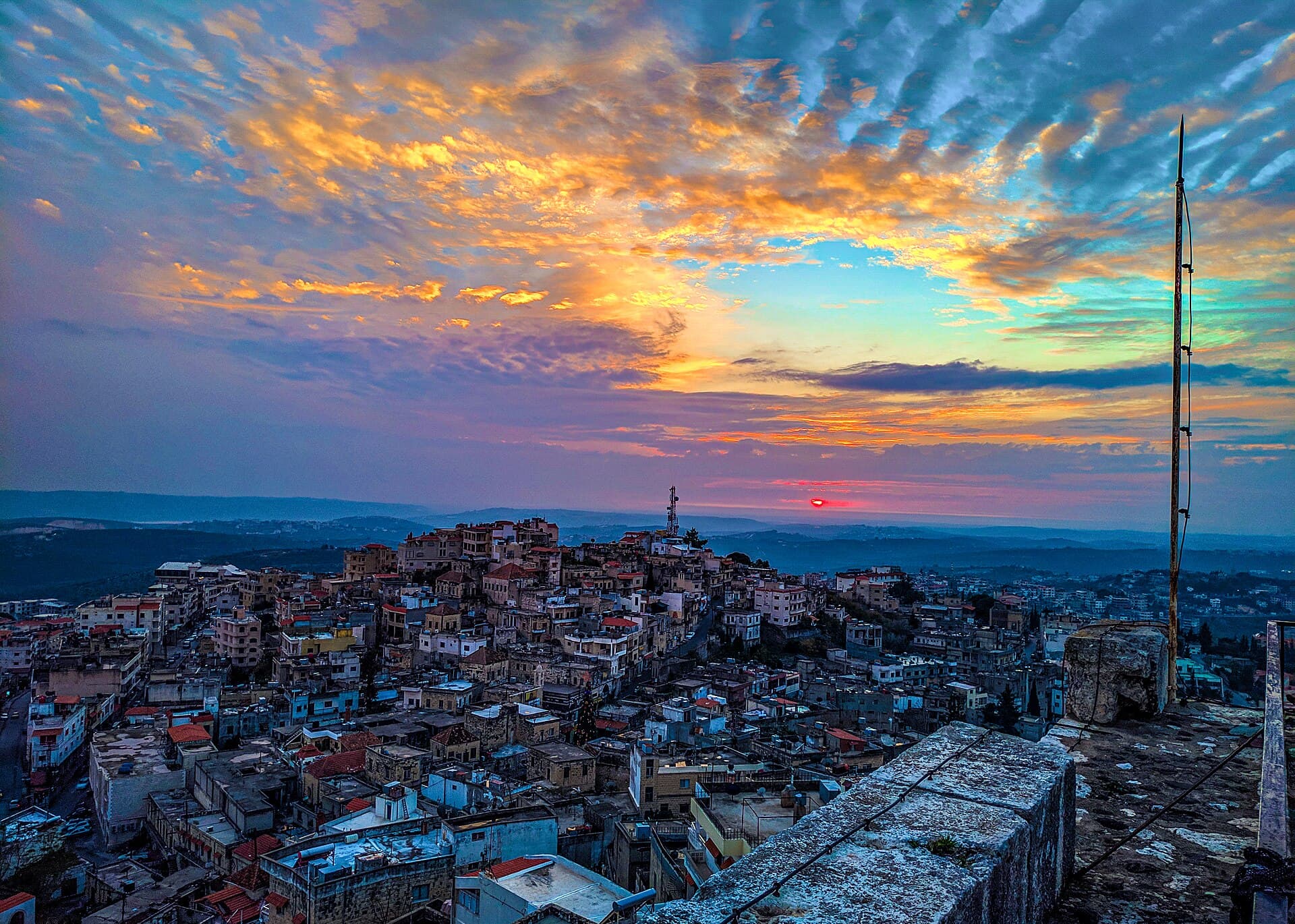 Tartus · hill town
Safita, the Hill Town Around the White Tower
Spread over three hills south-east of Tartus, Safita grew out of the stones of a Crusader castle: the line of its outer wall, the Castle Quarter, an Ottoman past.
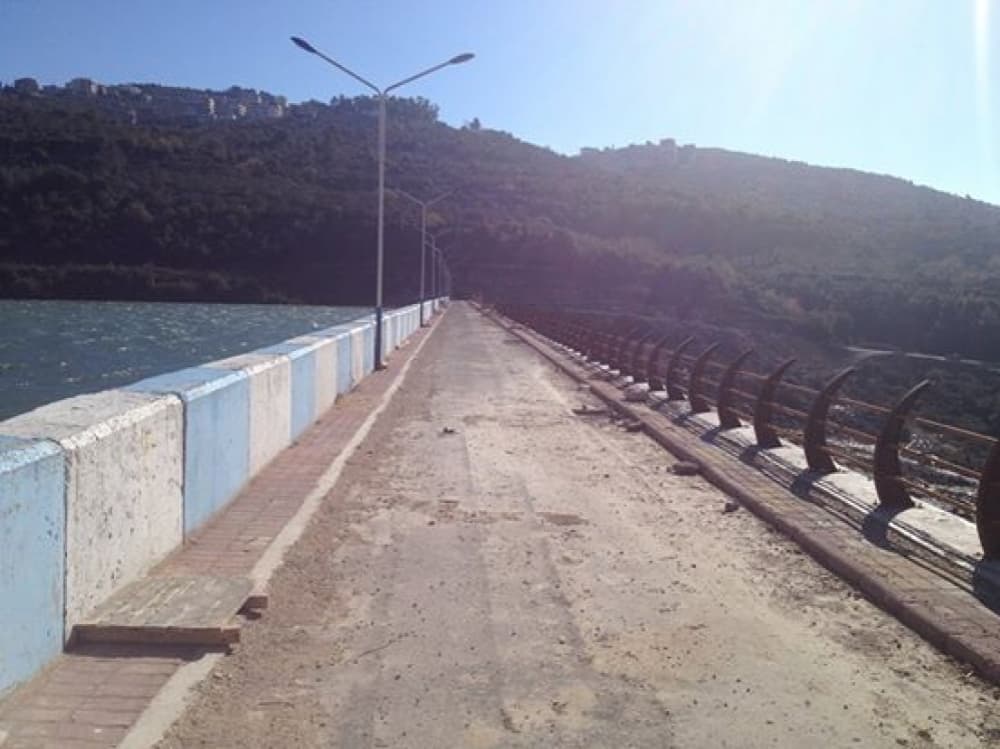 Dreikish, Tartus · reservoir lake
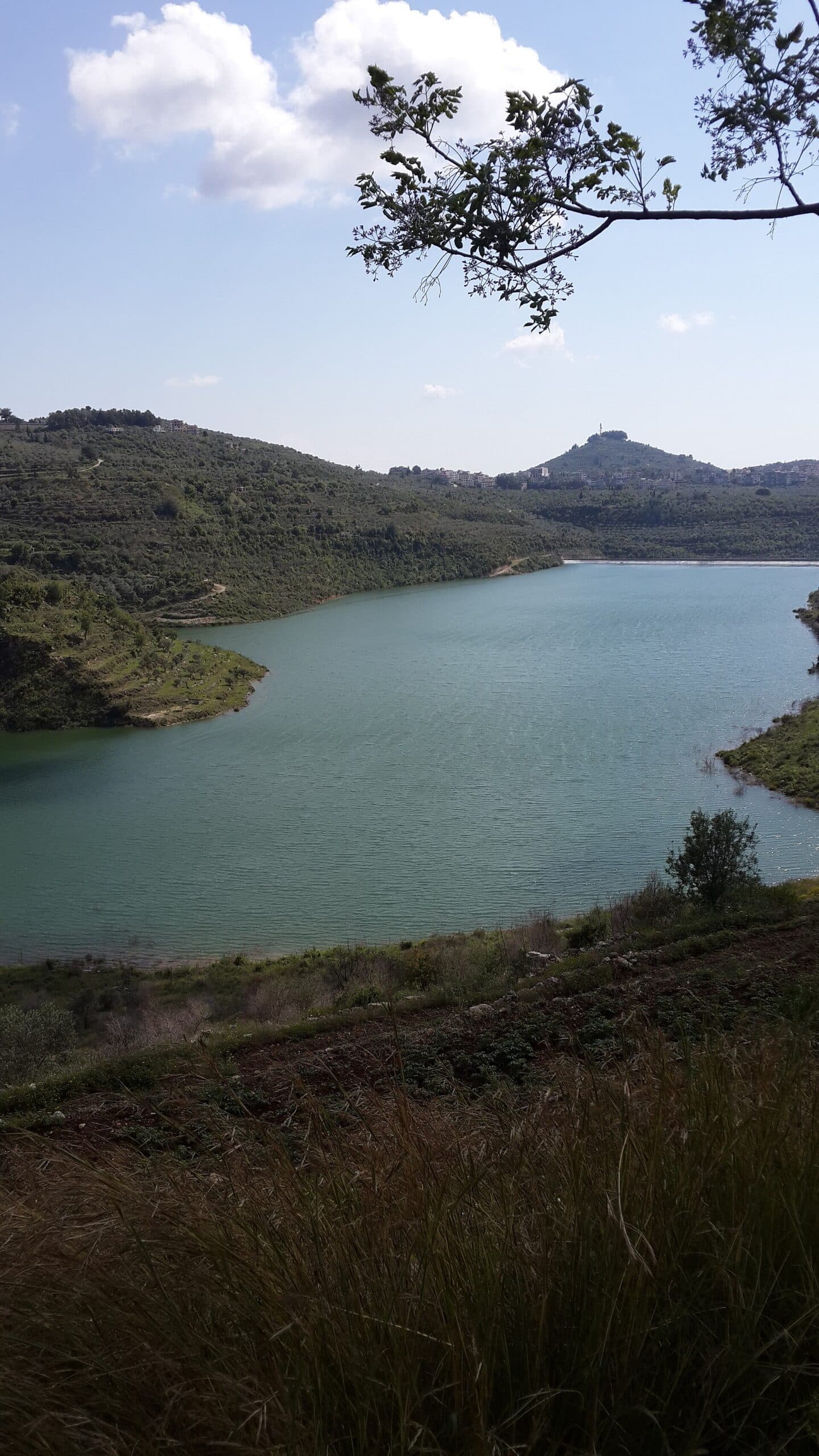
Dreikish Dam and Lake
A 41-metre rockfill dam on the Qais river north of Dreikish, with a lake a kilometre long behind it. Built for drinking water, in a valley ringed by villages.
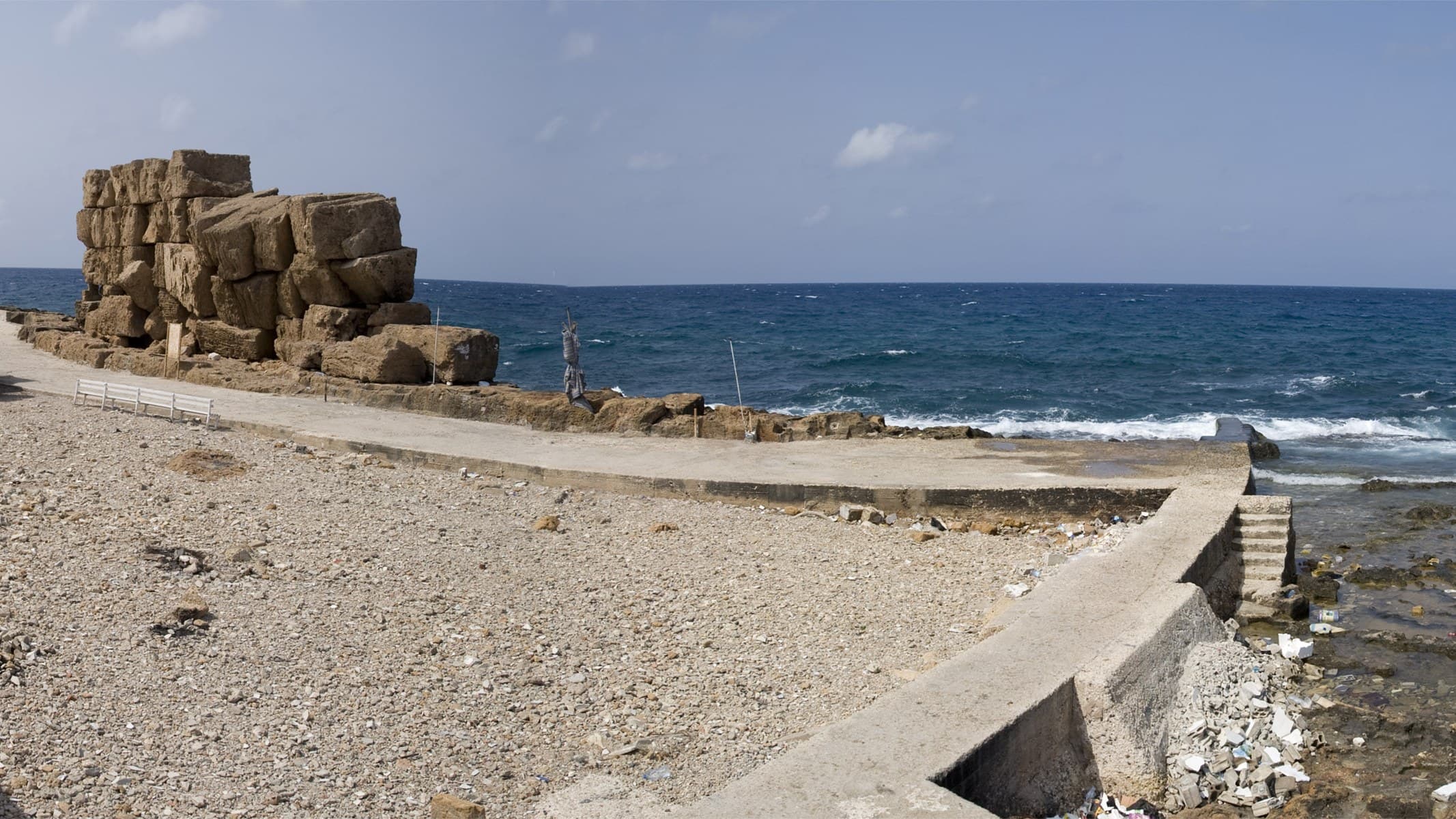 Arwad Island · Phoenician era
The Phoenician Walls of Arwad Island
Giant stone blocks facing the open sea on Arwad's west shore: what an 1853 survey measured, the rock-cut ditch, and what can still be seen of the wall today.
- Tartus · Bronze Age to Hellenistic
Tell Kazel, the Ancient City of Sumur
A mound rising 25 metres above the Akkar plain south of Tartus: Sumur of the Amarna letters. What was found, where the finds are and what to know before you go.
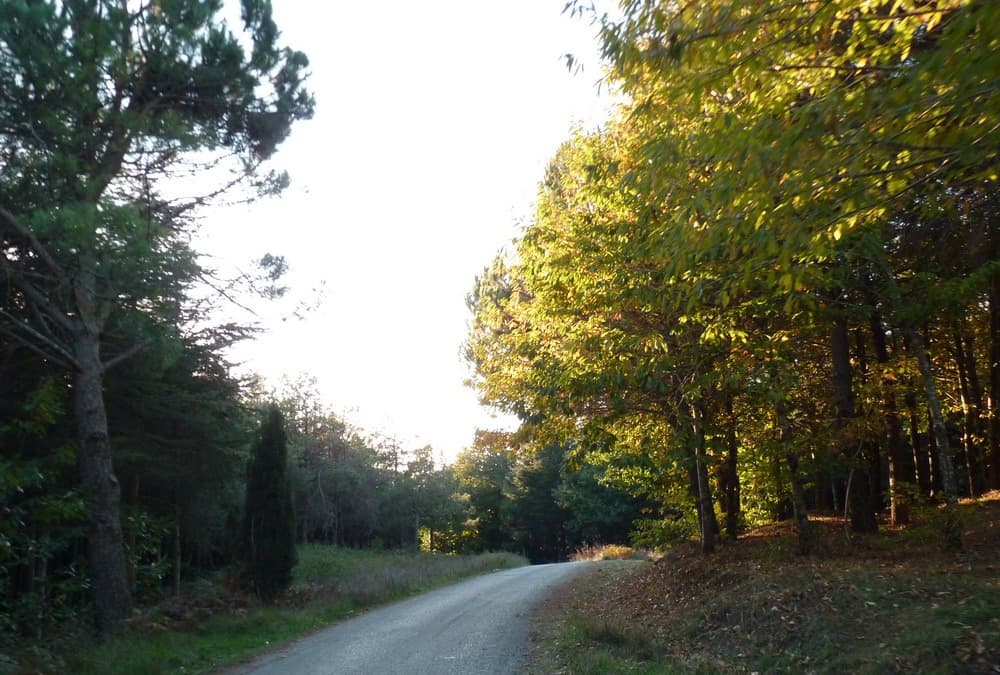 Tartus mountains · 1100 metres
Jabal al-Nabi Matta Forest Reserve
A 650-hectare reserve at 1100 metres in the Tartus mountains, planted with chestnut, pine and cedar since 1976, with a shrine on top. Protected since 2009.
Where to eat
- Tartus · summer plate of the coastal villages
Mutabbaleh (coastal wheat and yoghurt)
Boiled wheat stirred into homemade yoghurt and eaten cold: the summer field food of villages around Tartus and Baniyas, and how it differs from Kurdish mehîr.
- Tartus · spring salad of the coastal hills
Eryngo (Qurs’anneh) Salad
Qurs'anneh, a wild spiny herb of Syria's coastal hills, is eaten raw: chopped with salt, lemon and olive oil. Three village ways to make it, and how it differs.
- Baniyas · coastal pantry
Baniyas Home-Cured Bonito (‘Tuna’)
On the Syrian coast 'home tuna' is bonito poached with lemon and onion, then jarred under olive oil for the winter months when waves keep fishing boats ashore.
Ready-made routes
 By car · 1 day
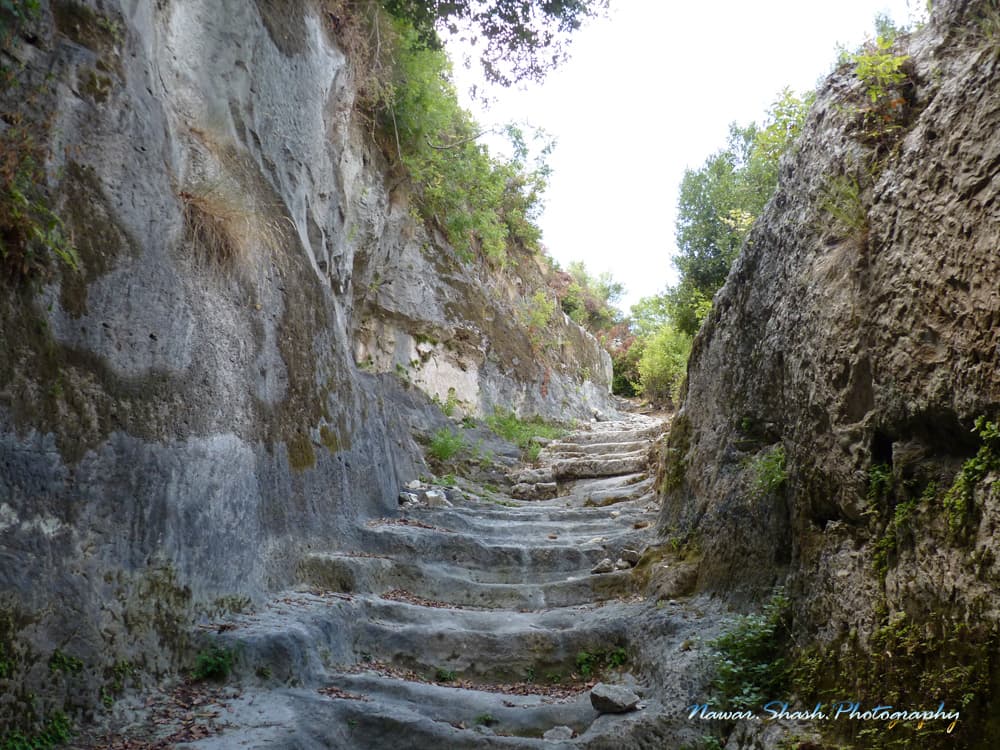
From al-Shaykh Badr to Hawat al-Jubab: the town of the 1918 revolt, two hill castles and a sinkhole
A day by car in the hills of Tartus: al-Shaykh Badr, where Saleh al-Ali declared revolt in 1918, the castles of al-Kahf and Qadmus, and a sinkhole 35 metres deep.
 By car · 1 day
Safita to Jabal al-Nabi Matta: a hill town, the Dreikish reservoir and a planted chestnut forest
A day trip by car from Tartus: Safita's houses built from castle stone, the springs of Duraykish, a lake behind a 41-metre dam and a chestnut forest at 1100 metres.
 By car · 1 day
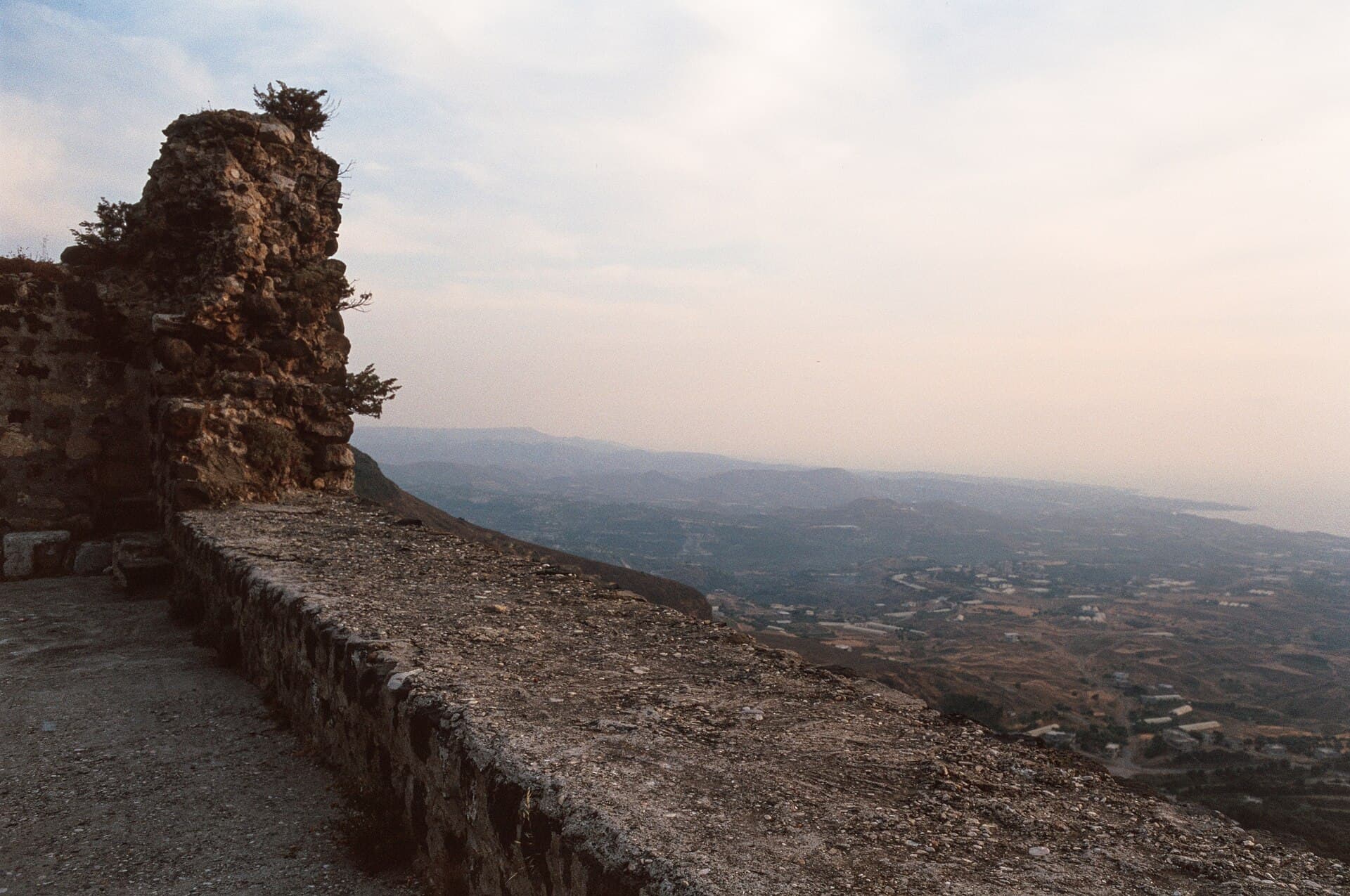
Tartus to Baniyas: Maraclea, Burj al-Sabi, Margat and Qalaat al-Qawz
A day's drive north from Tartus: the sunken base of the Maraclea tower, the Burj al-Sabi lookout, Margat Castle, Bronze Age walls in Baniyas and a coastal khan.
Transparency
- How this was chosen
- The answer on this page is written by hand. The lists are built from published records tied to this city and grow on their own as records are added.
- Facts checked
- August 2026
- Last updated
- September 15, 2026