Food
What to eat, where to find it, what it costs.
100 Food
Habboul, the steamed fig paste of Masyaf
A winter store from the villages of Masyaf: figs dried in August are steamed soft, pounded in cloth, shaped with walnuts and eaten with yoghurt, butter or tahini.
Varies — ask the price per kilo in the village or from a vendor · Hama
Habbiyeh
Whole wheat and chickpeas soaked overnight, then cooked in bone broth with meat browned in ghee. Hasakah’s two-day winter soup, where the grains stay whole.
Whole wheat and chickpeas, bone broth, meat browned in ghee · Not a plate you buy — it belongs to the home table · Hasakah
Jameed, the Hauran’s dried yoghurt
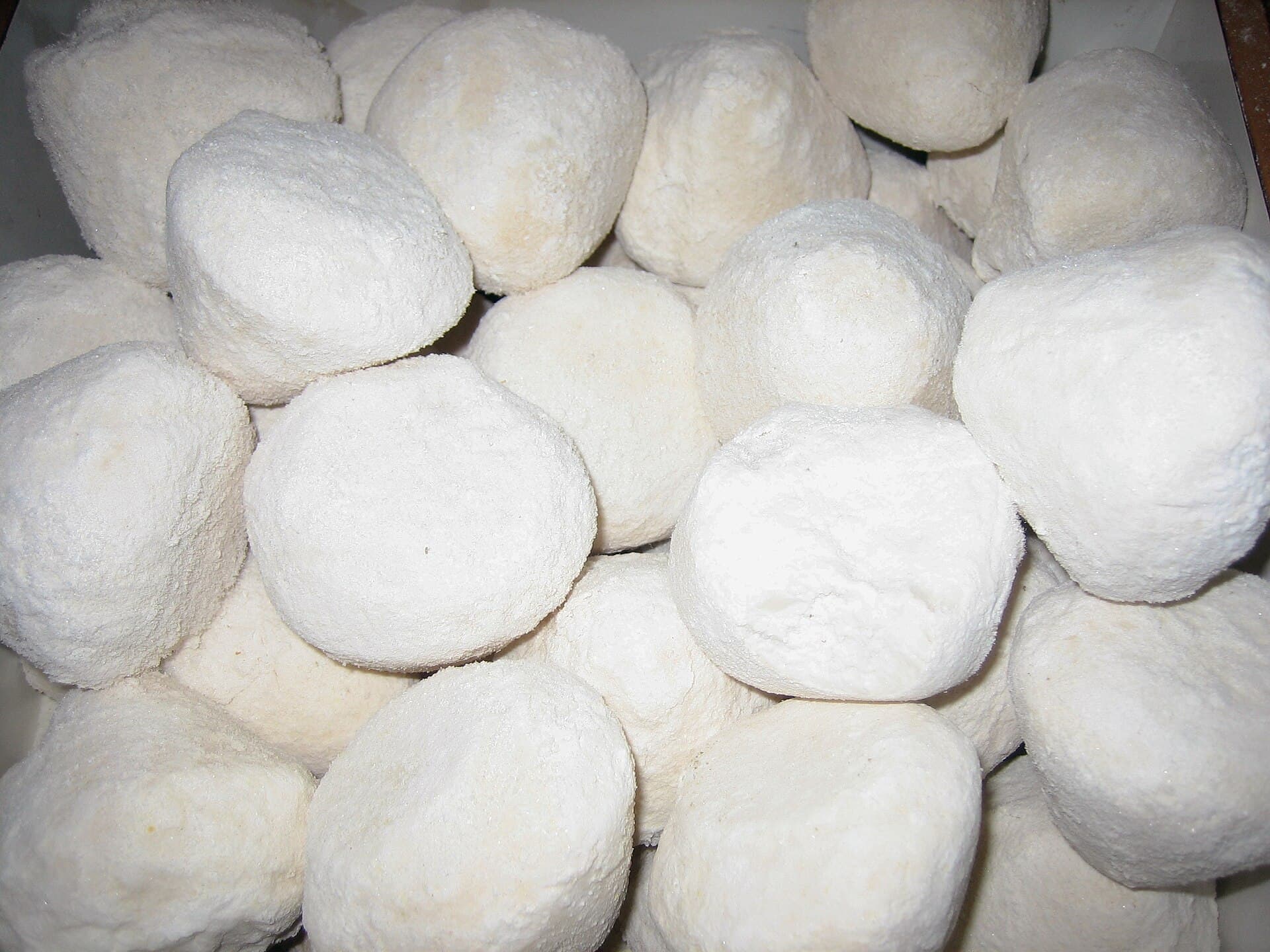
Skimmed yoghurt strained, salted, rolled into balls and dried stone-hard on the roof. Jameed is the base of mansaf and malihi in the Hauran and keeps over a year.
Varies — ask at the dairy · Daraa
Jazariyya, Latakia’s carrot sweet
Carrots boiled, pressed under a stone and cooked slowly with sugar and cinnamon, then topped with nuts: jazariyya is the sweet people ask Latakia visitors to bring.
Varies — ask the sweet shop for the price per kilo · Latakia
Ariha cherries, the orchards of Idlib
In Ariha, below Jabal al-Zawiya, cherries have been the leading tree since the 1950s. The varieties, the June harvest and the link to mahleb rootstock, explained.
Varies — ask the price per kilo at the market in season · Idlib
Baqsama: snow with grape molasses
Fresh snow beaten fine and stirred with grape molasses until it sets like ice cream: As-Suwayda’s winter treat, made only on snow days and never with the first snow.
Not a sweet you buy — it is made at home on a snow day · As-Suwayda
Orange Blossom Water (Ma’ al-Zahr)
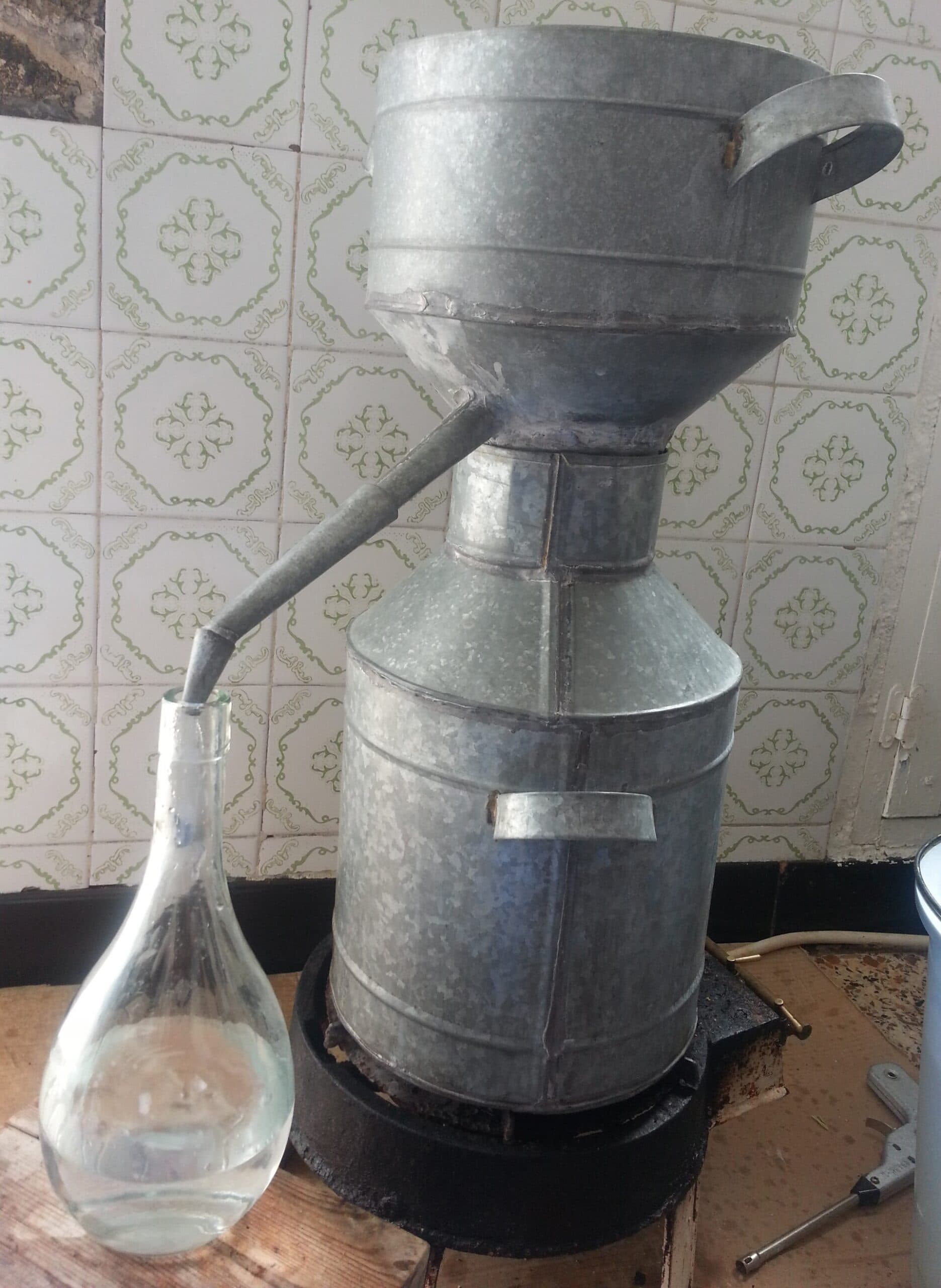
A clear water distilled from bitter orange blossom. The season is March and April, and half the sweets and sherbets of Syria smell of what is in this bottle.
Variable — the price of a bottle changes from shop to shop, ask · Damascus
Taboon Bread
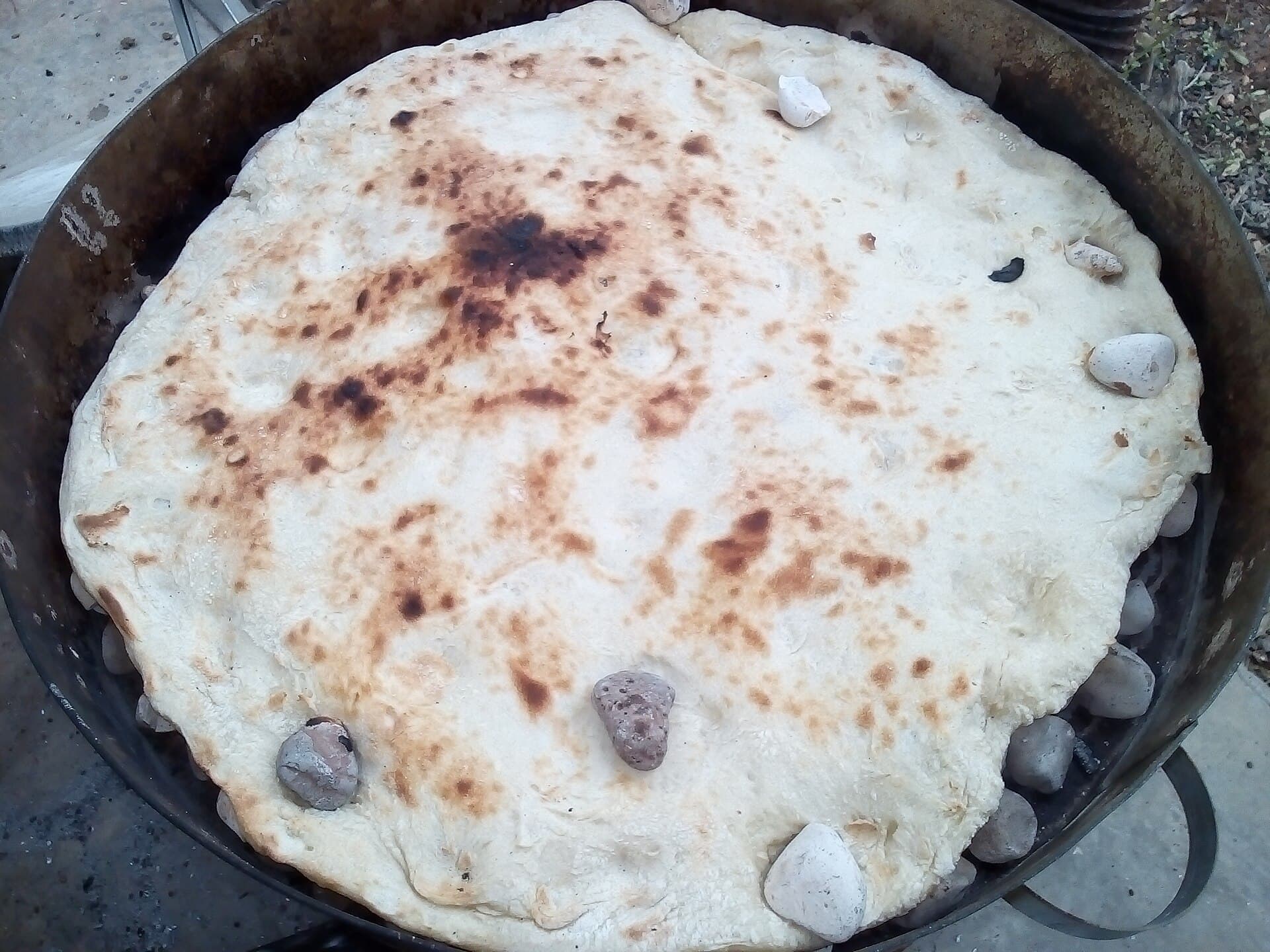
Baked on a bed of hot pebbles laid in the floor of a domed clay oven. The dimples underneath the loaf are the marks of those stones, and its signature.
A thick round loaf carrying the hollows of the pebbles · Variable — ask the price per loaf at the village bakery · Daraa
Tea in Syria
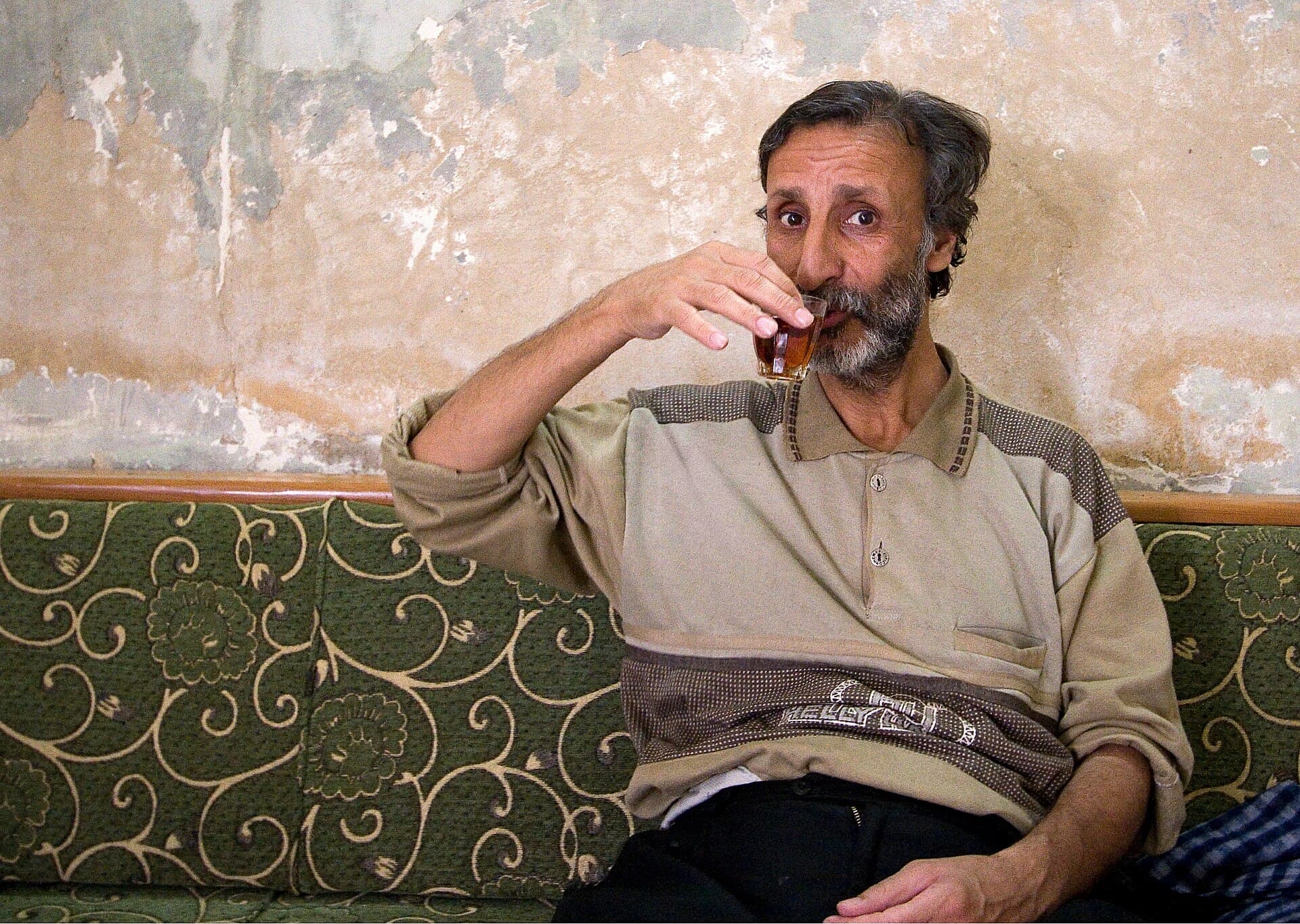
Imported Ceylon leaf, boiled dark in a single pot called a berrad. Tea is the cheapest order in a coffee house, and that glass is the ticket to your seat.
Variable — the cheapest order in a coffee house; ask the price of a glass before you sit · Damascus
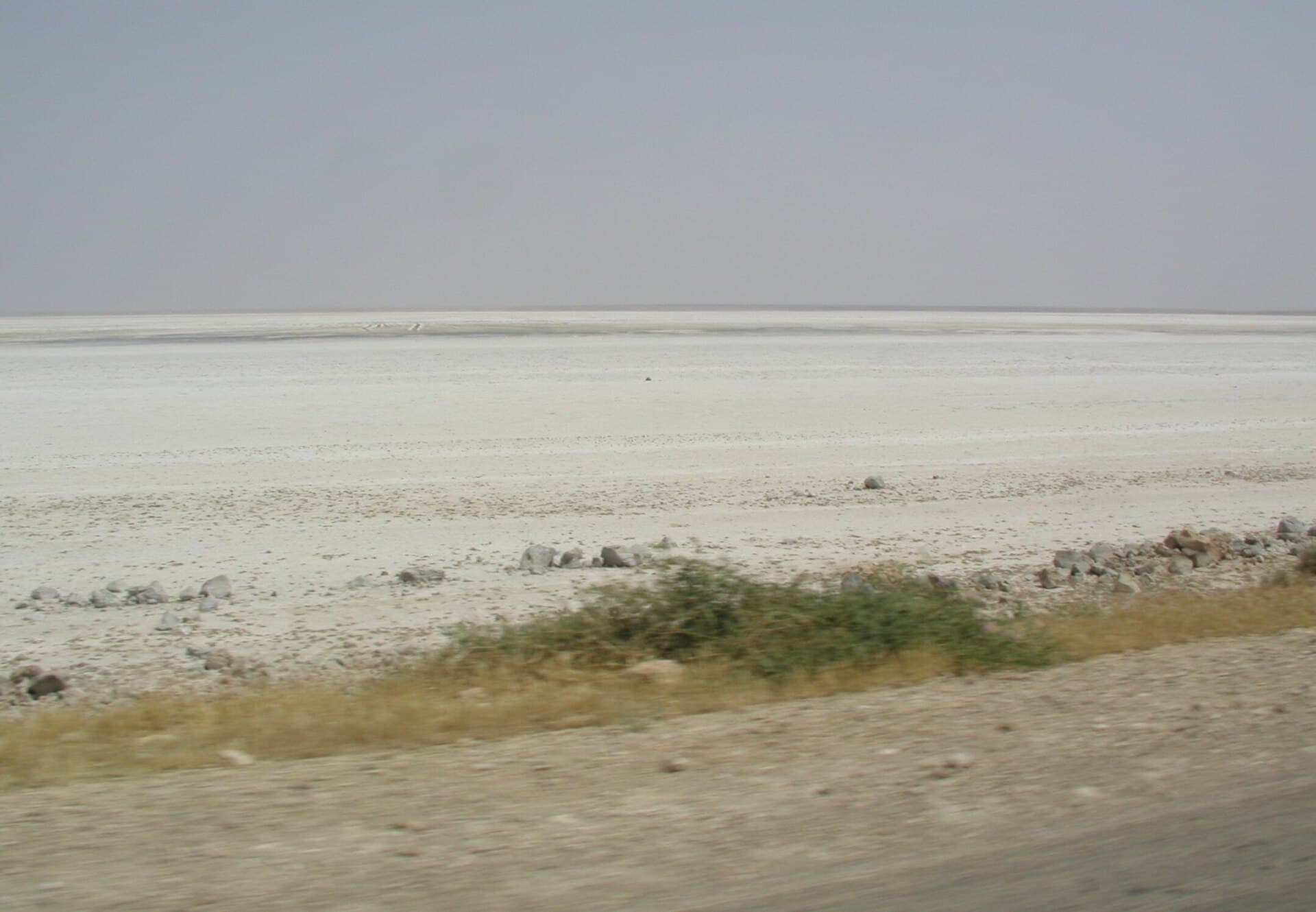
Syrian salt and Sabkhat al-Jabbul
Most of the country’s salt comes off Sabkhat al-Jabbul, 30 km southeast of Aleppo. Every shelf of the winter pantry — olives, pickles, kishk, cheese — rests on it.
Variable — ask the price by the kilo in the souq · Aleppo
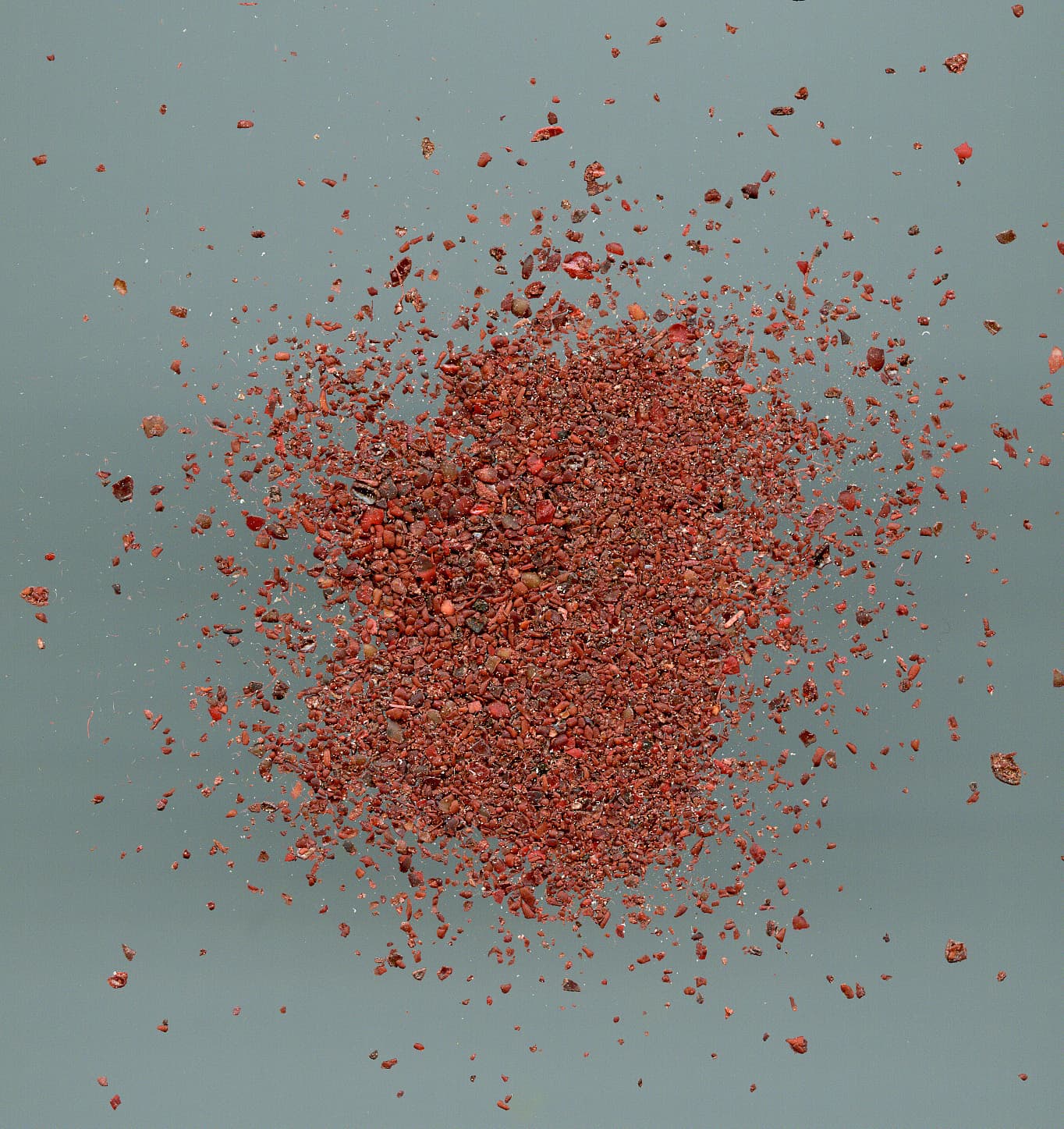
Sumac
Dried, crushed dark red grains. Before lemons spread through the Mediterranean this was the source of sourness, and it still reddens za’atar and fattoush.
Sold by weight; a small amount lasts, so ask the price at the spice shop · Aleppo
Syrian honey and the Syrian bee
It arrives on the breakfast tray beside clotted cream and tahini. Behind the jar sits a local subspecies: low-yielding, sharp-tempered, and hard to raid.
The price of a jar swings with the source and the season; ask while it is weighed · Aleppo