Food
What to eat, where to find it, what it costs.
100 Food
Balat Jahannam, Hell’s Tile
The name means hell’s tile: semolina and sugar poured onto a fire-heated stone slab and cooked on contact. It belongs to Homs alone. Three accounts explain the name.
Variable — ask the price per kilo at the counter · Homs
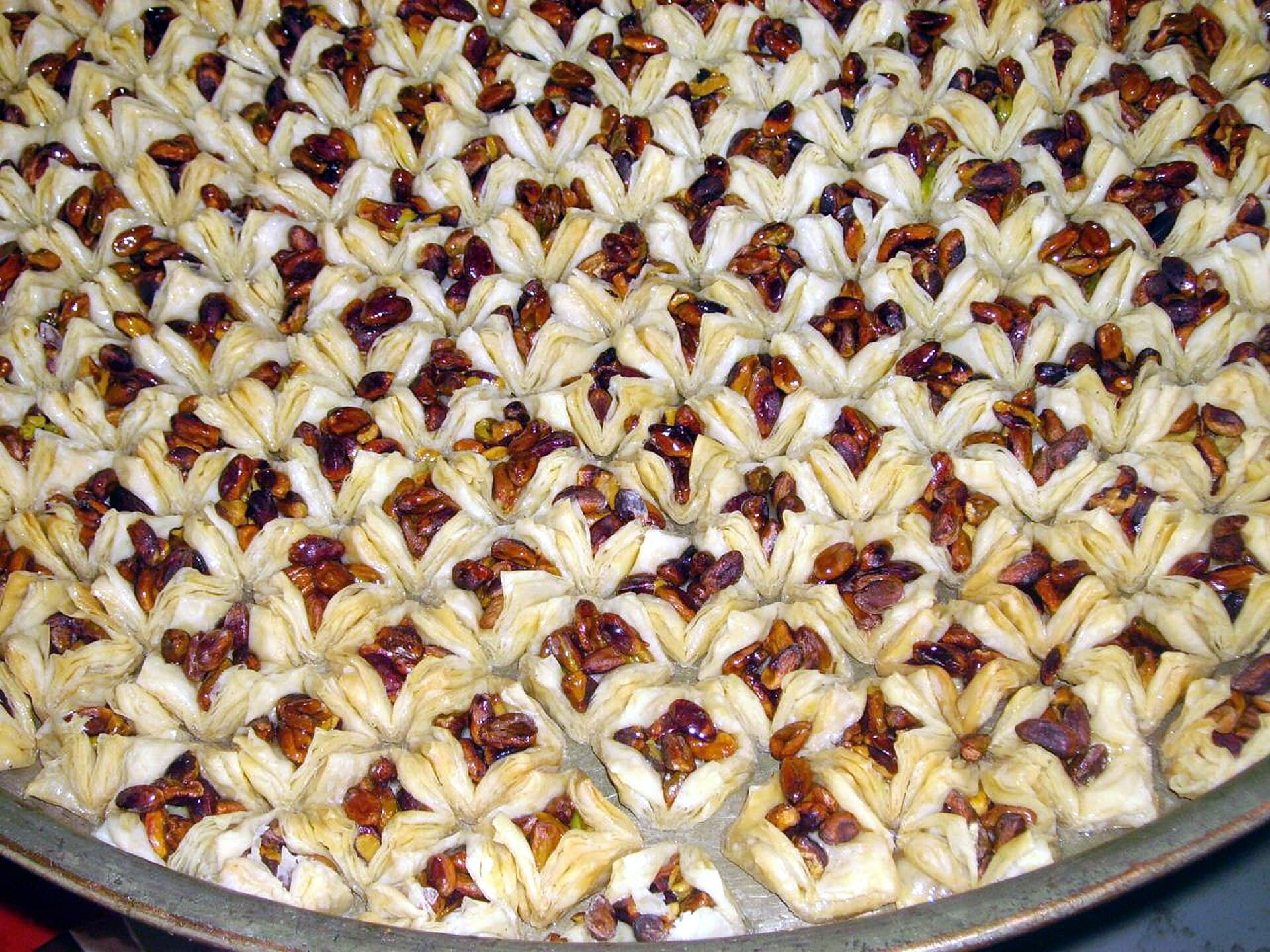
Syrian Baklava
Paper-thin filo, coarsely broken Aleppo pistachio and cold sugar syrup. Most of the names in a Syrian sweet shop window are the same dough, cut another way.
Filo baklava with pistachio, and the dry sweets that share the mixed box · Variable — ask the price per kilo and the difference between pistachio and walnut · Aleppo
Bashmina, the Sweet of Homs
A fibrous sweet made only in Homs: flour boiled in syrup, folded on marble again and again until the cut face opens into threads. Sold by the kilo at the counter.
Variable — ask the price per kilo at the counter · Homs
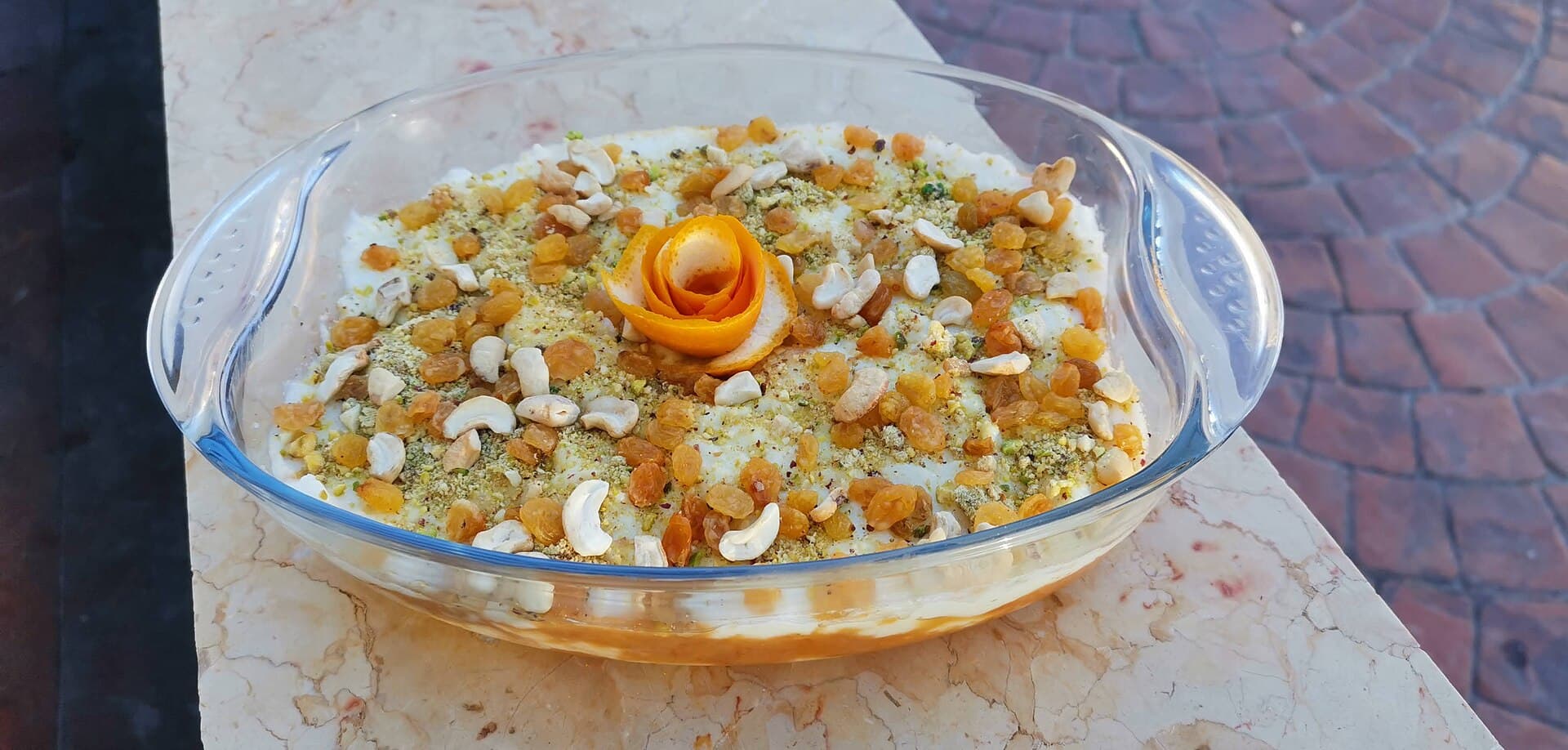
Aish as-Saraya
Crumbled bread soaked in syrup, a layer of clotted cream over it, crushed pistachio on top. The name means bread of the palaces; no egg binds it. Cut from the tray.
Variable — ask the price per portion or per kilo at the counter · Damascus
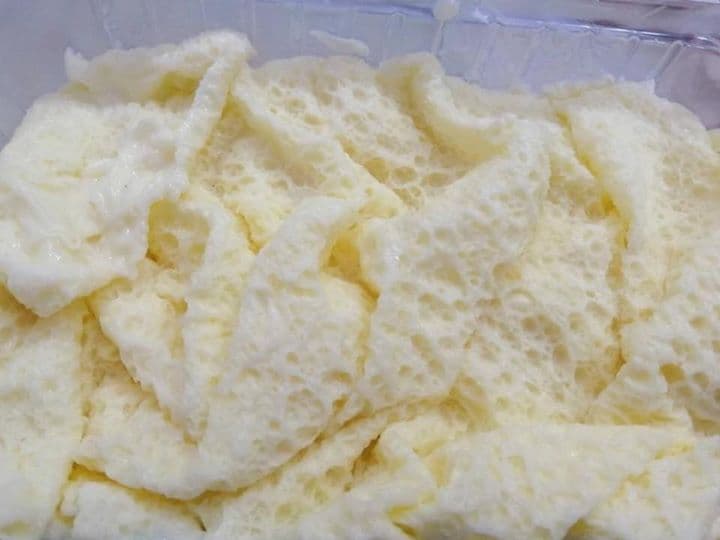
Qishta, Arab Clotted Cream
The layer that gathers on the surface of milk: held for hours at about 60 degrees in wide trays, it sets in sheets. No culture, and it keeps only days.
Variable — ask the price per kilo or per bowl at the counter · Hama
Grape molasses, dibs al-inab
Grape juice boiled over a wood fire until it thickens to honey. A dark syrup that keeps all winter without a fridge, tied to the vineyards of Suwayda.
The bottle price moves with the harvest; ask at the spice shop · As-Suwayda
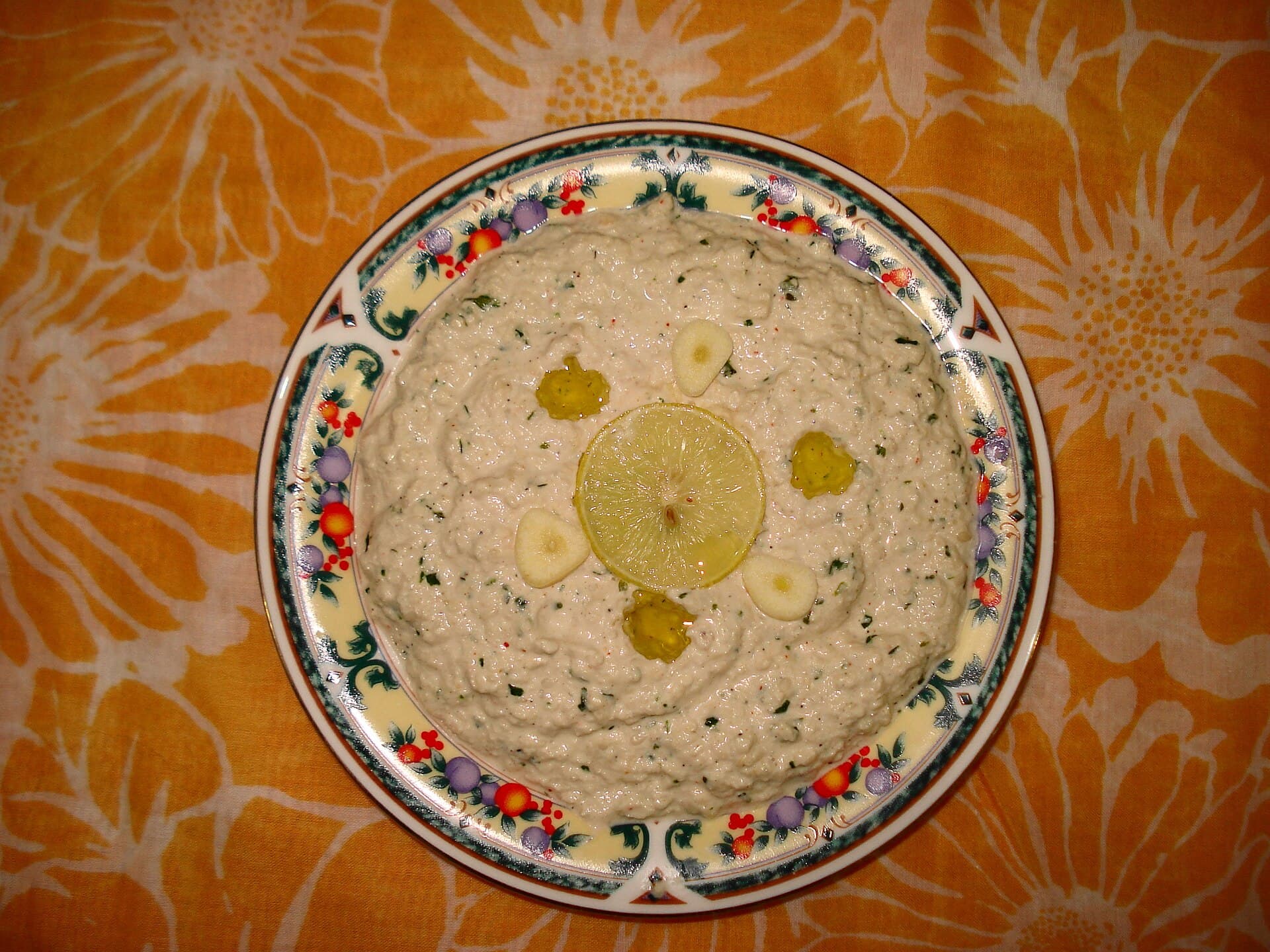
Tarator, the tahini sauce
Tahini, lemon, garlic, salt and water, nothing else. The pale sauce that comes in its own bowl beside grilled fish on the coast and fried cauliflower inland.
Comes with the plate; ask the price if you want a bowl of your own · Tartus
The Syrian Christian Fasting Table
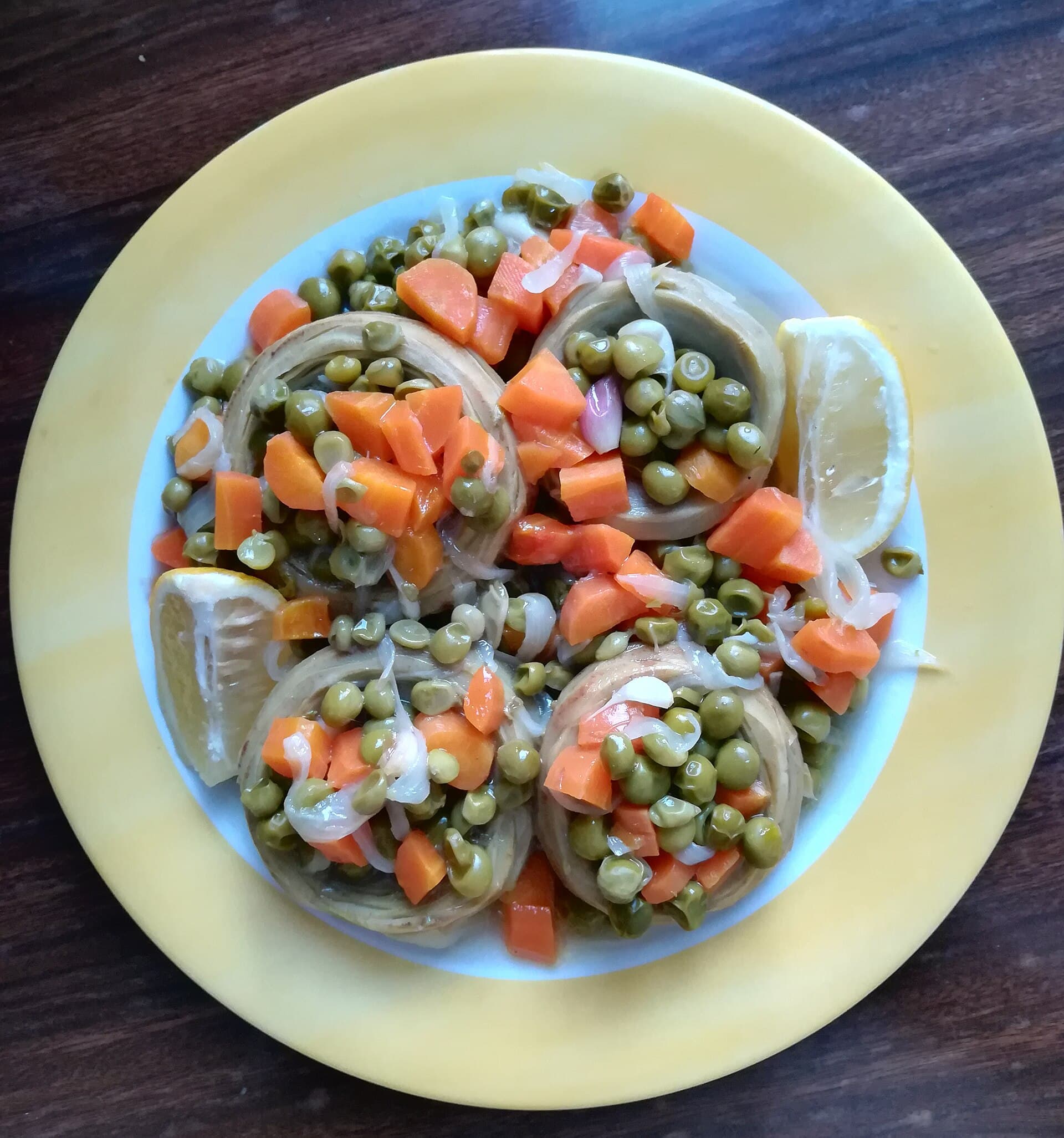
On fasting days meat, dairy and eggs leave the table and fish stays. Built on legumes and olive oil, this kitchen has its own name in Syria: the siyami kitchen.
Fatteh, falafel, ful, hummus and oil-rolled vine leaves on one table · Variable — nothing is sold at a home or monastery table; in a restaurant, ask the price of a plate · Homs
Shineeneh, the salted yoghurt drink
What Turkey calls ayran goes by shineeneh in Syria. Home yoghurt thinned with cold water and salted, brought to the table in a jug rather than a bottle.
It comes to the table by the jug; ask the price per glass in a restaurant · Damascus
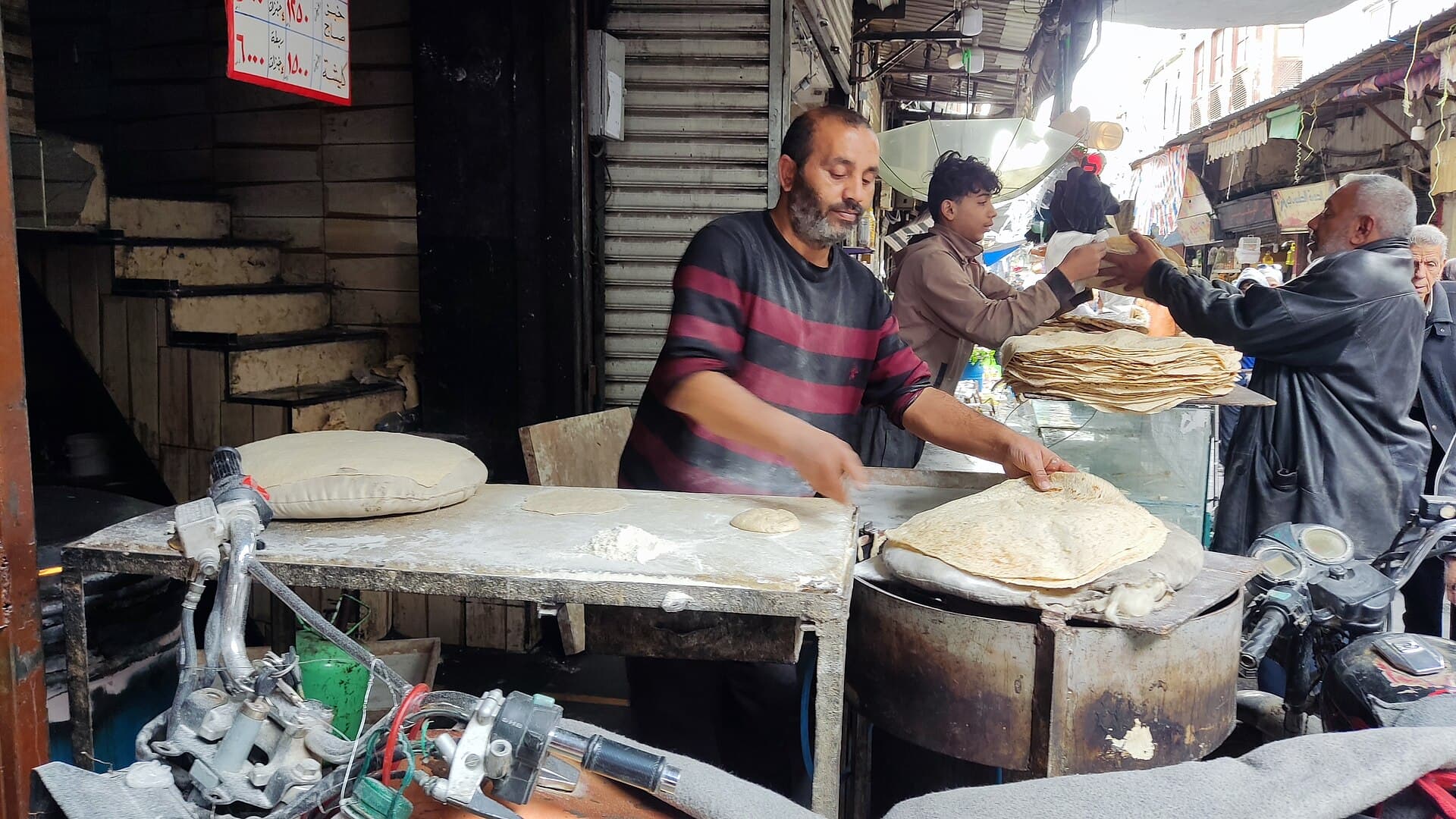
Markook — Syrian Saj Bread
Flour, water and salt. The unleavened dough is stretched over a cushion until it is translucent, then cooked on a domed griddle in seconds. Buy it warm.
Paper-thin bread cooked on the saj and folded warm · Variable — sold in stacks at the counter; ask the price · Daraa
Armenian Manti in Aleppo
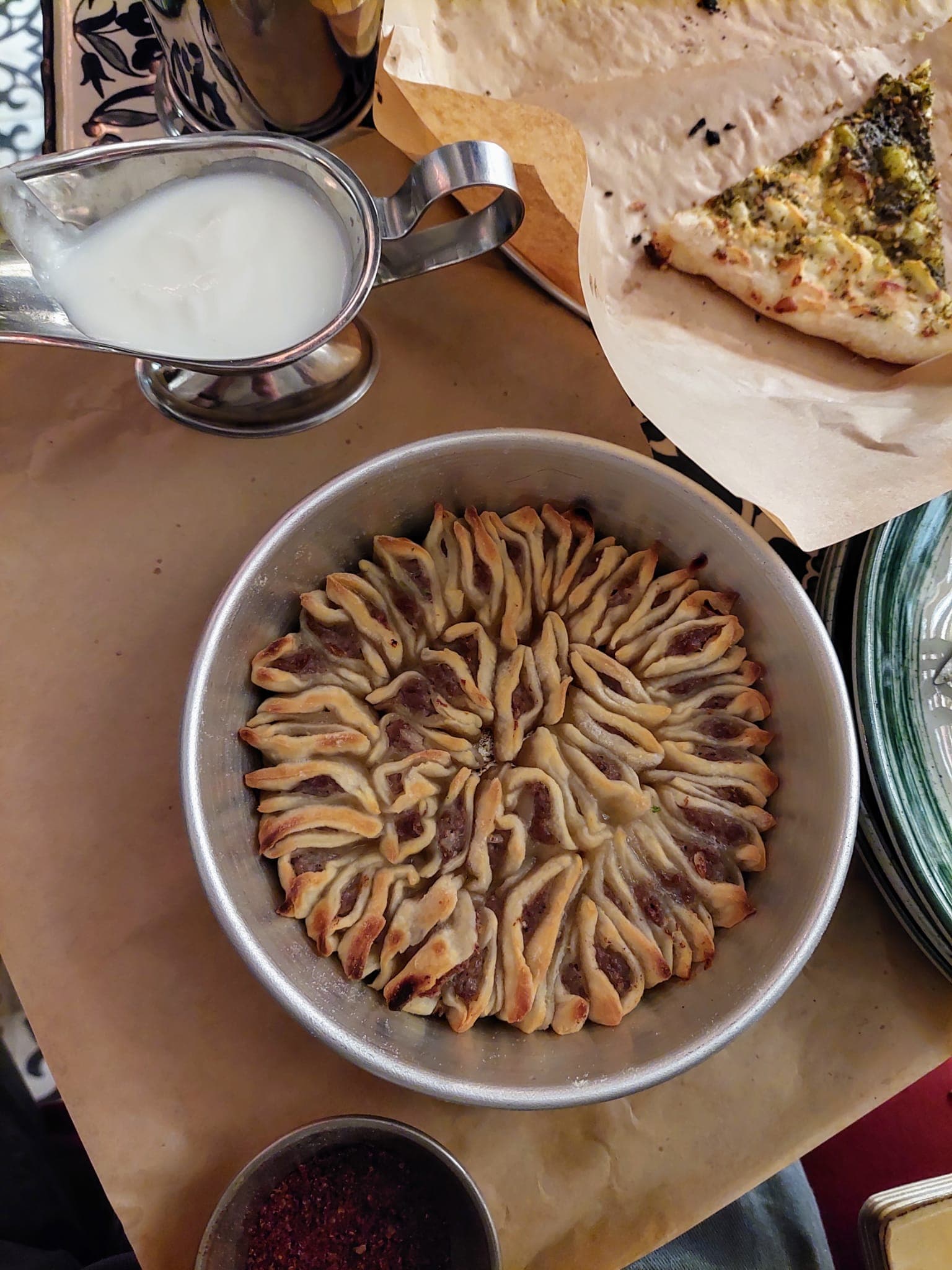
Boat-shaped dough parcels filled with minced meat and baked in a round tray. Garlic yoghurt, sumac and dried mint on top, and clear meat broth on the side.
Baked manti with garlic yoghurt and sumac, mantapour alongside · Variable — it may be sold by the tray; ask when you order · Aleppo
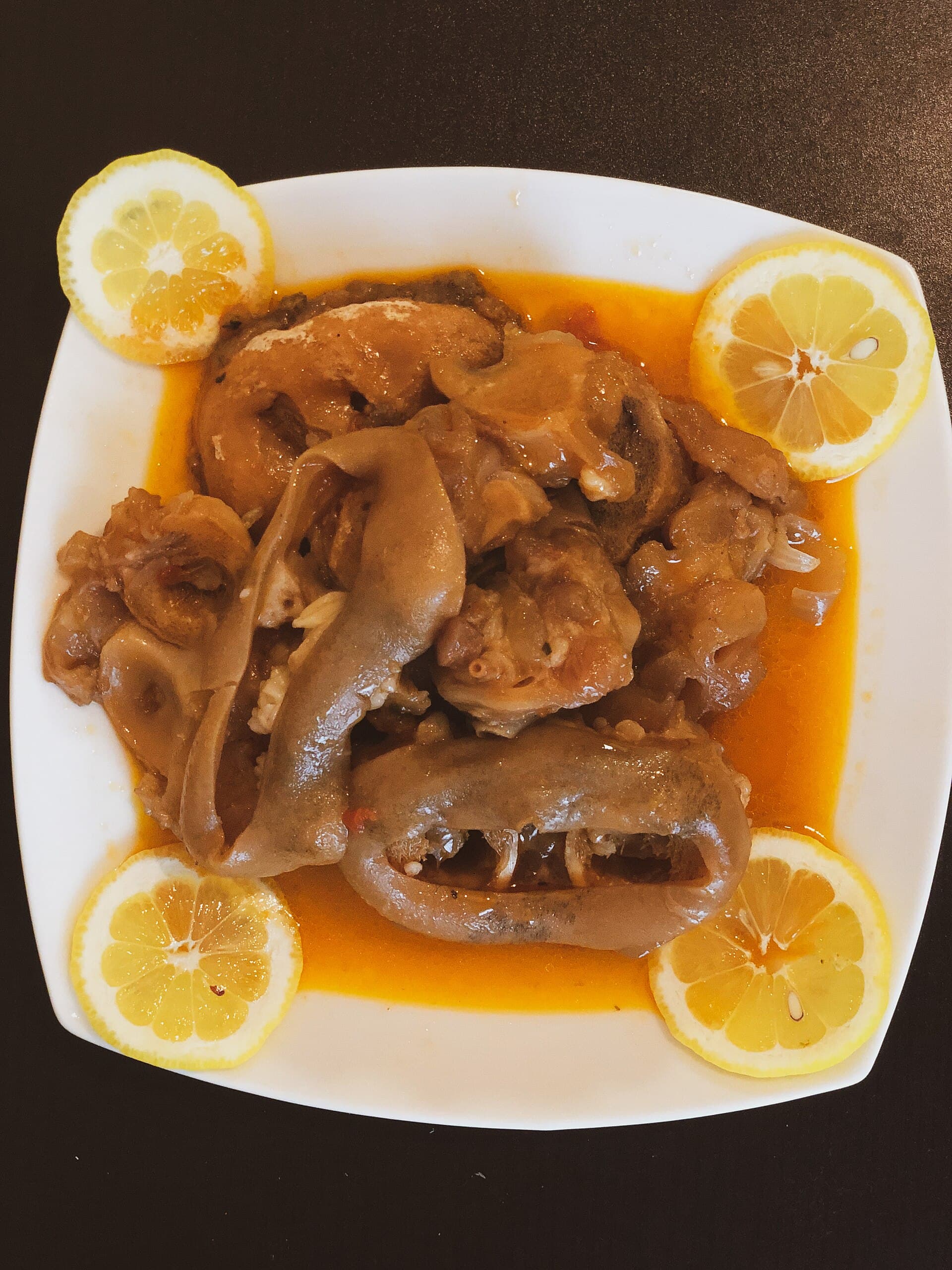
Maqadem — Damascus Sheep Trotters
Sheep trotters simmered for hours until the broth turns to gelatin. A dish of the early-morning counters of Midan and Qudsiya in Damascus, gone before midday.
Fattet maqadem: bread, trotter meat, garlic yoghurt and clarified butter · Variable — ask the price of a bowl when you order · Damascus