Practical information
Visas, border crossings, cash, SIM cards, getting between cities — where the plan is built.
145 Practical
One week in Syria: a day-by-day plan
Two days in Damascus, one for Homs and Krak, one for Hama, two in Aleppo. A frame built on this site’s routes, with a five-day cut and a ten-day version.
Checkpoints and everyday safety
What happens at a checkpoint, why nobody drives at night, why you stay on paved ground. And where your insurance and your consulate stop being any help.
Museums, tickets and opening hours
Which museums exist, what DGAM does, and why fees and hours stay variable. How long each one takes, how tickets work at excavated sites, and photo permits.
Light and timing: what to photograph when
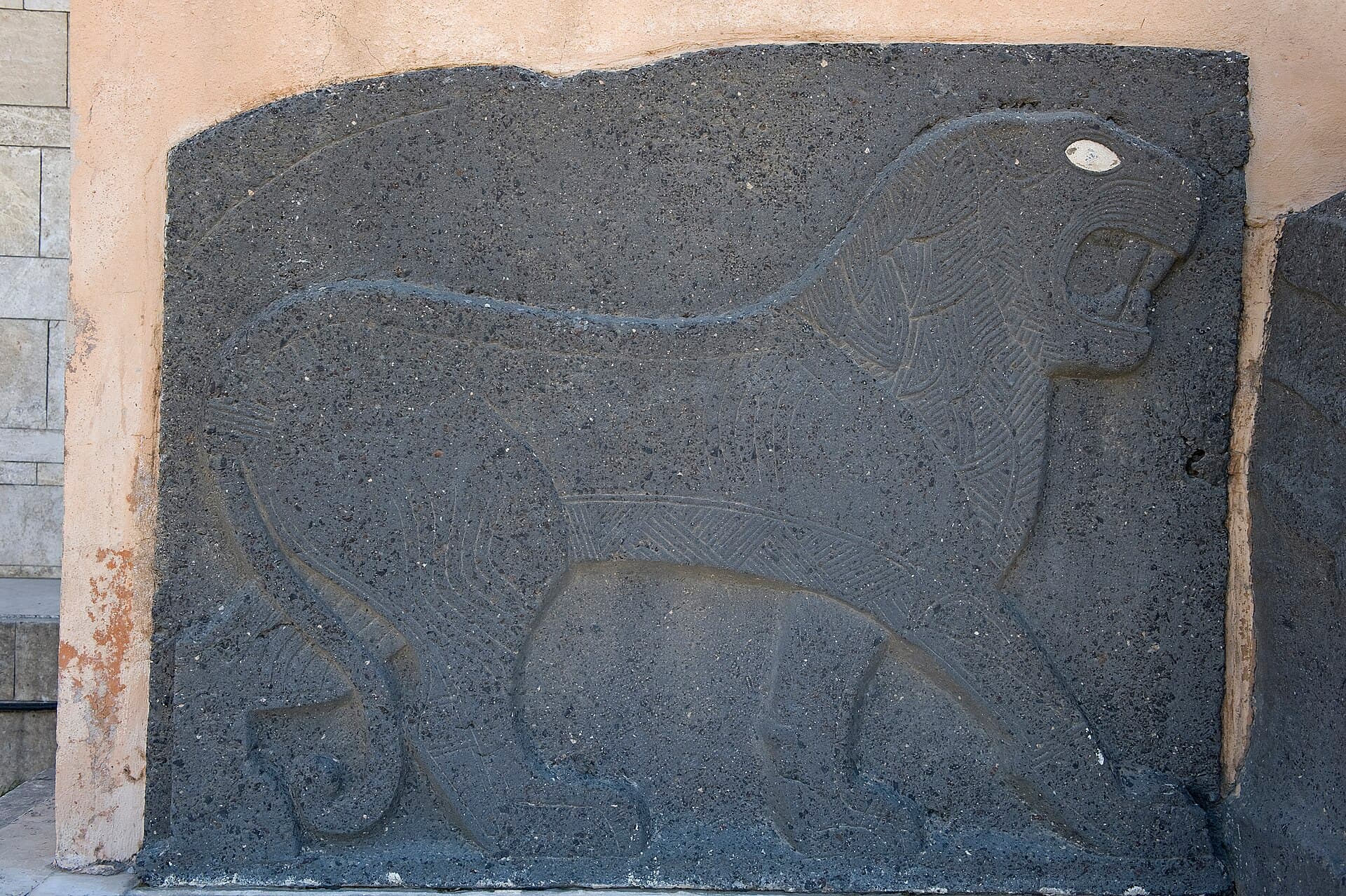
Which building looks right at which hour: courtyards in the morning, west fronts late, shafts in the souq, two windows in the desert. Drawn from the site’s records.
Travelling responsibly: where your money lands
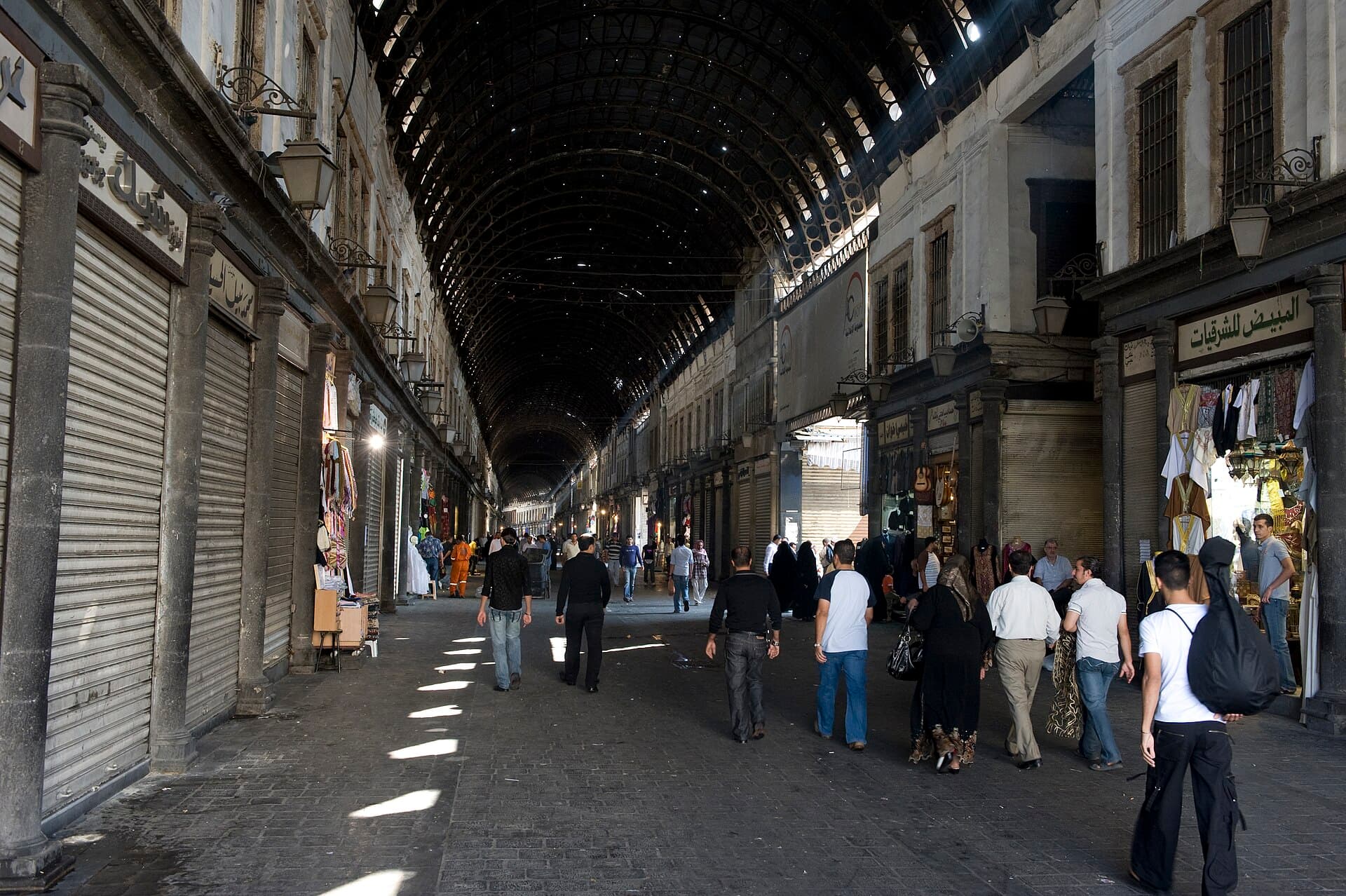
Keeping money local, how to behave at a site, photography in damaged streets, and avoiding war tourism. The few things a visitor can genuinely change.
Before you go to Syria: a preparation checklist
Passport, cash, vaccines, insurance, a local line, clothes, a medical kit and what you leave with family. One page of frame; the detail sits on the other guides.
Reading Syrian architecture: a glossary
Sahn, iwan, ablaq, muqarnas, qaysariyya, qa’a. The words for naming what you are looking at, each one with a single example that has a record on this site.
Which period is this building from
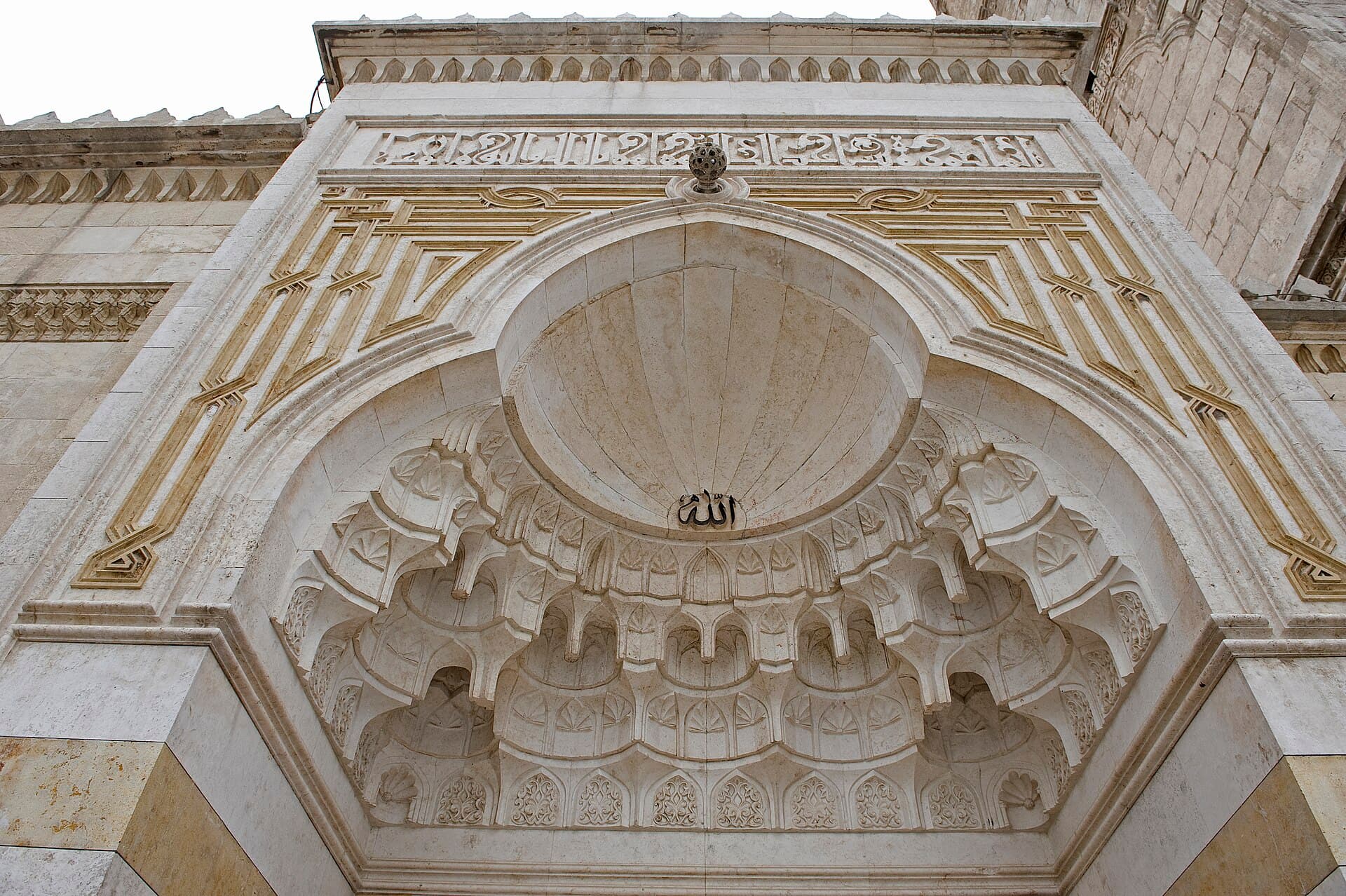
Cut limestone or basalt, round arch or pointed, banded facade or plain. How to place a building in a period by its material and workmanship rather than a date.
The languages of Syria: what you hear and where
Five varieties of Arabic, Kurdish in the northeast, Armenian in Aleppo, Syriac in the Jazira and Aramaic still spoken at Maaloula. Syria’s language map.
Syrian crafts: how they are made and where to see them
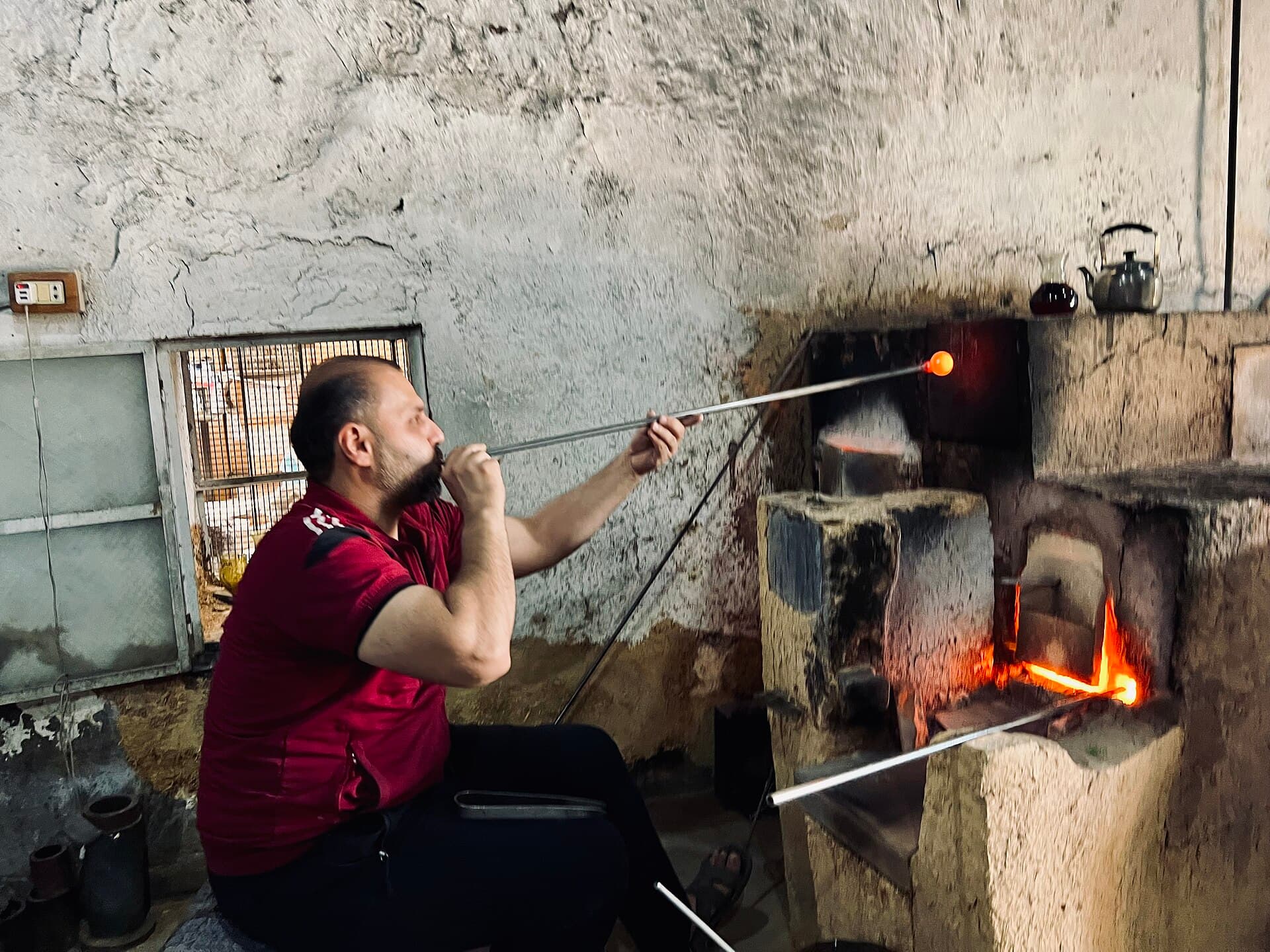
Mother-of-pearl inlay, ajami woodwork, brocade, glassblowing, copper, soap and the Damascene rose. How each is made, where the workshops are and how to judge one.
Syrian music: muwashshah, qudud and tarab
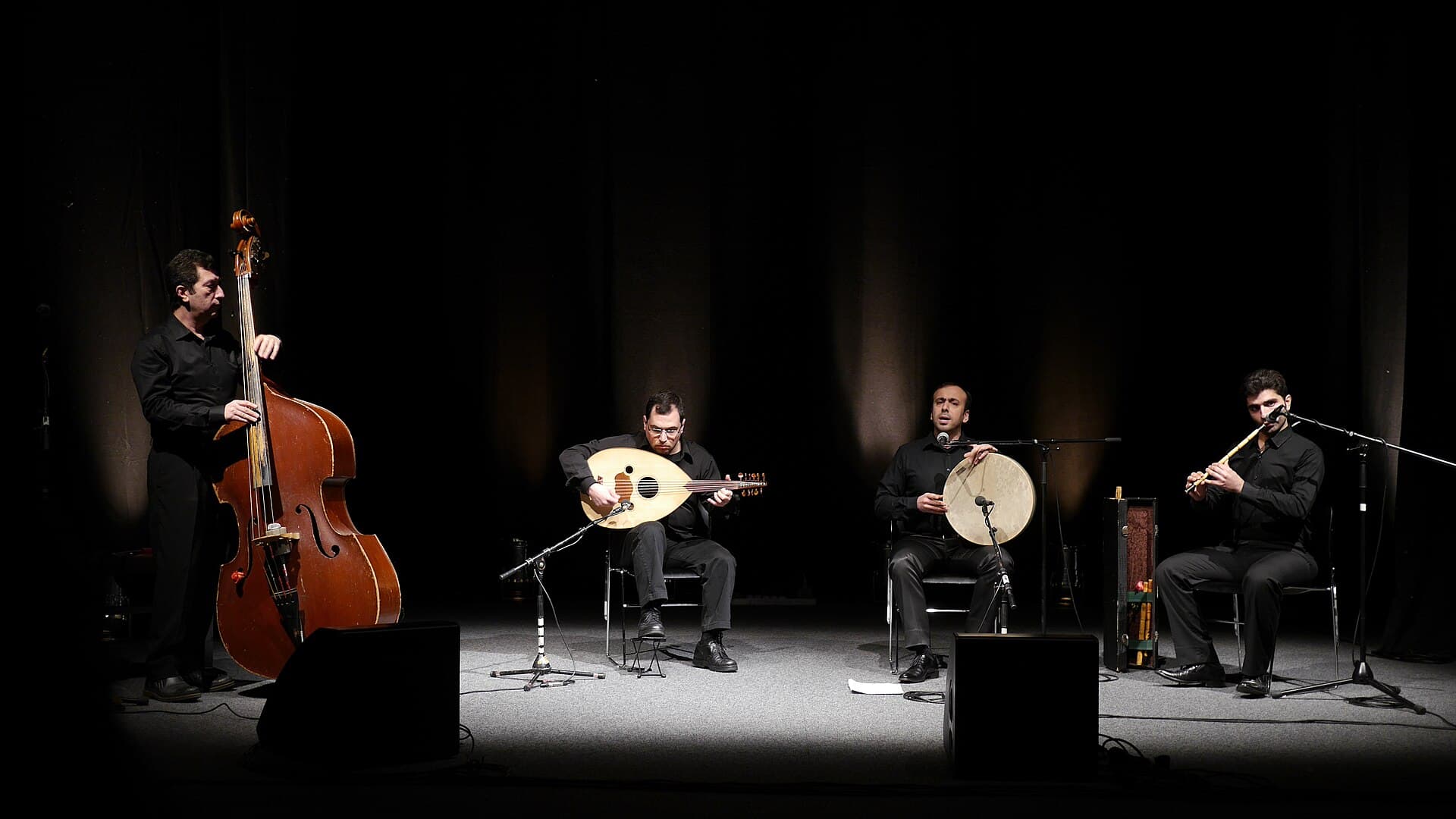
The muwashshah tradition of Aleppo, the qudud written onto religious melodies, what a tarab evening is, and where a traveller can actually hear it today.
Budgeting for Syria: what costs what
Cards do not work, so the budget is built before you leave. Which items are paid once, which are paid daily, what sets the daily figure and how much reserve to add.