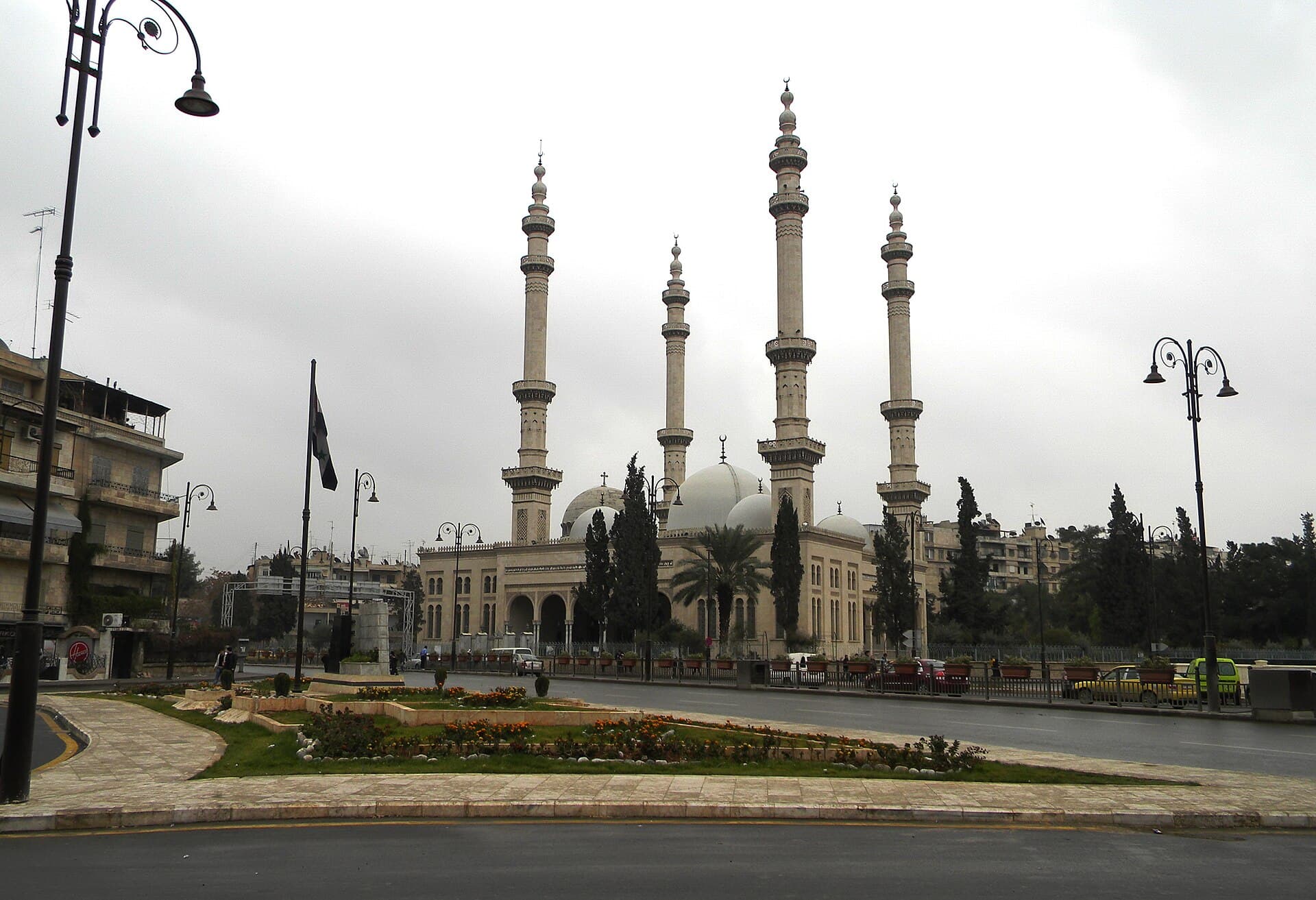
Practical information
Visas, border crossings, cash, SIM cards, getting between cities — where the plan is built.
145 Practical
Travelling in Syria with children
Healthcare is thin, summers are hot, and car seats and familiar formula are not a given. Against that, children are welcome everywhere and the distances are short.
Power, water and everyday infrastructure
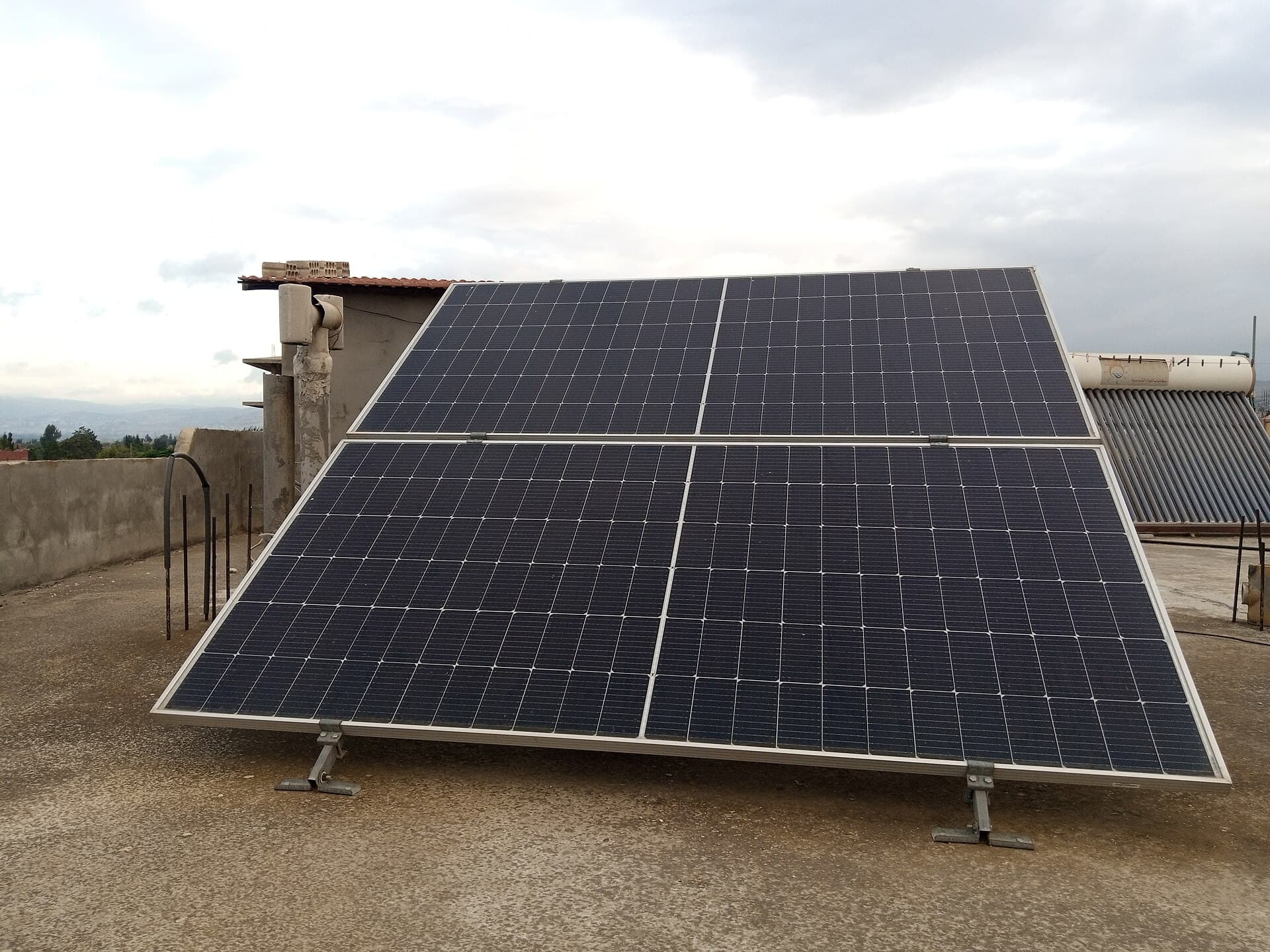
Cuts are daily and scheduled; hot water, the lift, the air conditioning and the pump stop together. European sockets, bottled water, and a day built around them.
Syrian Arabic phrases for travellers
Damascus dialect for greetings, prices, directions, restaurants and emergencies: the Arabic script, a transcription you can read aloud, and when each one is said.
Tipping, bargaining and asking the price
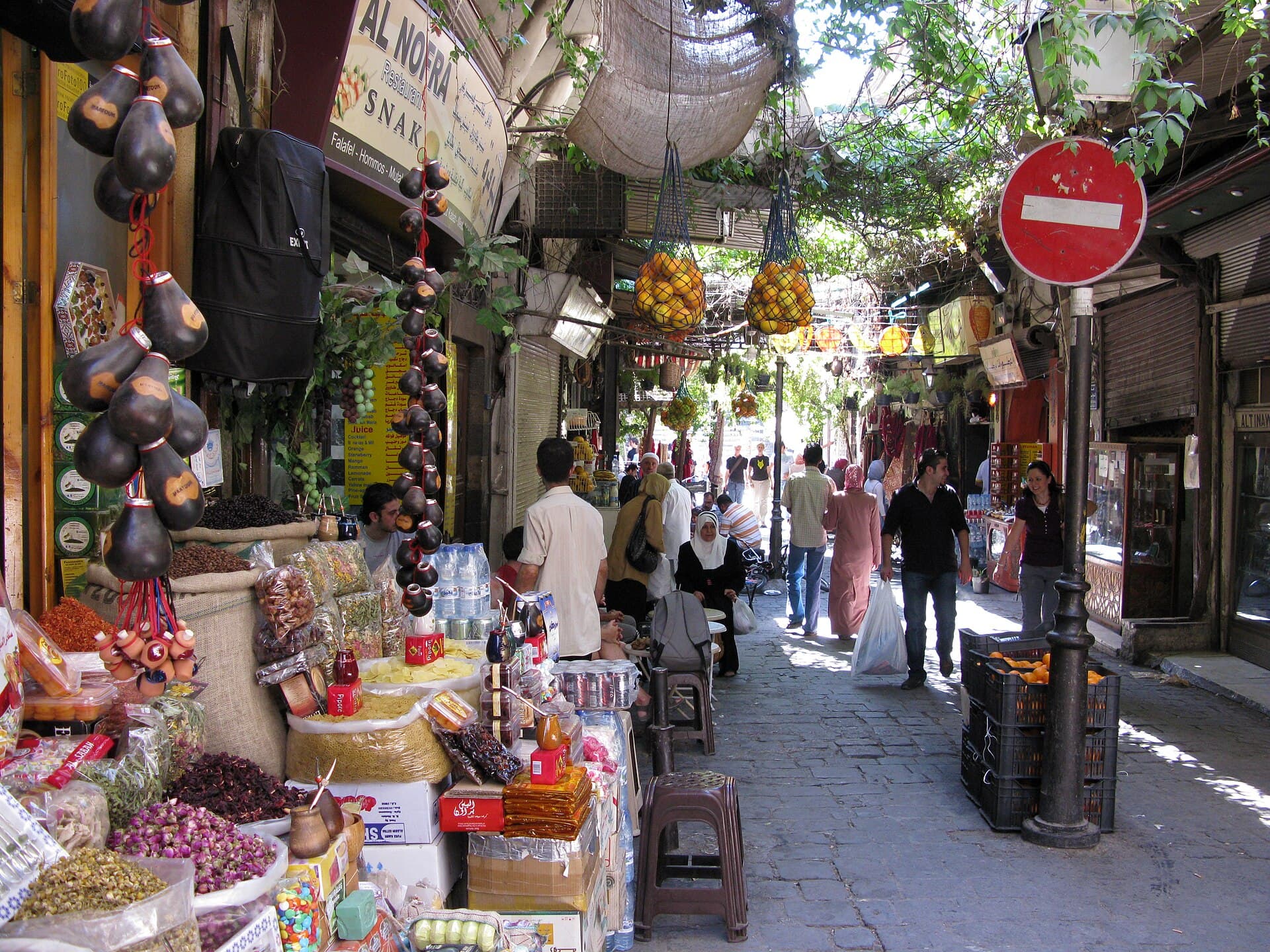
You haggle in the souq and never in a restaurant. Who to tip and how much, what to do when the seller calls it a gift, and the foreigner price question.
Travelling in Syria during Ramadan
Ramadan begins around 8 February in 2027. What stays open, where lunch is found, what the street does at sunset, and how to behave if you are not fasting.
Accessible travel and limited mobility in Syria
No kerb ramps, stepped castles, lifts tied to the generator. Even so, some places genuinely work in a wheelchair — and this page names them one by one.
A short history of Syria for travellers
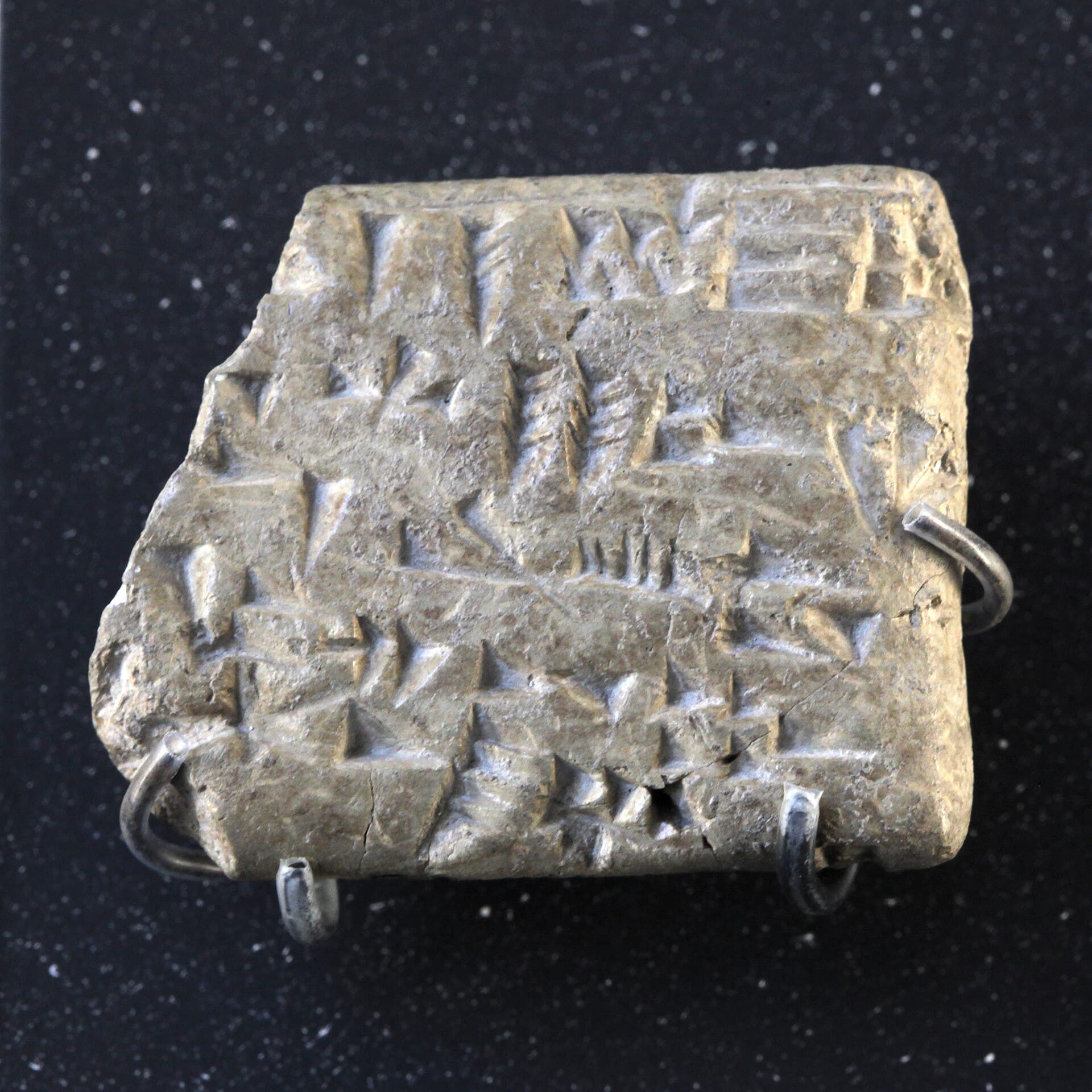
Seven layers, from the Ebla tablets to the French Mandate. Not a chronology to memorise but a spine for placing the stone that stands in front of you.
Syria’s UNESCO World Heritage Sites
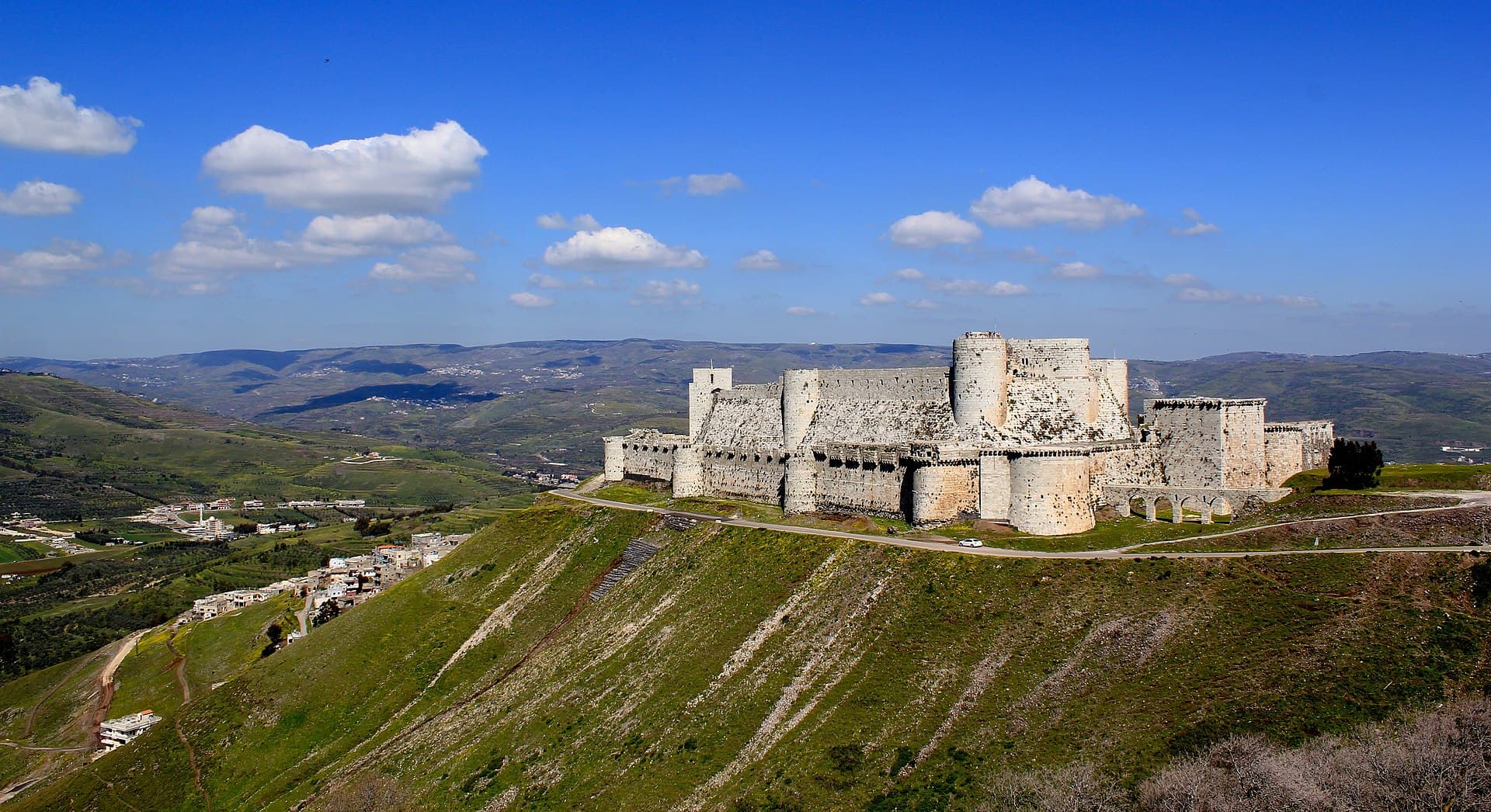
Syria has 6 sites on the list, and all six have been counted as in danger since 2013. Which they are, how they stand today, and what that means on a visit.
Syrian hammams: how a bathhouse works
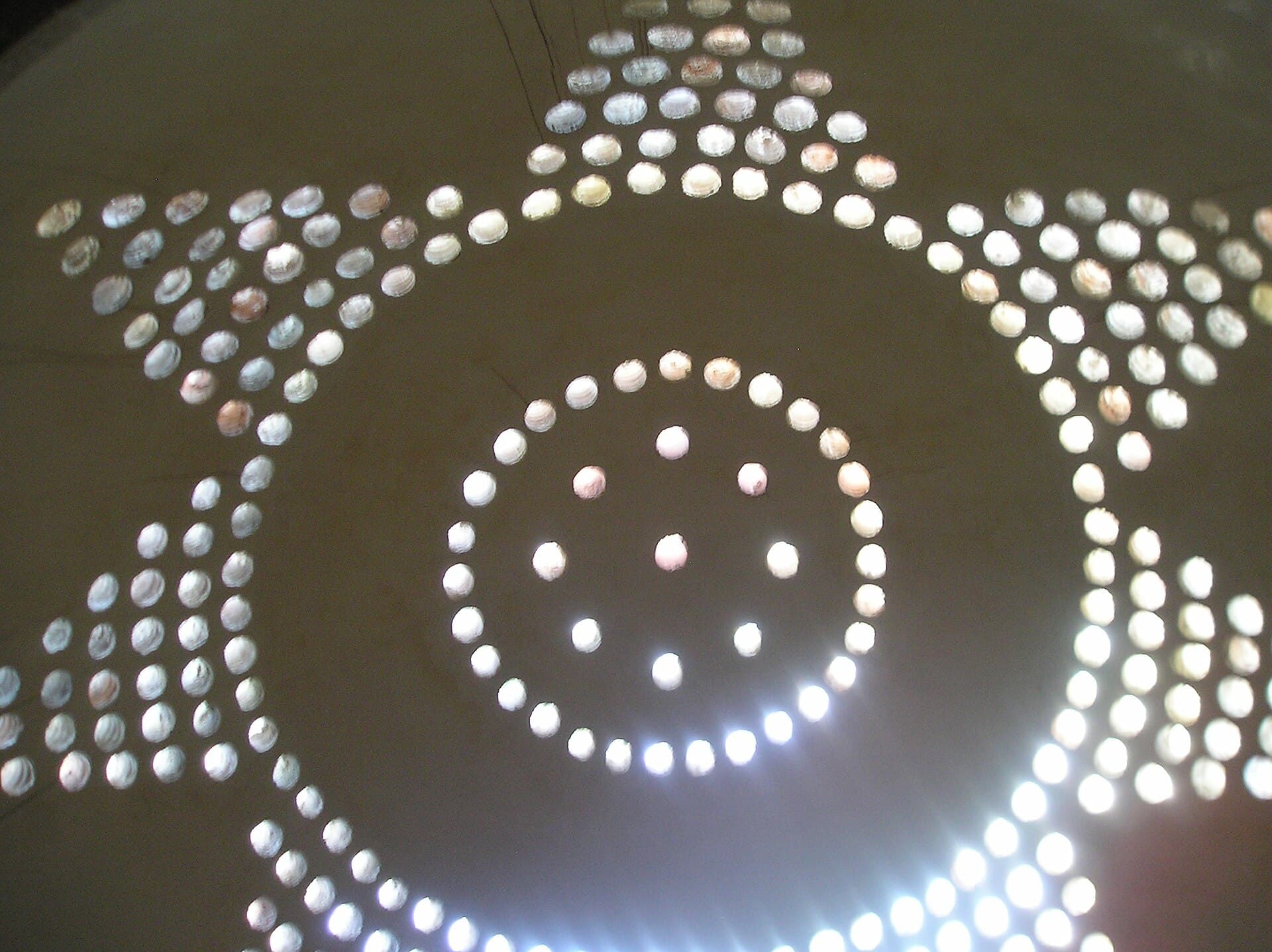
The rooms, the order, the etiquette and what to bring. Men’s and women’s hours are separate and they shift — as does which bathhouse is open on the day.
Coffee, tea and the Syrian coffeehouse
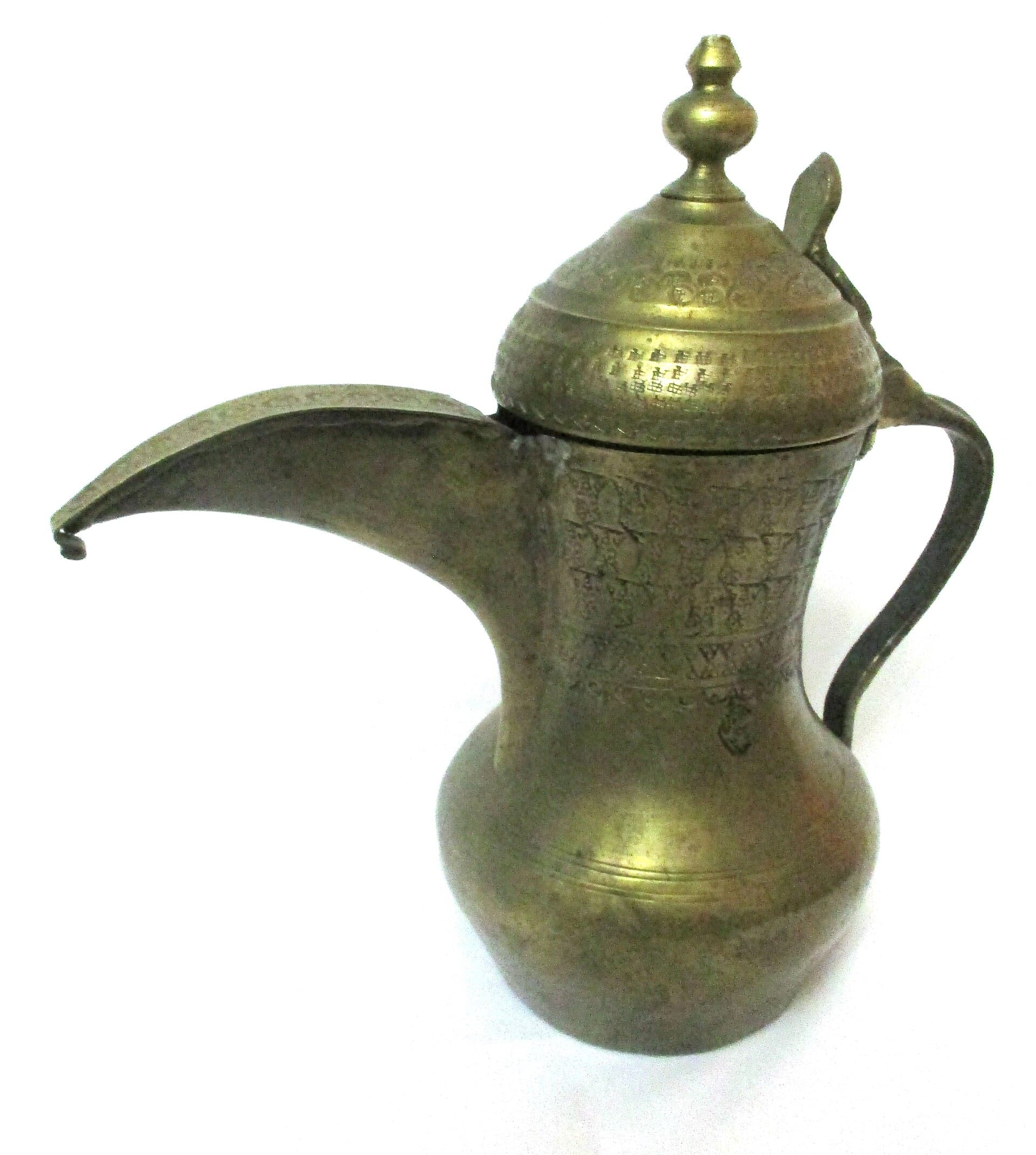
Bitter murra against Damascene coffee, how the tea is brewed, water-pipe etiquette and what a coffeehouse is for. A small shake of the cup means enough.
Syrian souqs: how they are laid out and how to navigate one
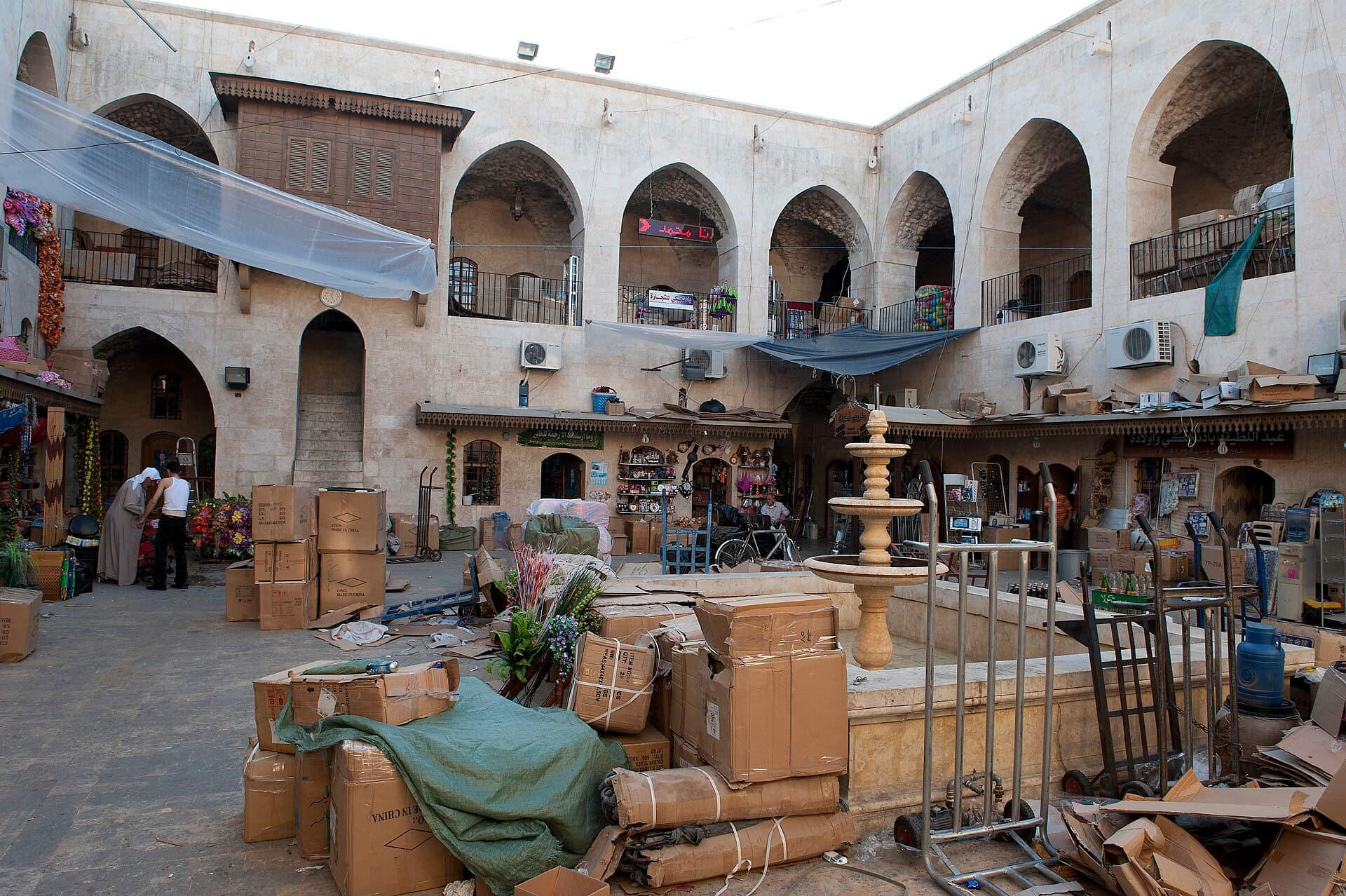
The lanes are divided by trade, khan courtyards open off them, the roof is closed and your phone map fails under the vault. The logic of not getting lost.
Visiting mosques, churches, shrines and monasteries
Each asks something different: shoes come off in a mosque, not in a church. Which buildings receive visitors, which do not, and how the donation box works.